
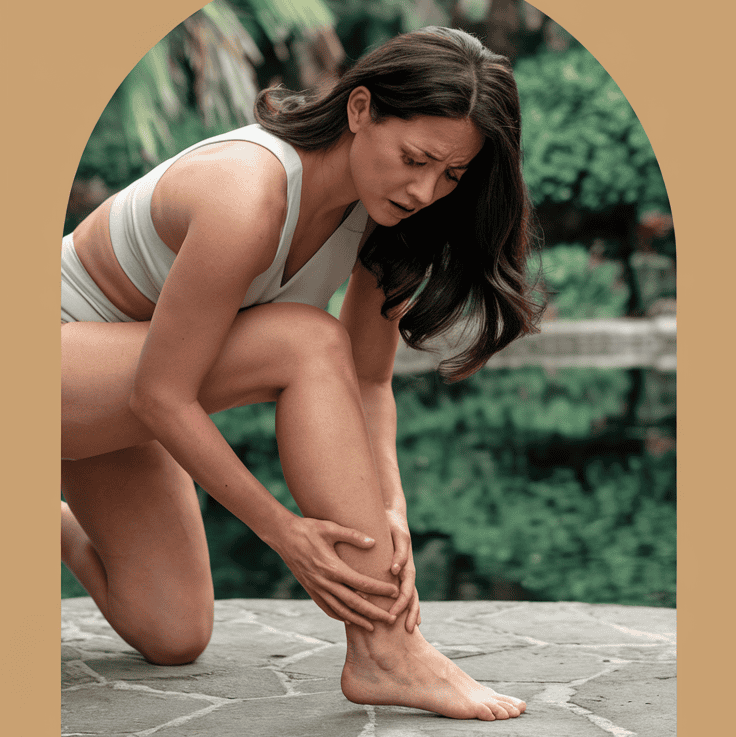
Having healthy, happy feet isn’t just about looking good in your favorite shoes—it’s about keeping your entire body functioning well. Poor foot circulation can lead to discomfort, numbness, and even more serious health problems if left unaddressed.
In this guide, we share 10 practical tips to help you boost your foot circulation, along with helpful details, a handy table, and answers to common questions. Read on and pin these tips for quick reference whenever you need them!
1. Recognize the Warning Signs
Before you can improve circulation, it’s important to know when your feet might be suffering. Poor circulation often shows up with symptoms like:
- Cold Feet: Consistently chilly feet, even when the rest of your body is warm.
- Numbness & Tingling: A pins-and-needles sensation or a loss of feeling.
- Muscle Cramps: Painful spasms, especially after being active.
- Slow-Healing Wounds: Cuts or sores that take longer than usual to heal.
- Swelling or Color Changes: Discoloration, dryness, or swelling around the feet.
By recognizing these signs early, you can start taking steps to improve your circulation before more serious issues develop.

2. Get Moving: Simple Foot Exercises
Movement is one of the best ways to boost circulation. Regular exercise gets your blood pumping and helps your muscles work like natural pumps. Here are some simple exercises you can do anywhere:
- Ankle Circles: Sit with your feet off the ground and rotate each ankle clockwise, then counterclockwise. Do 10 circles per direction.
- Toe Stretches: Spread your toes wide, hold for 10 seconds, then relax. Repeat five times.
- Calf Raises: Stand with your feet shoulder-width apart and slowly rise onto your toes, then lower back down. Aim for 15-20 repetitions.
- Walking: Even a short, brisk walk can stimulate circulation. Try to incorporate a 10–15 minute walk into your daily routine.
These exercises are easy to fit into your schedule and can make a big difference over time.
3. DIY Foot Massage Techniques
Self-massage is another excellent way to improve blood flow to your feet. Massaging your feet not only feels good but also stimulates nerve endings and muscles.
How to Do It:
- Manual Massage: Use your hands to knead your feet gently. Start at the toes and work your way toward the ankle.
- Tennis Ball Massage: Roll a tennis ball under your foot for a few minutes on each foot. This can help relieve tension and improve circulation.
- Use a Foam Roller: If you have a foam roller, place it under your foot and gently roll back and forth.
Try to incorporate a foot massage into your nightly routine. Even 5–10 minutes can help relieve tension and boost circulation.
4. Elevate Your Feet Daily
Elevating your feet helps gravity do its work, encouraging blood to flow back toward your heart. This simple habit can reduce swelling and promote better circulation.
Tips for Elevation:
- Use Pillows: When you’re relaxing on the couch or in bed, prop your feet up on a few pillows.
- Foot Rests: Consider using a footrest at your desk or workstation.
- Leg Raiser: If you watch TV or read in bed, lie down with your legs elevated against a wall for 10–15 minutes.
Regularly elevating your feet is a low-effort, high-reward habit that can significantly improve circulation over time.

5. Nutrient-Rich Foods for Healthy Circulation
What you eat has a huge impact on your vascular health. A balanced diet filled with nutrient-rich foods can help maintain healthy blood vessels and improve overall circulation. Consider incorporating the following into your meals:
| Food Group | Examples | Benefits |
|---|---|---|
| Leafy Greens | Spinach, kale, arugula | Rich in nitrates, which help dilate blood vessels |
| Fatty Fish | Salmon, mackerel, sardines | High in omega-3 fatty acids for reducing inflammation |
| Citrus Fruits | Oranges, lemons, grapefruits | Packed with vitamin C, an antioxidant that supports vascular health |
| Nuts & Seeds | Almonds, walnuts, flaxseeds | Provide healthy fats and vitamin E for better blood flow |
| Berries | Blueberries, strawberries | Antioxidants that protect blood vessels from damage |
Aim to include these foods in your daily diet. A nutrient-rich diet supports not only circulation but overall health.
6. Stay Hydrated
Hydration plays a critical role in maintaining healthy blood flow. Blood is made up largely of water, and when you’re dehydrated, your blood can thicken, making it harder for your heart to pump effectively.
Hydration Tips:
- Drink Water Regularly: Aim for eight to ten glasses of water a day.
- Infuse Your Water: Add slices of citrus fruits or cucumbers for extra flavor and nutrients.
- Hydrating Foods: Include water-rich foods like cucumbers, watermelon, and lettuce in your meals.
Keeping a water bottle with you throughout the day is a simple habit that will pay off in improved circulation and better overall health.
7. Choose Comfortable Footwear & Compression Socks
The shoes you wear can either help or hinder your circulation. Tight or poorly fitting footwear can restrict blood flow, while supportive, comfortable shoes can make a big difference.
Footwear Tips:
- Avoid Tight Shoes: Make sure your shoes have enough room for your toes to move.
- Opt for Breathable Materials: Shoes made from natural fibers like leather or canvas allow for better air circulation.
- Consider Orthotics: Custom orthotics or insoles can provide additional support and improve overall comfort.
For those with chronic circulation issues, compression socks can be a game changer. They gently squeeze your legs and feet, helping blood flow more efficiently back toward your heart. Look for socks that offer the right level of compression for your needs and consider them especially if you spend long periods sitting or standing.
8. Warm Up with a Foot Bath
A warm foot bath is like a mini spa treatment that can soothe tired muscles and improve circulation. The warmth helps dilate blood vessels, allowing blood to flow more freely.
How to Make a Foot Bath:
- Fill a Basin: Use warm water—not too hot, but comfortably warm.
- Add Soothing Ingredients: Consider adding Epsom salts, a few drops of essential oils like lavender or peppermint, or even a slice of lemon.
- Soak Your Feet: Submerge your feet for 15–20 minutes, then gently dry them off.
A warm foot bath is not only relaxing but also a practical method to boost circulation after a long day.
9. Lifestyle Tweaks for Better Circulation
Sometimes small changes in your daily habits can make a big difference in circulation. Consider these lifestyle tweaks:
- Quit Smoking: Smoking constricts blood vessels and significantly reduces circulation.
- Manage Stress: High stress levels can affect blood flow. Try meditation, deep breathing exercises, or yoga.
- Reduce Sedentary Time: If you sit for long periods, set reminders to stand up, stretch, or take short walks.
- Limit Alcohol: Excessive alcohol consumption can lead to dehydration and affect blood flow.
These adjustments don’t have to happen all at once. Gradually integrating these changes into your routine can lead to sustained improvements in your foot health and overall circulation.
10. When to See a Pro
While many issues can be managed at home, there are times when professional advice is needed. If you notice persistent pain, significant swelling, or wounds that refuse to heal, it’s important to consult a healthcare professional.
Red Flags to Watch For:
- Persistent Numbness or Tingling: If these sensations don’t improve with home care, it might be a sign of an underlying condition.
- Severe or Unrelenting Pain: This could indicate problems like peripheral artery disease (PAD).
- Non-Healing Wounds: Especially in individuals with diabetes, this is a serious warning sign.
- Significant Swelling: This could be a symptom of more serious circulatory or heart issues.
Your doctor or podiatrist can offer diagnostic tests, such as measuring your blood pressure in the ankle and arm, and recommend treatments or interventions tailored to your specific condition.
FAQs
1. What are the common signs of poor foot circulation?
Common signs include cold feet, numbness, tingling, muscle cramps, slow-healing wounds, and swelling.
2. Can simple exercises improve foot circulation?
Yes, exercises like ankle circles, toe stretches, and walking can significantly enhance blood flow.
3. How do compression socks help with circulation?
Compression socks gently squeeze the legs and feet, helping to improve blood flow back to the heart and reduce swelling.
4. What foods are best for supporting healthy circulation?
Foods rich in antioxidants, omega-3 fatty acids, and nitrates—such as leafy greens, fatty fish, citrus fruits, and berries—are excellent for circulation.
5. When should I seek medical advice for foot circulation issues?
If you experience persistent numbness, severe pain, significant swelling, or non-healing wounds, it’s important to consult a healthcare professional.
Conclusion
Improving foot circulation is not only about comfort—it’s a crucial part of maintaining overall health. By recognizing the signs, incorporating simple exercises and massages, choosing the right footwear, and making smart lifestyle changes, you can keep your feet happy and healthy.
Remember, small daily changes can lead to big improvements over time. Pin these tips and make them a part of your daily routine for better circulation and healthier feet!
By following these actionable tips and maintaining a proactive approach, you can improve your circulation and prevent potential complications before they start. Take care of your feet—they’re the foundation of your well-being!
