
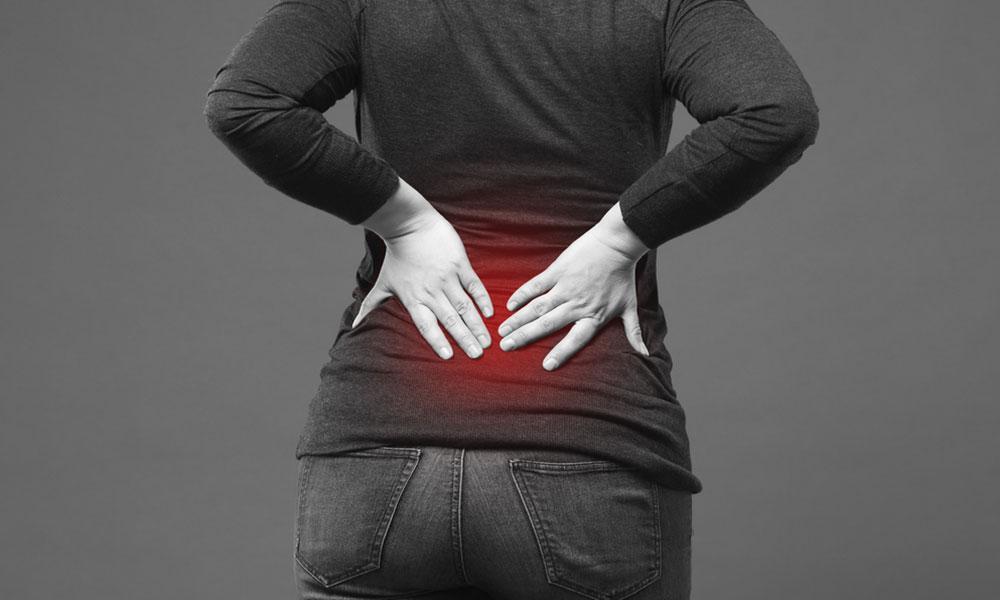
Sciatica pain can be incredibly frustrating, making even the simplest tasks feel unbearable. Whether it’s a sharp, shooting pain down your leg or a dull, persistent ache, understanding what triggers sciatica flare-ups can help you manage and prevent future episodes.
In this article, we’ll explore 10 surprising triggers that can worsen your sciatica, and we’ll provide practical tips for avoiding or managing them.
Poor Posture
Poor posture is one of the most common—and often unnoticed—triggers for sciatica flare-ups. Slouching or sitting with poor alignment can put extra pressure on the sciatic nerve, leading to increased inflammation and discomfort.
What you can do:
- Focus on maintaining an upright posture, whether you’re standing or sitting. Keep your shoulders back and your spine straight, and avoid slumping.
- Use lumbar support while sitting, especially in chairs that don’t provide natural back support.
- If you work at a desk, ensure your monitor is at eye level, your feet are flat on the ground, and your knees are at a 90-degree angle.
Sitting for Long Periods
Extended periods of sitting, especially in a reclined position, can put a lot of strain on your lower back and sciatic nerve. This leads to compression of the spinal discs, which can cause sciatica pain to flare up.
What you can do:
- Take regular breaks. Stand up, stretch, or walk around for a few minutes every 30 minutes.
- Use a standing desk or adjustable workstation to alternate between sitting and standing throughout the day.
- Ensure your sitting posture is correct, with your feet flat on the floor and your back well-supported.
Lifting Heavy Objects Incorrectly
Lifting heavy items with improper technique can strain your back, increase pressure on the sciatic nerve, and cause flare-ups. Bending over at the waist to pick something up is a recipe for disaster.
What you can do:
- Always bend your knees, not your back, when lifting something heavy. This helps protect your spine from unnecessary strain.
- Keep the object close to your body while lifting to minimize the load on your back.
- If an item is too heavy, ask for help or use lifting equipment.
Lack of Physical Activity
A sedentary lifestyle can weaken the muscles around your lower back, reducing spinal stability and increasing the risk of sciatica. When these muscles aren’t strong enough, they strain the sciatic nerve more.
What you can do:
- Aim for regular exercise to strengthen the muscles that support your spine. Focus on core-strengthening exercises that improve posture and stability.
- Try gentle activities like walking, swimming, or cycling to keep the muscles around your back flexible and strong.
- Stretch regularly to improve flexibility and reduce the risk of nerve compression.
Sleeping on a Bad Mattress
A poor mattress can misalign the spine while you sleep, leading to more pressure on the sciatic nerve. If your mattress is too soft or firm, it can exacerbate sciatica symptoms.
What you can do:
- Invest in a medium-firm mattress that provides proper support for your spine.
- If you can’t replace your mattress immediately, consider adding a memory foam topper for extra support.
- Sleeping on your side with a pillow between your knees can help maintain spinal alignment.

Overexerting During Exercise
While regular exercise is essential for managing sciatica, pushing yourself too hard during physical activity can worsen your symptoms. Overdoing it can lead to muscle strain and aggravate the sciatic nerve.
What you can do:
- Start any exercise program gradually, especially if you’re new to physical activity or have been sedentary.
- Listen to your body and avoid pushing yourself too hard. Rest if you feel pain or discomfort.
- Work with a fitness professional to ensure you’re performing exercises properly to reduce the risk of injury.
Wearing High Heels
High heels may be fashionable, but they can affect posture, disrupt spinal alignment, and increase pressure on the lower back, all of which can worsen sciatica symptoms.
What you can do:
- Limit the amount of time you spend wearing high heels.
- If you must wear heels, choose ones with a lower, thicker heel to reduce the pressure on your spine.
- Opt for shoes that provide proper arch support and cushioning to protect your back.
Stress and Anxiety
Emotional stress can manifest physically, leading to muscle tension, particularly in your lower back. This tension can aggravate sciatica and make flare-ups more frequent and intense.
What you can do:
- To manage stress, practice relaxation techniques such as deep breathing, meditation, or yoga.
- Incorporate regular mindfulness or relaxation exercises into your routine to help prevent tension buildup.
- Stay active—regular physical activity is a natural stress reliever to help prevent muscle tightness.
Dehydration
Your spinal discs are made of water and rely on hydration to maintain their elasticity. If dehydrated, your discs can become less flexible, increasing the risk of disc compression and sciatica.
What you can do:
- Drink plenty of water throughout the day to keep your body and spinal discs hydrated.
- Avoid excessive caffeine or alcohol, which can dehydrate the body.
- If you’re exercising, replenish fluids before, during, and after physical activity.
Weight Gain
Carrying excess weight, particularly around the abdomen, puts additional pressure on your lower back and increases the likelihood of sciatica flare-ups. Extra weight strains the spine and muscles, leading to nerve compression.
What you can do:
- Focus on maintaining a healthy weight by eating a balanced diet and exercising regularly.
- Strengthen your core and lower back muscles to support your spine better.
- Work with a healthcare provider to create the right weight management plan.
Improper Stretching
Stretching can be a great way to relieve sciatica pain, but doing it improperly can make things worse. Overstretching or incorrect technique can strain muscles and nerves, increasing discomfort.
What you can do:
- Perform gentle stretches, focusing on the muscles in your lower back, hips, and legs.
- Avoid overstretching, especially if you’re in pain.
- Consider working with a physical therapist to learn proper stretching techniques.
Tight Pants
Tight clothing, particularly pants, can restrict circulation and compress the sciatic nerve. If your pants are too tight around your waist, hips, or thighs, it can contribute to sciatica flare-ups.
What you can do:
- Wear looser clothing that allows your body to move freely.
- Avoid tight waistbands or clothing that constricts the lower back area.
- Opt for clothes made from stretchy, breathable materials to provide comfort and reduce pressure.
The Wrong Shoes
Shoes that lack proper arch support, cushioning, or stability can affect your posture and exacerbate sciatica. Wearing flat shoes or shoes that are too high can misalign your spine and increase the strain on your back.
What you can do:
- Choose shoes with proper arch support and cushioning, especially if you spend much time on your feet.
- Avoid wearing shoes with little support, such as flip-flops or worn-out sneakers.
- If you have a foot condition, consider custom orthotics for added support.
FAQs
Q: Can sciatica flare up without any obvious trigger? A: Yes, sciatica can flare up without a clear cause. Factors like stress, weather changes, or even sleeping positions can contribute to a flare-up.
Q: How can I tell if my sciatica is getting worse? A: If you experience increased pain, numbness, or weakness in your leg, or if the pain starts affecting your ability to walk or move, it’s a sign that your sciatica may be worsening. Always consult with a healthcare provider for an evaluation.
Q: Is it safe to exercise with sciatica? A: Exercise can help manage sciatica, but choosing low-impact activities and avoiding exercises that strain your back are essential. Always consult a healthcare professional before starting any exercise program.
Q: Can I prevent sciatica flare-ups? A: While it may not be possible to prevent sciatica completely, you can minimize flare-ups by maintaining a healthy weight, exercising regularly, practicing good posture, and avoiding the triggers mentioned in this article.
Sciatica can be a painful and debilitating condition, but understanding what triggers it and taking preventive measures can help manage your symptoms. By being mindful of your posture, activity levels, and lifestyle habits, you can reduce the frequency and intensity of sciatica flare-ups and improve your overall quality of life.
