
Iodine is the natural element responsible for producing thyroid hormones inside our body.
The human body lacks the ability to make this essential nutrient, iodine, by itself, so its needs must be met through diet.
Foods with Iodine
Iodine is present in several foods, including cow’s milk, cheese, frozen yogurt, eggs, ice cream, yogurt, soy milk, soy sauce, and seafood.
Most of these food items are normally present in our homes as an important part of our monthly ration.

Iodine deficiency
If you lack the required amount of iodine and do not eat at all the things mentioned, your body cannot make enough of the essential thyroid hormone.
The lack of iodine causes a person to suffer from iron deficiency. This iron deficiency then leads to an enlargement of the thyroid (goiter), which is not a good sign.
It may also lead to higher chances of having mental retardation problems in infants and children whose mothers had iron deficiency during their pregnancy.
Iron or iodine deficiency is very common in areas with little iodine in the diet.
These are usually remote and far-off areas from the sea, which are inland and, thus, consume little seafood.
In addition, iodine deficiency also commonly prevails in mountainous areas where all the food is grown in non-iodine and poor-quality soil.
Before the 1920s, iodine deficiency prevailed in the Great Lakes, Appalachian, North West USA, and Canada.
However, as iodized salt began to be administered to treat this disease, these areas were deemed iodine-sufficient.
However, many areas across the globe do not get enough iodine through their diets, which is why iodine deficiency greatly prevails there. Over the years, it has become one of the greatest public health issues on a global scale.
Most of the world’s population is at risk of this disease, especially third-world countries.
Governments and International Health Organizations need to take drastic steps to increase awareness among people and help treat and prevent this disease from occurring.
Signs and Symptoms
There are several signs and symptoms that can easily tell you whether you have iodine deficiency or not.
- Iodine deficiency causes the levels of thyroid-stimulating hormone (TSH) to increase. High TSH levels lead to the thyroid gland’s expansion. People with a mild level of iodine deficiency may have goiter but no high TSH levels.
- Iron deficiency might also cause Cretinism, which damages mental health or IQ. It causes mental deficiency, deafness, squint eyes, disorders of stance and gait, and stunted growth.
- Some evidence has shown that iodine deficiency also causes the increased sensitivity of breast tissues to estrogen.
- Extreme tiredness.
- Increased weight gain or weight loss.
- Low basal body temperatures.
Risk Factors
Several risk factors may lead to iron deficiency. These risk factors include Selenium deficiency, a less healthy diet, exposure to radiation, pregnancy, smoking tobacco, oral contraceptives, Perchlorates, and Thiocyanates.
Moreover, increased intake of calcium or a rise in plasma levels of goitrogens may also cause you to suffer from this disease. In addition to this, such deficiency happens to occur more in women than men.
Treatment of iodine deficiency
A 24-hour urine test can diagnose iodine deficiency. A simple and functional skin iodine test can gauge a general idea of iodine deficiency.
In this test, an iodine patch is applied to the skin. If the patch quickly vanishes, it is a sign of iodine deficiency.
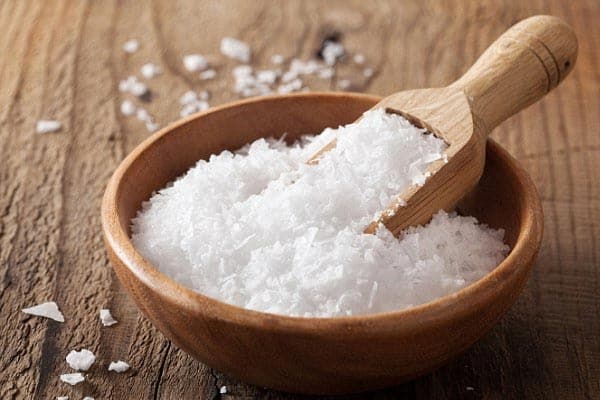
The basic treatment for Iodine deficiency involves the intake of iodine salts, which the human body ingests through food supplements.
Mild cases of iron deficiency are easily treated by consuming iodized salt in daily food, such as drinking more milk, eating egg yolks, and eating seawater fish.
However, iodine must not be consumed in excess. As you might know, the normal intake of iodine for women is recommended to be between 50 and 300 µg.
Women need more iodine than men, and men need less than 150 µg of iodine for normal thyroid functioning.
At the same time, too much or overdosage of iodine can lead to severe toxic effects occurring inside the body. Too much iodine can lead to hypothyroidism and high blood levels of thyroid hormones.
People with an existing background of having any sort of thyroid problem are at a greater risk of having excess-iodine-prone abnormalities.
Prevention
Iodine deficiency shouldn’t be taken lightly. That is why the medical world urges people to focus on preventing this condition.
Every country’s government should devise programs to increase awareness about iodine deficiency and inform the general public how to prevent it.
International health organizations should also help third-world developing countries by providing them with funds and medical assistance to prevent iodine deficiency.
A country’s government and its respective health organizations, through media and marketing, should ensure that iodized salt is available to every one of its citizens at the lowest possible cost.
People should be made well aware of the consequences of iodine deficiency and what they can do to avoid it.
Programs should also be designed according to health experts’ recommendations that different amounts of iodine salt be consumed at different ages.
Only through correct public awareness and the easy accessibility of iodized salt can humans begin to prevent and even treat this disease in high-risk areas and allow people to live normal lives.
