
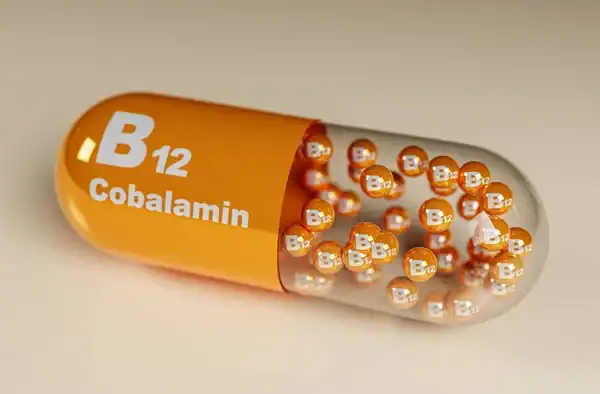
Vitamin B12 is one of your body’s most essential vitamins for staying healthy. It plays a critical role in making red blood cells, supporting your nervous system, and aiding energy production.
Despite its importance, many people suffer from Vitamin B12 deficiency without realizing it. Since B12 is found mostly in animal products, those following a vegan or vegetarian diet, as well as older adults, are especially at risk.
If you’ve been feeling off lately, there might be a connection between your symptoms and a lack of B12.
In this article, we’ll go over 10 warning signs you may need more Vitamin B12. The third one might even surprise you!

1. Fatigue and Weakness
One of the first signs that you may lack B12 is feeling tired all the time, even when you get plenty of rest. Vitamin B12 plays a crucial role in helping your body produce energy. When you’re deficient, your energy production drops, leaving you feeling drained and lethargic.
The weakness caused by low B12 isn’t just mental—it can also be physical. You might find that everyday tasks, like climbing stairs or carrying groceries, leave you feeling unusually exhausted.
Additionally, chronic fatigue can lead to general malaise, where you can’t seem to shake off the tiredness, no matter how much sleep you get. You should consider checking your B12 levels if you also notice limb weakness.
2. Pale or Jaundiced Skin
B12 is essential for the production of red blood cells. A deficiency means your body can’t produce enough of these cells, which can lead to a condition known as anemia. As a result, your skin may appear pale or even develop a yellowish tint.
This is known as jaundice, and it occurs when the lack of healthy red blood cells leads to the release of bilirubin, which causes a yellowish hue in the skin and eyes.
If you notice that your skin is looking paler than usual or that your eyes have taken on a yellowish tinge, it could be time to get a blood test for B12 deficiency. This symptom indicates that your body is not functioning at its best due to a lack of essential nutrients.
3. Memory Problems or Brain Fog
Brain fog is another alarming sign that you might need more Vitamin B12. B12 plays a significant role in the health of your nervous system, and when you’re low on this essential vitamin, cognitive functions can start to suffer.
Many people with B12 deficiency experience forgetfulness, confusion, difficulty concentrating, and even a sense of mental fog that makes it harder to focus or process thoughts.
In more severe cases, B12 deficiency has been linked to memory problems that resemble dementia or Alzheimer’s disease, especially in older adults. While brain fog can happen for a variety of reasons, if you’re noticing consistent forgetfulness or mental sluggishness, it might be worth getting a B12 test.
4. Numbness or Tingling in Hands and Feet
Vitamin B12 is vital for the health of your nerves. When you’re deficient, nerve damage can occur, resulting in symptoms like numbness or tingling in the hands, feet, or legs. This is due to nerve damage caused by insufficient B12 levels, which prevents proper communication between your brain and the rest of your body.
If you feel like your hands or feet are constantly “falling asleep” or experiencing a tingling sensation that won’t go away, this could be a major red flag for B12 deficiency. Sometimes, the sensation can progress to more severe nerve damage if left untreated.
5. Shortness of Breath
Another sign that you need more Vitamin B12 is unexplained shortness of breath. Since B12 helps your body produce red blood cells, a deficiency means you might not have enough cells to carry oxygen throughout your body efficiently. This can cause you to feel winded or out of breath, even with minimal physical activity.
If you feel short of breath during tasks you once found easy, like walking up a flight of stairs or going for a brisk walk, it’s a good idea to consider B12 as a potential culprit. While many things can cause shortness of breath, it’s worth investigating if you’re also experiencing other B12 deficiency symptoms.
6. Mood Swings and Depression
Vitamin B12 has a significant impact on mental health. It helps regulate serotonin, a neurotransmitter that plays a key role in mood regulation.
Without enough B12, serotonin levels can plummet, leading to symptoms of anxiety, depression, irritability, and mood swings. Many people with B12 deficiency report feeling a sense of sadness or hopelessness without an obvious reason.
If you’re feeling emotionally unstable, irritable, or more depressed than usual, your B12 levels might be to blame. Since mood swings can also stem from other mental health conditions, it’s important to rule out a deficiency before jumping to conclusions. A simple blood test can determine whether a lack of B12 affects your mental well-being.
7. Sore Mouth or Tongue
A sore, swollen, or inflamed tongue is another often overlooked symptom of B12 deficiency. The condition, known as glossitis, can cause your tongue to appear red, smooth, and swollen. Some people with B12 deficiency also experience mouth ulcers or a painful sensation in their mouth that makes speaking or eating uncomfortable.
If you’ve noticed these changes in your mouth or tongue and other signs of B12 deficiency, it’s a good idea to speak with your doctor. Sometimes, treating the deficiency can resolve the discomfort in the mouth, making it an easy fix for a surprisingly uncomfortable symptom.
8. Vision Problems
B12 deficiency can also lead to vision issues. If the deficiency becomes severe enough, it can cause damage to the optic nerve, resulting in vision problems.
The optic nerve is essential for transmitting visual information from your eyes to your brain, and without proper B12 levels, this process can be disrupted. Some people with B12 deficiency report blurred vision, double vision, or even more severe issues with sight.
If you experience any changes in your vision, it’s essential to consult a healthcare professional. Untreated B12 deficiency can cause long-term nerve damage, and early intervention could prevent permanent damage to your eyesight.
9. Heart Palpitations
Heart palpitations, or irregular heartbeats, can occur when your B12 levels are low. Since B12 is crucial for producing red blood cells, a deficiency can lead to anemia, which makes the heart work harder to pump oxygen-rich blood throughout the body. This can cause palpitations, a fluttering feeling in your chest, or even shortness of breath during physical activity.
If you’re noticing that your heart is beating irregularly or faster than usual, especially after minimal exertion, it might be a sign of B12 deficiency. This symptom can be quite concerning, so don’t ignore it if you’re also experiencing other related symptoms.
10. Difficulty Walking or Coordination Problems
Some people experience difficulty with coordination or balance as a result of nerve damage from B12 deficiency. If you tripping over your feet or feeling unsteady when walking, it could be due to nerve degeneration caused by a lack of Vitamin B12. In severe cases, difficulty walking can lead to a condition known as ataxia, where a person loses control over their movements.
If you’re struggling with balance or coordination or notice that your movements are more awkward than usual, it’s important to get checked for a possible B12 deficiency. Early intervention can help prevent permanent nerve damage.
Conclusion
Vitamin B12 plays a critical role in your overall health, so it’s essential to recognize the signs of deficiency early. If you’re experiencing any of the symptoms listed above, it may be time to have your B12 levels tested. A simple blood test can determine if a deficiency is the cause of your issues, and addressing the problem can make a big difference in how you feel.
Remember, B12 is found in many foods, such as meat, fish, dairy, and eggs. However, if you’re vegan or vegetarian, you may need to supplement your diet with B12-rich foods or supplements to ensure you’re getting enough.
FAQs
Q: Can a B12 deficiency cause hair loss?
A: B12 deficiency has been linked to hair thinning or loss. The vitamin is essential for healthy hair growth, and a lack of it can affect the health of your follicles.
Q: How do I increase my Vitamin B12 levels?
A: You can increase your B12 intake by eating meat, fish, dairy, and fortified cereals. Whether vegan or vegetarian, consider B12 supplements or fortified plant-based foods.
Q: How long does it take to correct a B12 deficiency?
A: The time it takes to correct a B12 deficiency varies depending on how severe the deficiency is and the treatment method. Supplements or B12 injections may show improvement within a few weeks to a few months.
Q: Can a B12 deficiency cause anxiety?
A: Yes, low B12 levels can impact mood regulation and may contribute to feelings of anxiety or depression. Addressing the deficiency is essential to help stabilize mood and mental health.
