
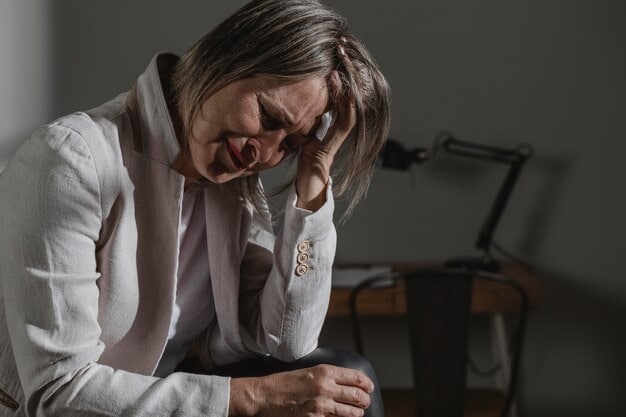
The worst flare did not arrive like a dramatic thunderstorm with warning signs and flashing lights. It slipped in quietly, then took over everything like it had paid rent.
By the time my body made it clear that enough was enough, even the smallest tasks felt enormous, and every ordinary thing suddenly had a price tag attached to it.
Disclaimer: This article is for personal reflection and general information only, not medical advice. Fibromyalgia affects people differently, so always speak with your doctor about symptoms, treatment, or worsening pain.

The Day My Body Forced Me To Listen
The hardest lesson was not the pain itself. It was the fact that my body had been whispering for a long time, and I kept acting like whispers were not important. That flare did not come out of nowhere, even though it felt that way in the moment.
What looked like “just tiredness” had been building for days. What looked like “a little stiffness” had been turning into full-body resistance. What looked like “I can manage” was really my body begging me to sit down before it sat me down.
Fibromyalgia has a sneaky way of making you believe you can push through one more thing. Then one more thing becomes five more things, and suddenly your body is not asking anymore. It is commanding.
That was the moment I stopped thinking of flares as random punishment. They are often the bill that arrives after too much pushing, too much stress, too little rest, and too many ignored warning signs. The body keeps score even when the mind is busy making excuses.
What A Severe Flare Really Feels Like
A bad fibromyalgia flare is not “feeling a little off.” It can feel like your muscles have turned into wet cement and your nerves are arguing with every nerve ending in the building. Even breathing can feel like work when the chest, back, and ribs decide to join the protest.
Pain is only one piece of it. The fatigue can be so heavy that it feels older than exhaustion, deeper than sleepiness, and meaner than plain tiredness. Add brain fog to the mix, and even simple thoughts can wander off like they forgot where they were going.
That was the part that shocked me most. The flare did not just hurt my body, it shrank my world. It made answering texts feel difficult, showering feel like a project, and getting dressed feel like an accomplishment worthy of applause.
Fibromyalgia is cruel that way. It does not always announce itself with one big symptom. It often arrives as a pileup of smaller ones until the whole thing tips over.
The First Lie I Had To Unlearn
The first lie was that resting meant failing. That one had been planted so deeply that I almost treated rest like a bad habit instead of a necessity. I thought I was being strong when I ignored the warning signs, but really I was being stubborn with a side of denial.
There is a strange kind of pride that comes with chronic illness. You want to be the person who still gets things done, still shows up, still smiles through it, still looks “fine” on the outside. The problem is that looking fine and being fine are not the same thing, and fibromyalgia does not reward performance.
The flare taught me that rest is not a reward for finishing everything. Rest is part of the treatment plan, even when the plan is homemade and imperfect. Rest is not giving up; it is refusing to make the crash worse.
That was not easy to accept. It felt uncomfortable at first, almost like I was breaking an unspoken rule. Then I realized the rule was hurting me, and any rule that turns survival into a competition deserves to be challenged.
The Body Keeps Score In Ways People Cannot See
One of the hardest parts of fibromyalgia is the invisibility. People see you standing, smiling, talking, maybe even laughing, and assume the worst must be over. They do not see the part where your body is using every ounce of energy just to keep the appearance going.
That invisible burden is exhausting in its own special way. You can be in pain and still look functional, and that combination confuses people who think suffering has to be obvious to be real. It also confuses the person living in the body, because you start questioning your own limits.
During the worst flare, I learned that invisible pain deserves visible respect. Just because the outside is not falling apart does not mean the inside is doing well. Just because the face is calm does not mean the body is calm.
That truth changed how I moved through the day. I started treating my symptoms as facts instead of suggestions. The pain did not need to be dramatic to be serious.
What I Stopped Doing
The flare forced me to stop several habits that had been quietly draining me for years. Some of them were physical habits, and some were emotional ones. Either way, they had to go.
I stopped pretending every invitation needed a yes. I stopped overexplaining why I was tired, because not everyone deserves a speech before they deserve the truth. I stopped treating my “good days” like emergencies where everything had to happen at once.
A few other things had to be cut back too.
- Saying yes out of guilt
- Pushing through pain just to prove something
- Comparing my body to healthier people
- Cleaning, working, and moving like nothing was wrong
- Ignoring the first sign of a flare because “it might pass”
These changes did not make life perfect. They made life possible.
Fibromyalgia has a way of demanding honesty. Once the body starts protesting, pretending becomes expensive. At some point, the only wise response is to stop negotiating with a system that has already made its decision.
What Helped More Than Anything
The worst flare did not magically disappear because I wished it away. It improved when I started respecting the way my body actually works instead of the way I wanted it to work. That made a bigger difference than the dramatic pep talks I used to give myself.
What helped most was not one miracle thing. It was a small collection of gentle, repeated choices that lowered the pressure on my system. Tiny adjustments mattered more than heroic efforts.
Here is what helped:
- Resting before I crashed
Waiting until the body screamed only made recovery harder. Resting earlier gave me a better chance of softening the flare. - Cutting the day into smaller pieces
Thinking in hours instead of entire days made things feel less impossible. A whole day can feel crushing, but one hour is more manageable. - Lowering stimulation
Less noise, less light, less rushing, less chaos. My nervous system needed quiet more than it needed productivity. - Using heat and comfort care
Warm blankets, heating pads, and slow stretching did not erase the flare, but they made my body feel less like it was under attack. - Accepting help sooner
Help is easier to use before pride gets involved. The sooner I stopped trying to be the hero, the sooner I started feeling human again.
These things were not glamorous. They were not the kind of advice that gets shared because it sounds impressive. They were practical, boring, and deeply effective.
The Emotional Side Was Just As Hard
Pain is draining. Grief is draining. Frustration is draining. A flare can turn all three into roommates who refuse to leave.
The emotional part surprised me because it showed up wearing ordinary clothes. At first it looked like irritability. Then it turned into sadness, and then into a strange kind of helplessness that felt heavier than tears. Living with fibromyalgia can make emotions sharper, louder, and harder to sort out.
That flare taught me not to separate the body from the heart. When the body hurts, the emotions often hurt too. When sleep disappears, patience disappears. When energy disappears, hope can wobble a little before it steadies itself again.
That does not mean weakness. It means the experience is real. It means chronic pain asks the whole person to participate, not just the muscles and nerves.
The Day I Realized Slow Is Not Lazy
That was a big one. I used to think moving slowly meant I was falling behind, and falling behind meant I was failing. The flare stripped that belief down to the bones and left me with something more honest.
Slow is not lazy. Slow is strategic. Slow is often the only reason the day keeps going at all.
There is a difference between doing nothing and doing what your body can tolerate. Fibromyalgia does not always allow fast, and trying to force speed into a body that is asking for gentleness is a good way to invite more pain. The worst flare made that impossible to ignore.
Once I accepted that, everything changed a little. My pace became less about guilt and more about sustainability. That may not sound exciting, but it is the kind of wisdom that keeps a person upright.

The Power Of Saying “Not Today”
There is a quiet kind of strength in refusing to negotiate with a flare. Not every plan deserves to survive contact with a bad symptom day. Not every expectation deserves to be honored just because it was written down earlier.
The phrase “not today” became a small lifeline. Not today for the extra chore. Not today for the unnecessary errand. Not today for the conversation that would drain me dry. Not today for the version of myself that expected too much from a body already in battle.
That phrase is not defeat. It is preservation. It is the adult version of knowing when to stop touching a hot stove.
Fibromyalgia teaches you to separate urgency from importance. Many things feel urgent because they are inconvenient. Very few things are truly important enough to cost your health.
What I Learned About Relationships
A severe flare tells you a lot about the people around you. Some people step closer. Some people step back. Some people ask questions that sound kind, and some people ask questions that make it obvious they do not understand chronic pain at all.
That was painful in its own way. The illness was already isolating, and the wrong kind of response made the isolation feel louder. But the flare also revealed who had patience, who had empathy, and who was willing to care without demanding a performance in return.
I learned that support is not always dramatic. Sometimes support is a quiet text, a flexible plan, a soft voice, or someone saying, “Do not worry about it. Rest first.” Those simple things carry more weight than grand speeches.
I also learned that not everyone will understand. That used to hurt more than it does now. After the worst flare, I realized understanding is not a requirement for compassion, and compassion is what matters most.
The Mindset Shift That Changed Everything
At some point, I stopped asking, “How do I beat this?” That question made fibromyalgia sound like a battle I could win by sheer force, and that was never realistic. The better question was, “How do I live with this without making it worse?”
That shift changed everything. It moved me from war mode into management mode. It made room for patience, planning, and self-respect.
Fibromyalgia is not a condition you bully into submission. It is a condition you learn to navigate with care, observation, and humility. The body does not respond well to arrogance, especially when the nervous system is already oversensitive and overwhelmed.
The moment I stopped trying to conquer my body, I started listening to it. That was not surrender. That was wisdom wearing comfortable shoes.
Little Things That Became Big Deals
During the worst flare, tiny things became very important. A glass of water. A quiet room. A clean pillowcase. Five uninterrupted minutes. A pain level that was “bad but not worse.”
That kind of life teaches you to appreciate small mercies. A decent night of sleep starts to feel like a holiday. A shower can feel like a victory. A day with less pain can feel almost luxurious.
The world does not always understand that scale. People think relief should be dramatic to matter. They do not realize that for someone in a flare, a tiny bit of relief can feel like a miracle.
That is one of the strange gifts hidden inside chronic illness. It makes gratitude smaller and sharper at the same time. You stop waiting for perfect conditions to feel thankful.
What I Would Tell Someone In The Middle Of A Bad Flare
The first thing I would say is this: do not fight your body like it is the enemy. It is already doing enough. The second thing I would say is that you are not weak because this hurts more than you expected.
I would also say to stop chasing normal for one day and focus on tolerable. Normal can wait. Tolerable is the real target when the body is in rebellion. No award is handed out for suffering quietly and pretending nothing is wrong.
The final thing I would say is to be gentle with yourself. Not performatively gentle. Actually gentle. The kind of gentle that lowers the volume, lowers the pressure, and lowers the shame.
Practical Lessons I Still Use
The worst flare left me with habits that I still rely on today. They are not complicated, and that is exactly why they work. Fibromyalgia already makes life complicated enough.
A few lessons stayed with me:
- Never ignore early warning signs
- Pace before exhaustion, not after
- Protect sleep like it matters, because it does
- Keep expectations flexible
- Use help without guilt
- Treat low-energy days with respect
- Do not waste energy proving you are sick
That last one deserves its own spotlight. Too many people with invisible illness exhaust themselves trying to convince the world. The energy spent proving pain is energy that could go toward healing, resting, or simply surviving the day.
The Quiet Confidence I Gained
Strangely enough, the worst flare gave me something back. Not comfort, and definitely not a cure, but confidence of a different kind. I became more certain about my limits, more honest about my needs, and less interested in pretending for people who would never understand anyway.
That kind of confidence is quiet. It does not need applause. It shows up when I say no without apologizing five times. It shows up when I rest before collapse. It shows up when I choose healing over image.
Fibromyalgia takes a lot. It can drain energy, patience, plans, and peace. But it cannot take away the fact that a person can learn, adapt, and become wiser through the wreckage.
Frequently Asked Questions
What Is A Fibromyalgia Flare?
A fibromyalgia flare is a period when symptoms get much worse than usual. Pain, fatigue, brain fog, stiffness, sleep problems, and emotional strain can all become more intense at the same time.
How Long Can A Fibromyalgia Flare Last?
It varies from person to person. Some flares last a few hours, others last several days or longer, especially if stress, overexertion, poor sleep, or illness keeps the nervous system irritated.
What Usually Triggers A Fibromyalgia Flare?
Common triggers can include stress, lack of sleep, overdoing physical activity, weather changes, illness, emotional strain, and schedule disruption. Sometimes the trigger is obvious, and sometimes it feels annoyingly mysterious.
Should I Push Through A Flare?
Pushing through usually makes things worse. Gentle movement may help some people, but forcing the body to perform like nothing is wrong often leads to a bigger crash later.
What Helps Most During A Bad Flare?
Rest, reduced stimulation, hydration, gentle heat, pacing, medication if prescribed, and asking for help can all make a difference. The best approach is usually the one that lowers pressure on the body instead of adding to it.
When Should I Talk To A Doctor?
Any major change in symptoms, unusually severe pain, chest pain, numbness, fainting, or a flare that feels different from your normal pattern should be discussed with a doctor. Fibromyalgia can overlap with other conditions, so it is important not to assume everything is “just a flare.”
Final Thoughts
The worst fibromyalgia flare changed the way I think about pain, rest, and survival. It taught me that the body is not trying to ruin my life, but it is absolutely demanding that I stop ignoring it. That lesson was painful to learn, but it was worth learning.
What I carry now is not perfection. It is awareness. It is a deeper respect for my limits, a softer way of speaking to myself, and a refusal to treat chronic illness like a character flaw.
Fibromyalgia still has its ugly days. It still brings fatigue, aches, fog, and frustration without invitation. But after the worst flare, I finally understood something important: surviving well is not about doing everything. It is about doing what my body can hold, and letting that be enough.