
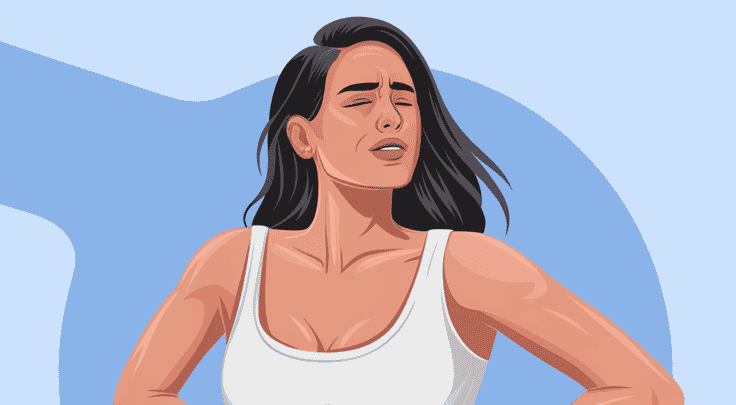
Sciatica can be confusing and painful, but understanding its causes, symptoms, and treatment options can empower you to take control of your health. Whether you’ve experienced shooting leg pain or are just curious about sciatica, this guide will walk you through everything you need to know.
From home remedies to professional treatments and lifestyle tips, we’ve compiled the essential facts to help you move toward a pain-free life.
Let’s explore how to ease sciatic discomfort, improve posture and mobility, and know when to seek expert help.
1. The Sciatic Nerve: Your Body’s Superhighway
The sciatic nerve is the longest and widest nerve in your body. It starts in your lower back, runs through your buttocks, and extends down each leg. When you hear “sciatica,” it usually refers to pain following this nerve’s path.
- Key Points:
- Anatomy: The nerve is formed from five nerve roots (L4 to S3) that merge into a single bundle.
- Function: It transmits signals between your lower body and your brain, playing a major role in sensation and movement.

2. What Causes Sciatica?
Sciatica is not a disease but a symptom of an underlying issue. Several conditions can irritate or compress the sciatic nerve, causing pain that travels from the lower back to the legs.
- Common Causes:
- Herniated Disc: When the soft inner core of a spinal disc bulges out, it can press on the nerve.
- Spinal Stenosis: Narrowing the spaces in your spine can squeeze the nerve roots.
- Spondylolisthesis: A condition where one vertebra slips forward over the one below it.
- Piriformis Syndrome: The piriformis muscle in the buttocks can spasm or tighten, compressing the nerve.
- Injury or Trauma: A fall, accident, or heavy lifting can trigger nerve irritation.
Friendly Reminder: Sometimes, lifestyle factors such as poor posture or lack of exercise may contribute to the condition over time.
3. Recognizing the Symptoms: Is It Sciatica?
Knowing the symptoms of sciatica can help you identify the condition early and take appropriate steps for relief. Sciatica can vary in intensity, and while it’s most commonly felt on one side, it can sometimes affect both legs.
Common Symptoms Include:
- Lower Back Pain: Often mild but can be sharp.
- Buttock and Leg Pain: Shooting, burning, or aching pain along the back of the leg.
- Tingling or Numbness: A pins-and-needles sensation in the leg or foot.
- Muscle Weakness: Difficulty moving the leg or foot, especially when standing on tiptoes.
- Worsening Pain increases with prolonged sitting, sneezing, or coughing.
Quick Reference Table:
| Symptom | What It Means |
|---|---|
| Lower back pain | May signal initial nerve irritation in the lumbar region. |
| Radiating leg pain | Indicates nerve compression, especially from a herniated disc or stenosis. |
| Tingling/numbness | Suggests altered nerve signaling along the sciatic pathway. |
| Muscle weakness | Can mean nerve damage or significant compression. |
Tip: If your symptoms worsen or include severe weakness or loss of bladder control, it’s important to seek medical help immediately.
4. Top 5 Home Remedies to Ease Sciatic Pain
Most episodes of sciatica resolve with simple, at-home treatments. Here are five practical remedies to help ease the pain and encourage recovery:
- Gentle Stretching:
- Why: Stretching can relieve tight muscles and reduce pressure on the sciatic nerve.
- How: Focus on stretches that target your lower back, hamstrings, and piriformis muscle.
- Example: The knee-to-chest stretch can relax your lower back and improve mobility.
- Heat and Cold Therapy:
- Cold: Apply an ice pack (wrapped in a towel) to the painful area for 15–20 minutes several times a day during the first few days.
- Heat: After 48–72 hours, switch to a heating pad to promote blood flow and relax muscles.
- Over-the-Counter Pain Relief:
- Medications: NSAIDs like ibuprofen or naproxen can reduce inflammation and provide pain relief.
- Note: Always follow dosing instructions and consult your doctor if you have concerns.
- Maintaining Activity:
- Why: Staying active prevents muscles from becoming stiff and weak.
- How: Engage in light activities such as walking or swimming. Avoid prolonged bed rest.
- Mindfulness and Relaxation Techniques:
- Practice: Techniques such as deep breathing or meditation can help manage the pain by reducing muscle tension and stress.
5. When to Seek Professional Help
While many cases of sciatica improve with home care, some symptoms indicate that it’s time to see a healthcare professional:
- Red Flags:
- Severe Pain: Intense pain that does not improve with rest or home remedies.
- Neurological Deficits: Numbness or muscle weakness, especially if it affects your walking ability.
- Loss of Bladder or Bowel Control: This could signal a serious condition like cauda equina syndrome.
- Pain Following Trauma: Injury-related sciatica may need immediate attention.
Action Step: If you experience any of these warning signs, schedule an appointment with your doctor or a specialist in orthopedics or neurology.
6. Lifestyle Habits That May Prevent Sciatica
Adopting healthy habits can go a long way in preventing sciatica or reducing its frequency and intensity:
- Regular Exercise:
- Focus: Strengthen your core muscles (abdominals and lower back) to support your spine.
- Tip: Activities like yoga, Pilates, or low-impact aerobics are excellent choices.
- Maintain Good Posture:
- When Sitting: Use chairs with proper back support and avoid slouching.
- When Lifting: Always lift with your legs, not your back.
- Ergonomic Work Environment:
- At Your Desk: Ensure that your workstation is set up to minimize strain on your back. Use ergonomic chairs and consider a standing desk if possible.
- Weight Management:
- Impact: Excess weight can put additional pressure on your spine and nerves.
- Approach: Maintain a balanced diet and incorporate regular physical activity.
- Stress Reduction:
- Why: Stress can increase muscle tension and exacerbate pain.
- How: Try relaxation techniques like meditation or deep breathing exercises.
Table: Lifestyle Tips to Prevent Sciatica
| Habit | Benefit |
|---|---|
| Regular Exercise | Strengthens core muscles and improves flexibility. |
| Good Posture | Reduces spinal strain and prevents nerve compression. |
| Ergonomic Setup | Minimizes strain during work and daily activities. |
| Weight Management | Lessens pressure on the back and spine. |
| Stress Reduction | Lowers muscle tension and reduces pain flare-ups. |

7. Exercise & Stretching Routines for Sciatica Relief
Incorporating targeted exercises and stretches into your daily routine can help alleviate sciatica symptoms and improve your overall mobility. Here are a few examples:
Recommended Exercises:
- Bird-Dog Exercise:
- How-To: Start on all fours. Extend your left arm and right leg simultaneously while keeping your core engaged. Hold for a few seconds, then switch sides.
- Benefits: Enhances core stability and improves balance.
- Glute Bridge:
- How-To: Lie on your back with your knees bent. Lift your hips off the floor by pressing through your heels. Hold for a few seconds before lowering.
- Benefits: Strengthens the glutes and lower back muscles, reducing pressure on the sciatic nerve.
- Knee-to-Chest Stretch:
- How-To: Lie on your back and pull one knee towards your chest. Hold the stretch for 20–30 seconds and repeat on the other side.
- Benefits: Relieves tension in the lower back and hips.
- Piriformis Stretch:
- How-To: Sit on the floor with your legs extended. Cross one leg over the other, placing your foot flat on the floor near the opposite knee. Gently twist your torso towards the crossed leg.
- Benefits: Targets the piriformis muscle, often responsible for compressing the sciatic nerve.
Important Note:
Always perform these exercises gently. If any movement causes sharp or increasing pain, stop immediately and consult your doctor or physical therapist.
8. Medical Treatments: Options Beyond Home Remedies
For some individuals, home remedies alone might not be enough. If symptoms persist, consider these professional treatment options:
- Physical Therapy:
- Overview: A physical therapist can design a personalized exercise program that improves flexibility, strengthens supporting muscles, and reduces nerve compression.
- Duration: Programs usually run for several weeks to achieve lasting results.
- Medications:
- Types: NSAIDs, muscle relaxants, and sometimes prescription pain relievers can help manage inflammation and discomfort.
- Consideration: Always use medications as directed by your healthcare provider.
- Epidural Steroid Injections:
- When Needed: If pain is severe and unresponsive to other treatments.
- How They Work: Injections reduce inflammation around the nerve roots, providing temporary relief.
- Surgical Options:
- Last Resort: In cases where conservative treatments fail or if you have significant neurological deficits.
- Procedures: A microdiscectomy or laminectomy may be performed to relieve the pressure on the sciatic nerve.
Tip:
Discuss all treatment options with your healthcare provider to determine the most appropriate strategy based on your condition.
9. Success Stories: Real People, Real Relief
Hearing about others who have overcome sciatica can be incredibly motivating. Many people find that combining lifestyle changes, exercise, and professional treatments leads to lasting relief.
- Testimonial Example:
“I struggled with sciatica for months. My pain was significantly reduced after incorporating daily stretching, improving my posture at work, and attending physical therapy sessions. I can now enjoy long walks and even play with my grandchildren without constant discomfort.”
– A satisfied patient - Insight:
These success stories highlight that while sciatica can be challenging, a proactive approach can lead to meaningful improvement and a return to an active, fulfilling life.
10. Empower Yourself: Next Steps to a Pain-Free Life
Taking charge of your health starts with small, informed steps. Here are some actionable next steps to help you move toward a life free of sciatica pain:
- Keep a Pain Diary:
Track your symptoms, noting what activities or remedies seem to help or worsen your pain. This information can be invaluable when discussing your condition with a healthcare provider. - Educate Yourself:
Read up on sciatica, its causes, and treatment options. The more you know, the better prepared you’ll be to make decisions about your care. - Stay Active:
Even when pain is present, gentle movement is key to recovery. Find low-impact activities you enjoy, whether it’s walking, swimming, or yoga, and make them part of your routine. - Follow Up:
If home remedies and initial treatments aren’t giving you enough relief, don’t hesitate to seek professional help. Early intervention can prevent further complications. - Join a Community:
Look for support groups online or in your local community where you can share experiences and tips with others who understand what you’re going through.
Call to Action:
Empower yourself by taking small steps each day. Whether it’s adjusting your desk chair, trying a new stretch, or scheduling a check-up, every action you take is a step toward a more comfortable, active life.
Frequently Asked Questions
Q1: What exactly is sciatica?
A: Sciatica is nerve pain that follows the path of the sciatic nerve—from the lower back down to the leg—typically caused by nerve compression or irritation.
Q2: How can I tell if my leg pain is due to sciatica?
A: Look for pain that starts in your lower back or buttocks and radiates down the back of your leg, often accompanied by tingling, numbness, or muscle weakness.
Q3: Are home remedies effective for treating sciatica?
A: Yes, many people find relief using gentle stretches, heat/ice therapy, and over-the-counter pain medications. However, persistent or severe pain should be evaluated by a doctor.
Q4: When should I seek professional help for sciatica?
A: If your pain is severe, if you experience muscle weakness, numbness, or loss of bladder or bowel control, or if home remedies do not improve your symptoms within a few weeks, consult a healthcare provider.
Q5: Can lifestyle changes help prevent future sciatica flare-ups?
A: Absolutely! Regular exercise, good posture, weight management, and stress reduction can all help prevent sciatica or reduce the frequency of flare-ups.
Conclusion
Understanding sciatica is the first step toward effective pain relief. By learning about the causes, symptoms, and treatment options—from simple home remedies to professional interventions—you empower yourself to take control of your health.
Remember, every small step, from a daily stretch to a visit to your doctor, contributes to a more active, comfortable life. Share these insights with friends and family, and let’s spread the word about managing sciatica for a better quality of life.
Feel free to save, share, and pin this guide as a handy reference whenever you need help managing sciatic nerve pain. Your journey to a pain-free life starts with knowledge and the right steps!
