
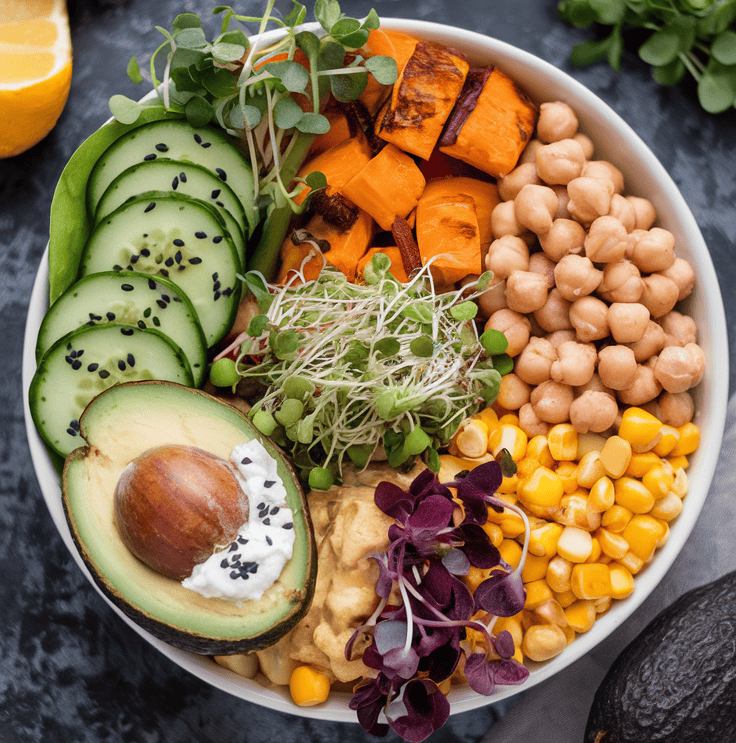
Healing your gut is one of the most effective ways to boost your overall health. A well-balanced gut not only aids digestion but also supports immunity, mental clarity, and long-term well-being.
In this article, we dive into 12 powerhouse foods that can help soothe and repair your gut naturally.
Whether you’re new to the concept of gut health or looking to optimize your diet further, this guide provides practical tips, engaging details, and even a handy comparison table to help you choose the right foods.
Let’s explore these gut-friendly options in a friendly, informative, and no-fluff way.

1. Yogurt
Yogurt is a classic gut-healing food thanks to its rich probiotic content. Probiotics are beneficial bacteria that help balance the gut microbiome, aid digestion, and reduce inflammation.
Choose full-fat, plain yogurt with live, active cultures to maximize the benefits without the unnecessary sugars that can disrupt your gut balance.
Why It’s Great:
- Probiotic Power: Provides a diverse range of friendly bacteria.
- Digestive Support: Enhances digestion and nutrient absorption.
Tips:
- Yogurt can be used as a base for smoothies or enjoyed with a sprinkle of chia seeds and berries for an energizing breakfast.
2. Sauerkraut
Sauerkraut, the fermented cabbage, is not only tangy and flavorful but also loaded with probiotics. Its natural fermentation process increases the availability of nutrients and beneficial enzymes that support a healthy gut flora.
Why It’s Great:
- Rich in Probiotics: Offers a natural source of live bacteria.
- Antioxidant Properties: Contains vitamins C and K to bolster immune function.
Tips:
- Add a spoonful of sauerkraut to your salads or as a side to your meals for an extra probiotic kick.
3. Kimchi
Kimchi, a staple in Korean cuisine, is a spicy fermented mix of vegetables that can revitalize your digestive system. It introduces healthy bacteria to your gut and offers powerful antioxidants and vitamins.
Why It’s Great:
- Boosts Gut Health: Supports digestion and strengthens your immune system.
- Versatile Flavor: This can be enjoyed on its own, in rice bowls, or as a topping on tacos.
Tips:
- If you’re new to kimchi, start with a small portion and gradually increase as your taste buds and gut adjust to the spice.
4. Bone Broth
Bone broth is a nutrient-dense liquid packed with collagen, gelatin, and amino acids that are crucial for healing the gut lining.
These compounds help repair and seal the intestinal wall, reducing symptoms of leaky gut syndrome and inflammation.
Why It’s Great:
- Gut Lining Repair: Aids in rebuilding and sealing the intestinal barrier.
- Nutrient-rich: Provides essential minerals and amino acids.
Tips:
- Sip on a warm cup of bone broth as a mid-day snack or use it as a base for soups and stews to seamlessly incorporate its benefits into your diet.
5. Garlic
Garlic is a powerhouse food with prebiotic properties that nourish the beneficial bacteria in your gut. It also contains antimicrobial and anti-inflammatory compounds, which can help maintain a balanced gut environment.
Why It’s Great:
- Prebiotic Benefits: Feeds healthy bacteria, ensuring a flourishing gut microbiome.
- Flavor Enhancer: Adds a robust taste to a variety of dishes.
Tips:
- Use garlic in your cooking to enhance flavor while promoting gut health—roasted garlic can be especially gentle on the stomach if raw garlic feels too strong.
6. Asparagus
Asparagus is high in inulin, a type of prebiotic fiber that helps stimulate the growth of beneficial gut bacteria. This nutrient not only aids in digestion but also supports overall metabolic health.
Why It’s Great:
- High in Fiber: Improves digestion and promotes regularity.
- Prebiotic Effect: Enhances the growth of beneficial gut bacteria.
Tips:
- Enjoy asparagus steamed, roasted, or even lightly grilled. Pair it with olive oil and lemon drizzle for a refreshing side dish.
7. Apples
Apples are fiber-rich fruits, particularly due to their high pectin content, which works wonders in feeding your gut’s friendly bacteria. Pectin also helps in regulating bowel movements and preventing constipation.
Why It’s Great:
- Soluble Fiber: Supports a healthy digestive tract by feeding good bacteria.
- Versatile: Can be eaten raw, baked, or blended into smoothies.
Tips:
- Keep an apple handy as a portable snack or chop it up and add it to your morning oatmeal for an extra fiber boost.
8. Lentils
Lentils are an excellent source of plant-based protein and dietary fiber, including prebiotics that foster the growth of healthy gut bacteria. They’re also rich in essential minerals and vitamins that support overall health.
Why It’s Great:
- High Fiber Content: Helps maintain regular bowel movements and nourishes beneficial bacteria.
- Nutrient-Dense: Provides protein, iron, and folate, contributing to overall well-being.
Tips:
- Incorporate lentils into soups, stews, salads, or even as a hearty base for vegetarian dishes to enjoy their gut-healing benefits.
9. Chia Seeds
Chia seeds are tiny nutritional powerhouses, brimming with soluble fiber that promotes healthy digestion. When soaked, they form a gel-like consistency that can help regulate bowel movements and maintain a balanced gut flora.
Why It’s Great:
- High in Fiber: Supports digestion and prevents constipation.
- Omega-3 Rich: Provides anti-inflammatory benefits that soothe the gut.
Tips:
- Sprinkle chia seeds over yogurt, blend them into smoothies, or prepare chia pudding for a delicious, nutrient-packed snack.
10. Fatty Fish (Salmon)
Fatty fish such as salmon is an excellent source of omega-3 fatty acids, which have potent anti-inflammatory properties. These fats help reduce inflammation in the gut and support the repair of intestinal tissues.
Why It’s Great:
- Anti-Inflammatory: Omega-3s help calm inflammation and promote healing.
- High-Quality Protein: Essential for tissue repair and overall health.
Tips:
- Aim to enjoy fatty fish like salmon at least twice a week, whether grilled, baked, or even poached, to maximize its gut-healing benefits.
11. Oats
Oats are a versatile grain known for their high beta-glucan content—a type of soluble fiber that feeds beneficial gut bacteria. They also help regulate blood sugar levels and provide sustained energy.
Why It’s Great:
- Soluble Fiber: Aids digestion and supports a healthy gut microbiome.
- Heart-Healthy: Beta-glucan in oats is linked to reduced cholesterol levels.
Tips:
- Start your day with a warm bowl of oatmeal topped with fruits and a dash of cinnamon. It’s a comforting and nutritious breakfast.
12. Avocado
Avocados are rich in healthy monounsaturated fats and fiber, making them ideal for gut health. Their creamy texture makes them a versatile ingredient in salads, smoothies, and even toast.
Why It’s Great:
- Fiber-Rich: Helps maintain healthy digestion and regular bowel movements.
- Healthy Fats: Monounsaturated fats support cellular repair and reduce inflammation.
Tips:
- Slice avocado onto your favorite salads or blend it into a smoothie for a nutritious boost. Its subtle flavor pairs well with both savory and sweet dishes.
Quick Reference Table: Gut-Healing Foods Comparison
| Food | Key Benefits | Best Ways to Enjoy |
|---|---|---|
| Yogurt | Probiotics for gut balance, improved digestion | In smoothies, with berries, or on its own |
| Sauerkraut | Rich in probiotics and antioxidants | As a side dish or salad topping |
| Kimchi | Boosts digestion, high in antioxidants | As a spicy side, topping for rice bowls |
| Bone Broth | Heals gut lining, anti-inflammatory | Sipped as a warm broth, used in soups |
| Garlic | Prebiotic effects support immune function | In cooking for flavor enhancement |
| Asparagus | High in inulin, it aids in digestion | Steamed, roasted, or grilled |
| Apples | Rich in pectin, it aids bowel regularity | Raw, baked, or in smoothies |
| Lentils | High fiber and protein support gut flora | In soups, stews, or salads |
| Chia Seeds | Soluble fiber for digestion, omega-3 content | In yogurt, smoothies, or pudding |
| Fatty Fish | Omega-3 fatty acids reduce inflammation, high protein | Grilled, baked, or poached |
| Oats | Beta-glucan promotes gut bacteria, heart-healthy | As oatmeal or added to baked goods |
| Avocado | Fiber-rich and packed with healthy fats | In salads, smoothies, or on toast |
Frequently Asked Questions (FAQs)
Q1: Why is gut health so important?
Gut health plays a critical role in overall wellness. A balanced gut aids in digestion, strengthens the immune system, improves mental clarity, and helps prevent chronic inflammation. When your gut is in top shape, your body is better equipped to absorb nutrients and ward off infections.
Q2: How do probiotics help my gut?
Probiotics are live microorganisms that add balance to your gut microbiome. They help break down food, synthesize vitamins, and combat harmful bacteria. Including probiotic-rich foods like yogurt, sauerkraut, and kimchi in your diet can significantly improve digestive health.
Q3: Are fermented foods safe for everyone?
Most people benefit from fermented foods, but if you have a compromised immune system or specific digestive conditions, consult with a healthcare provider before making significant dietary changes. Start with small portions and gradually increase the quantity to see how your body reacts.
Q4: What is the best way to introduce these gut-healing foods into my diet?
Start slowly by incorporating one or two foods into your meals each week. For example, add a serving of yogurt or a small bowl of bone broth to your daily routine. Gradually experimenting with these foods allows your digestive system to adjust, and you’ll soon notice improvements in your gut health.
Q5: Can these foods help with conditions like IBS or leaky gut?
Many of these foods can help alleviate symptoms of IBS and leaky gut syndrome by reducing inflammation and promoting a balanced microbiome. However, individual results may vary. Working with a healthcare professional to tailor dietary changes to your specific condition is important.
Q6: What if I do not like some of these foods?
Dietary preferences vary, and if you’re not a fan of a particular food, look for alternatives that provide similar benefits. For instance, try kefir or a dairy-free fermented alternative if you don’t enjoy yogurt. The key is maintaining variety to support a robust and diverse gut flora.
Q7: How soon can I expect to see improvements in my gut health?
Changes in gut health can vary from person to person. Some individuals notice improvements within a few weeks, while others may take longer. Consistency is key, so stick with your gut-healing foods and monitor your progress over time.
Conclusion
Your gut is the gateway to overall health; nourishing it with the right foods can bring transformative benefits.
By incorporating these 12 gut-healing foods—ranging from probiotic-rich yogurt and sauerkraut to fiber-packed apples and avocado—you’re giving your digestive system the tools it needs to thrive.
Remember, every small dietary change counts; consistency is the secret ingredient to lasting health improvements.
Take the time to experiment with these foods, find creative ways to include them in your meals, and enjoy the journey to a healthier gut.
Whether battling digestive issues or aiming for overall wellness, these foods offer a delicious and natural pathway to better health. Happy eating and healing!
x