
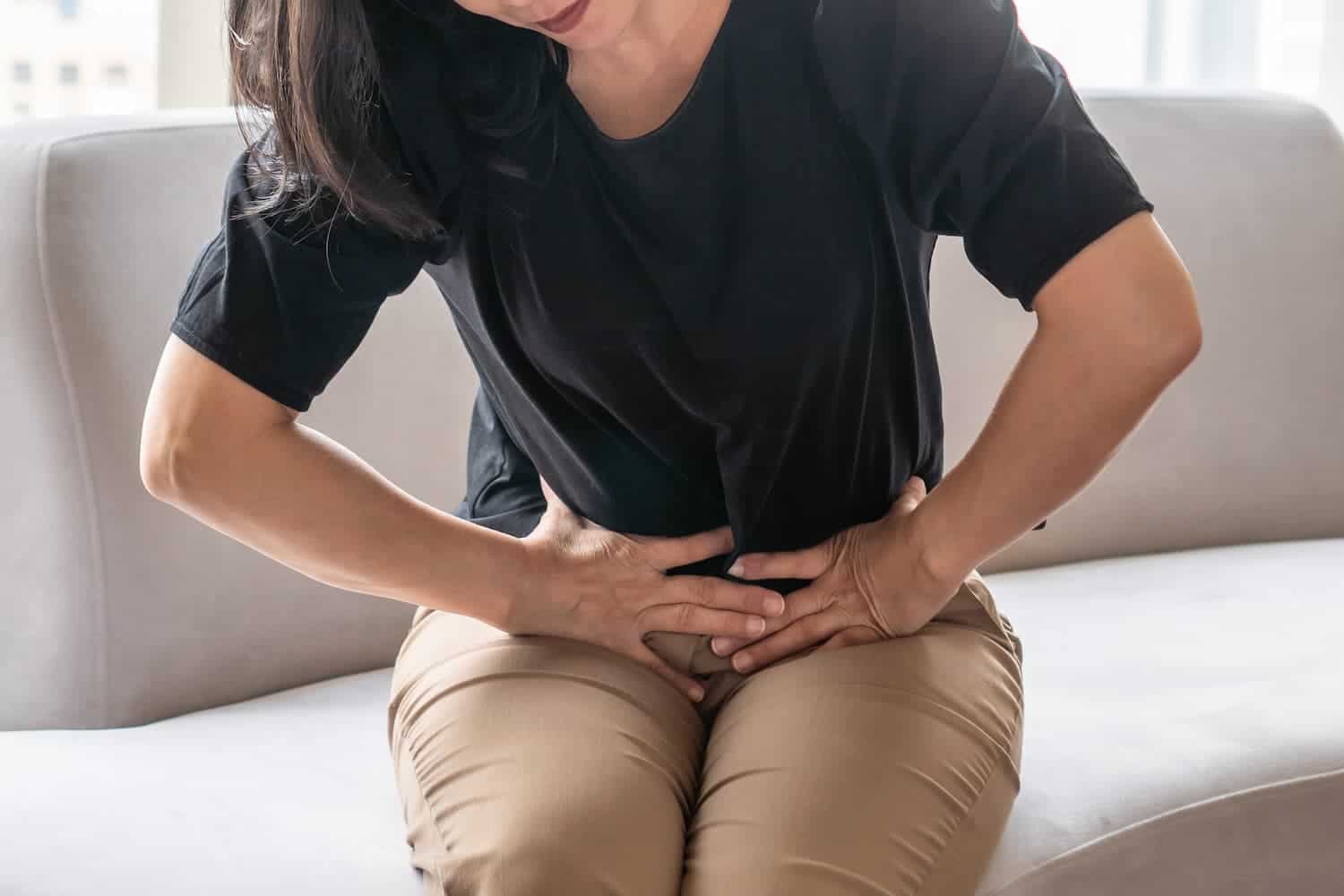
Fibromyalgia is a complex condition that causes widespread pain, fatigue, and other symptoms that can significantly impact daily life. Among the many symptoms people with fibromyalgia experience, pelvic pain is widespread yet often overlooked.
This article explores why pelvic pain is so prevalent in fibromyalgia patients, what causes it, and how it can be managed effectively.
Understanding Fibromyalgia and Its Impact on Pelvic Pain
Fibromyalgia is a chronic condition characterized by widespread musculoskeletal pain, fatigue, sleep disturbances, and cognitive issues.
While it can affect any part of the body, pelvic pain is a symptom that many people with fibromyalgia experience, particularly women.
The reason for this connection lies in the way fibromyalgia affects the body’s pain-processing mechanisms.
Fibromyalgia leads to heightened sensitivity to pain, known as central sensitization. This means the brain interprets standard sensory signals as pain, making even mild stimuli feel like intense discomfort.
As a result, pelvic pain—whether from muscle spasms, inflammation, or stress—can feel much worse for someone with fibromyalgia than for someone without the condition.
Pelvic pain in fibromyalgia patients often presents as deep, aching discomfort in the lower abdomen, groin, or pelvic region. This pain can be persistent or episodic and may be triggered by stress, physical activity, or specific hormonal changes.
Understanding that pelvic pain is not just a local issue but one influenced by fibromyalgia’s global effects on pain perception is essential for effective treatment.
The Link Between Central Sensitization and Pelvic Pain
Central sensitization plays a crucial role in why fibromyalgia patients experience heightened pelvic pain. This phenomenon occurs when the central nervous system (CNS) becomes overly sensitive to pain signals.
In fibromyalgia, the CNS processes sensory information differently, amplifying pain responses and causing the body to react more strongly to pain stimuli. This makes the pelvic region, along with other areas of the body, much more sensitive to pain than it would be in someone without fibromyalgia.
In simple terms, think of central sensitization as a faulty alarm system. Instead of only triggering when there’s a real threat, it goes off even with the slightest provocation.
For people with fibromyalgia, this means that pain signals from the pelvic area—which may be a result of muscle tightness, digestive issues, or other factors—are amplified.
This results in a more intense, prolonged sensation of pelvic pain, making it harder to manage.
Understanding central sensitization is vital because it explains why treatments that address pain perception, not just the physical cause, are essential for fibromyalgia patients.
Pelvic Floor Dysfunction and Its Role in Fibromyalgia
The pelvic floor consists of muscles, ligaments, and tissues that support the organs in the lower abdomen, including the bladder, uterus, and rectum. These muscles also significantly influence urinary and bowel control and sexual function.
For individuals with fibromyalgia, pelvic floor dysfunction is a common issue that can contribute significantly to pelvic pain. Dysfunction in these muscles is one of the primary causes of pelvic discomfort in fibromyalgia patients.
Pelvic floor dysfunction can result in a variety of symptoms, including urinary incontinence (leakage of urine), bowel incontinence, pelvic organ prolapse (where organs like the bladder or uterus drop from their normal position), and pain during sexual activity.
This dysfunction occurs because the pelvic floor muscles become tight or overactive, leading to muscle spasms and discomfort. The muscles may also weaken, contributing to issues with pelvic organ control and support.
Pelvic floor dysfunction is widespread in fibromyalgia patients due to the overlap between fibromyalgia and other conditions that affect the pelvic region, such as irritable bowel syndrome (IBS) and interstitial cystitis.
This dysfunction can make pelvic pain feel more intense and persistent, and it complicates the treatment process. Addressing pelvic floor health through physical therapy and other interventions is an essential part of managing pelvic pain in fibromyalgia.
Co-occurring Conditions That Exacerbate Pelvic Pain
Fibromyalgia does not occur in isolation—many individuals with fibromyalgia also have other conditions that can make pelvic pain worse. Two of the most common conditions associated with fibromyalgia that contribute to pelvic discomfort are irritable bowel syndrome (IBS) and endometriosis.
IBS is a digestive disorder that often affects fibromyalgia patients. It can cause symptoms such as bloating, diarrhea, constipation, and cramping, which can overlap with pelvic pain.
The connection between IBS and pelvic pain is well-documented, as the pelvic muscles and organs involved in digestion can become inflamed and tense, leading to additional discomfort.
Endometriosis, a condition where tissue similar to the uterine lining grows outside the uterus, is another condition frequently found in fibromyalgia patients.
This tissue can cause inflammation and pain, particularly during menstruation, and it often leads to deep pelvic pain. The hormonal changes that occur in individuals with fibromyalgia, particularly women, may exacerbate both endometriosis and fibromyalgia symptoms.
These overlapping conditions complicate the diagnosis and treatment of pelvic pain, as they often require separate management approaches. When treating pelvic pain in fibromyalgia patients, healthcare providers must consider these co-occurring conditions to develop an effective, comprehensive care plan.
The Role of Stress and Emotional Factors
Stress is a known trigger for fibromyalgia flare-ups, and it also plays a significant role in pelvic pain. For many individuals with fibromyalgia, anxiety and stress can amplify pain perception.
This is especially true when stress affects the pelvic region, leading to muscle tension, spasms, and increased pain sensitivity. Psychological factors, such as depression or anxiety, can further contribute to the intensity of pelvic pain, creating a vicious cycle where stress and pain feed into each other.
The impact of stress on fibromyalgia-related pelvic pain cannot be overstated. Managing stress is a key component of treatment for fibromyalgia, and it can help reduce pelvic discomfort.
Techniques such as mindfulness meditation, relaxation exercises, and cognitive behavioral therapy (CBT) are highly effective in breaking the cycle of stress and pain. These approaches help patients manage their emotional responses to pain, reduce anxiety, and improve overall well-being.
Hormonal Influence on Pelvic Pain in Fibromyalgia
Hormonal fluctuations are another factor that can worsen pelvic pain in fibromyalgia patients, particularly in women.
Fibromyalgia is more common in women, and the hormonal changes associated with menstruation, pregnancy, and menopause can significantly affect pain levels.
For instance, many women with fibromyalgia experience worsening symptoms around their menstrual cycle, as hormonal shifts can heighten pain sensitivity.
This hormonal influence can make pelvic pain more intense during menstruation or in conditions like endometriosis, where hormones exacerbate pelvic discomfort.
Understanding the connection between hormonal fluctuations and fibromyalgia pain is essential for managing pelvic pain effectively.
Hormonal therapy, along with other treatments aimed at regulating hormone levels, may help alleviate some of the pain and discomfort associated with these fluctuations.
Treatment Approaches for Managing Pelvic Pain in Fibromyalgia
Managing pelvic pain in fibromyalgia requires a multi-faceted approach, including medication, physical therapy, and lifestyle changes. Below are some of the most effective treatments for alleviating pelvic pain:
- Medication: Pain relievers like acetaminophen and naproxen can help reduce discomfort. Antidepressants (e.g., sertraline) and anticonvulsants (e.g., topiramate) are also commonly prescribed to address pain and mood symptoms. Targeted treatments like Low Dose Naltrexone (LDN) have also been shown to help reduce inflammation and manage pain.
- Physical Therapy: Pelvic floor physical therapy is highly effective in treating pelvic pain related to muscle dysfunction. Manual therapy and exercises can help relax tight muscles, improve strength, and relieve discomfort.
- Stress Management: Techniques like CBT, mindfulness, and relaxation exercises are crucial for managing stress, which can help reduce pelvic pain.
- Exercise: Gentle, low-impact exercises like walking, swimming, and yoga can help improve muscle strength and flexibility, reduce tension, and promote overall well-being.
FAQs
Q1: Can pelvic pain be a sign of something other than fibromyalgia?
A1: Yes, pelvic pain can be caused by other conditions, such as endometriosis, interstitial cystitis, or irritable bowel syndrome. However, for individuals with fibromyalgia, pelvic pain is often a result of central sensitization, where pain signals are amplified.
Q2: How can I manage pelvic pain without medication?
A2: Non-medication approaches, including physical therapy, stress management techniques (such as mindfulness or CBT), gentle exercises, and improving sleep quality, can be highly effective in managing pelvic pain.
Q3: Can hormonal treatments help with pelvic pain in fibromyalgia?
A3: Hormonal treatments may help some women with fibromyalgia manage pelvic pain significantly if their symptoms worsen due to hormonal fluctuations related to menstruation, pregnancy, or menopause.
Conclusion
Pelvic pain is a common and often debilitating symptom of fibromyalgia, influenced by a variety of factors, including central sensitization, pelvic floor dysfunction, co-occurring conditions, and stress.
A holistic, multidisciplinary approach to treatment—including medication, physical therapy, stress management, and exercise—can provide significant relief.
Understanding the connection between fibromyalgia and pelvic pain is crucial for developing effective treatment strategies and improving the quality of life for those affected.
