
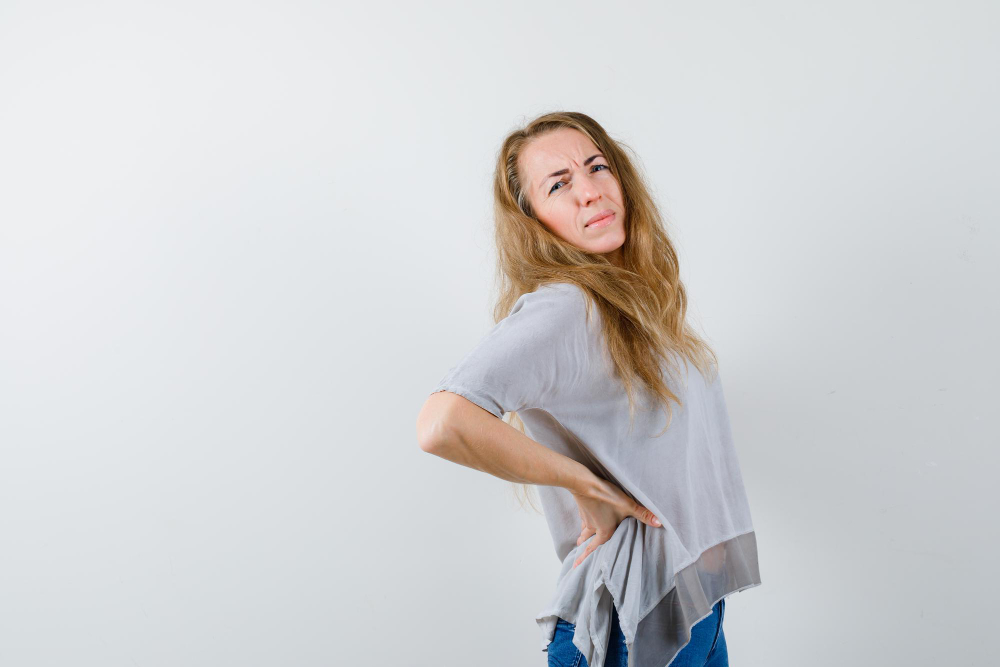
Every trip to the grocery store became a quiet negotiation between what needed to be done and what my body was willing to allow.
Walking through the aisles looked ordinary from the outside, yet every step carried a deep ache along the outside of my hip that made even standing in line feel exhausting.
Friends couldn’t see it, and I often smiled through it because explaining invisible pain felt harder than hiding it.
Finding out that gluteal tendinopathy was behind those stubborn aches didn’t erase the frustration, but it finally gave a name to what I had been experiencing. That understanding became the first small step toward feeling hopeful again.
Disclaimer: This article is for educational purposes only and should not replace medical advice from a qualified healthcare professional.

Why Women Over 40 Are More Likely to Develop Gluteal Tendinopathy
Gluteal tendinopathy is one of the most common causes of pain on the outside of the hip, especially in women over 40. It develops when the tendons that connect the gluteal muscles to the hip become irritated, weakened, or damaged over time.
Many women spend months believing they have arthritis, sciatica, or simply “getting older.” Receiving the correct diagnosis can finally explain why sleeping on one side, climbing stairs, or even walking has become uncomfortable.
What Is Gluteal Tendinopathy?
Gluteal tendinopathy affects the tendons of the gluteus medius and gluteus minimus muscles. These muscles play an important role in keeping your pelvis stable while walking, standing, and climbing stairs.
Think of these tendons as strong ropes connecting powerful muscles to your hip bone. After years of repeated use, those ropes can become irritated and less able to handle everyday loads.
Why Women Over 40 Face a Higher Risk
Women are naturally more likely than men to develop this condition. Several physical and hormonal changes begin to work together during midlife.
Instead of one single cause, gluteal tendinopathy usually develops from several smaller factors building up over many years.
Hormonal Changes Affect Tendon Health
Estrogen supports healthy tendons by helping maintain collagen, the protein that gives tendons their strength and flexibility. As estrogen levels decline during perimenopause and menopause, tendons may become less resilient.
Imagine an old elastic band that has slowly lost some of its stretch. It still works, but it cannot tolerate as much strain as it once could.
Changes in Muscle Strength
Muscle naturally declines with age if it is not regularly challenged through exercise. Weaker hip muscles force the tendons to absorb more stress during everyday movement.
That extra workload gradually becomes difficult for the tendons to manage. Small irritation can slowly grow into persistent discomfort.
Body Shape and Hip Mechanics
Women generally have wider hips than men. This changes the angle at which the gluteal tendons work during walking and standing.
That different angle places greater compression on the tendons around the hip. Over many years, repeated pressure can contribute to tendon irritation.
Years of Repetitive Movement
Everyday activities may seem harmless on their own. Together, thousands of repetitions over decades can gradually overload the tendons.
Common examples include:
- Walking long distances
- Climbing stairs
- Standing on one leg
- Carrying heavy shopping bags
- Running
- Hiking
- Gardening
- Household chores
None of these activities are harmful by themselves. Problems usually develop when the tendons have little time to recover.
Common Risk Factors
Several factors increase the likelihood of developing gluteal tendinopathy.
| Risk Factor | Why It Matters |
|---|---|
| Age over 40 | Tendons naturally become less resilient. |
| Menopause | Lower estrogen affects tendon health. |
| Weak hip muscles | Tendons carry more workload. |
| Sudden increase in exercise | Tendons may become overloaded. |
| Long periods of sitting | Hip muscles become less active. |
| Obesity | Places greater load on the hips. |
| Previous hip injuries | Tendons may already be vulnerable. |
| Poor movement patterns | Can increase tendon compression. |
How Gluteal Tendinopathy Feels
Many people expect tendon injuries to cause sharp pain only during exercise. Gluteal tendinopathy often behaves differently.
The discomfort can quietly interfere with ordinary daily life. Simple activities become surprisingly difficult.
Many women describe:
- Aching on the outside of the hip
- Tenderness when touching the hip
- Pain while lying on one side
- Pain after walking
- Difficulty climbing stairs
- Discomfort getting out of a chair
- Morning stiffness
- Pain after sitting for long periods
Many people also notice that the pain comes and goes. Good days may be followed by frustrating flare-ups without an obvious reason.
Why Sleeping Can Become Difficult
Nighttime is often when the discomfort feels strongest. Lying directly on the affected hip increases pressure on the irritated tendon.
Even lying on the opposite side may still stretch the painful tissues. Sleep becomes interrupted, leaving you tired before the day even begins.
Helpful strategies include:
- Place a pillow between your knees.
- Avoid lying directly on the painful side.
- Use a supportive mattress if possible.
- Change positions slowly.
- Avoid curling tightly into one side.
How Doctors Diagnose Gluteal Tendinopathy
Diagnosis usually begins with a detailed conversation about your symptoms. Your healthcare provider will also examine how your hip moves.
They may gently press on the outside of your hip to locate tenderness. Certain movements can help identify whether the gluteal tendons are involved.
Sometimes additional imaging is recommended.
| Test | Purpose |
|---|---|
| Physical examination | Evaluates pain and movement. |
| Ultrasound | Looks at tendon changes. |
| MRI | Shows tendon damage and surrounding tissues. |
| X-rays | Rules out arthritis or fractures. |
Conditions That Can Feel Similar
Hip pain has many possible causes. Getting the right diagnosis matters because treatments can differ.
Conditions that may resemble gluteal tendinopathy include:
- Hip osteoarthritis
- Sciatica
- Trochanteric bursitis
- Lower back pain
- Hip labral tears
- Muscle strains
- Stress fractures
Never assume every hip ache has the same cause. Persistent symptoms deserve proper evaluation.
Simple Explanation of What Happens Inside the Tendon
Healthy tendons constantly repair tiny amounts of wear from daily movement. When the workload becomes greater than the repair process, the tendon begins to struggle.
Think about bending a paper clip over and over again. It doesn’t snap after the first bend, but repeated stress eventually weakens it.
The body tries to heal the irritated tendon. Sometimes that healing process becomes disorganized, making the tendon thicker and more sensitive.
Practical Ways to Support Recovery
Recovery usually focuses on gradually improving tendon strength instead of complete rest. Gentle, consistent progress often works better than pushing through pain.
Small changes can make daily movement more comfortable.
Helpful habits include:
- Perform hip-strengthening exercises.
- Increase activity gradually.
- Avoid sudden training changes.
- Take movement breaks during long sitting periods.
- Wear supportive footwear.
- Maintain a healthy weight if advised.
- Sleep in positions that reduce hip pressure.
- Follow your physical therapist’s guidance.
Exercises Often Recommended
Exercise should challenge the tendon without causing severe pain. A physical therapist can help choose the right progression.
Common examples include:
- Side-lying leg raises
- Bridge exercises
- Standing hip abduction
- Mini squats
- Step-ups
- Resistance band exercises
- Balance exercises
Building strength takes patience. Tendons usually improve over weeks and months rather than days.
Activities That May Need Temporary Modification
Stopping all activity is rarely necessary. Adjusting certain movements can give the tendon a chance to recover.
You may benefit from temporarily reducing:
- Long-distance walking
- Running hills
- Crossing your legs
- Standing on one leg for long periods
- Deep squats
- Repeated stair climbing
- Heavy lifting
The goal is not to avoid movement forever. It is to help the tendon settle while becoming stronger.
Can Gluteal Tendinopathy Be Prevented?
Many cases cannot be completely prevented. Healthy habits can still reduce unnecessary strain on the tendons.
Focus on keeping your hips strong throughout midlife. Small actions repeated consistently often matter more than occasional intense workouts.
Helpful prevention habits include:
- Strength train two or three times weekly.
- Stay physically active.
- Warm up before exercise.
- Increase activity gradually.
- Stretch gently after activity.
- Avoid sitting for hours without moving.
- Address hip pain early.
When to See a Healthcare Provider
Persistent hip pain should never be ignored. Early treatment often leads to better outcomes.
Seek medical advice if:
- Pain lasts longer than several weeks.
- Walking becomes difficult.
- Sleep is regularly interrupted.
- Pain spreads down the leg.
- Hip weakness develops.
- Swelling or redness appears.
- Symptoms suddenly become severe.
Frequently Asked Questions
Why Do Women Over 40 Develop Gluteal Tendinopathy More Often?
Hormonal changes, natural tendon aging, muscle weakness, and differences in hip anatomy all contribute to the higher risk. These factors often work together rather than acting alone.
Is Gluteal Tendinopathy the Same as Hip Bursitis?
Not always. Both conditions can cause pain on the outside of the hip, but gluteal tendinopathy affects the tendons while bursitis involves the fluid-filled bursa.
Can Walking Make Gluteal Tendinopathy Worse?
Walking is usually beneficial when done within comfortable limits. Walking too far or too fast during a flare-up may temporarily increase symptoms.
Will Gluteal Tendinopathy Heal Without Treatment?
Some mild cases improve with activity modification and gradual strengthening. Persistent symptoms often benefit from professional assessment and a structured rehabilitation plan.
Does Menopause Increase the Risk?
Yes. Lower estrogen levels may reduce tendon resilience, making tendons more vulnerable to overload and injury.
Is Exercise Safe During Recovery?
Appropriate exercise is usually one of the most effective treatments. The key is choosing the right exercises and increasing intensity gradually.
How Long Does Recovery Usually Take?
Recovery varies from person to person. Many people notice improvement over several weeks, while full recovery may take several months with consistent rehabilitation.
A Gentle Reminder for the Days That Feel Heavy
Hip pain has a way of shrinking your world one careful step at a time, making ordinary moments feel far more difficult than anyone around you realizes. That doesn’t mean your body has given up on you, and it certainly doesn’t mean you’re weak.
Understanding why women over 40 develop gluteal tendinopathy more often is more than learning a medical term because it helps replace confusion with clarity and fear with direction. Progress may arrive slowly, but every small choice to care for your body, strengthen your hips, and listen to your limits is a step toward moving with greater confidence, comfort, and hope.