
FAMILIES are facing a bill of more than £600 to survive a three-day national blackout under the latest government emergency guidelines.
A typical household of two adults and two children will need to spend roughly £634 to safely cover three days without power or water, rising to a staggering £1,382 for a four-week stockpile.


A free online calculator called Buy To Survive has now been launched to help households figure out exactly what emergency supplies they actually need and how much it will cost.
It follows the government launched its official Be Ready campaign, a major three-year drive urging the public to be self-sufficient for a minimum of three days during a crisis.
Users simply enter the number of adults, children and pets in their household, along with the number of days they want to prepare for.
The clever tool then generates a bespoke shopping list covering water, long-life food, cooking equipment, lighting, sanitation and medical supplies.
It provides an estimated cost alongside direct links to buy each item from Amazon or UK supermarkets, while allowing users to tick off the gear they already own and download the final list as a PDF.
However, if you are planning to stock up, shopping around is essential to avoid paying a premium.
A quick search using online comparison sites like Trolley.co.uk reveals how wildly prices for identical emergency staples can vary.
For example, a standard 16-pack of Energizer AA batteries for your torches and radios can cost up to £11.50 at some supermarkets, but drops to just £8.99 at Amazon – an instant £2.51 saving.
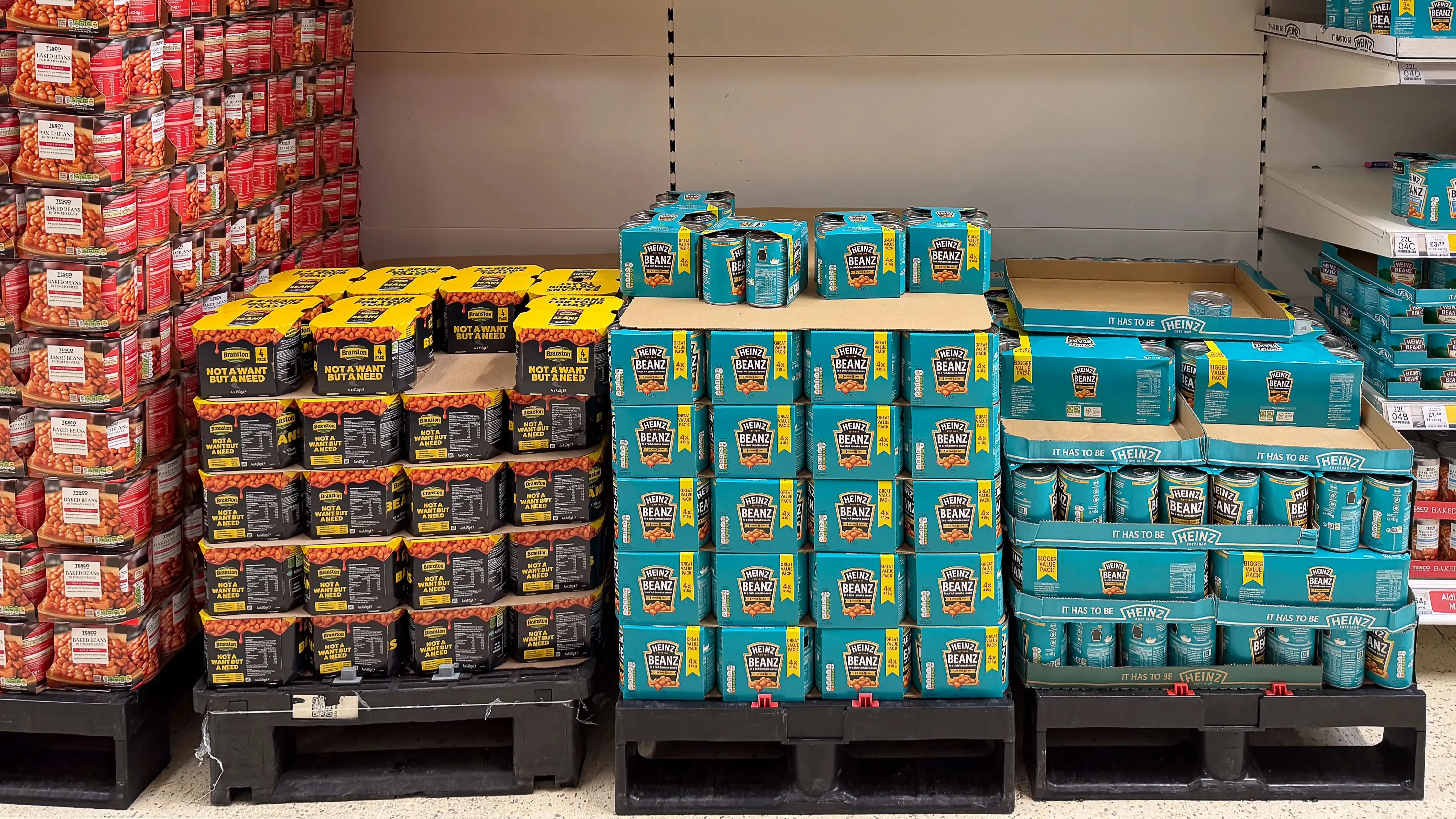
Similarly, swapping a £4 four-pack of Heinz beans from a local convenience store for a £2.50 pack at a larger retailer, and sourcing 5-litre water bottles from budget stores like Aldi instead of mid-tier grocers, can cut your food and hydration bill by nearly 30%.
Across a full family-sized stockpile, these simple swaps can easily shave up to £100 off your final total, according to Mark Riley who built the tool.
The calculator reveals that a massive chunk of the initial three-day bill goes towards reusable gear, with a £280 layout required for camping stoves, torches, a portable toilet and fire safety equipment.
Meanwhile, optional luxury survival items like generators, solar panels and power banks add another £600 to the total, while water purification kits and large containers cost an extra £205.
Ministers have advised citizens to store at least three litres of drinking water per person per day, prompting the calculator to plan for a realistic 13 litres daily to cover basic drinking and cooking for a family of four.
The Buy To Survive tool was created by former army soldier and Bristol-based AI consultant Mark Riley, who initially built it for his friends and family back in April.
He started preparing for a crisis out of fear of rogue artificial intelligence swarms, a concern that was ultimately vindicated by the major OpenAI Hugging Face incident in July.
The tech expert, who lives with his spaniel Wooster, currently holds two weeks of emergency supplies and 150 litres of water in his own home.
He explained that while the government has told people what they need in an emergency kit, the missing piece of the puzzle is knowing exactly what that costs for an individual family.
He advised people to remain calm and practical by building up their survival stockpile gradually during normal weekly shopping trips rather than panic buying everything at once.
Find out how much stockpiling will set you back using the calculator below.