4 Movie Franchises That Tried to Do Something New and Immediately Regretted It — Explained
Keeping a movie franchise fresh and relevant is hard. As time goes on and audiences experience more and more films featuring the same character(s) and lore, it gets tougher to keep the cinematic experience fresh and interesting. When that happens, studios have one of two options if they want to keep the franchise alive: Either start over with a remake or try something new, via a reboot or a sequel that wildly deviates from the original film.
Both scenarios have yielded successes: James Cameron’s Aliens is the prime example of a series sequel doing something different and making it work; films like Batman Begins or Rise of the Planet of the Apes represent old franchises successfully rebooting themselves for new eras. However, sometimes a franchise tries something new or different, and it has the opposite effect, causing the entire series to crash into a wall.
Here are 4 of the biggest examples of movie franchises that tried something new and different and immediately regretted it. A few of them have even suffered through multiple failed attempts (and some have never recovered).
4. Highlander
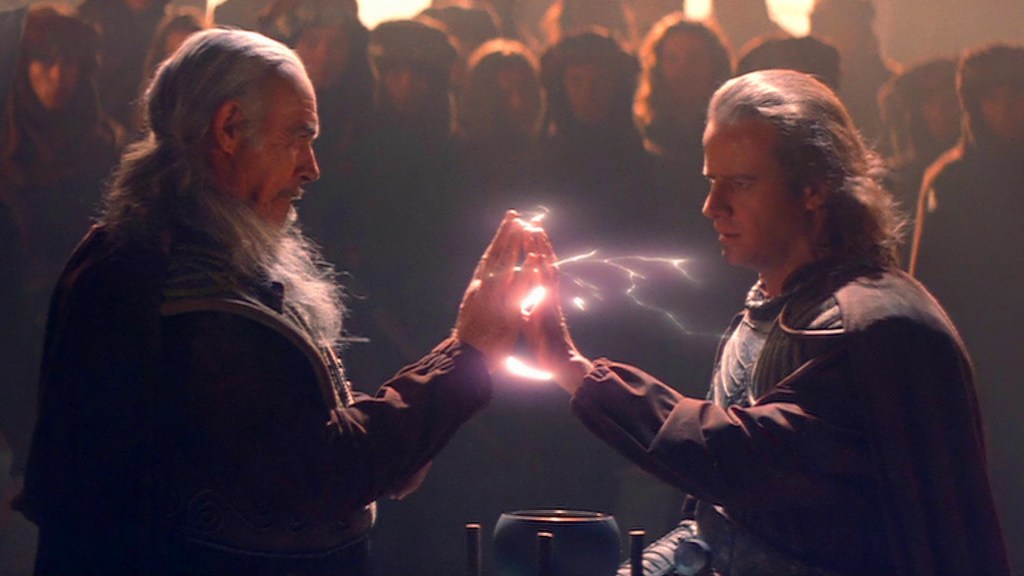
Russell Mulcahy’s Highlander became a quick cult hit when it was released in 1986. The film was heavy on ’80s vibes (including a killer soundtrack featuring Queen and others), and introduced captivating lore about immortals living through the centuries, locked in a battle for ultimate power, which can only be obtained through beheading. The first film follows one immortal, Connor MacLeod (Christopher Lambert), as he must stop his ancient barbarian nemesis, The Kurgan (Clancy Brown), from slaughtering the remaining immortals and collecting the power for himself. Unfortunately, Highlander‘s cult popularity didn’t catch on until after the film was a box office flop, earning just $12.8 million on a budget of $19 million.
20th Century Fox sold the franchise to new studios (Davis/Panzer, Lamb Bear, InterStar), and they let Mulcahy take a bold swing with his sequel. Released in 1991, Highlander II: The Quickening moved the setting into the future (2024) and completely retconned the series lore. The immortals were revealed to be aliens from a planet called Zeist, who were banished to Earth as punishment for their rebellion and given a death sentence to kill one another until only one victor could return home. The film’s actual story is an environmental parable about Earth’s ozone layer ruined by industrial pollution; an aging Connor MacLeod sponsors the creation of a shield to preserve what’s left of humanity. However, anti-shield rebel leader Louise (Virginia Madsen) complicates things, while Zeist’s corrupt leader General Katana (Michael Ironside) comes to Earth to finish Connor off.
While Highlander II‘s box office was largely the same ($15.6 million against a $22 million budget), the viewer response was not. The sequel is still considered one of the worst films ever made, with a nightmare production story that could be its own memoir. Highlander III returned to the original formula and locked into it for several more films and a very successful TV spinoff.
3. Halloween
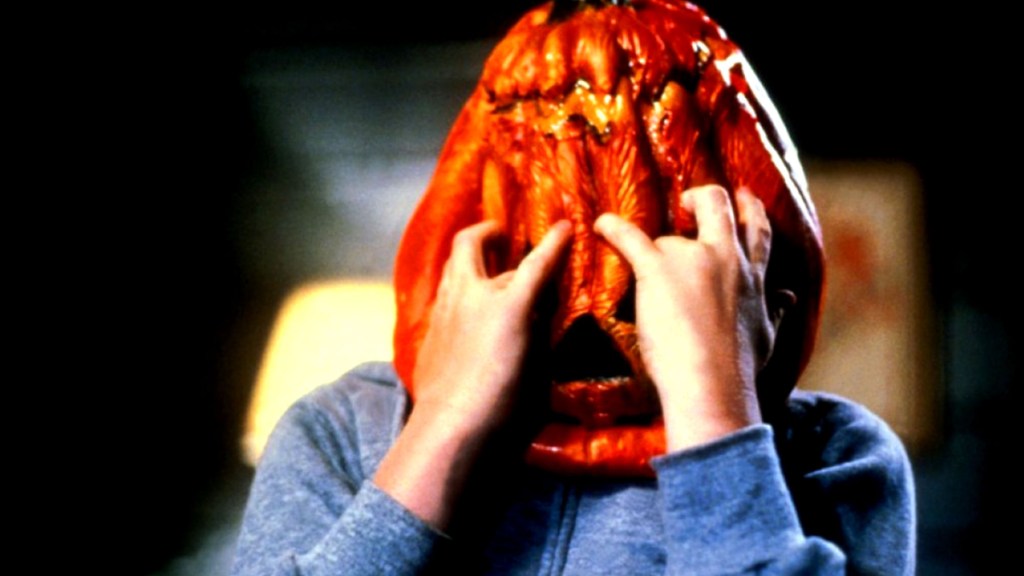
John Carpenter shattered the safe bubble of suburbia with his 1978 slasher film Halloween, which turned the film’s masked killer, Michael Myers, into an icon as big as the Halloween holiday itself. The first two installments of the series followed Michael Myers as he hacked and slashed his way across Haddonfield, Illinois, on a single Halloween night. However, when it came time for a third film, John Carpenter and his co-producer Debra Hill had a bold new idea they wanted to try.
Carpenter and Hill decided to turn Halloween into an anthology series, with each film telling a different horror story set on Halloween night. Halloween III: Season of the Witch told a story about a plot to use both tech and sorcery to make and distribute killer Halloween masks to children all over the world. The film’s low performance at the box office ($14.4 million against a $4.6 million budget) and the backlash from fans made it the first, and last, attempt to change up the Halloween movie formula.
Universal Pictures dropped the franchise (until 2018), and the new studio (Galaxy International Releasing) quickly brought Michael Myers back in a film titled Halloween 4: The Return of Michael Myers. The franchise has kept rolling on from there – at least until Universal’s 2018 reboot tried to follow its success with two wildly different sequels, and watched history repeat itself all over again.
2. The Terminator
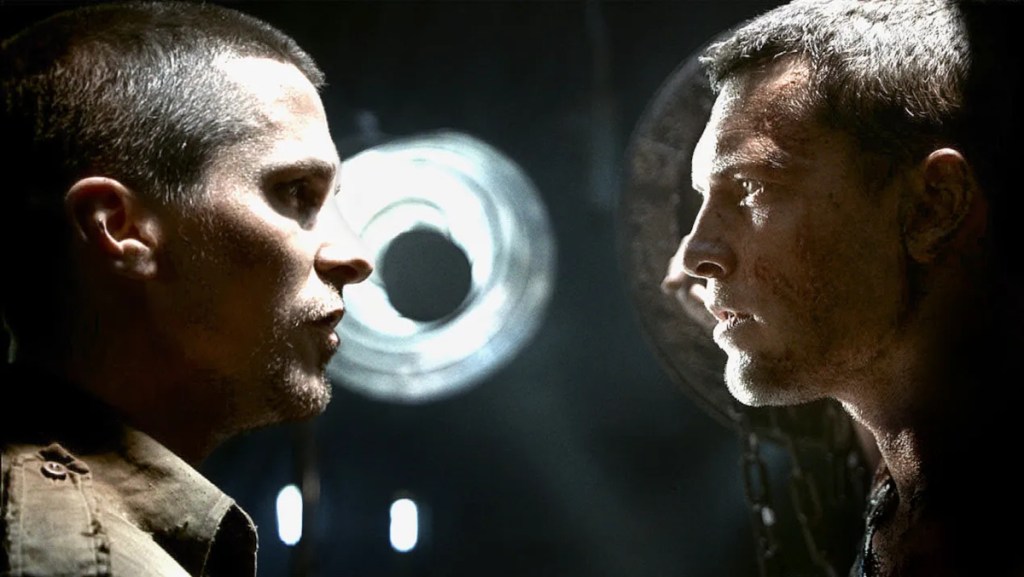
James Cameron was considered a filmmaking genius largely because of his achievements with the Terminator and Alien franchises in the ’80s and ’90s; by the latter half of the 1990s, Cameron had moved on to bigger things (like Titanic). Warner Bros. wanted to keep the franchise, and after a bunch of back-and-forth happenings with the rights, they ended up with producers who tried to mimic Cameron’s formula with Terminator 3: Rise of the Machines. The movie was a modest box office success ($433.4 million against a $187.3 million budget), but still felt like a lukewarm retread of Cameron’s visionary filmmaking.
After Rise of the Machines, the Terminator rights bounced around again until Warner Bros. partnered with Sony/Columbia Pictures to try a bold new idea: moving the Terminator franchise into the Future War timeline we had heard so much about in the other films. Terminator Salvation was released in 2009, and both studios quickly regretted their investment. Salvation earned $371.4 million at the box office, against a whopping $200 million budget (some say it was higher than that…).
Director McG (Charlie’s Angels) did admirably well, but audiences felt the story by John Brancato and Michael Ferris was a complete misfire. Instead of following John Connor (Christian Bale) and his war against Skynet, the film told the story of Marcus Wright (Sam Worthington), a convict who gets turned into a cyborg-style Terminator, meant to bridge the gap between man and machine. Worthington was just becoming the next big leading man; having him star in Cameron’s Avatar and a Terminator reboot without Cameron, in the same year, made it apparent that “Salvation” wasn’t going to live up to its name. The Terminator franchise has never recovered, with an alt-timeline reboot (Genisys), legacy sequel (Dark Fate), and anime spinoff (Zero) all failing to relaunch the franchise.
1. Superman

Yes, topping this list is one of the most successful and iconic superhero movie characters of all time – which is exactly the reason why he’s also often one of the most controversial. Superman has been wowing audiences onscreen since George Reeves starred in the Adventures of Superman black-and-white series of the 1950s. However, director Richard Donner and actor Christopher Reeve set the standard for Superman screen adaptations with their 1978 blockbuster, Superman: The Movie. Despite a troubled production and release (which later needed a major director’s cut ), Superman II (1981)was a successful sequel that paved the way for Superman to be a major box office draw. But that’s about the last time the franchise was able to move forward successfully, until today.
Superman III and Superman IV: The Quest for Peace are notorious backslides from Donner’s vision of the hero, with Quest for Peace killing the Superman movie franchise for more than a decade after its release in 1987. But why Superman is flying high on this list is because of what happened next.
Bryan Singer thought he could pull 21st-century audiences back in time to the Donner era with Superman Returns, even casting a Christopher Reeve clone in Brandon Routh. It didn’t work: modern audiences looking for “grounded and gritty” reboots rejected a throwback Superman movie, leaving DC and Warner Bros. with the massive loss of a $391.1 million box office against a $223 million budget.

But the real breaking point for Superman came when Zack Snyder released his reboot film, Man of Steel, in 2013. Snyder went the complete opposite way from Singer: reinventing Superman for edgier modern times, with a style, tone (and non-linear narrative) that was closely in line with Christopher Nolan’s Dark Knight Trilogy reinvention of Batman. The movie made good money ($670 million against a budget of $225 million), but DC and Warner Bros. immediately regretted the level of backlash that Snyder got from diehard Superman fans, who went so far as to accuse the filmmaker of ruining the character. Man of Steel set off a domino effect that slowly but surely strangled the “DC Extended Universe” franchise.
The Man of Steel controversy made the WB flinch at Snyder’s sequel, Batman v Superman, releasing a theatrical cut that stank of studio meddling (and later resulted in a director’s cut release). The next film, Justice League, became one of the biggest debacles in blockbuster filmmaking, as Snyder was pulled off the film during production and then (years later) got brought back to redo it on streaming, after Joss Whedon’s theatrical cut failed.
No matter how passionate fans are, Man of Steel forever stands as one of the most problematic attempts to restart a franchise, ever.