42 Years Ago, An Animated Series Based On a Single Movie Gag Debuted & Became a Saturday Morning Staple You Should Know
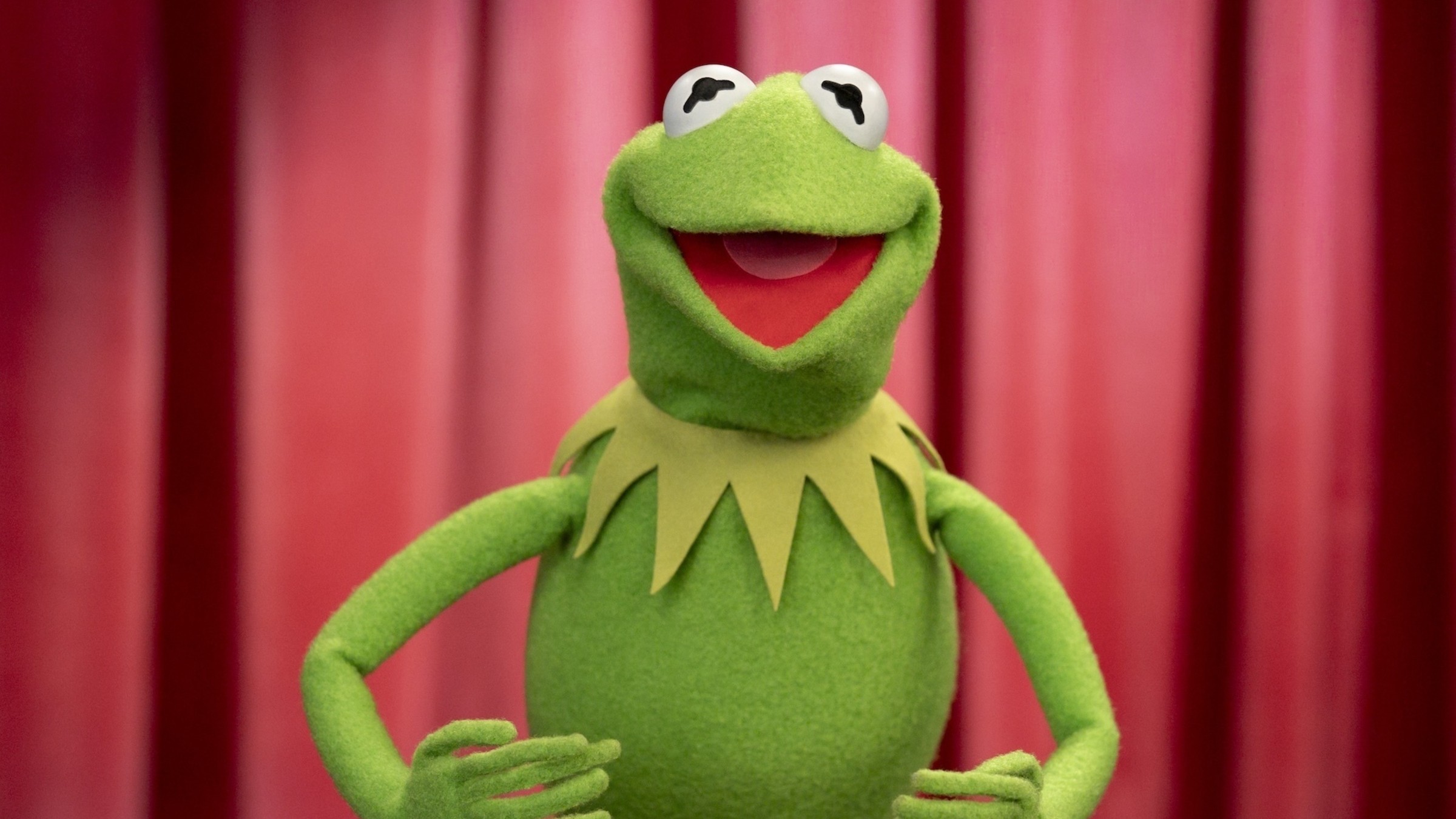
Since The Muppet Show debuted in 1976, Kermit, Miss Piggy, and company became a cultural phenomenon. When the variety show ended after five seasons in 1981, Jim Henson had already shown the characters could work in longer stories than a five-minute sketch. 1979’s The Muppet Movie followed Kermit’s journey to Hollywood while he assembled a ragtag troupe of fellow performers he met along the way. The follow-up Great Muppet Caper sent the gang to London for a jewel heist. Their next film highlighted all of the avenues they’d traveled. In 1984, The Muppets Take Manhattan was a love letter to Broadway musicals and chasing your dreams in the city that never sleeps. The movie would also inspire their next major television series. The Muppet Show was syndicated, so it aired whenever local stations felt like putting Kermit’s felt on screen. Their new show would stake a claim on one of television’s most coveted time slots, that of the Saturday morning cartoon.
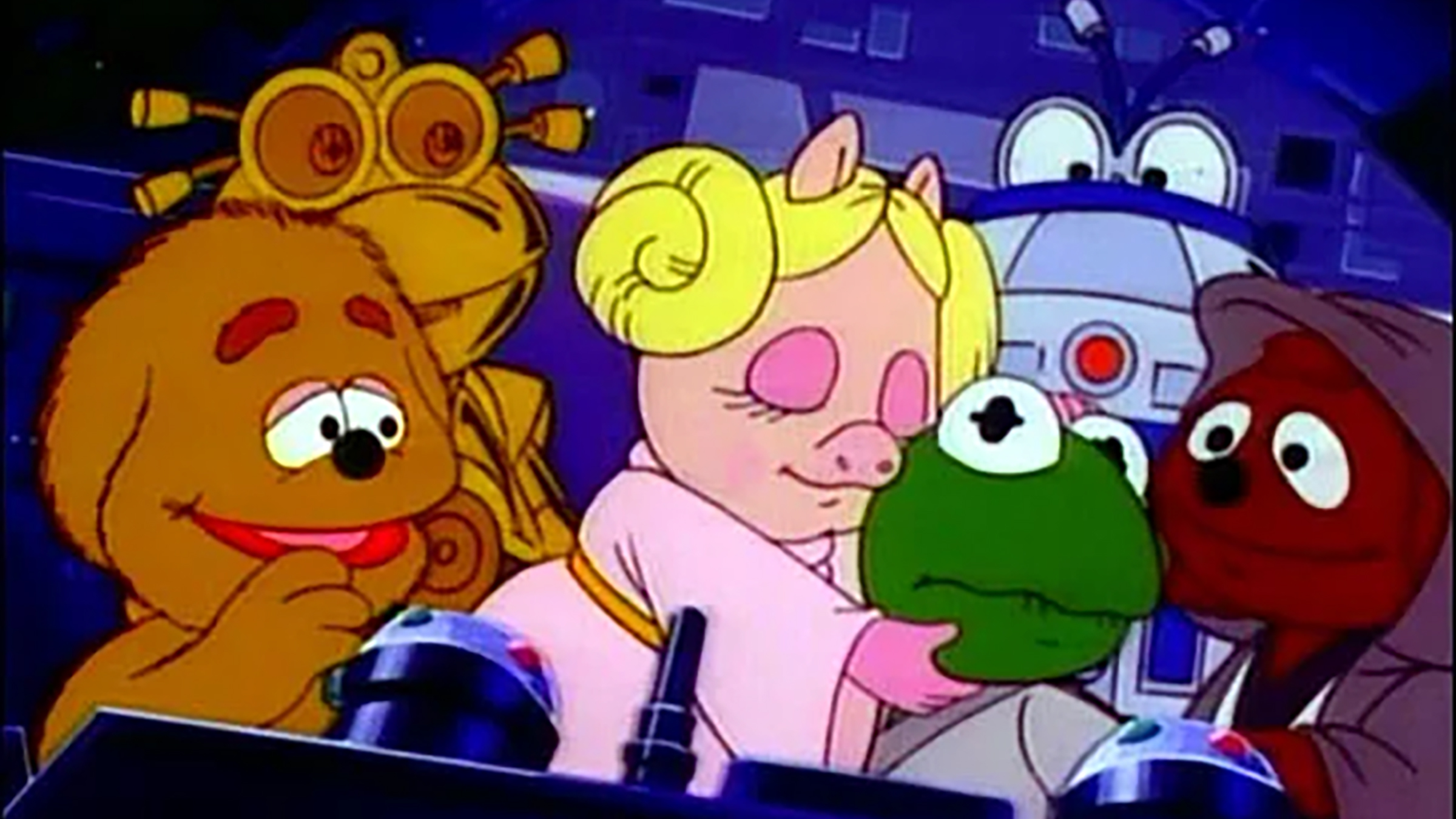
During the song “I’m Gonna Always Love You,” Miss Piggy imagines what it would have been like to grow up with Kermit. The fantasy sequence introduced the world to precocious puppet versions of Baby Kermit, Piggy, Fozzie, Gonzo, Scooter, Rowlf, and Animal. Fans didn’t have to wait very long for more of the cuteness overload when Muppet Babies premiered on CBS on September 15th, 1984, only two months after the movie opened. The show would follow the anthropomorphic tykes as they imagined their way out of their dull nursery and into a wide variety of adventures. One sequence of a classic movie helped launch an animated series that ran for eight seasons and created 107 episodes.
Baby Muppets Predate Manhattan

Baby versions of the Muppets actually made it into The Muppets Take Manhattan because they had already been making the company money. Jim Henson had previously suggested depicting the Muppets as tiny versions of themselves in a children’s book. He basically wanted to turn the Muppets into chibis before most Americans knew what that was. Michael K. Frith and the Henson art department came up with toddler designs for the characters. An illustration of Baby Piggy was enough to convince the team that the idea could support merchandise, which started hitting shelves in 1983. Henson used that to leverage them into a segment of Muppets Take Manhattan. After filming the sequence, Henson and CBS executive Judy Price saw the potential for a cartoon series. CBS approved the series in April, before the film premiered in July of 1984.
The budget and schedule made filming a weekly live-action puppet narrative series impractical. Henson approached several animation companies before choosing Marvel Productions. Yes, that Marvel. Marvel’s parent company had purchased DePatie-Freleng Enterprises, the animation studio responsible for The Pink Panther intros and cartoons. After becoming Marvel Productions, they would go on to produce cartoons like Spider-Man and his Amazing Friends, G.I. Joe and Transformers. While a writing staff came on to run the show, Henson would stay involved after establishing the characters and the show’s emphasis on creativity. Muppet Babies main storytelling hook was that the kids’ imaginations could take them anywhere. It even had the theme song to back it up.
The characters in the show transformed their nursery through shared imagination. Everyday objects became castles, spaceships, pirate treasure or anything else the Muppet babies could imagine. Marvel Productions mixed animation with photographs, public-domain footage, and clips from recognizable movies to jump between genres. The toddlers could appear inside Star Wars, Indiana Jones, or classic monster movies. These references gave adults another level of humor while remaining understandable to kids, much the same way My Little Pony‘s pop-culture-infused characters would attract bronies. The fantasies all supported the show’s central lesson: imagination and creativity could transform children’s worlds around them.
The show became one of CBS’s highest-rated Saturday morning cartoons, running from 1984 through 1991. The series took home seven Daytime Emmys, including four consecutive awards for Outstanding Animated Program. The cast featured Frank Welker as Baby Kermit and Laurie O’Brien as Baby Piggy. Howie Mandel voiced Baby Animal. He left the show after two years and was replaced by Dave Coulier, who would go on to show his vocal range playing the dual role of Joey Gladstone and Mr. Woodchuck on Full House. The show’s success spawned copycats that also featured younger iterations of their famous characters like The Flintstone Kids and A Pup Named Scooby-Doo.
In 2018, Muppet Babies would return in a CG version on Disney Jr. The reboot is available on Disney+, but the original series remains absent from streaming services. The show’s extensive use of movie clips and music created some complicated rights issues. The same creative freedom that made the show so special now makes a complete rerelease near impossible. Over four decades ago, a brief fantasy segment in a quintessential ’80s movie launched eight seasons of creativity-inspired animation. The Muppet Babies could imagine their way into any movie. Escaping the nursery in 2026 seems to require more than imagination. It needs a rights attorney.