A Look at 5 Cult Classic Sci-Fi Shows to Watch If You Love The Last Ship
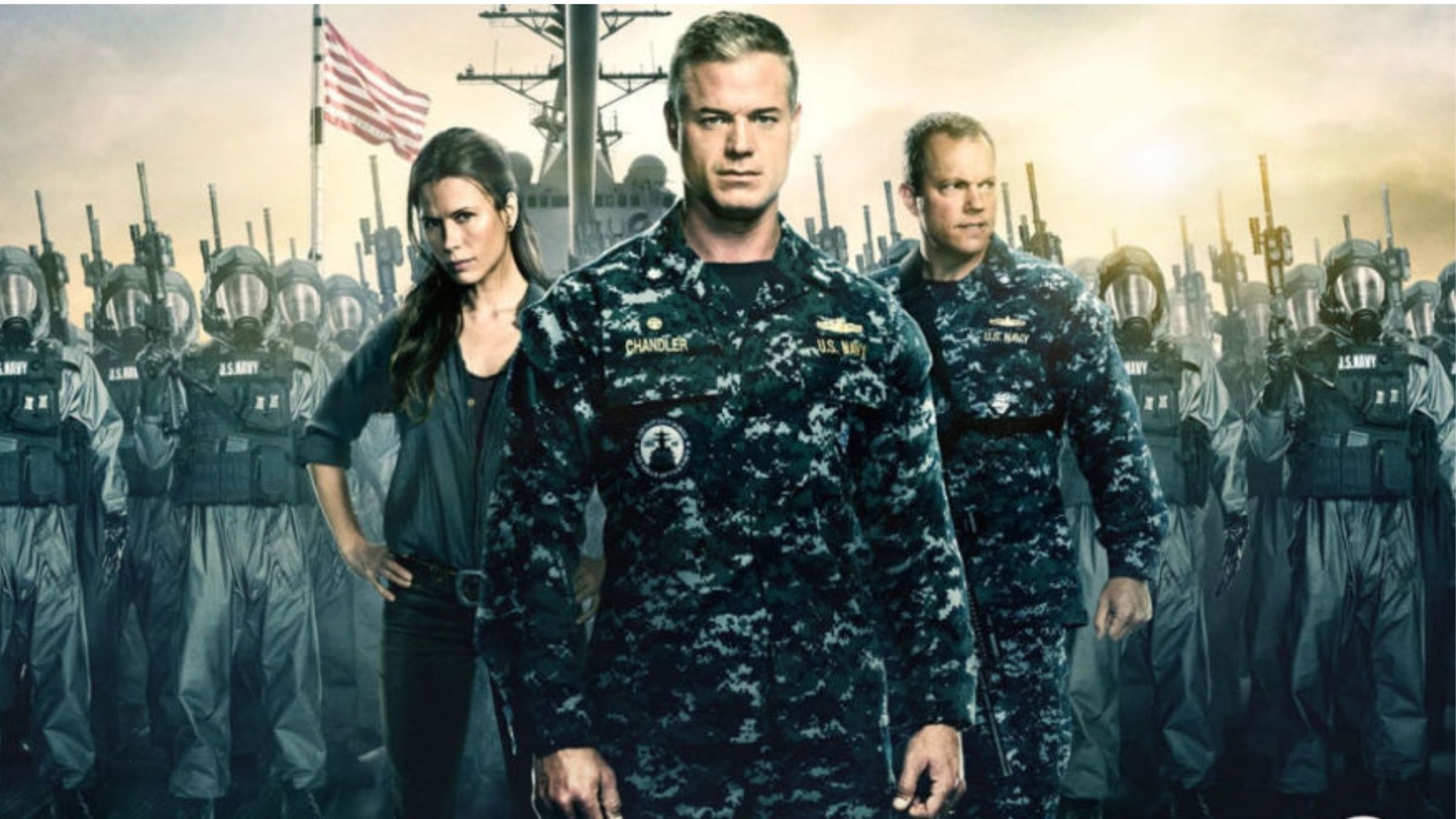
Eight years after TNT ended it, The Last Ship landed on Netflix in June 2026 and climbed to number three on the US chart inside a week, which is a strange fate for a show most people filed away as a Michael Bay production about a boat. What it actually was, across five seasons and 56 episodes, is one of the more disciplined survival dramas anyone made in the 2010s. A virus wipes out more than eighty percent of the world. The 218 people aboard the destroyer USS Nathan James are at sea when it happens, which means they are clean, which means the cure is their problem and nobody else’s. The premise sounds like a disaster movie stretched to series length, and for about twenty minutes it plays that way, and then it settles into something much steadier and much harder to stop watching. Everything that follows in the series comes out of that one constraint rather than out of spectacle.
The late Eric Dane played the captain who had to carry that. The appeal was never really the explosions, whatever the marketing suggested at the time. It was a fixed crew in a small space with a working command structure, solving one impossible logistics problem a week while a clock ran down in the background. That is a specific thing to want from a television show and it is rarer than it sounds because most survival dramas either break the group apart or loses interest in the logistics somewhere in the second season. Once you have watched all 56 episodes there is no obvious next step, and the recommendations engines are not much help. These five are the closest matches to The Last Ship available, and each one gets at a different piece of what made the original work.
5) seaQuest DSV Is The Closest Thing To The Last Ship Anyone Has Ever Made
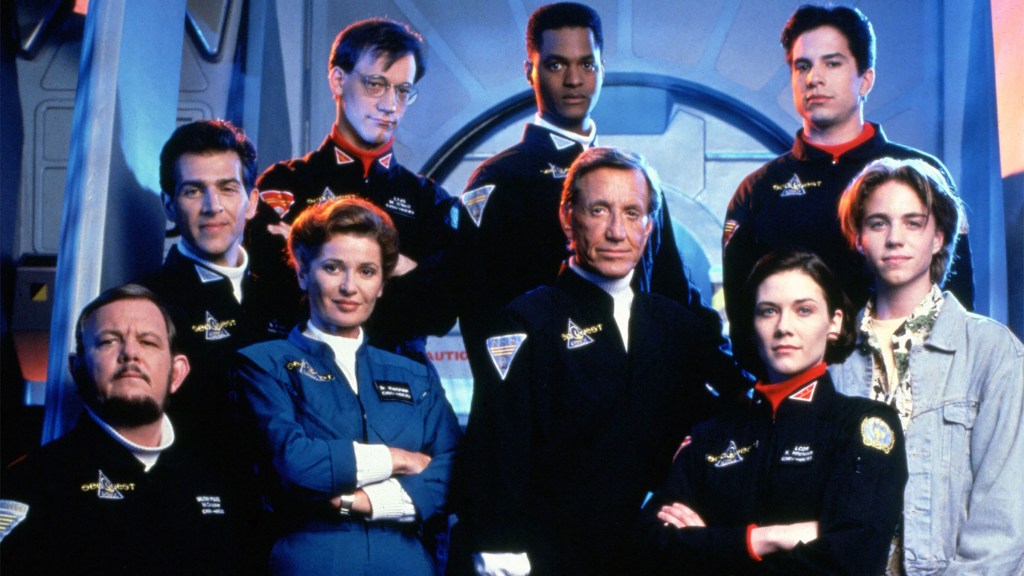
Start here, because the match is almost literal. seaQuest DSV ran on NBC from September 1993 to June 1996, three seasons and 57 episodes, created by Rockne S. O’Bannon with Steven Spielberg executive producing and it is a show about a vessel, a captain and a command structure. The setting is a near future in which Earth has run down its land resources and moved onto the ocean floor, and the submarine seaQuest DSV 4600 patrols the undersea colonies for a United Earth Oceans Organization that is part navy and part scientific body. The late Roy Scheider plays Captain Nathan Bridger as a man who did not want the chair and takes it seriously anyway, which is the exact register Eric Dane worked in twenty years later.
The first season is the one to judge it on: it took its science seriously enough that episodes ended with a scientist explaining the real principle behind the story and it won two Emmys for its music, John Debney for the main title theme in 1994 and Don Davis for composition in 1995. Season two chased aliens and psychic powers instead, and Scheider called it out publicly, calling the new direction childish trash. Michael Ironside took over as captain for a third season retitled seaQuest 2032 before NBC pulled it. All three seasons are on Peacock, and it also streams free with ads on Xumo Play.
4) Ascension Puts A Navy Crew On A Ship That Cannot Turn Around

This one is six episodes long, so you can binge it in just an evening and it is one of the most underrated things Syfy ever aired. The premise: in 1963, with the Cold War looking unsurvivable, the Kennedy administration quietly launches the USS Ascension with 600 men, women and children aboard, on a hundred-year voyage to another star, as insurance in case Earth does not make it. Fifty-one years into the trip the ship is a sealed bubble of early-1960s America, the children of the original crew are running it, and the first murder in its history forces everyone to ask what the mission is actually for. Tricia Helfer is extremely good as the captain’s wife, who has built more real authority out of a ceremonial role than her husband has out of the actual command.
What makes it worth your evening is the structure: it was built as three two-hour blocks, and the first block ends on a reveal that changes the meaning of every scene before it. That reveal is the reason people still bring the show up, so nobody should spoil it for you, and nothing here will. It is also the easiest pick here to watch, streaming free with ads on Plex, Tubi, The Roku Channel and Prime Video.
3) Stargate Universe Is The One About A Crew That Cannot Get Off The Ship
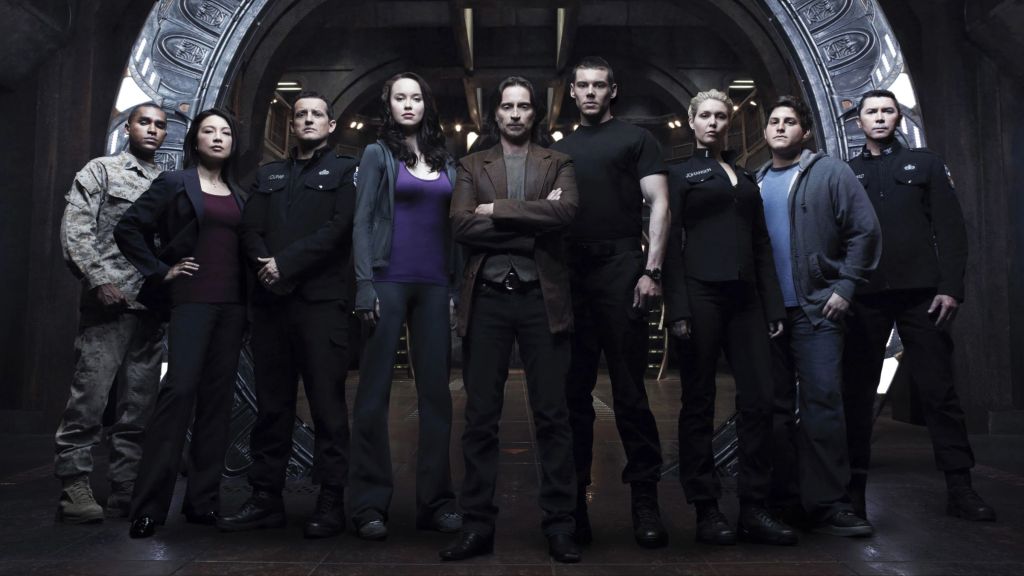
If what you liked about The Last Ship was watching people who do not like each other keep a vessel running anyway, this is the pick. Stargate Universe ran two seasons and 40 episodes on Syfy from 2009 to 2011, created by Brad Wright and Robert C. Cooper, and it stranded a mixed military and civilian group aboard Destiny, an unmanned ship launched millions of years ago that is billions of light years from Earth and cannot be steered or stopped. Robert Carlyle plays the scientist who got them there and will not apologize for it, opposite a colonel who has to keep order among people who never signed up for any of this, and the friction between the uniform and the civilians is the whole engine.
It was a hard break from the rest of the franchise, it lost viewers over repeated timeslot moves, and it was killed on a cliffhanger. The numbers tell the real story: it sits at 70% on Rotten Tomatoes overall, but season one is 61% and season two is 80%, which means it was still improving when it went. Carlyle won Best Actor at the 2010 Gemini Awards for it, and our own ranking of every Stargate series places it third out of five. If you want proof the fanbase never let go, look at what happened after Amazon canceled its Stargate revival in June 2026: a petition past 100,000 signatures, a banner plane over Culver City, and two billboards in Times Square. Both seasons are on Prime Video.
2) Falling Skies Is The TNT Sibling You Probably Skipped
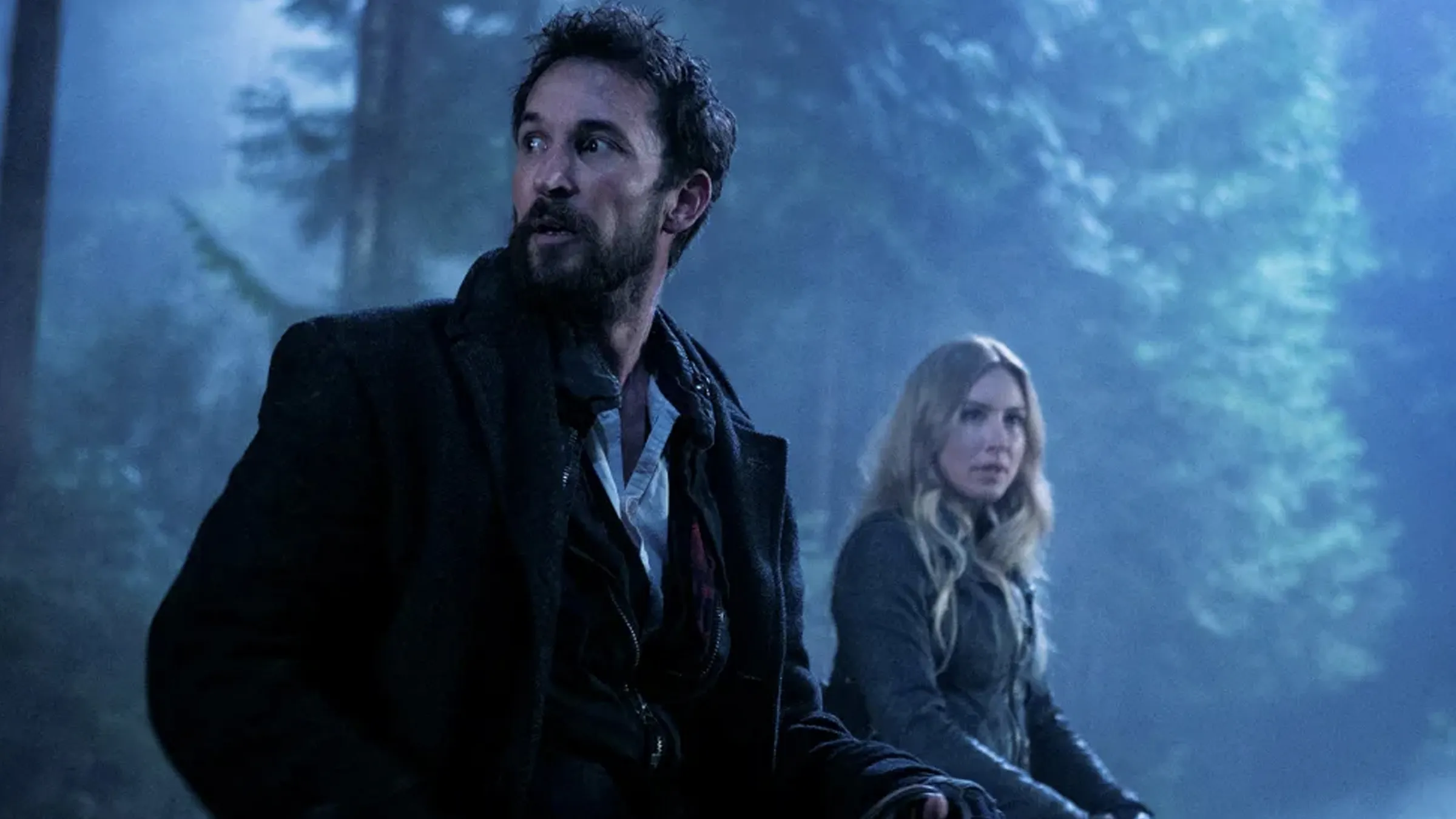
Falling Skies premiered on TNT in June 2011, three years before The Last Ship, ran five seasons and 52 episodes, was created by Robert Rodat and executive produced by Steven Spielberg, and a lot of people who loved one of these two shows never got around to the other. The setup is the same shape with the water taken out. Six months after an alien invasion has erased most of the world’s population and all of its governments, a Boston history professor named Tom Mason is second-in-command of the 2nd Massachusetts, a few hundred fighters and civilians moving on foot through the ruins of the northeast. Noah Wyle plays him as a man whose actual qualification is that he knows how the last several thousand years of this went, and Will Patton is the career soldier he has to work under and occasionally around.
One of Mason’s three sons is taken in the first hour, which keeps the show honest: it is a war story that never stops being about a family. It opened to 5.9 million viewers, the biggest cable series launch of 2011, holds 79% on Rotten Tomatoes across 89 reviews, and won the Critics’ Choice Television Award for Most Exciting New Series. Worth knowing before you start: it was not canceled. TNT gave it a fifth and final season on purpose, so it actually ends. All five seasons are on Netflix.
1) Salvation Is The Countdown Clock Without The Ship

The last pick is the one with a catch, so here it is up front: Salvation is not on any subscription service in the United States. You have to buy it, on Amazon, Apple TV, Fandango at Home or Google Play. It is on this list anyway because nothing else matches the specific pressure The Last Ship ran on. An MIT graduate student runs the numbers on an asteroid and works out that it will hit Earth in about six months. He takes it to a tech billionaire, played by Santiago Cabrera, who takes it to the Pentagon, where they learn the government has known for months and has quietly been building its own answer.
From there the show is not about the rock. It is about who gets told, who gets a seat, and what a deputy secretary of defense, a press officer and an entrepreneur each decide to do with information that would cause a riot. CBS ran two seasons and 26 episodes across the summers of 2017 and 2018 before canceling it that November, and the reception split hard: 48% from critics against 80% from the audience, which is usually what a cult following looks like before anyone calls it one. It was created by Liz Kruger, Craig Shapiro and Matt Wheeler, with Alex Kurtzman executive producing, and it ends on a cliffhanger that will annoy you.
The through-line, if you want to keep hunting after these five, is not really the science fiction. It is the format: a fixed group of people, a confined space, a working command structure and a problem with a deadline attached. The Last Ship put that on a destroyer, seaQuest put it in a submarine, Ascension put it on a starship that was never quite what it claimed to be, Stargate Universe put it somewhere nobody could walk back from, Falling Skies put it on foot, and Salvation put it in a briefing room. Four of the five are a click away, on Peacock, Plex, Prime Video and Netflix, and the fifth is worth the rental. There are more cult sci-fi shows worth the dig once you have run through these, but this is the group that will feel closest to what you already miss, and every one of them has an ending you can actually reach.