Gil Birmingham on Rainwater’s Toughest Fight in MARSHALS
Thomas Rainwater has spent years fighting to protect the future of Broken Rock. In Yellowstone, that often meant facing off against John Dutton. In MARSHALS, the challenges are different. Rainwater has to confront what happens when the people he’s trying to protect don’t necessarily agree with how he’s protecting them.
During my visit to the set of MARSHALS, I joined a roundtable discussion with Gil Birmingham about how Rainwater is changing, the complicated relationship between Broken Rock and federal law enforcement, and what the actor would still like to see from his character. I expected a conversation about the show’s storylines. Instead, Birmingham kept returning to the bigger questions behind them.
Protecting the Land Is Only the Beginning
For years, Rainwater and John Dutton seemed to be fighting on opposite sides. Yet Birmingham pointed out that their goals weren’t entirely different. The two men eventually recognized that protecting the land mattered to both of them, even if they disagreed about who it belonged to and what its future should look like.
“We have the same thing in common, preserving this land,” Birmingham said, recalling the characters’ shifting relationship. He explained that the Duttons were protecting a family legacy, while Rainwater was fighting for his people.
That history matters because MARSHALS puts Rainwater in a different position. Preserving the land is no longer simply about confronting an outside opponent. There’s also the responsibility of keeping it sustainable and answering to a community with its own competing ideas about the future.
Birmingham described that responsibility as a new challenge for Rainwater. Having a goal is one thing. Figuring out how to serve everyone after the battle changes is another.
A New Generation Challenges Rainwater

The most compelling part of our conversation came when the discussion turned to younger voices pushing back against Rainwater’s leadership.
“I wouldn’t say a divide, but a separation,” Birmingham explained.
He brought up the American Indian Movement of the 1970s while discussing the tension between traditional approaches and those who believe more direct confrontation is necessary. To him, Rainwater’s dilemma isn’t simply about whether young people respect their elders. It’s about protecting cultural values when violence can seem like the only thing that gets attention.
There’s a real-world foundation underneath those questions. The National Museum of the American Indian explains that tribal governments have their own histories, structures, and responsibilities. The challenge of balancing sovereignty, natural resources, and future generations extends well beyond a television storyline.
What I appreciated about Birmingham’s answer was that he didn’t reduce the conflict to a stubborn leader versus rebellious young people. Rainwater wants to preserve an identity and a way of life, but he also has to ask whether his own methods will remain effective.
That makes his situation more interesting than another political standoff. It’s a test of what kind of leader he wants to be.
Kayce and Miles Are Caught Between Two Worlds
Birmingham also offered some perspective on Kayce Dutton’s role in all of this. Kayce has ties to the Dutton family, military experience, and a personal connection to Broken Rock through Monica. Now he carries a federal badge.
Birmingham sees Rainwater as someone who recognizes that Kayce understands the contradictions of those worlds. Kayce has skills that can help, but his connection to Broken Rock also gives him a perspective not every federal officer possesses.
The conversation eventually turned to Miles Kittle, played by Tatanka Means. Birmingham described Miles and Kayce as “parallel partners,” while noting that Miles faces an additional challenge because of his history in tribal policing. His work with federal authorities can put him in uncomfortable territory when reservation interests are involved.
For Rainwater, even the people best positioned to bridge those worlds are dealing with their own divided loyalties. Birmingham suggested that Mo often serves as Rainwater’s touchstone, which raises another interesting possibility: what happens when the person he relies on is also affected by the conflict?
Even Rainwater Deserves a Personal Life
After all that talk about land, politics, and moral dilemmas, Birmingham gave one of my favorite answers of the roundtable when someone asked what else he’d like explored.
He wants Rainwater to have a love interest.
“Everybody’s got a family but me,” he joked.
It got to something important about the character. Rainwater has spent so much time serving as a leader that audiences haven’t seen much of his life beyond those responsibilities. Birmingham also noted that a procedural series has to keep its cases moving, sometimes leaving less room for the slower character relationships that Yellowstone explored.
He hopes the expanded episode count offers more opportunities to reveal Rainwater’s personal side. I agree. Seeing him challenged politically is compelling, but learning who he is when nobody needs him to make a decision could be just as revealing.
Birmingham described meeting Taylor Sheridan as a turning point in his career, leading from Hell or High Water and Wind River into Yellowstone. After playing Rainwater for so long, he still sounds interested in discovering where the character can go.
I left the conversation thinking that Rainwater’s biggest challenge may no longer be winning an argument over land. It’s figuring out how to protect a future that won’t be shaped by him alone.

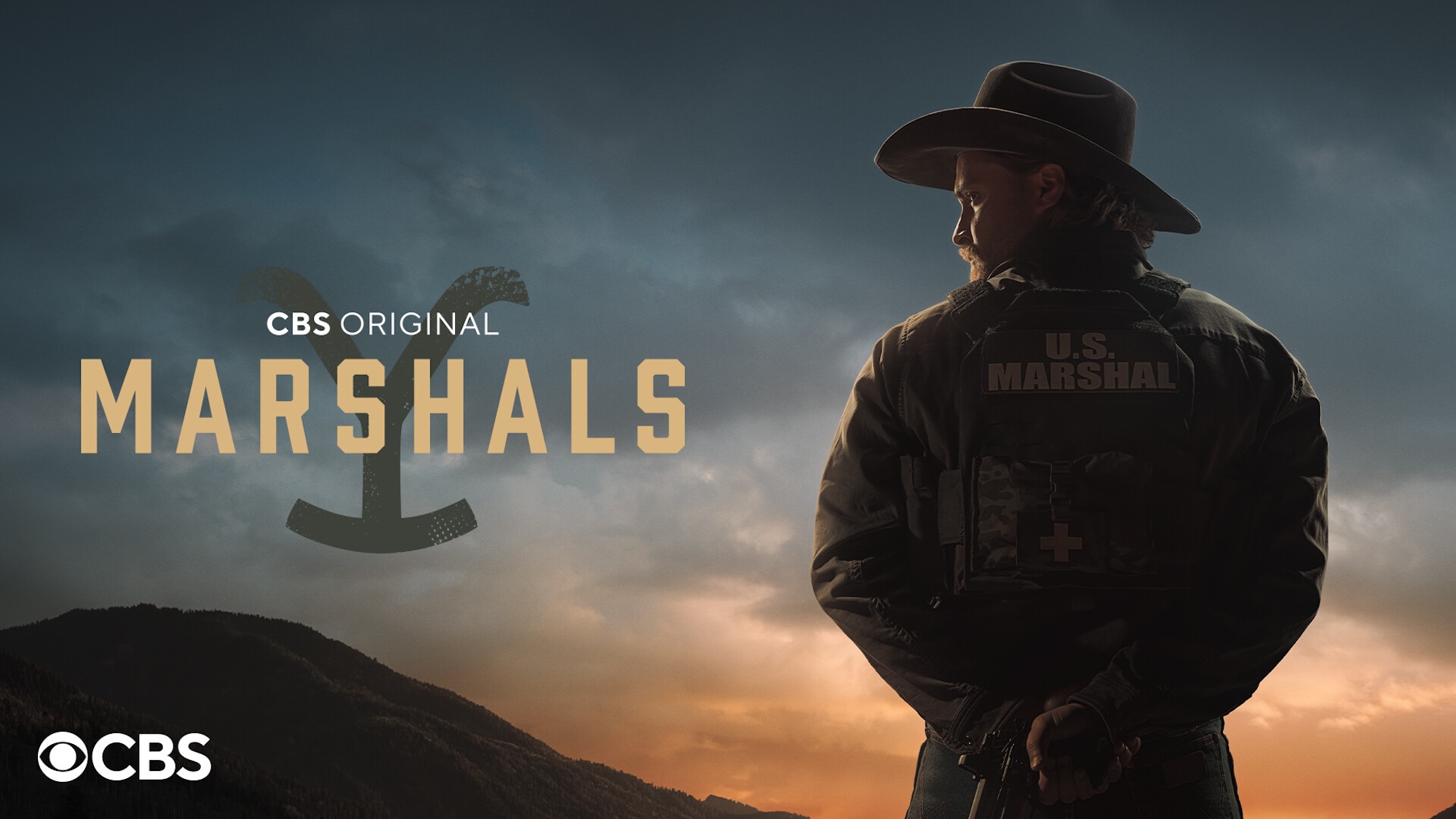
New episodes of MARSHALS air Sundays on CBS at 8:00 p.m. ET/PT and are available to stream on Paramount+.