How Cinema Shaped Our Cultural Fascination With Risk and the Wager
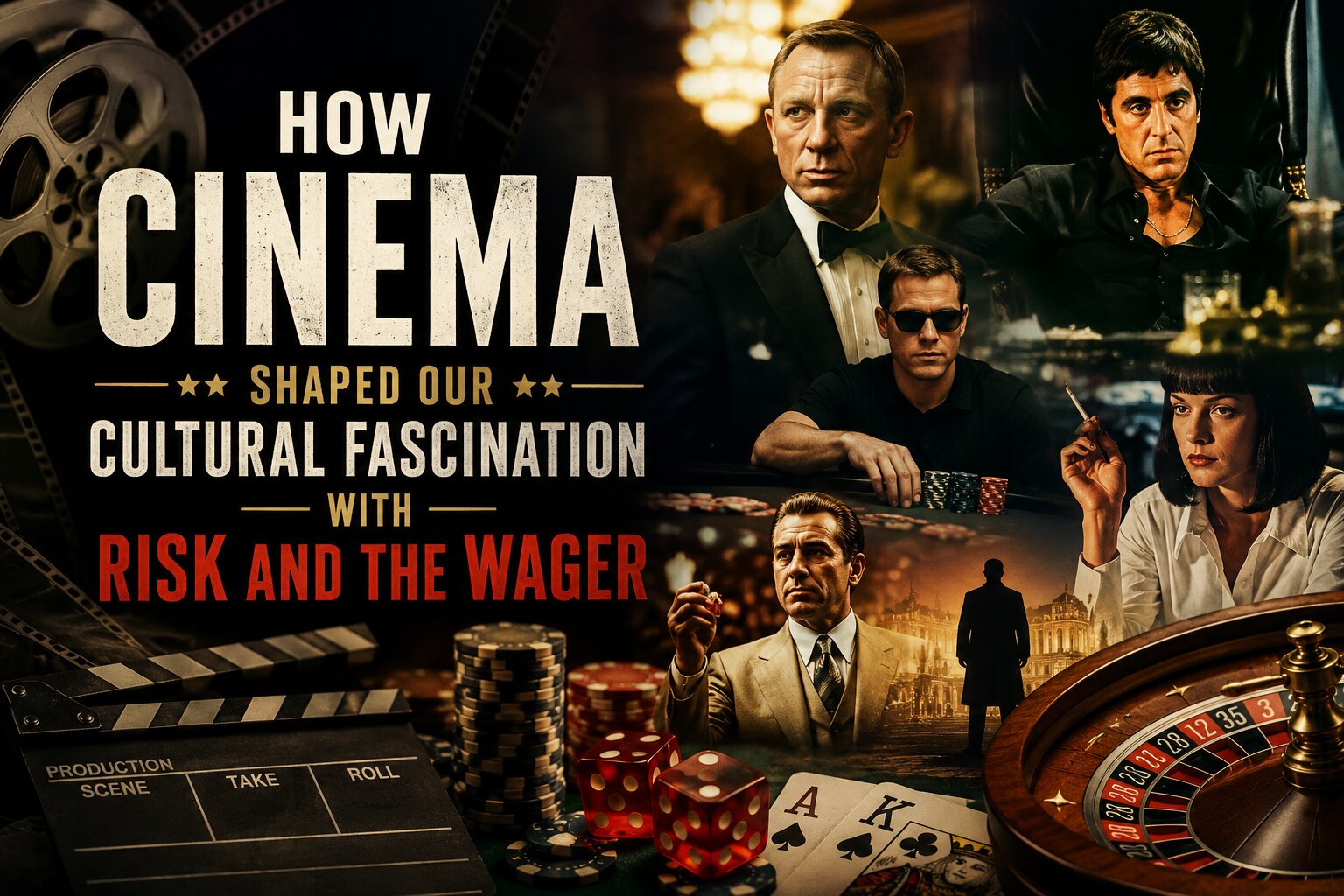
How Cinema Shaped Our Cultural Fascination With Risk and the Wager
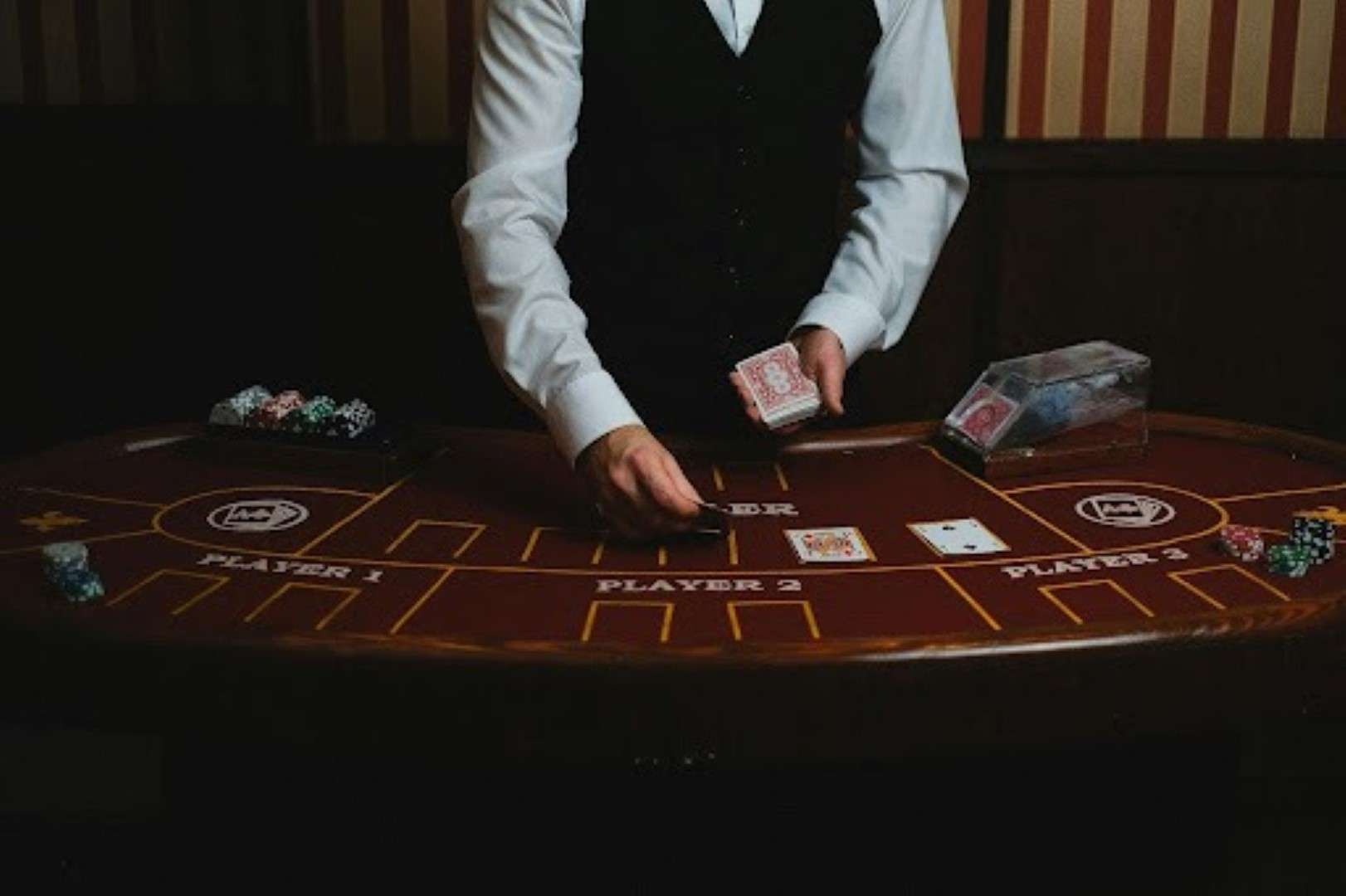
Think about the last time a movie made your palms sweat. Odds are, there were chips on a table. A card about to flip. Somebody pushing a stack forward when every sensible voice said fold. Cinema figured out a long time ago that nothing grips an audience quite like a person betting more than they can afford to lose. And honestly, we keep coming back for it.
D23 Asia: Disney Announces Dates for First-Ever Fan Event in Singapore
The wager is the perfect engine for a story. It’s pressure with a clock on it. When Steve McQueen squares off in The Cincinnati Kid, or when Matt Damon reads Teddy KGB’s Oreo tell in Rounders, we’re not really watching cards. We’re watching nerve. We lean in because we want to know who breaks first. Who’s bluffing. Who’s about to lose the house.
Why the green felt keeps pulling us back
There’s a reason these films share a shape. The hero takes a beating, claws back, then stakes it all one more time. Scorsese gave us the neon and the menace of Casino. Aaron Sorkin turned a real underground poker empire into Molly’s Game, with Jessica Chastain running tables for people who had too much money and not enough patience. And the Safdie brothers, well, Uncut Gems basically weaponized anxiety, all fast cuts and a jeweler who simply cannot stop. You watch it through your fingers.
What ties them together is older than Hollywood. It’s the tug-of-war between luck and control. Can a person outthink fate with a cool head, or does the math always win in the end? Gamblers in these movies believe, deep down, that skill bends chance. Sometimes they’re right. Mostly, the table reminds them who’s boss. We recognize that gamble, because who hasn’t taken a swing knowing the odds weren’t great?
From the Rat Pack to the phone in your pocket
Here’s the funny thing. For decades, the movies sold us a place. A smoky room, a velvet rope, a flight to Vegas with Danny Ocean and the crew. The fantasy was geographic. You had to go somewhere glamorous to feel it. That’s changed. The green felt slid off the big screen and onto the device in your hand, and the whole ritual got a lot closer to home.
In Ontario, that shift came with rules attached, which is no small thing. A player can sign up at Betinia Ontario (19+), which operates under the province’s gaming regulators and offers live dealer blackjack, roulette, slots, and a sportsbook for anyone who’d rather bet the game than play it. The tables stream real dealers in real time, so you catch a sliver of that movie-night tension without the cross-country flight. It’s the cinematic cardroom, minus the cigarette smoke and the loan shark out back.
And maybe that’s the appeal. The movies romanticized the moment, the rush right before the reveal. Now that moment lands on a Tuesday night, somewhere between dinner and bed.
The thrill, and the bill
Of course, cinema never lets us forget the other side. For every triumphant cash-out, there’s James Caan in The Gambler digging a hole he can’t climb out of. The genre is honest about the cost. These stories thrill us precisely because they flirt with ruin. The same wager that makes a fortune in reel one can torch a whole life by the credits.
That tension is the point, on screen and off. The smart move has always been knowing your limits and treating the wager as entertainment, not a paycheck. The house keeps an edge for a reason. Every good gambling film understands this, even the ones generous enough to let the hero win. And in Ontario, if the credits ever roll the wrong way, ConnexOntario offers free, confidential support at 1-866-531-2600.
So why does the wager still own such a corner of our imagination? Because risk is the most human thing we do. We bet on jobs, on cities, on people, on whether the leap pays off. Movies just dress it in felt and aim a spotlight at it. They take that quiet question we all carry, what if I’m wrong, what if I’m right, and crank the volume until we can’t look away.
Next time the chips hit the table on screen, notice your own pulse. That little jump? That’s the oldest story we’ve got, and we’ll never stop telling it.