11 Years Ago Today, The MCU Phase 2 Ended With A Still-Divisive Movie That Introduced A Lovable Avenger
The Marvel Cinematic Universe is one of Hollywood’s most consistent projects, a franchise capable of dominating box office charts nearly two decades after its debut. That reach continues into 2026, as Spider-Man: Brand New Day arrives in theaters on July 31st and Avengers: Doomsday follows in December, bringing the Avengers, the X-Men, and the Fantastic Four together to face Victor von Doom (Robert Downey Jr.). The studio arrives at these massive crossover events after a period of box office stumbles, including The Marvels‘ $206.1 million worldwide in 2023 and Captain America: Brave New World‘s $413 million. However, Marvel Studios remains as busy as ever, planning a bright new future after Avengers: Secret Wars that includes a new cast of X-Men. The fact that Marvel Studios can brush off a few hits and keep spending on massive blockbusters reflects the stability of the brand, which was built during the Infinity Saga.
Longtime MCU fans often romanticize the Infinity Saga, the run of films from 2008’s Iron Man through 2019’s Avengers: Endgame, as a seamless creative project. The reality is messier. Marvel Studios has weathered divisive releases and turbulent development histories since its earliest years, courting controversy long before the Multiversal Saga split the fanbase. Ant-Man, for instance, closed out Phase Two in theaters on July 17, 2015, after the director attached to the project for nearly a decade walked away three months before filming began. That change reshaped the film’s production timeline, its screenplay, and ultimately its box office performance relative to the rest of Phase Two.
Ant-Man‘s Turbulent Journey to Theaters
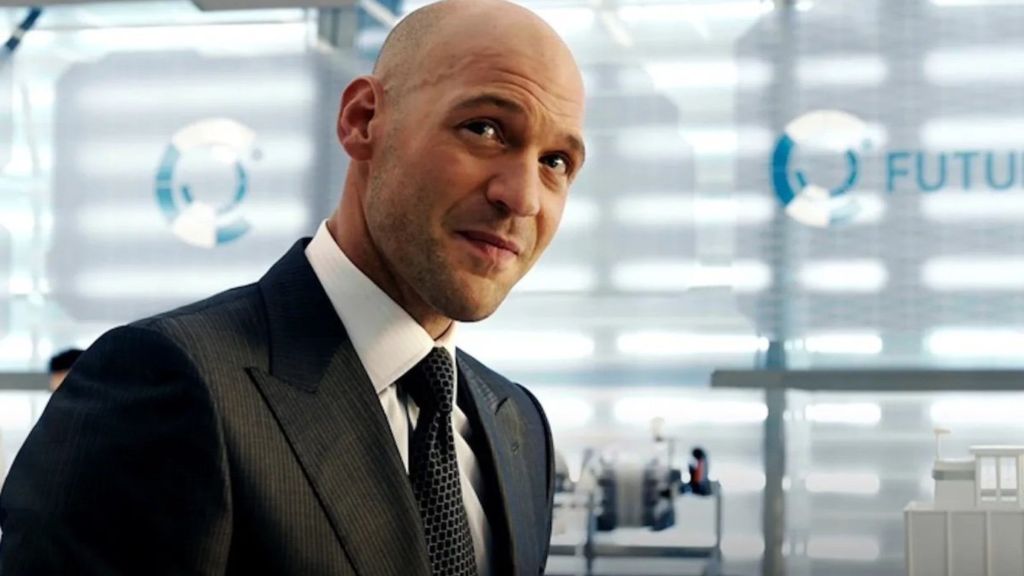
Edgar Wright spent years developing Ant-Man, co-writing the screenplay with Joe Cornish even before Iron Man reached theaters in 2008. Once the MCU began to take shape, the filmmaker was officially brought aboard the universe, tasked with introducing Ant-Man to the general audience. In 2012’s San Diego Comic-Con, Wright even played test footage to enthusiastic crowds, demonstrating the shrinking visual effects and the tone he planned for the finished film. Despite that level of commitment, Marvel and Wright jointly announced his departure in May 2014, three months before filming was scheduled to begin, citing creative differences.
Wright later attributed the split to a fundamental difference in expectations, as he wanted to make a heist movie first and foremost, closer in tone to the kinetic editing style of his earlier film Scott Pilgrim vs. the World. The studio, however, wanted a director working within the MCU’s established visual style and tone. As a result, Peyton Reed took over as director within weeks, and Adam McKay joined Paul Rudd for a script rewrite under a compressed production schedule before filming began that August.
Ant-Man opened domestically to $57.2 million, less than a third of the $191.3 million Avengers: Age of Ultron earned in its own domestic opening two months earlier that same year. The film went on to close its theatrical run with a worldwide total of $519.3 million against a reported $130 million budget, a profitable result that was still below expectations at the height of the MCU hype. Critical reception followed a similar pattern, as Ant-Man settled at 64 out of 100 on Metacritic, a positive score that was still below the MCU average. The results were great, considering all the behind-the-scenes drama, but fans were still disappointed about Marvel Studios scrapping the original project.
Despite a Shaky Start, Paul Rudd’s Ant-Man Is Still Great
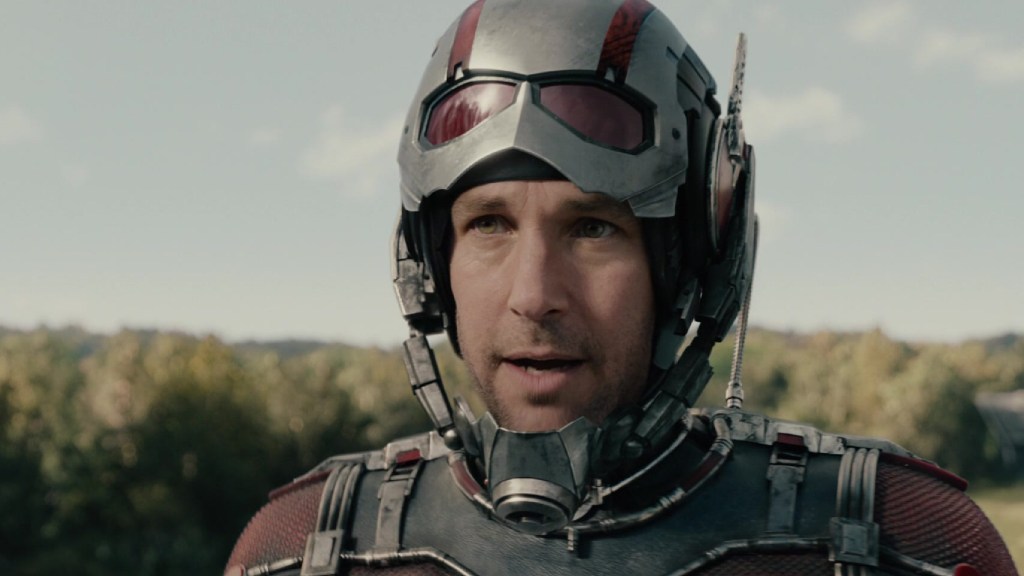
Fortunately for the MCU, Rudd’s performance in Ant-Man became the film’s best asset. That happened, in part, due to how involved Rudd was in the process, receiving a co-writing credit alongside Adam McKay on the final script and giving direct input on how Scott Lang would sound and behave. The process turned Lang into an approachable, self-deprecating counterpoint to bigger MCU personalities such as Tony Stark (Robert Downey Jr.) and Thor (Chris Hemsworth), allowing audiences to relate to Ant-Man’s small-scale struggles.
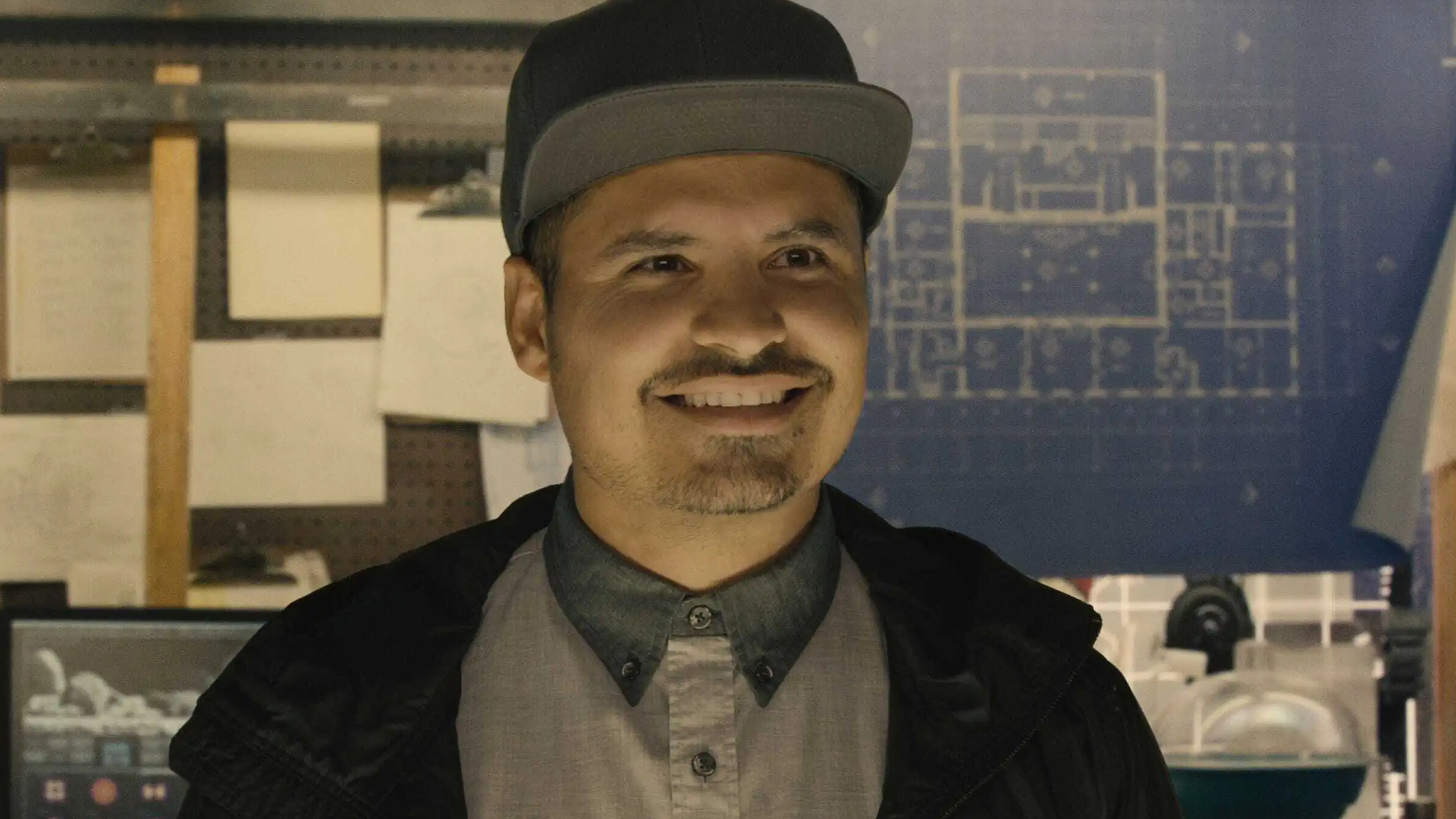
Lang became a recurring piece of the broader MCU. He returned for Captain America: Civil War in 2016, then anchored Ant-Man and the Wasp in 2018 before serving as a main cast member in Avengers: Endgame, where Lang’s escape from the Quantum Realm set the entire time heist plan of the third act in motion. Rudd reprised the role again in 2023’s Ant-Man and the Wasp: Quantumania, and Marvel confirmed that he will return once more for Avengers: Doomsday, joining a cast that includes Steve Rogers (Chris Evans) and Reed Richards (Pedro Pascal). That means what began as a controversial behind-the-scenes dispute turned into one of the more lovable characters in the franchise, from the Infinity Saga into the Multiverse Saga.
Ant-Man is currently available to stream in its entirety on Disney+, alongside both Ant-Man and the Wasp and Ant-Man and the Wasp: Quantumania.
Do you think Edgar Wright’s original vision forAnt-Man would have made for a stronger MCU debut than the film Marvel ultimately released? Leave a comment below and join the conversation now in the ComicBook Forum!