31 Years Ago, A Movie Based on a Banned Game Made a Very Controversial Change That Made It a Box Office Smash
Video games can be difficult to translate to film. What works in the context of a game may not in a movie, resulting in a product that feels watered down from its source material. But not all change is bad; often, it can even attract new viewers. 31 years ago, one of the most iconic video game movies hit theaters. Mortal Kombat (1995), adapted from the infamous fighting game series of the same name, made a decision that, while controversial with fans, allowed the film to be a box office smash, grossing over $122 million.
The Mortal Kombat games, known for their high level of blood and gory finishing moves, were the subject of intense controversy when they appeared in arcades, leading to censorship and even outright banishment in several countries. In contrast, the Mortal Kombat movie contained little of the blood or Fatalities of the game which inspired it. Surprisingly, this was a big reason for the movie’s success, as it transformed the violent games into something much more digestible for audiences of the ’90s.
Mortal Kombat Brought the Controversial Video Games to the Big Screen
When the original Mortal Kombat hit arcades in 1992, it quickly garnered attention. This was largely due to the game’s violence. Unlike other fighting games of the era, Mortal Kombat didn’t shy away from showing blood — and a lot of it. Just striking your opponent caused blood to fly, and then there were the “Fatalities,” finishing moves which allowed you to defeat your opponent in gruesome ways, such as tearing out their spine. It was this violence which made Mortal Kombat the subject of controversy. The game was heavily censored upon its console release, swapping out blood for sweat, and even faced outright banishment in select countries.
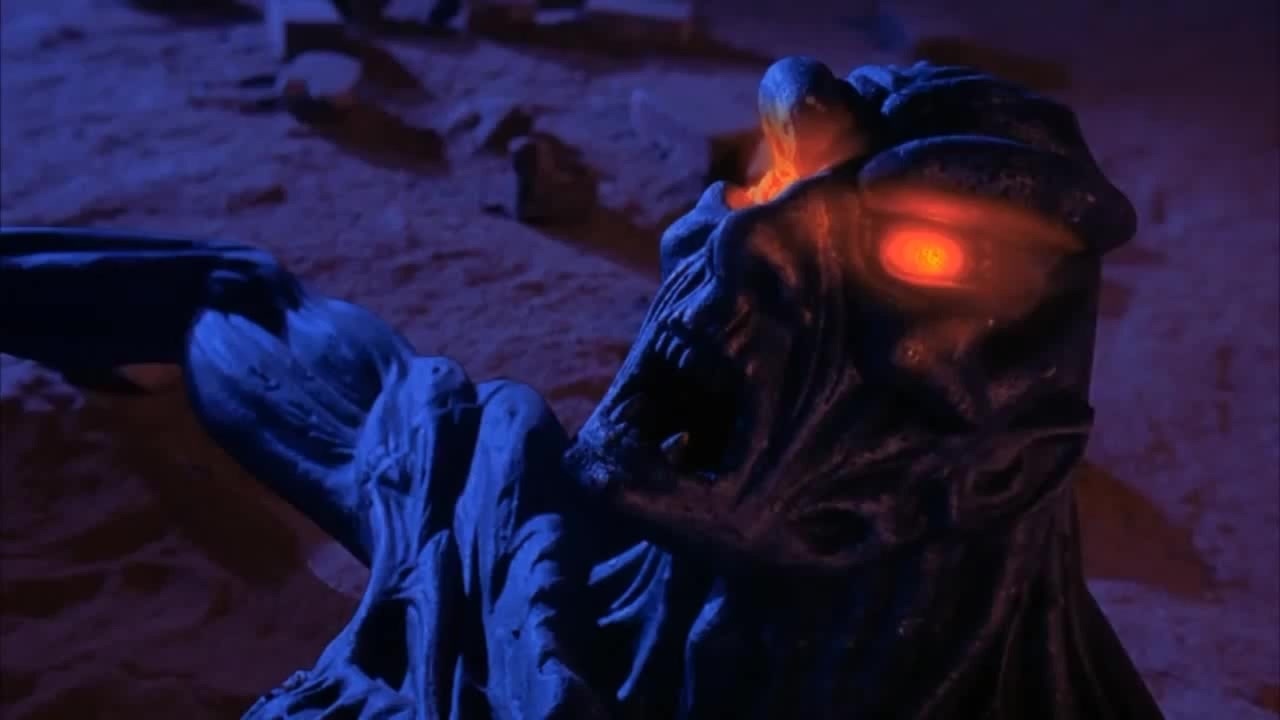
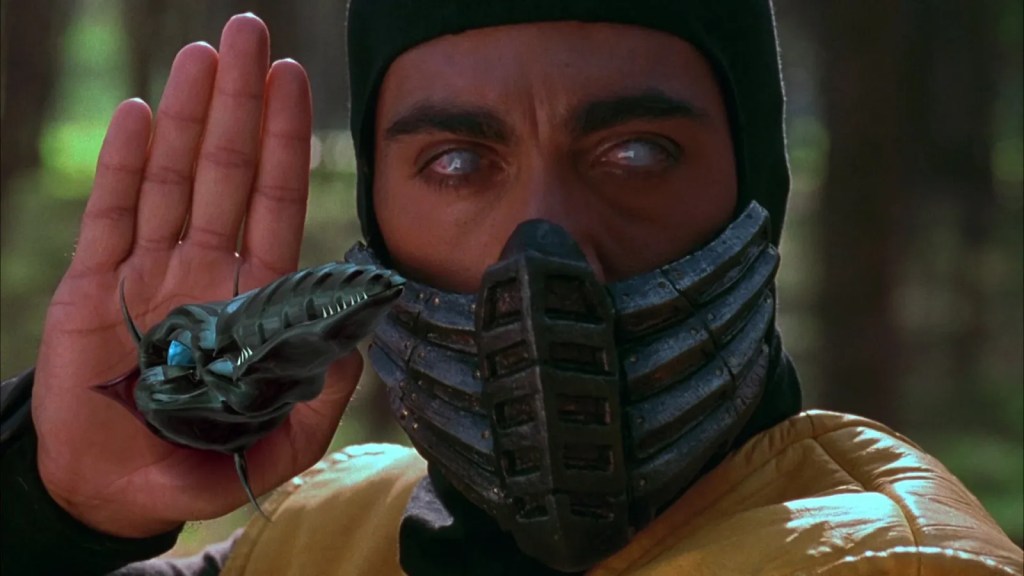
But Mortal Kombat’s violence was also what attracted many fans. Come 1995, Mortal Kombat was at the peak of its popularity, having released two sequels. It only made sense for Hollywood to bring it to the big screen. Hitting theaters on August 18th, 1995, Mortal Kombat acts primarily as an adaptation of the first game. It sees Earthrealm warriors Liu Kang, Johnny Cage, and Sonya Blade fighting in “Mortal Kombat,” a tournament held by the evil sorcerer Shang Tsung — with the heroes under the tutelage of the thunder god, Raiden.
With impressive set design and even more impressive action sequences, Mortal Kombat perfectly captured the spirit of the game. There was one important aspect missing, however: the blood.
The Mortal Kombat Movie’s Lack of Blood Was Controversial, But Necessary

With a PG-13 rating, Mortal Kombat is far removed from its violent source material. Though there may be many fight scenes, they lack the games’ bloody aesthetic. As it turns out, this was a conscious decision. New Line Cinema wanted to be as close to the game as possible while maintaining a PG-13 rating; this led to a major toning down of the violence. Any deaths in the film tend to be offscreen, and the ones that aren’t are done on nonhuman characters. There’s certainly no spine-ripping or heart-tearing to be found here.
For fans of the games, it was a controversial choice. Mortal Kombat’s gore was part of its identity. To remove that felt like missing the point entirely. But in many ways, Mortal Kombat’s lack of blood contributed to its success. It was a box office success, earning over $122 million. It’s unlikely it could have achieved that had it maintained the same level of blood from the games — at least not in ’95. Keeping the gore would no doubt have alienated audiences at the time.
Today, while we’re lucky to now have Mortal Kombat films which embrace the violence of the games, the ’95 movie remains a faithful adaptation in every other way. The characters and fight scenes seem torn right out of the original game, capturing its essence of fantasy-meets-martial arts. Though the lack of blood may be disappointing to fans, the decision to remove it was made in an effort to draw in audiences who had not played the games. Clearly, it worked, as 31 years later, Mortal Kombat (1995) is still remembered fondly, showing that sometimes bold decisions pay off when making a movie. Plus, that theme song still slaps.