4 Movies from 2008 That Confirm Hollywood Was at Its Creativity Peak Twenty Years Ago
It’s pretty common to hear people say “they don’t make movies as they used to anymore,” right? But very few years have backed up that argument quite like 2008. In the span of just a few months, Hollywood released movies that couldn’t have been more different from one another, yet they all had one important thing in common: they were willing to do more than what was expected. There was genre reinvention, an animated movie that thought outside the box, a drama that’s practically the definition of creativity, and a bold comedy. And when you take a step back and look at all of them together, it’s hard not to come to the conclusion that the industry pulling something like this off again today is incredibly unlikely. None of them followed the same formula, yet every single one was a major success.
By trusting strong concepts, distinct directorial visions, and stories that felt very different from the norm, here are 4 late 2000s movies that show just how much more willing Hollywood used to be to take creative risks. Back then, it felt like surprising audiences mattered more than simply chasing the biggest box office possible.
4) The Dark Knight

One thing is certain: The Dark Knight completely changed the game for superhero movies. And why? Because very few films in the genre have managed to blend crime and psychological thriller elements in a way that appealed even to people who had no interest in comic books. The second installment in Christopher Nolan’s trilogy follows Batman (Christian Bale) as he tries to stop Gotham from descending into chaos after the Joker (Heath Ledger) arrives, turning every confrontation into a test of the hero’s moral code. And what makes the movie stand out is how much of its story is built around serious themes like morality, corruption, and even terrorism.
Back then, it was easy to put a popular superhero on the big screen and rely on action sequences, but Nolan took Batman and used him to make a genuinely great film first and foremost. The best part is that it still delivered everything you’d expect from a blockbuster, despite having no connection to the DCEU or the DCU (mainly because neither of them existed yet). So instead of leaning on fan service or the kind of shared-universe formula superhero movies are known for today, The Dark Knight focused on moral dilemmas, layered characters, and consequences. That applies to Nolan’s entire trilogy, of course, but this is the one that rises above the rest. Even today, it still feels years ahead of its time.
3) Tropic Thunder
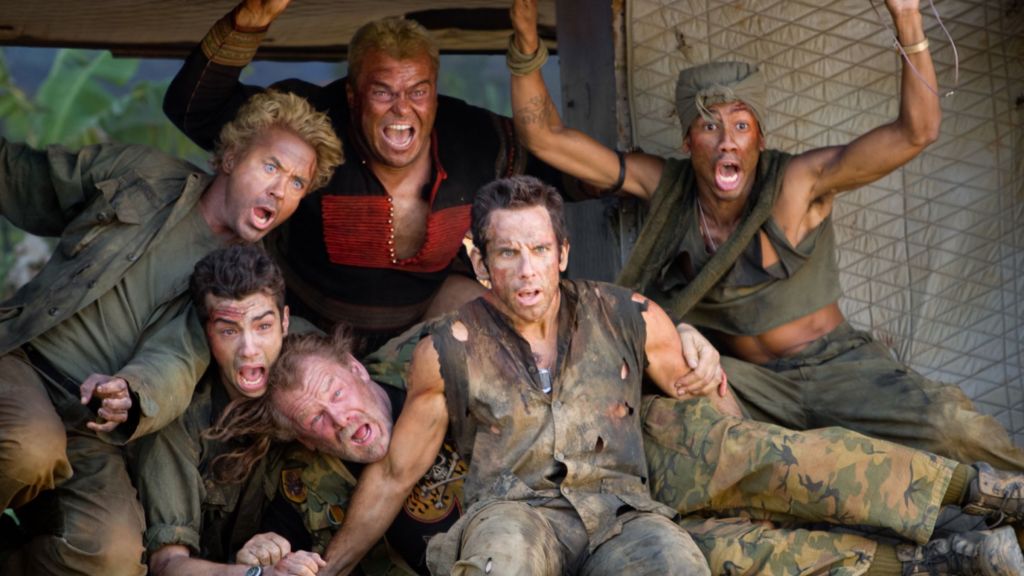
You know those really meta movies? Tropic Thunder absolutely nails that, even if parts of it haven’t aged particularly well. It’s honestly hard to imagine a big studio making something like this today. The film follows a group of incredibly self-absorbed actors who, while shooting a big-budget war epic, end up in a real-life conflict without realizing the danger they’re actually in. From there, it turns into a brutally funny satire of Hollywood, taking aim at awards-hungry actors, egotistical directors, profit-driven executives, and just about every cliché the industry has to offer.
And no, this is never a movie that plays it safe — in fact, it’s the complete opposite. Tropic Thunder takes huge comedic swings because it trusts the audience to understand the context and recognize that the real target has always been the entertainment industry itself. At the same time, even though it never takes itself seriously, what it’s trying to say absolutely is. Overall, there’s a level of boldness here that was easier to pull off in the 2000s, when studios were much more willing to back expensive comedies and unpredictable stories. Nowadays, there are just more limitations because times have inevitably changed. Even so, this is one of the best examples of just how creative mainstream entertainment could be during that era.
2) The Curious Case of Benjamin Button
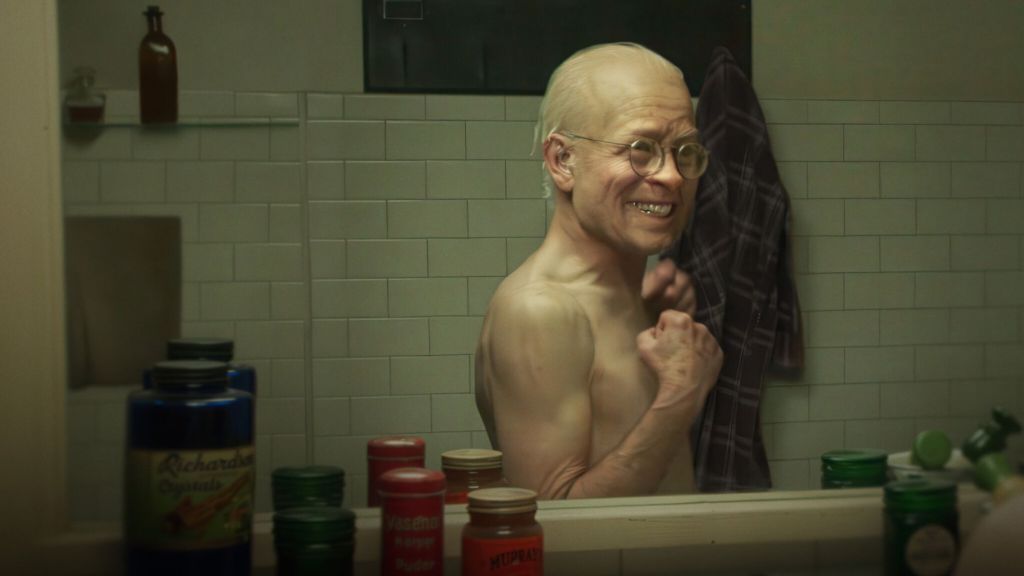
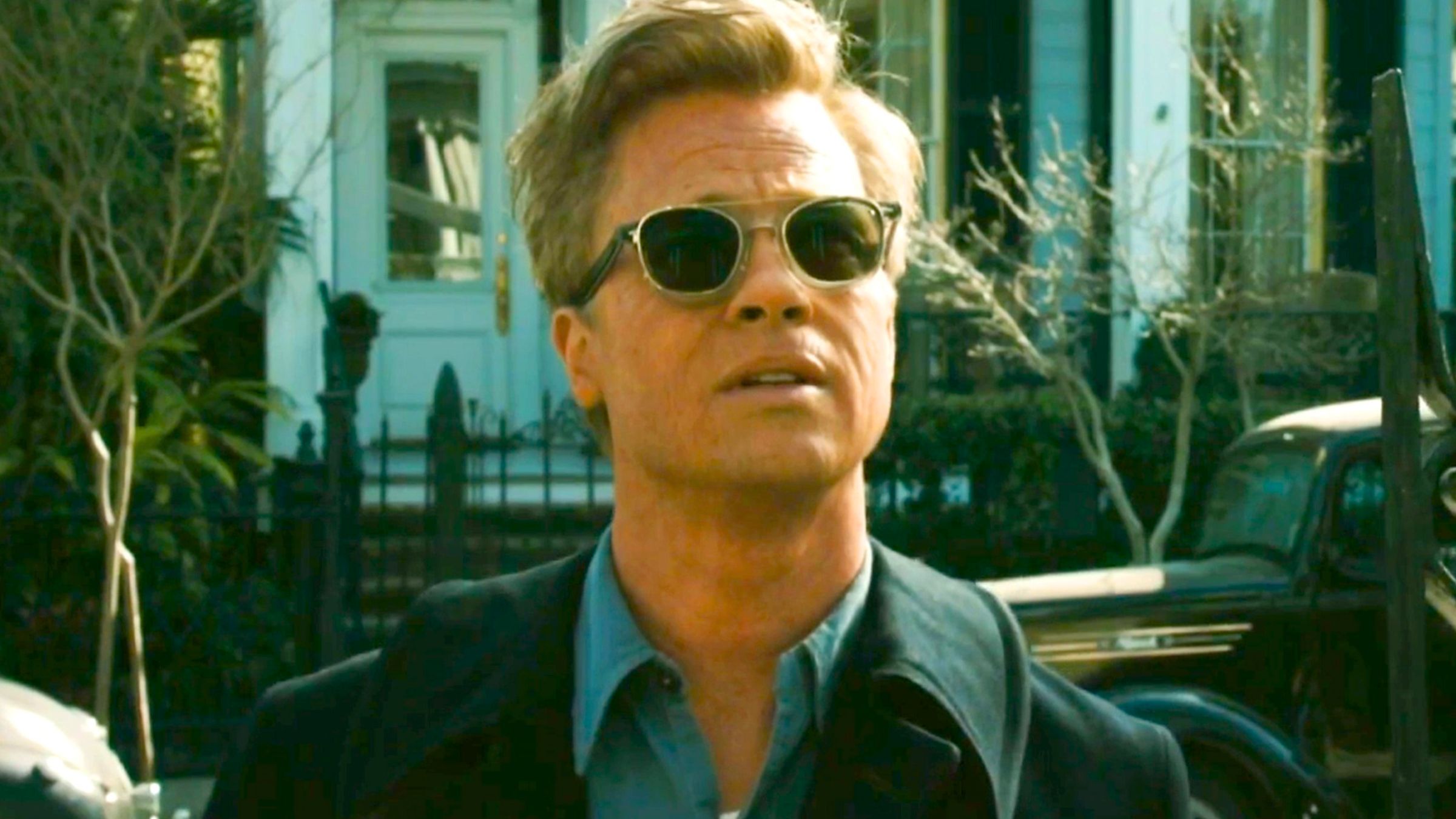
People don’t talk about The Curious Case of Benjamin Button as much anymore, but there was a time when it was everywhere — and it’s easy to see why given its incredibly original premise. The story follows Benjamin (Brad Pitt), a man who is born looking old and slowly grows younger as the years go by. As he tries to build a normal life, he falls in love with Daisy (Cate Blanchett), totally aware that the two of them are quite literally moving through life in opposite directions. It’s one of David Fincher’s biggest productions, and in the hands of a different director, it could have turned into nothing more than a visual effects showcase.
And yes, there’s simply no way to tell this story without technology. However, here, every visual effect exists to serve the characters rather than distract from them. The result is a mature, sprawling, deeply reflective drama that received the kind of budget usually reserved for blockbuster franchises. Pulling off that balance between technical innovation and a narrative this unconventional isn’t something every filmmaker can do, especially in the context of the 2000s. The Curious Case of Benjamin Button is one of the best examples of Hollywood thinking big while still taking a chance on something completely new.
1) WALL-E
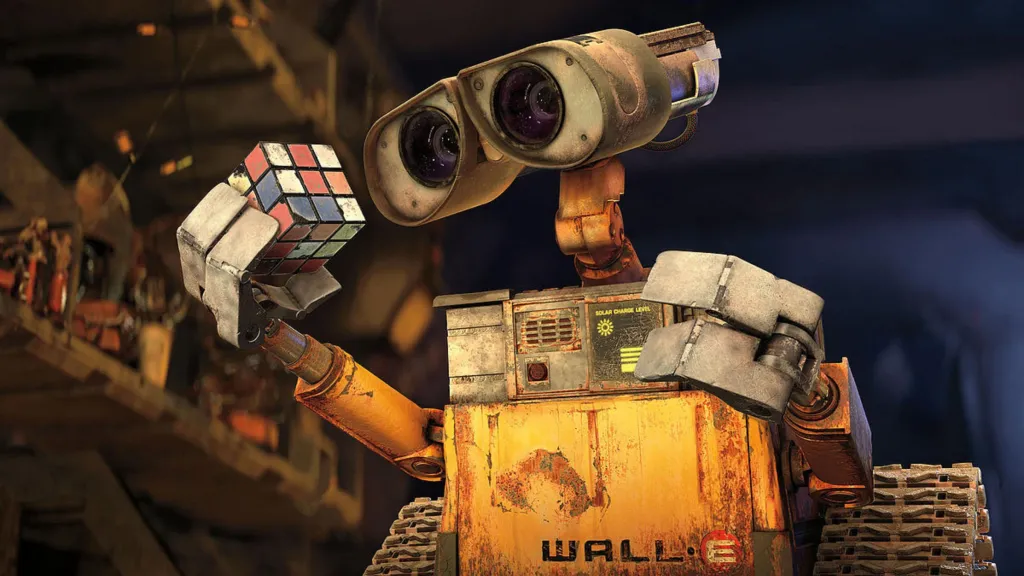
When WALL-E came out, it was a game changer. And what’s surprising is that, compared to many animated movies released today, it doesn’t seem to have the typical recipe for a box office hit at all. The story follows a small waste-collecting robot who spends his days cleaning an abandoned Earth until he meets EVE, a sleek probe robot sent to investigate the planet. From there, the two embark on an adventure that shapes the future of humanity. The catch is that a huge portion of the movie is told with almost no dialogue, relying instead on visual storytelling, expressive animation, cinematography, and its beautiful score. Does it work? Incredibly well. So many animated films try to win people over with nonstop jokes, and they often end up feeling far less memorable because of it.
Also, the entire movie is built around a larger message. Its slower pace and almost entirely visual storytelling explore themes like consumerism, environmental collapse, and humanity’s dependence on technology without ever feeling preachy or turning into a lecture. And that’s what makes WALL-E such a perfect example of Hollywood at its creative peak, because it shows what can happen when a huge studio is willing to pour resources into an unconventional idea and trust its filmmakers to bring that vision to life exactly as they imagined it.