40 Years Ago, One Toy Company Used DC Comics to Rip-Off Masters of the Universe And They Got Away With It
When designing the original Masters of the Universe line, Mattel made a bold decision to try and incentivize kids to make He-Man the first and only toy on they asked for: the line’s figures, vehicles, and playsets would be at an all-new 5.5” scale, lacking cross-compatibility with every other action figure on the market. It was a risky business strategy for Mattel, but it paid off, with kids captivated by the strange and colorful world of Eternia, and Masters of the Universe the most popular action figure of 1982. However, as with success anywhere else in the business world, any good idea comes with its share of imitators. For Masters of the Universe, this was Remco Toys and DC Comics‘ The Lost World of Warlord.
Remco was a long-standing player in the toy world, established in the forties. They offered budget toys, bridging the gap between the cheap, impulse purchases a parent might make at the drug or grocery store and the more expensive toys they might buy for a Christmas or birthday. While no stranger to licenses, Remco was fairly new to action figures when, in 1982, they produced two DC action figure ranges with Warlord and Sgt. Rock. Each was designed to compete with another popular toyline, with Warlord emulating Masters of the Universe and Sgt. Rock borrowing from G.I. Joe.
Who is DC Comics’ Warlord, & Why Give Him His Own Toyline?
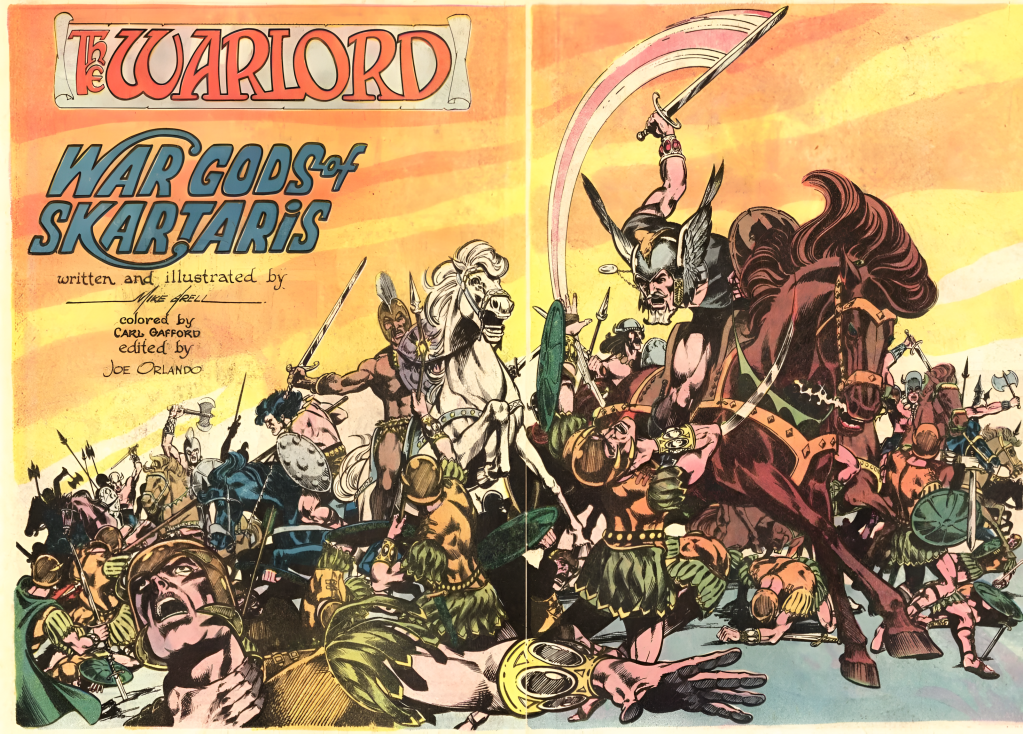
Warlord first appeared in 1976’s DC 1st Issue Special #8, an anthology title with a unique gimmick: every issue was a try-out for a new comic, meant to gauge reader interest for a monthly solo book. Some of these were existing DC characters (Metamorpho, Doctor Fate) being given a shot at their own comic, most were new concepts like Warlord. Of the new concepts, Warlord proved the most successful, becoming one of only two (along with a revival of Jack Kirby’s New Gods) to actually spin off into its own comic. Warlord ran for one hundred and thirty-three issues, surviving the mass cancellations of 1978’s “DC Implosion” and the company-wide cleaning house that was Crisis on Infinite Earths.
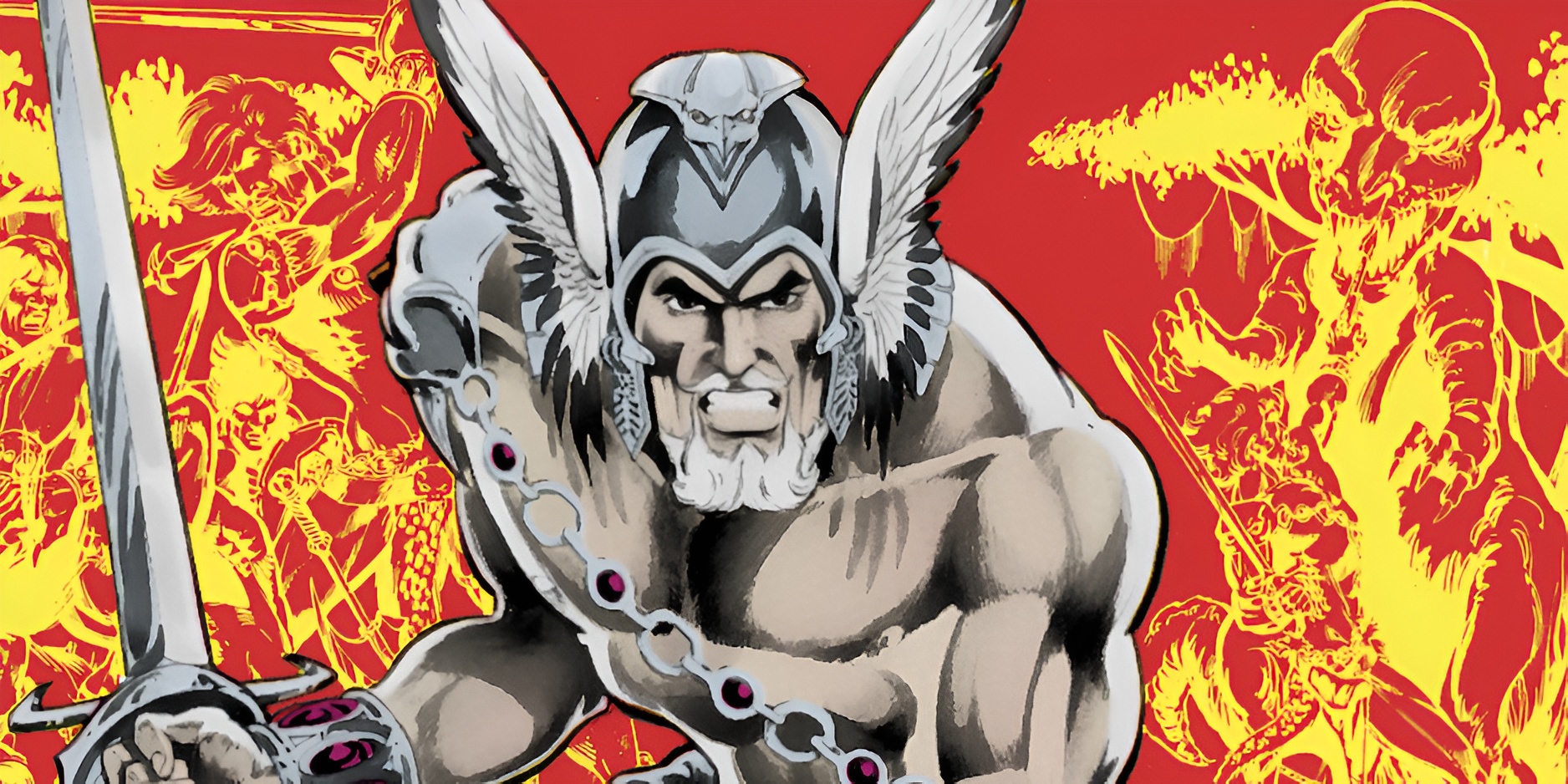
Inspired by the Pellucidar novels of Edgar Rice Burroughs and the popularity of sword and sorcery comics like Marvel’s Conan the Barbarian, writer artist Mike Grell envisioned the saga of “Warlord.” Warlord was Travis Morgan, an American Air Force pilot who is sucked into a magnetic vortex that carries him to the center of the Earth while flying over the North Pole. There, Morgan discovers the verdant lost world of “Skartaris,” full of dinosaurs, mythical beasts, and warring tribes. Morgan becomes the “Warlord” of Skartaris, battling alongside the noble Princess Tara to defend the realm from the wicked sorcerer Deimos and other threats.
Although a decent seller for DC, Warlord would be far from even most hardcore comic fans’ picks for a dedicated toyline. The decision was motivated entirely by He-Man: Masters of the Universe was, along with G.I. Joe, the most popular action figure on the market. Remco wanted to be able to market a toy at the same scale with similar-looking characters, using a pre-existing license to make it feel less like a transparent He-Man rip-off. To reduce lead time, this would ideally be a license they already had, and Remco had been producing DC Comics toys since the seventies. Sharing a common influence of Conan the Barbarian, Warlord was the DC character easiest for Remco to sell as a Masters of the Universe-style toyline, owing to its similar fantasy character designs.
The Heroes of The Lost World of Warlord
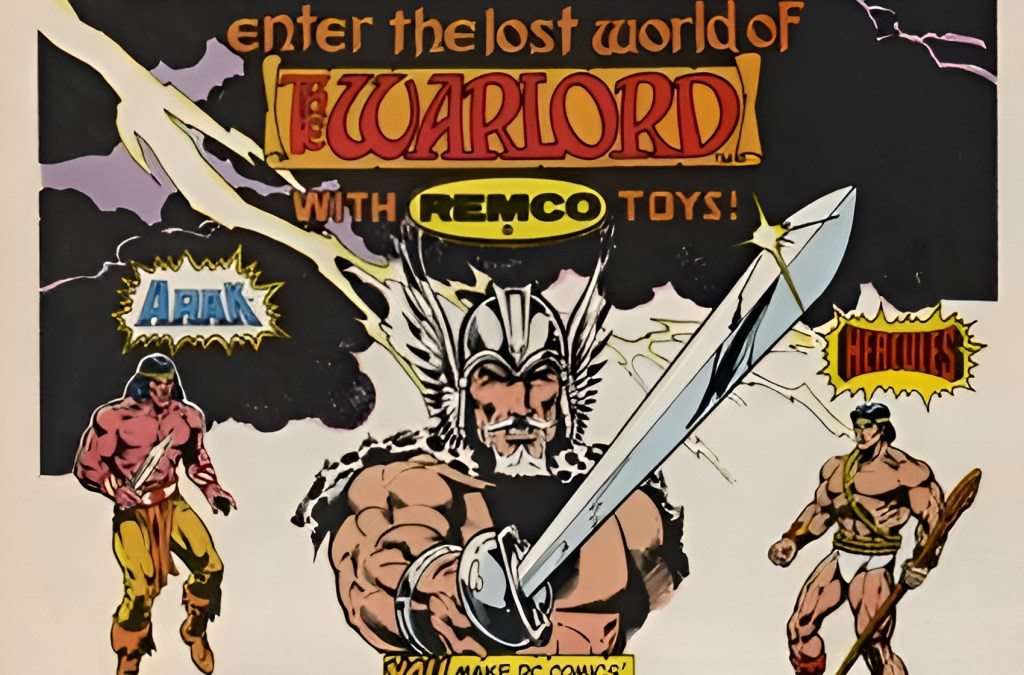
Remco produced six figures for The Lost World of Warlord, four from Warlord’s own comic, and two from other DC fantasy titles. All six were released in a single wave in late 1982, built off of the same basic body, modified with cloth and plastic clothing. Easily damaged or lost, these accessories are exceptionally difficult to find on loose samples of the Remco Warlord figures today. Each figure also included one or more character-specific weapons.
Remco’s figure of Warlord is depicted in a simplified version of his comics costume, sporting a white leopard-print cape, loincloth, and his trademark winged, viking-like helmet. Warlord is armed with a longsword bearing a more-than-cursory resemblance to He-Man’s own “Sword of Power.” Fighting alongside Warlord are his companions Machiste and Mikola Rostov, both key allies in the comics series.
Machiste is an itinerant king of Skartaris, introduced in the title’s second issue. Machiste is Warlord’s trusted right hand – despite losing his own right-hand and having it replaced with a silver mace. Rostov, easily the single most obscure DC character ever to receive his own action figure, is a master fencer and werewolf. For budgetary reasons, Remco depicts neither Machiste’s awesome mace hand nor Rostov’s lycanthropic form in the line, despite both being eminently toyetic.
Why Remco’s Warlord Line Only Came With One Villain
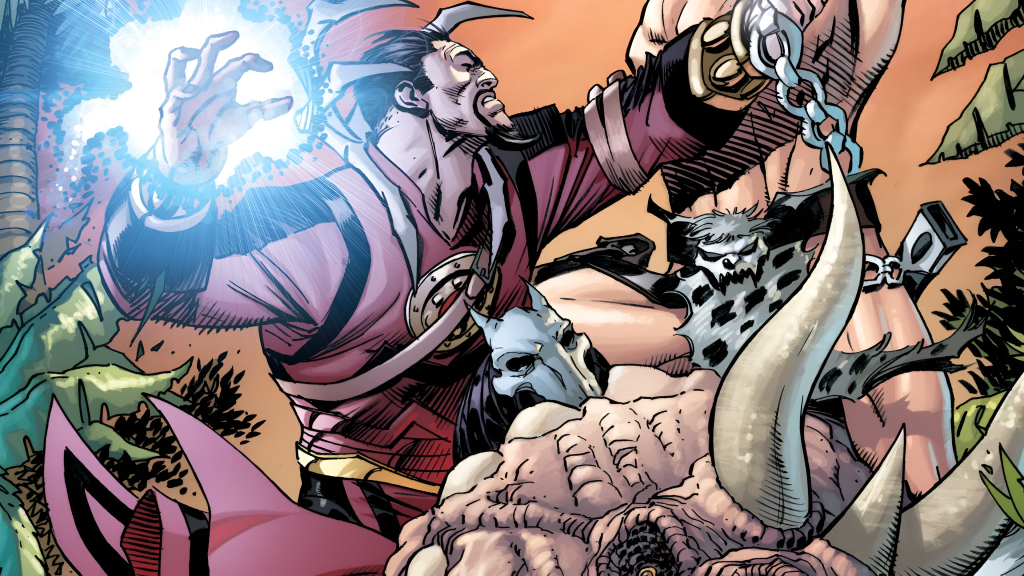
Warlord’s arch-nemesis, the sorcerer Deimos, is the line’s only villain, though the bad guy ranks are bolstered by Remco’s patently-insane Warrior Beasts line. The Warrior Beasts were a secondary He-Man knock-off toyline, built off the Warlord tooling and featuring dinosaur and monster heads from Remco’s lower-budget drug store toy offerings. In a bold move, the cardback for the figures even boasts that all six play “with Warriors Beasts, Masters of the Universe … and other 5 ½ inch action figures.”
The last two characters in the line are DC’s Hercules and Arak. Hercules is an odd choice for the line, not appearing regularly in a DC Comic at the time the line was made. He was the feature character in the 1975 series Hercules Unbound (its trade dress the basis for the figure’s packaging), which depicts the immortal Hercules battling in the post-apocalypse of DC’s “Great Disaster” alongside Kamandi and the Atomic Knights.
Debuting in a bonus insert story with Warlord #48, Arak is a Native American warrior who is brought back to Europe by Vikings in their early explorations of North America. In the fifty issues of his solo title, Arak battled the heroes and monsters of various Indo-European folklore and mythology, and encountered historical figures like Charlemagne.
The Cancellation & Legacy of The Lost World of Warlord
Remco produced an extremely limited number of “War Team” figures bundled with plastic horses, and had plans for a playset to accompany the line. The playset never saw production, and the line was cancelled after its first wave. Today, the Lost World of Warlord is best remembered for being heavily advertised in DC’s comics of 1982 and 1983, provoking the curiosity of many readers who didn’t see these toys as they came and went from store shelves. It’s strange to imagine that in the years between Mego’s Super-Heroes and Kenner’s Super Powers, these were some of the only licensed DC toys on shelves.
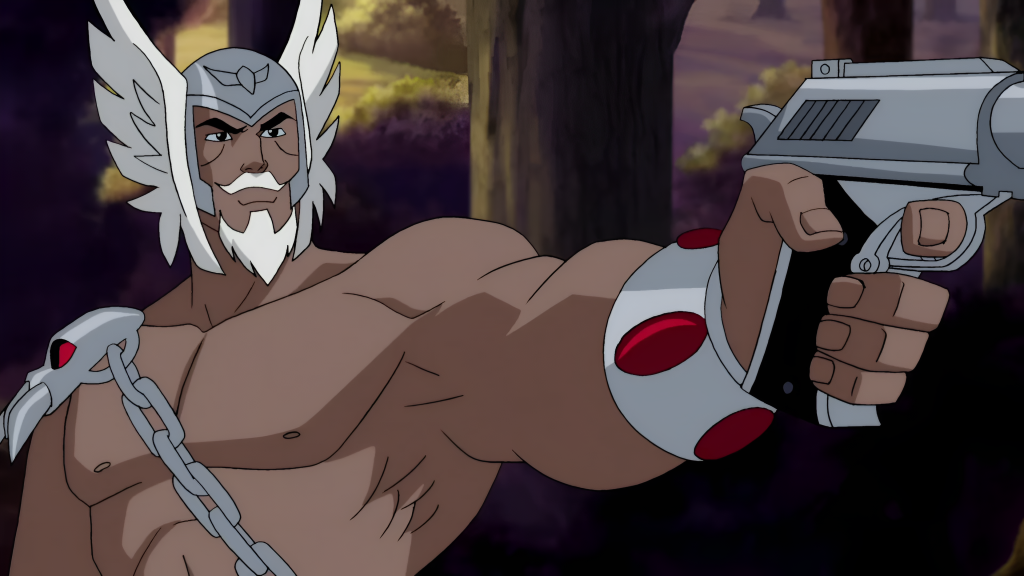
Though versions of Hercules have continued to appear in DC Comics, this particular iteration was rendered non-canon by a 1983 DC Presents storyline that establishes the “Atomic Knights” adventures as the fantasies of a comatose Gardner Grayle. Arak has also faded into the background of the DC Universe, best remembered for appearing in this very line. Warlord himself has remained a cult favorite in the years since his comic’s 1988 cancellation, even headlining an episode of the beloved Justice League Unlimited in the series’ third and final season. Machiste and Deimos are featured as well.
In the decades since The Lost World of Warlord, many more Marvel and DC toylines have been rife with bizarre and obscure character choices – though with the key difference that they’re always digging deep into the world of an A-list hero like Batman, Spider-Man, or the X-Men. There’s nothing else quite like The Lost World of Warlord, a whole line propped up by a cult hero and his supporting cast, along with two D-list heroes unknown to even the most dedicated comics fans.
Did you know about this obscure DC toyline? Leave a comment below and join the conversation now in the ComicBook Forum!