5 Animated Movie Franchises That Proved Animation Has Never Been Just for Kids
It might not seem like as much of an issue today, but there has always been a certain amount of discrimination toward animation audiences, since children are generally the ones who consume this type of content the most. It is almost as if there were an unspoken rule that, once you grow up, you start watching “real” movies and leave behind the stories you enjoyed when you were younger. However, some animated movies that went on to become franchises make that separation difficult to maintain, because even though their stories are generally entertaining, they also have very specific messages and meanings that older audiences are often much more likely to relate to.
The point here is not that adults cannot also enjoy the jokes and purely entertaining moments in an animated film; it is about how some of them tell stories that make more sense once you are no longer a child. Here are 5 examples of franchises that do exactly that.
5) Shrek
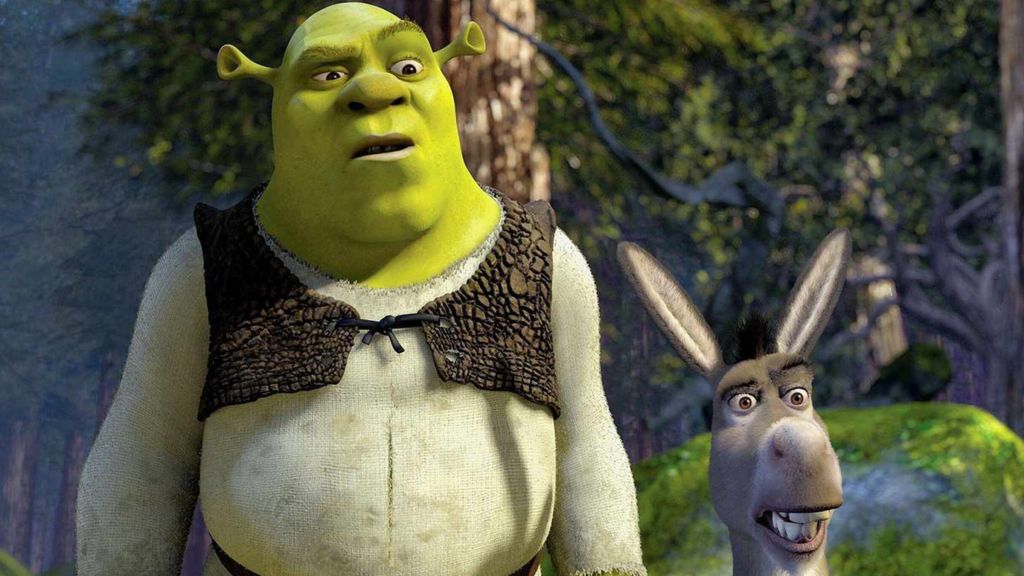
Shrek is one of the franchises with the longest history on this list, considering it began in 2001 and is set to receive another installment soon. A lot of people grew up watching it, and it probably would not still be embraced by that same audience today if all it had to offer were jokes about fairy tales. Fortunately, there is a lot more going on beneath the surface. The story initially follows an ogre who leaves his swamp to rescue a princess, only to discover that Fiona is not exactly the damsel in distress he expected to find. The plot is essentially a parody, but the real secret lies in the way it chooses to use that parody.
This is a story that uses that device not just to make fun of fairy tales, but to talk about things children can understand and adults know all too well: the pressure to seem more likable, more attractive, or more “normal” in order to be accepted. The protagonist spends much of the story believing that the problem is that the world does not like ogres, when, in reality, he has also spent his entire life pushing people away. Of course, the Shrek franchise is packed with pop culture references and jokes, but its message about acceptance, differences, and love is what makes it all the more impactful for older audiences.
4) The Incredibles
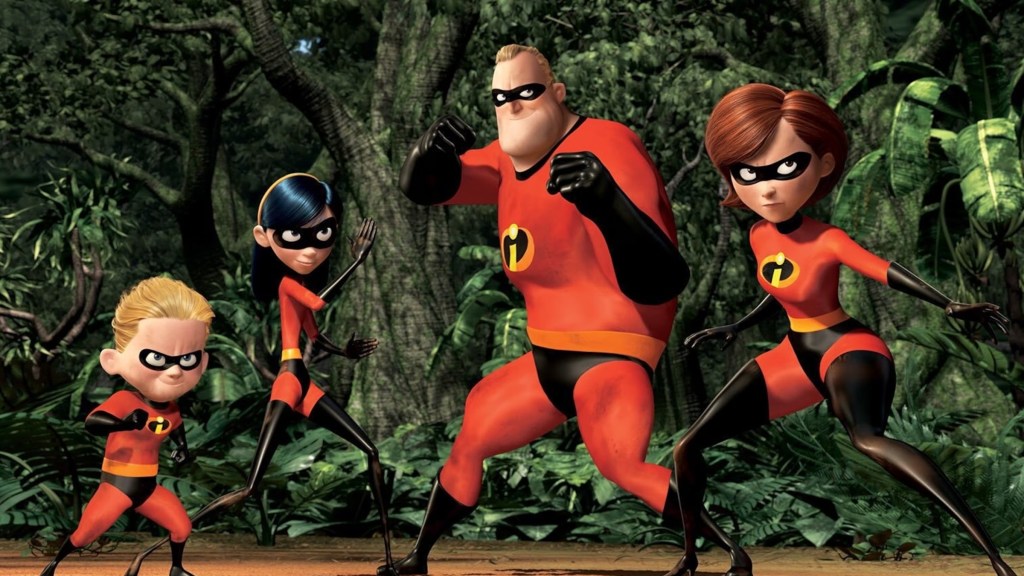
For a long time, people had to make do with just two The Incredibles movies, which was enough, but the franchise was so consistently good from beginning to end that it always felt like it needed one more — and thankfully, that is finally happening. This is a film about a family of superheroes, but its central conflict is something many adults will probably understand better than younger viewers. The story follows Bob/Mr. Incredible, as he lives an ordinary life after superheroes are banned from operating. Frustrated by that reality, he starts secretly going back to his old ways in an attempt to reclaim the life he had before. In doing so, however, the movie becomes a story about someone who does not know how to deal with his own dissatisfaction.
Maybe when you grow up watching a franchise, you only understand certain nuances once you get older, but The Incredibles is so clear about what it wants to say that anyone can see how mature the animation really is. It is a movie about routine, marriage, raising children, and that very specific feeling of looking at your life and thinking you should be doing something more important. Even the family’s powers reflect their personal struggles: Violet is invisible because she is insecure, while Dash is always held back because he has too much energy, for example. There is comedy and action mixed into all of this, obviously, but at its core, the story is about a family trying to figure out how to function together.
3) How to Train Your Dragon
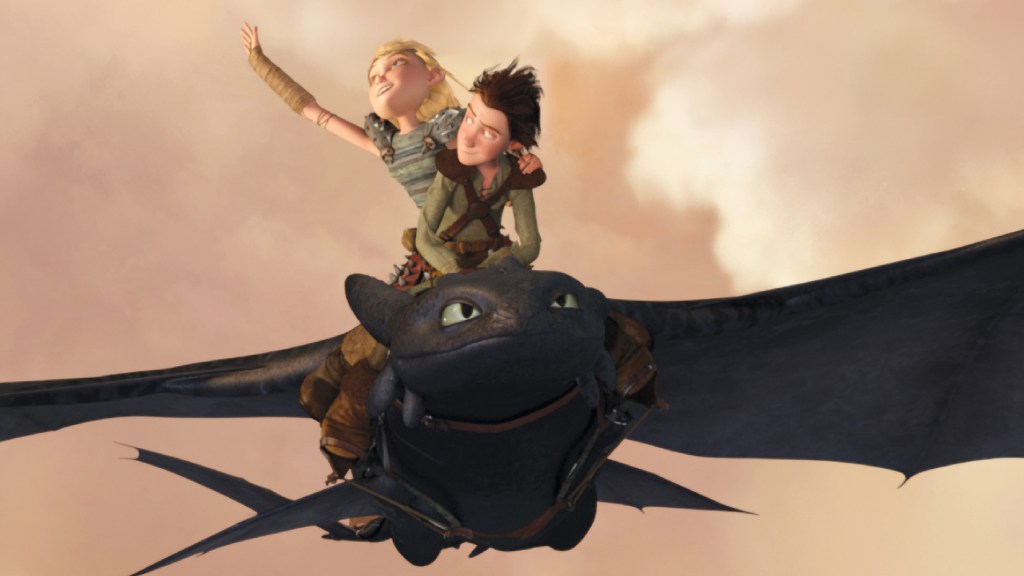
The biggest advantage of How to Train Your Dragon is that it never treats Hiccup like a child who has to remain the same person throughout the entire franchise. In the first movie, he is a young Viking who cannot fit into the culture of his own village and ends up befriending Toothless, a dragon who is supposed to be his enemy. From that point on, the protagonist begins questioning everything he has been taught about dragons and, more importantly, the kind of person his father expects him to become. That alone would be enough to build a good coming-of-age story, right? But we continue following Hiccup as he actually grows up.
We see a boy become a leader, take on responsibilities, and deal with losses and decisions that cannot be solved simply by going on another adventure, and that evolution is what keeps How to Train Your Dragon from feeling childish or stuck in the same place. Hiccup does not spend three movies learning the same lesson about friendship; he goes through different stages of life, and his relationship with Toothless changes alongside him. At first, the two of them have to learn how to trust each other, and later, Hiccup has to understand that taking care of someone does not always mean keeping them by your side forever. Overall, it’s a complex story, even if kids might not see it that way.
2) Inside Out
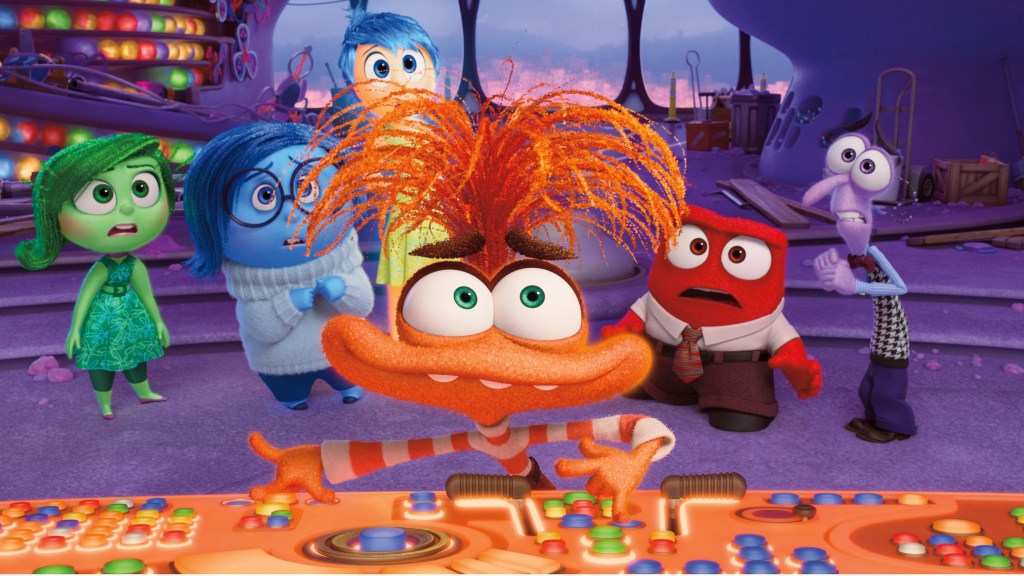
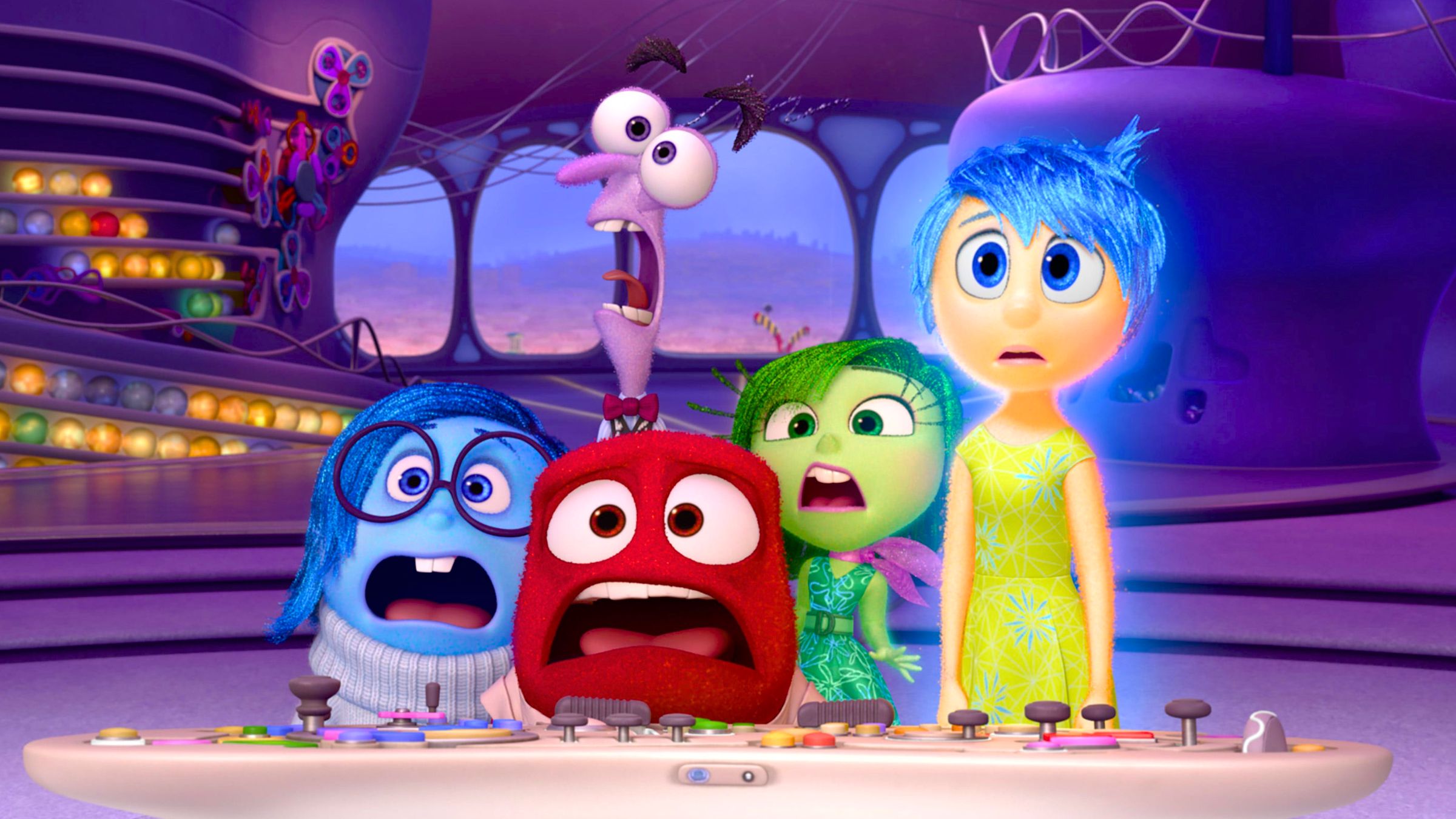
If there is one film that adults constantly point to as proof that animation is definitely not just for children, it is Inside Out (and especially its sequel). Even though its characters and visuals are incredibly appealing to kids, the story is really speaking to people who are actually experiencing life and all the complicated emotions that come with it. The creative idea at the center of the franchise is to explore the emotions of a young girl living inside her head. But what makes it so smart is that it takes certain subjects seriously instead of just trying to be funny all the time. The story follows Riley after her family moves to a new city, a change that completely disrupts everything she knows. So Joy, Sadness, Anger, Fear, and Disgust have to work together to keep her okay.
What makes Inside Out especially interesting, though, is that the emotions grow alongside Riley, learning what she should, can, wants, and has the right to do. It’s essentially a look at how a person matures during childhood and becomes a teenager. And when Anxiety enters the picture, it creates a challenge that much of the adult audience will probably understand and feel far more deeply than children. In other words, the movies are almost like a therapy session, just in a lot more fun way. It manages to speak directly about things many adults are still trying to understand about themselves.
1) Toy Story

Toy Story can absolutely be for children since it’s a franchise that entertains the whole family in a general sense, but it tends to hit adults much harder because it deals with experiences kids have not gotten there yet. Of course, with the fifth movie, that changes somewhat, since it is more focused on the present day and technology (which makes it easier for children and teenagers to relate to). Even so, the meaning behind the installments tends to carry more weight for people who have already grown up. The original story follows Woody, a toy who believes he is Andy’s favorite until Buzz Lightyear arrives, who threatens to take his place.
For a child, this works as a story about toys that come to life, but older viewers can see the fear of being replaced by someone younger, more interesting, or more important to the person you love. As Andy grows up, the toys have to deal with the possibility of being abandoned, forgotten, and left behind. And when Bonnie becomes their new owner, new challenges come up, and you get the feeling that Toy Story is incredibly clever about what it wants to say with each new story. Also, there is something genuinely satisfying about seeing all of this happen through animation, because it manages to speak to both the adult you have become and the child you still carry with you at the same time.
What do you think? Leave a comment below and join the conversation now in the ComicBook Forum!