5 Times Sci-Fi TV Shows Predicted the Future, Including One We Beat by Hundreds of Years
The sci-fi genre has long been one of the most popular genres in fiction, with its popularity transcending any single form of media. One format that has worked especially well for sci-fi is television, with the small screen delivering numerous great stories within the genre. Many of the best sci-fi TV shows take a look at humanity’s future, sometimes offering dystopian stories but also occasionally putting a more hopeful spin on the ways our society might evolve. The very nature of the sci-fi genre means that its stories are always looking ahead, with writers attempting to imagine what might possibly be next for humanity in terms of technology or societal change.
While there are some sci-fi TV shows that changed the world, there aren’t too many that accurately predicted the future. The following shows all featured specific ideas or technologies that were, at the time, purely fictional, but have since become real aspects of our daily lives. Whether the writers were clairvoyant or the following were simply lucky guesses, it appears in hindsight that the following sci-fi shows actually predicted the future.
5) The Six Million Dollar Man – Bionic Limbs & Implants
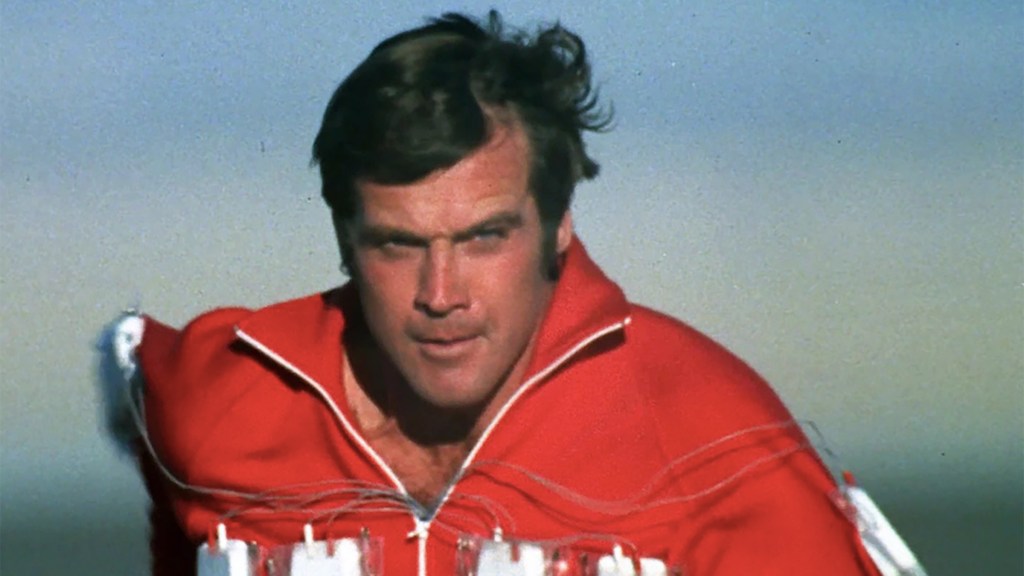
The Six Million Dollar Man remains a pretty iconic sci-fi show from the 1970s, and while inflation might have made its name seem fairly redundant in hindsight, some of its ideas were ahead of its time. It followed the exploits of Steve Austin, a USAF Colonel who is grievously injured in a NASA test flight crash, but is rebuilt using various bionic limbs and implants. First airing in 1973, The Six Million Dollar Man gripped audiences and earned itself a lasting place in the annals of pop culture.
While the show aired throughout the 1970s, the bionic nature of its protagonist eventually became far closer to reality than science fiction. In 1998, the first fully operational bionic arm to feature a full range of movement in the shoulder, elbow, wrist, and fingers using neurological sensors was successfully received by a Scottish hotelier named Campbell Aird. The first successful use of neurological implants actually came around the time The Six Million Dollar Man ended, with the first successful implantations of cochlear implants coming in 1977 and 1978, making the show’s futuristic concept a reality.
4) Max Headroom – Corporate Ownership of the Media
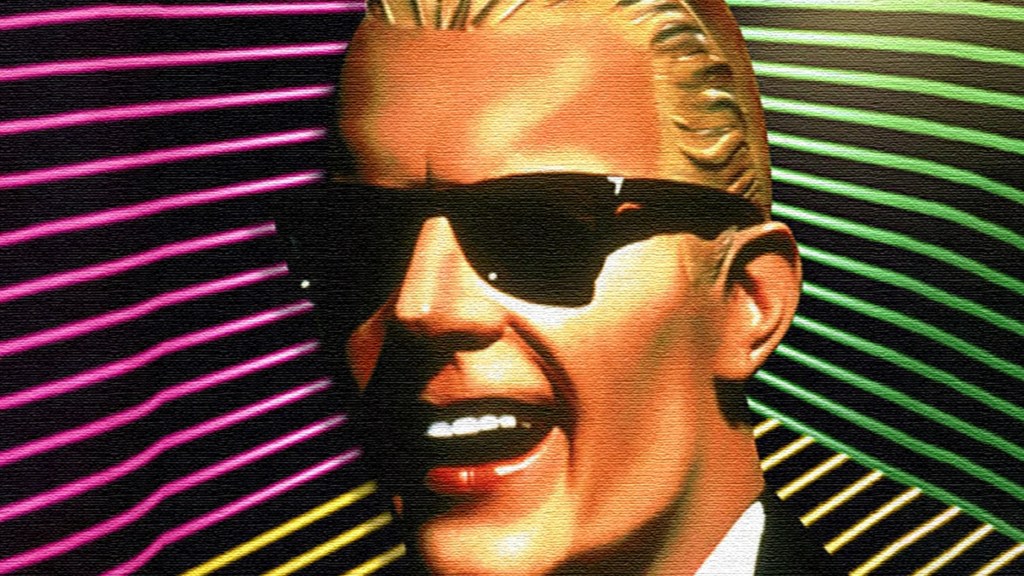
Debuting in 1985, Max Headroom is today a relatively obscure title, but it’s remembered fondly by its cult following as an excellent cyberpunk TV show perfect for sci-fi fans. It followed a reporter named Edison Carter, whose likeness was used to create the computer-rendered TV show host that the show is named after. Set in a dystopian future where the world is essentially run by an oligarchy of television networks, Max Headroom imagined a future in which world governments were puppets of more powerful corporate interests.
Even at the time of the show’s release in the late 1980s, this prediction was rapidly coming true. The rise of neoliberalism has seen capitalists amass huge amounts of power, and the domination of corporate interests in modern media has since become all but complete. Though many might not realise just how true Max Headroom‘s predicted future has become, it’s actually uncanny just how many aspects of our modern society the show got right.
3) The Jetsons – Flat-Screen TVs and Robotic Vacuums
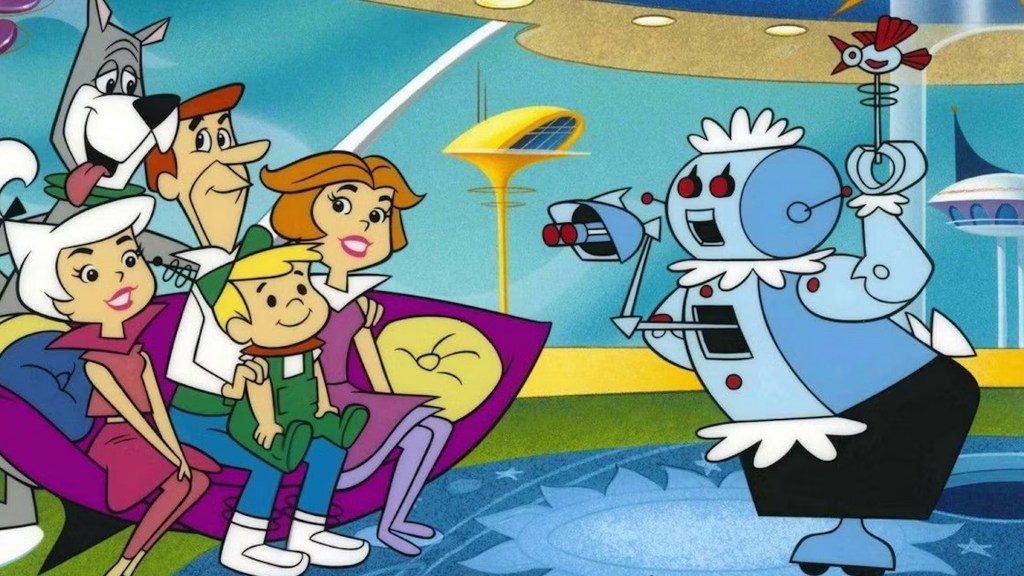
When it comes to great animated sci-fi TV shows, there are very few as iconic as The Jetsons. The animated sitcom first aired from 1962 to 1963, with new episodes later produced in the mid-1980s. Described as Hanna-Barbera’s Space Age counterpart to The Flintstones, it follows the titular traditional family unit as they go about their daily lives in humanity’s future. Set in 2062, exactly 100 years after its initial release, it featured various futuristic contraptions, including robots, flat-screen TVs, and flying cars.
More than 30 years after the show first aired, the world’s first robotic vacuum cleaner was invented. While it was admittedly far more rudimentary than The Jetsons imagined, the technology ultimately mirrored that depicted in the show. It was around the same time that the first flat-screen TVs were sold, with that technology quickly becoming the norm. Considering The Jetsons was made in the early ’60s, it’s actually pretty astounding just how accurate some of its predictions of the future were. We’re not holding our breath for a flying car anytime soon, though.
2) Doctor Who – Virtual Reality & Artificial Intelligence
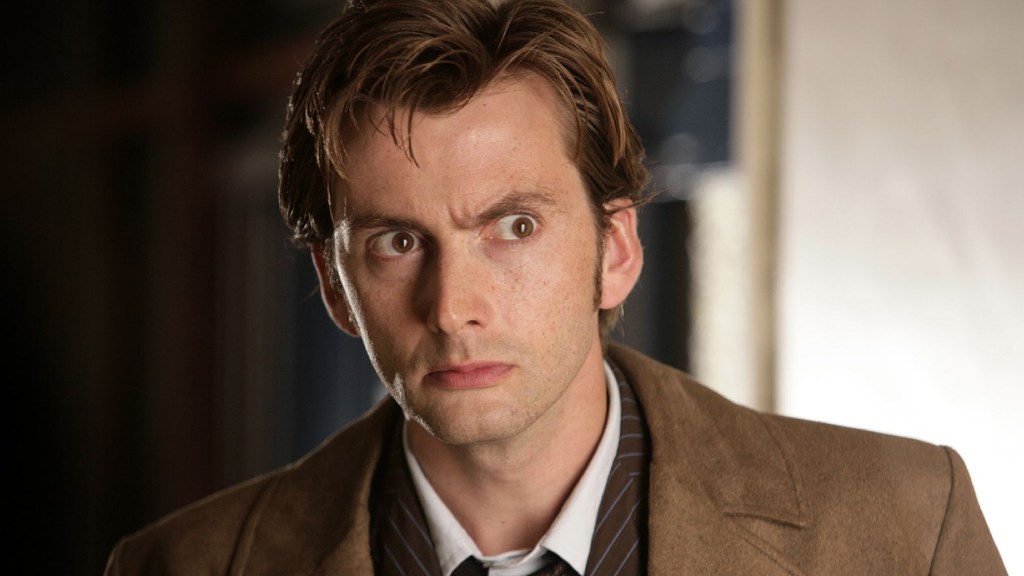
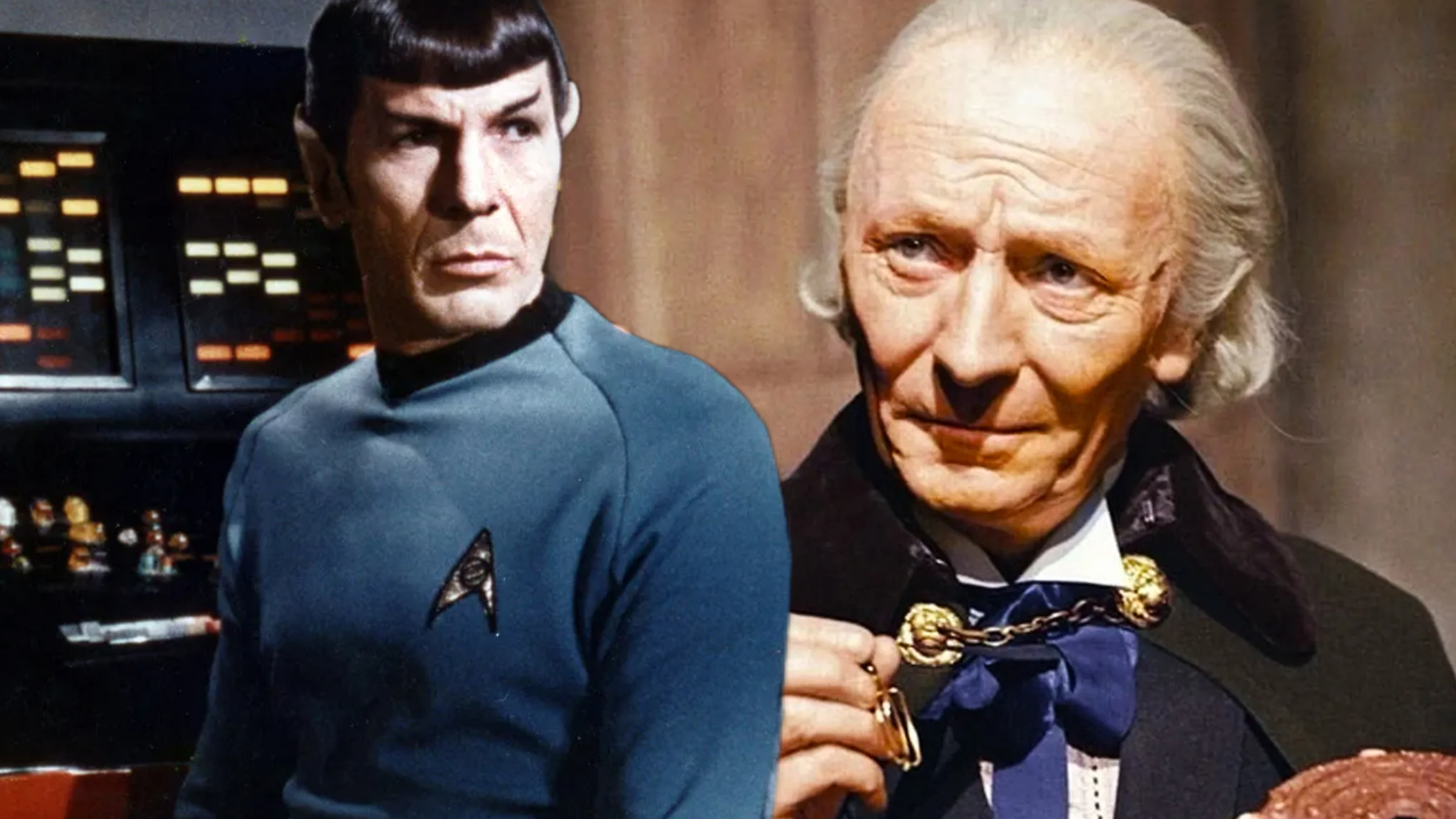
Doctor Who has long since proven itself to be one of the greatest and most influential sci-fi shows of all time. The adventures of the Time Lord known as the Doctor have gripped audiences for generations, from its first sci-fi stories of the 1960s all the way to the present with the modern iteration of the show. Over that time, some of the best sci-fi episodes of Doctor Who have predicted elements of the future, including 1966’s “The War Machines”, which featured a sentient computer, and 1968’s “The Mind Robber” and 1976’s “The Deadly Assassin” featuring virtual realities.
While very basic forms of artificial intelligence already existed prior to “The War Machines”, the sentient nature of its AI has since moved closer to reality. The same can also be said of virtual reality systems, but these didn’t become widely available and realistic until the ’90s, decades after Doctor Who explored the then-outlandish idea of fully immersive virtual reality. Considering the strength of Doctor Who’s sci-fi even in the series’ earliest days, it’s perhaps unsurprising that some of its predictions came true, but that doesn’t mean it isn’t still impressive.
1) Star Trek – Flip Phone & Touchscreens
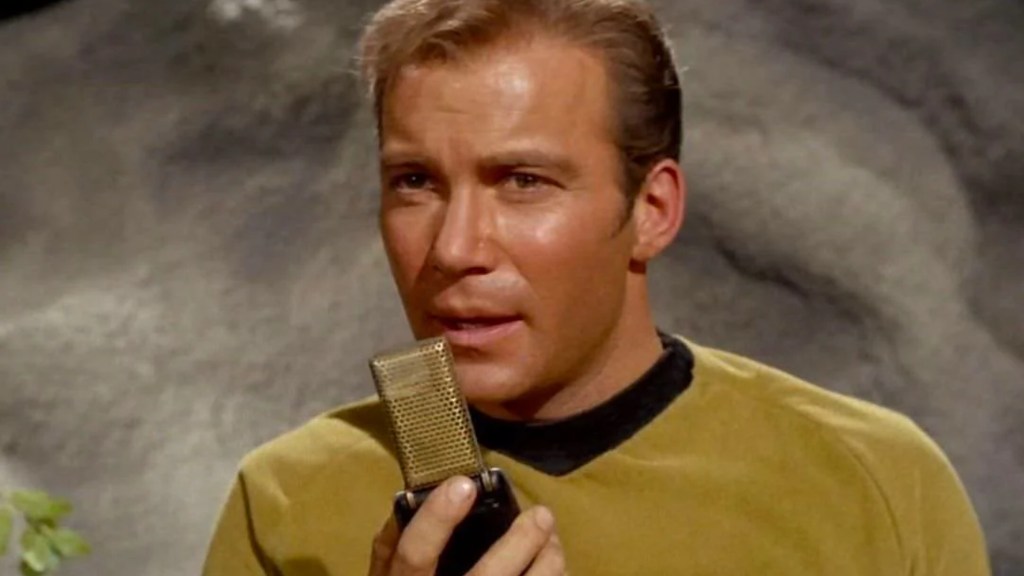
The 79 episodes of Star Trek: The Original Series have been scrutinized in practically every way by the franchise’s dedicated fans, as the show is rightly hailed as one of the most influential and important sci-fi series ever made. Its hopeful depiction of humanity’s utopian future is utterly iconic, but some of its predictions about our future actually came true far sooner than it imagined. Set in the 23rd century, The Original Series showed its characters using flip-up-style personal communicators and touchscreen devices, which, at the time of the show’s late ’60s release, seemed incredibly futuristic.
It didn’t take hundreds of years for humanity to make those predictions a reality, though. Just three decades later, both flip phones and touchscreen devices were invented, with the former in particular taking over the world. Touchscreens have since become a pretty standard feature in technological devices, while flip phones have, somewhat ironically for the purposes of this list, become obsolete. Regardless of the timeline on which it happened, it’s still amazing that Star Trek’s technological predictions came true. All we have to do now is work towards building a non-violent, totally equalitarian utopia. How difficult can that really be?