7 Things Queen of the Damned Needs to Get Right With the Next Chapter of Interview With the Vampire
After two seasons building one of the most interesting versions of Interview with the Vampire and a revolutionary season titled The Vampire Lestat, the TV adaptation of Anne Rice’s books is about to enter a completely different territory with Queen of the Damned. Season 4 has already been officially renewed, and while it continues the conflicts from previous seasons, it also represents a major expansion of everything the series has introduced so far, bringing in ancient vampires, secrets that go back thousands of years, and Akasha, a threat capable of changing the entire order of this world. But for this new phase to work and satisfy everyone, simply increasing the scale won’t be enough, because there are fundamental elements that need to be handled with the proper care.
The challenge of adapting the third book in The Vampire Chronicles lies in showing the foundation of everything. The show has already proven that it knows how to reinvent the original material in the most brilliant way possible, but from this point forward, there are certain pieces that are absolutely essential, and they cannot be mishandled.
7) The Devil’s Minion Storyline Needs More Attention
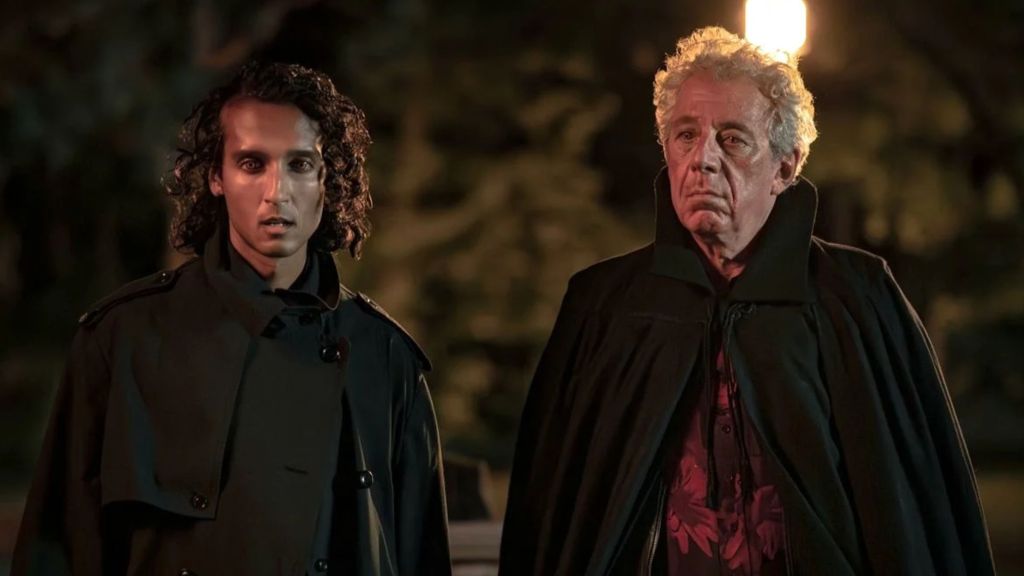
One of the things fans love most about The Vampire Chronicles is the relationship between Daniel and Armand. When the Season 1 finale of IWTV revealed Armand’s identity and put him face-to-face with the journalist in the following season, many viewers were already preparing themselves for what could come next. Then came Season 2, episode 5, which delivered one of the most memorable moments between the two characters in the past, when Daniel was still very young and was manipulated by the vampire. However, after that, their storyline was mostly reduced until The Vampire Lestat came along and created expectations that we would finally see the Devil’s Minion storyline unfold. And did it happen? Yes, but not in the most fitting way.
Once Daniel becomes a vampire, the idea was that Season 3 would explore exactly how that happened and how his dynamic with Armand develops. However, The Vampire Lestat rushed through a lot of this arc, barely giving enough space to understand what truly happens between these two characters. Basically, Armand feels guilty, Daniel shows remorse toward him, and suddenly they are both united against Lestat (and Louis). It’s understandable that they were not the main focus of the latest season, and the ideal scenario was always for their storyline to be introduced gradually, but it ended up feeling rushed and lacking some foundation. That is why it would be so interesting for Queen of the Damned to dive deeper into this plot, especially because this is the book where their story is officially established.
6) Lestat and Louis’ Story Still Needs to Matter

It is only natural that Queen of the Damned will put Lestat back at the center of the story; after all, he is the one who awakens Akasha and becomes the focus of her attention. The problem is that the series spent two entire seasons building something that goes far beyond Lestat’s individual journey: his relationship with Louis, which has always been the true driving force of the adaptation. The third season did not focus much on that because of Gabriella’s involvement, but episode 6 made it very clear just how important these two characters are to each other. And now, more than ever, it would be a mistake to push that aside, because besides Lestat’s mother not approving of the two of them together, there is also the Vampire Queen’s obsession with having him for herself.
So, in practice, Akasha’s arrival should test their relationship, not replace it. The conflict can grow, the mythology can expand, and new characters can take on important roles, but Louis cannot just become an observer in the story just because the book gives Lestat more focus. Both of them have already had time apart to deal with their own individual issues, and now it is time to see them fight for each other (even if the Queen herself is a massive obstacle standing in their way). The adaptation has never been afraid to make changes from the books, and this may be one of the most important ones. Besides, if there is one thing many fans felt was missing from The Vampire Lestat, it was the lack of scenes between this couple.
5) Marius Needs to Have a Much Bigger Role
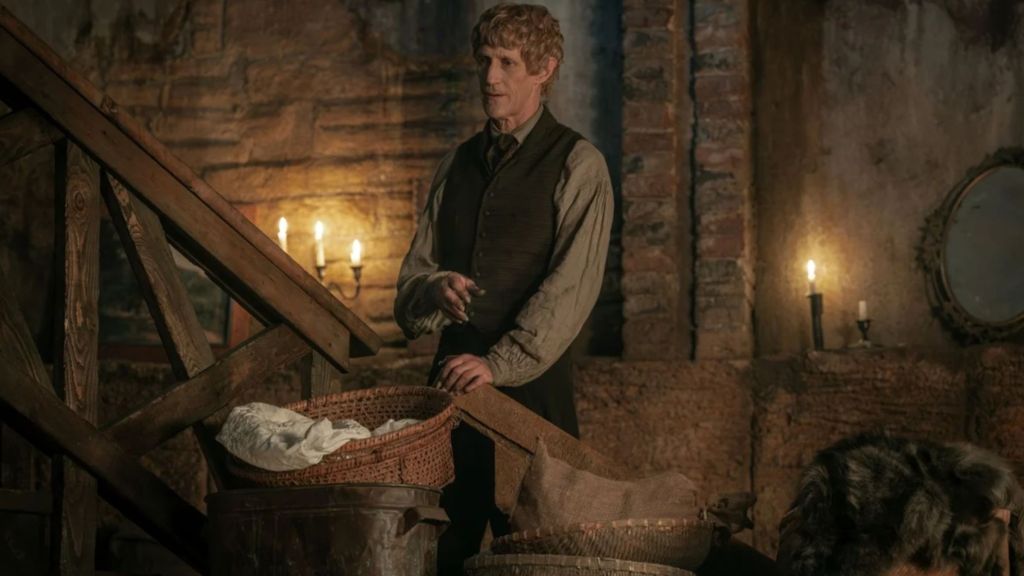
Marius is one of the most fascinating characters in Rice’s books, and not because he is an ancient vampire who happens to have some answers. He is essentially the bridge between the past and the present when it comes to the vampire world. It is through him that we actually understand who Akasha was, why she remained hidden for so many centuries, and the weight of the responsibility he carries because of everything that happened. In short, without Marius, much of the story loses its context, since very few characters understand that mythology as deeply as he does. We saw him in only one scene in The Vampire Lestat, and it was far too little.
It is understandable that, like the Queen herself, Marius is a character who should only be properly introduced at this stage, and that is exactly why Queen of the Damned needs to let him shine. It cannot be only through flashbacks or by using him solely to explain events from the past; he needs to actively participate in the story. He should be one of the most important voices when Akasha finally awakens and rises, because he understands better than almost anyone else the danger she represents. Plus, expanding his role would also strengthen other important relationships, like with his fledgling Armand — it would help the audience better understand his trauma that was mentioned in the season finale of The Vampire Lestat.
4) The Main Concert as a Massive Event
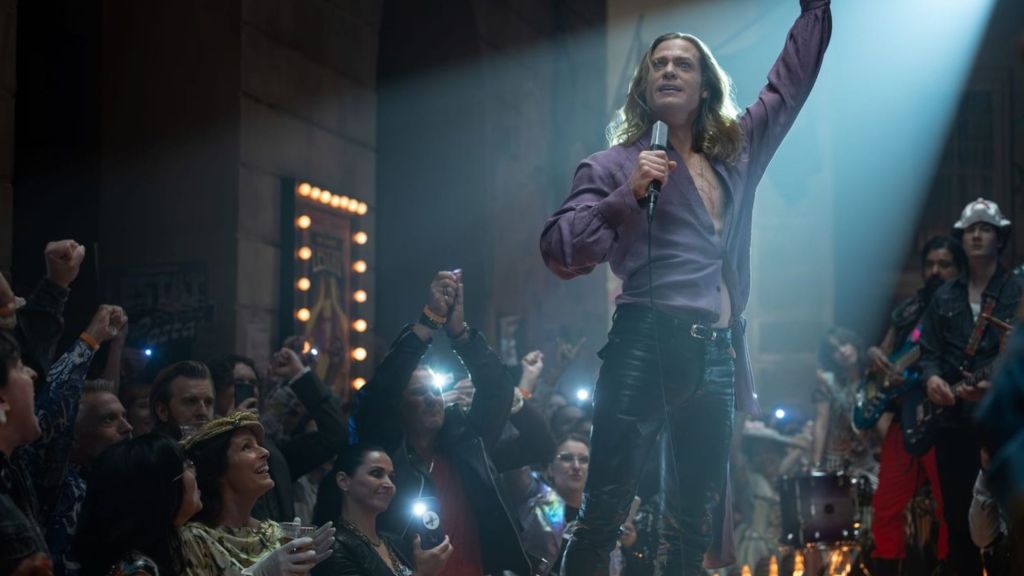
The first two seasons of IWTV were always heavily focused on characters and relationships. Even when the story expanded in scale, everything eventually came back to Louis, Lestat, Claudia, or Armand. Then The Vampire Lestat arrived and changed everything, focusing not only on the titular vampire but also on his journey as a rockstar. And yes, Queen of the Damned is here to change everything once again, especially because this is the moment when the audience needs to see that there is a much larger vampire world beyond the characters we already know. With Lestat’s music and his boldness, vampires have been exposed to humanity, and now they are coming after the artist responsible — leading to one very specific concert.
This is the moment when vampires like Pandora and Santino enter the story, everyone converges in the same place, and the hierarchy of that universe completely changes. We are essentially talking about the climax of this storyline, the event that gives Akasha the stage to unleash the destruction we saw teased in the final scene of the last season. For many fans, there was an expectation that this concert would already happen in The Vampire Lestat, but it seems like everything was actually being built toward this moment, suggesting that the showrunner understands the magnitude of the event. Now, the only thing left is to hope that, just like the series has already delivered several iconic moments, this becomes another one — or the biggest one yet.
3) The Dreams of Maharet and Mekare
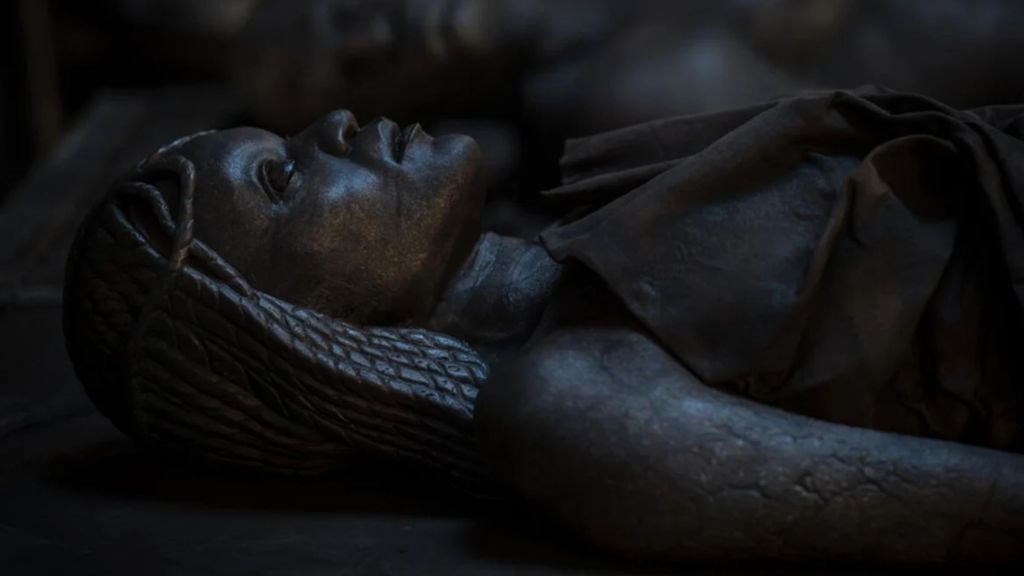
Within The Vampire Chronicles, some characters become important long before they even physically appear, and that is exactly the case with the twins Maharet and Mekare. They first emerge through dreams experienced by different characters, creating the feeling that something powerful is awakening. They are basically vampire witches with a direct connection to Akasha and, consequently, the entire vampire bloodline. In the books, they work as a very effective narrative device because they make you understand that there is a much bigger and more significant mystery unfolding, without having to reveal all the answers right away.
So far, very little is known about Season 4, which means there is no confirmation on whether these two characters will actually appear or just be mentioned. However, their importance cannot be overlooked. The show has already proven multiple times that it knows how to work with memories, hallucinations, and fragmented narratives, so there is no reason to move away from that now. Beyond that, Maharet’s storyline and the Great Family also bring the Talamasca into the center of the narrative, alongside Jesse, a human character who plays a crucial role in the story. These are elements that would not only enrich Queen of the Damned, but could also open the door for future seasons.
2) Akasha’s Ancient History (and the Origin of Vampires)
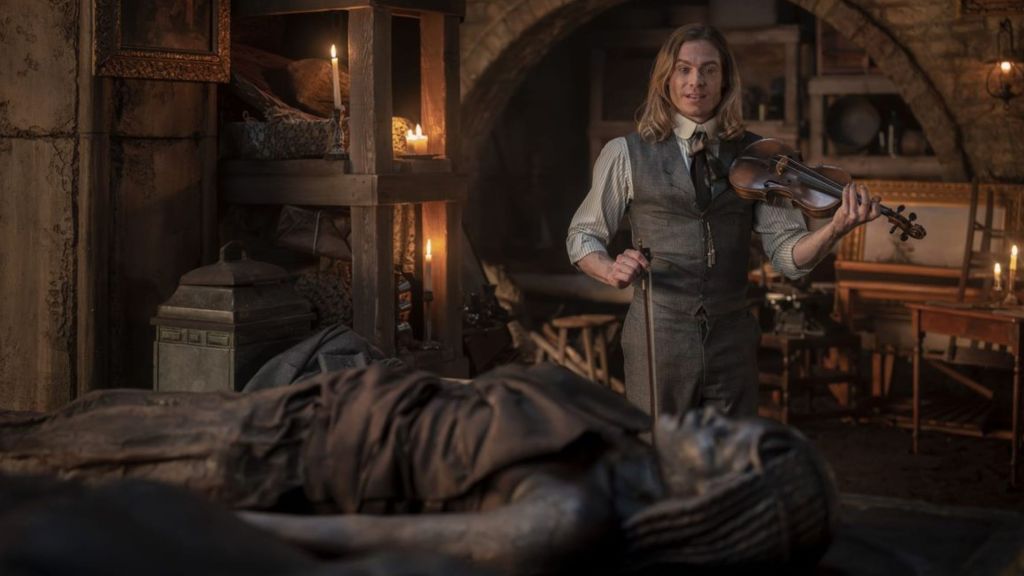
Exploring Akasha’s past is almost a given, considering that the entire season will revolve around the origin of vampires and the Queen herself being at the center of it all. So far, the series has spent a lot of time telling the stories of the characters we already know, but now it is time to understand how this vampire lineage began and how it managed to survive for thousands of years. This represents a big shift in scale, but it will only work if the show truly takes the time to explore the history of Akasha (as well as Enkil, Maharet, Mekare, and Khayman alongside her). One of the biggest criticisms from fans regarding The Vampire Lestat was the lack of deeper exploration into Lestat’s past, as his history often felt more like a collection of flashbacks rather than a fully developed storyline. If Queen of the Damned repeats that mistake, it would be a huge missed opportunity.
The show cannot simply throw pieces of information at the audience just to explain or justify certain events, because this entire mythology is what gives meaning to everything that comes afterward. More than that, this is the story that completely changes the way we see Akasha, since she stops being just the most powerful vampire in existence and becomes the character who literally gave birth to everything. Without her, there are no vampires in the world. Season 4 is inevitably the beginning of a new phase, and it needs to be clear about what story it wants to tell. It made sense that The Vampire Lestat sometimes felt intentionally confusing because it was shaped by Lestat’s chaotic perspective, but now the tone and pacing need to shift dramatically to introduce Akash, as she is the foundation of absolutely everything.
1) Akasha Needs to Be Truly Evil
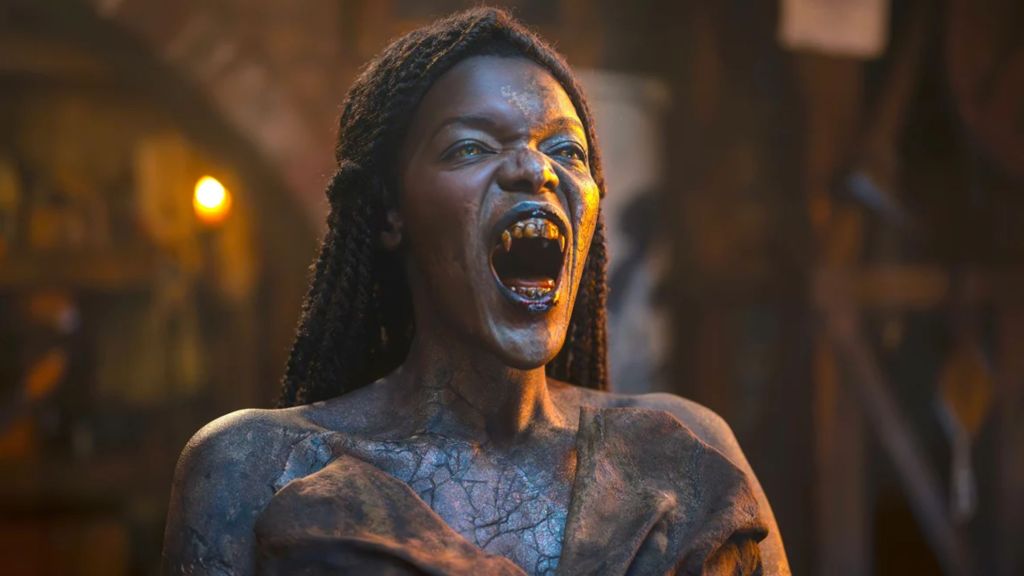
It is already clear that Akasha’s story is important, but even more important than that is how the series chooses to approach her. And why does that matter? Because the entire show, since Season 1, has been praised for the way it adapts the original material. Changes have been made along the way, but not every alteration manages to satisfy fans, and Gabriella’s portrayal is a good example of that. With Akasha, however, taking too many liberties could become a much bigger problem, because she is a villain, not another morally gray and complex character like the others.
What makes her compelling is not that she is right, but that she makes extremely intelligent observations about the world, violence, and the role of women throughout history, only to respond to all of those issues in the worst possible way. Akasha believes there is only one solution to fix humanity: eliminate anyone who stands in the way of the perfect society she has imagined. Queen of the Damned is ultimately about her desire to create a new world order. The problem is that the teaser trailer for the new season has already presented Akasha in a way that worried some fans, who feared the character might be framed as a feminist figure. While she does use a rhetoric centered around women’s liberation, hopefully the series understands the difference between exploring her ideology and endorsing it, and ultimately presents her as the terrifying nightmare she was always meant to be.
What do you think? Leave a comment below and join the conversation now in the ComicBook Forum!