The Justice League Unlimited Roleplaying Game Team Reveals Biggest Changes From Other Superhero RPGs, Teases Powers, Crisis Events, And More (Exclusive)
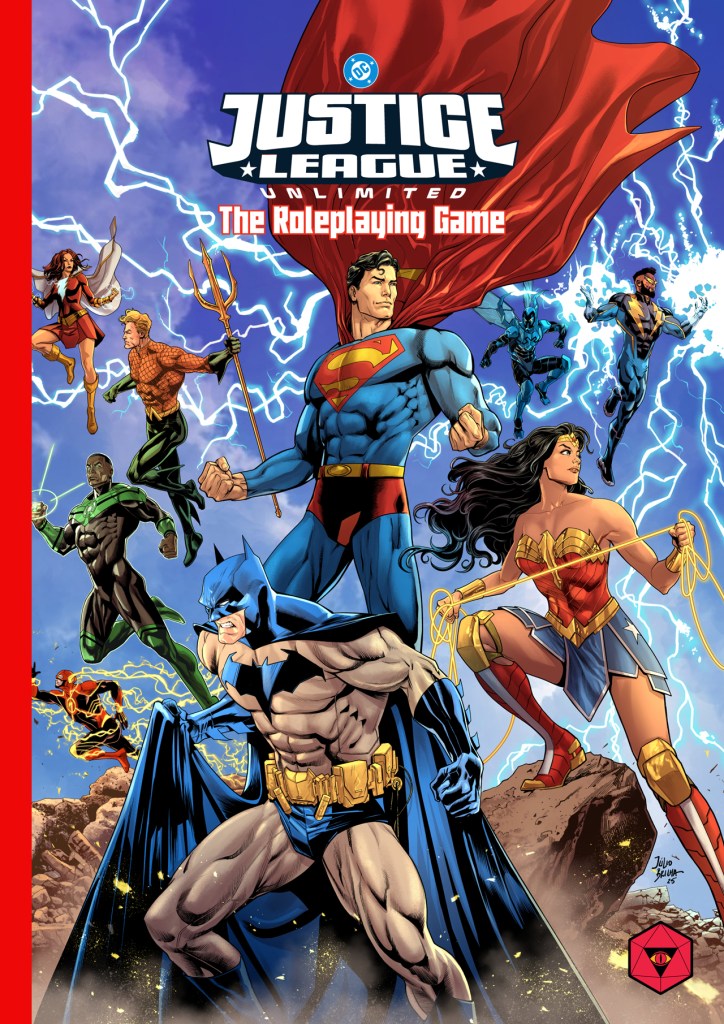
DC Comics is responsible for some of the world’s most iconic superheroes, including the ever-popular trio of Superman, Wonder Woman, and Batman. While those three heroes are obviously important, there are a bevy of other amazing characters within DC’s world, and now, thanks to D20 Culture, you can choose to play those beloved heroes or create a hero of your own in the DC Justice League Unlimited Roleplaying Game. The new RPG has soared past its funding goal on Gamefound and has already unlocked a host of stretch goals, and ComicBook had the chance to dive into what makes the new Justice League Unlimited Roleplaying Game so special with D20 Culture CEO Peterson Rodrigues and acclaimed DC writer Mark Waid.
If you’re unfamiliar with the Justice League Unlimited Roleplaying Game, it is based on the hit comic series of the same name from the all-star team of Waid, Dan Mora, Tamra Bonvillain, Ariana Maher, and Dave Sharpe. The idea of the series was to expand the Justice League’s scope to just about every hero, and that makes it the perfect foundation for a roleplaying game that allows you to either play your favorite heroes or create someone new. The game features the Entropy System that is built around the d20, but it’s also an experience that really zeroes in on what it’s like being a superhero.
How Justice League Unlimited Changes The Game From Other Superhero RPGs
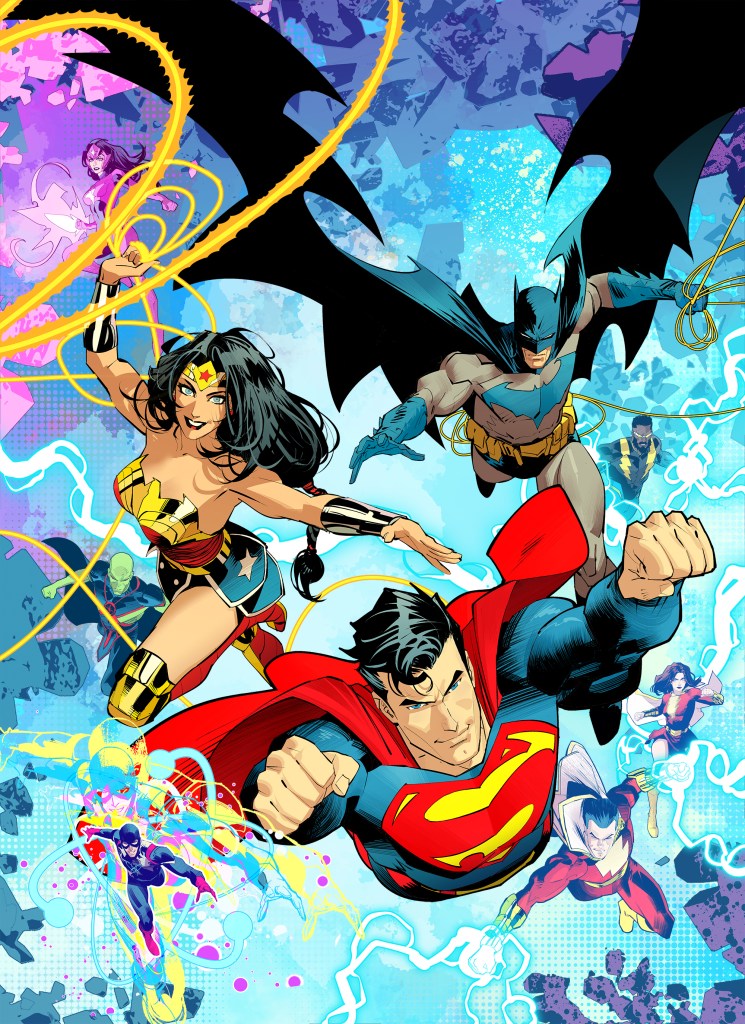
There have been several superhero-themed roleplaying games over the years, but what stands out about the Justice League Unlimited Roleplaying Game is how it puts being an actual hero at the center of every decision and action, and in the process, embraces some of the iconic qualities that make DC heroes so iconic.
“We were really touched by what has been happening in World’s Finest and Justice League Unlimited, and the Silver Age-like vibes to the heroes, like you’re saving people and a lot of things happen, but you know the good triumphs in the end, and that is something we want to bring to our game, this fresh perspective. It’s a game of superpowered beings, but at the end of the day they are heroes. They’re not just weapons,” Rodrigues said.
“What really excited me was kind of what you said before. It’s not about standard D&D rules. It’s not about punching. I mean, there’s punching in it, but it’s not about punching. There are villains in it, but the heart of it is being a heroic figure and watching out for people and saving people. Protecting. It’s more about protecting than attacking,” Waid said. “So there’s plenty of attacking, again, don’t get me wrong, there’s plenty of action, but at the heart of it, it is not about slaying orcs, you know, and that’s what I really liked about it.”

If you are going to create a game built around the DC universe, there are few as qualified as Mark Waid. Not only has Waid continued to be at the heart of some of DC’s best books, but he’s one of the true historians of the DC universe, and when it comes to the Justice League Unlimited Roleplaying Game, he wanted to be a vital part of it and not just a small contributor.
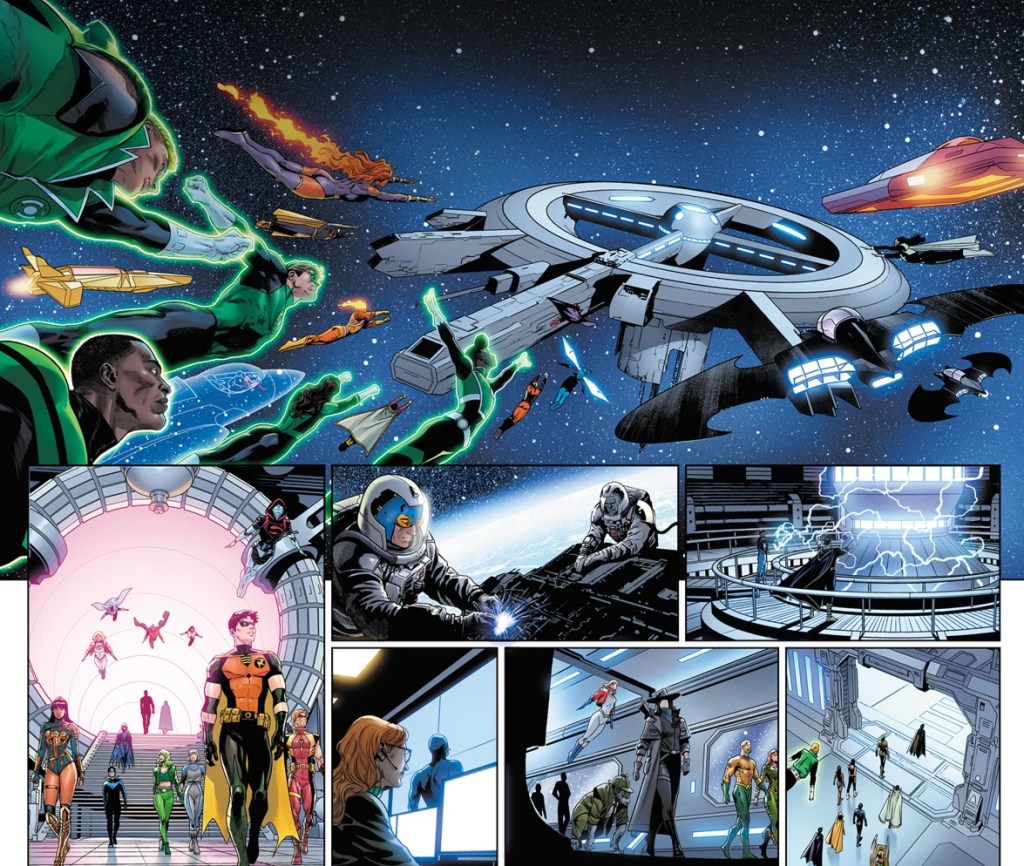
“So when they reached out to me to be involved, they really wanted a tight relationship with Justice League Unlimited, and that made perfect sense to me. So we worked back and forth. I was sending them all kinds of material about The Watchtower stuff that has not even been on the page in the comics, but just stuff, diagrams, and layouts and stuff,” Waid said. “And then I sat down and sort of did a breakdown for them of where everyone is in terms of the Justice League right now, what the membership is like, what the potential membership is like, and then it went back and forth to make sure that it very closely reflected what we’re doing in Justice League.”
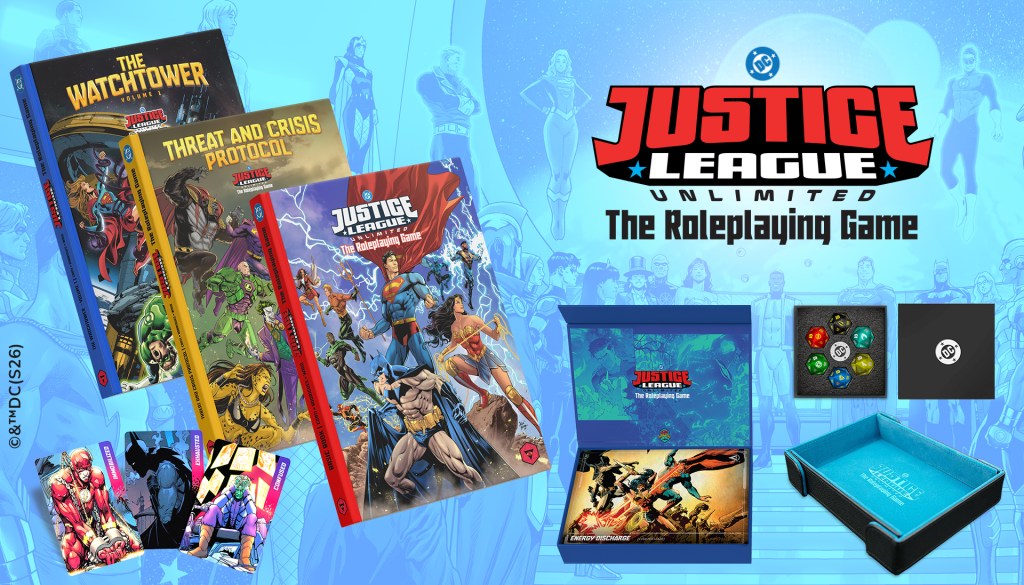
“There’s a very nice thing about working with Mark alongside being a fan, but a lot of people ask us, when they see his name on the material, they say, oh, he’s just signing it, but he’s heavily involved. He has a lot of say in terms of power scale, in terms of lore, in terms of players that will be available. So he’s being kind of the source material that we are driving to, to help us to better understand the lore and the current state of the DC universe,” Rodrigues said.
“It’s intensive. I mean, I didn’t want to just come in and write an introduction and sign my name to it and be gone. I really wanted to participate and be there in the development and be there helping them develop campaigns, develop storylines, go through the characters and make sure that they were reflective of what’s happening right now in the books, their power levels, their weaknesses, all of that stuff,” Waid said. “They were nice enough to let me review all of that material and make my notes.”
There Will Be A Massive Amount of Powers At Your Disposal

If you’ve been reading Justice League Unlimited from the beginning, you’ve seen one of the most expansive versions of the Justice League to date, and the threats they face are just as grand. The Justice League Unlimited Roleplaying Game is in lockstep with that first arc, so not only will you see some of your favorite heroes, but most of the powers you see in that first arc are already part of the game, with over 75 powers to choose from.
“The core book starts with Justice League Unlimited issue #1, so they are there at the Axiom against Inferno. They are in South Africa. You have Starfire, you have Airwave, so all those characters that you see in the first issues of Justice League Unlimited will be depicted in the book,” Rodrigues said. “In terms of power, although it’s the game of Justice League, we want to cover as much of the DC universe as possible. So we’re going to have more than 75 powers, each one different from each other, with many different applications in combat, out of combat, and salvage actions. So we’re gonna have a lot of options if you want to play. If you think of a DC character and say, is this power available? It probably is.”
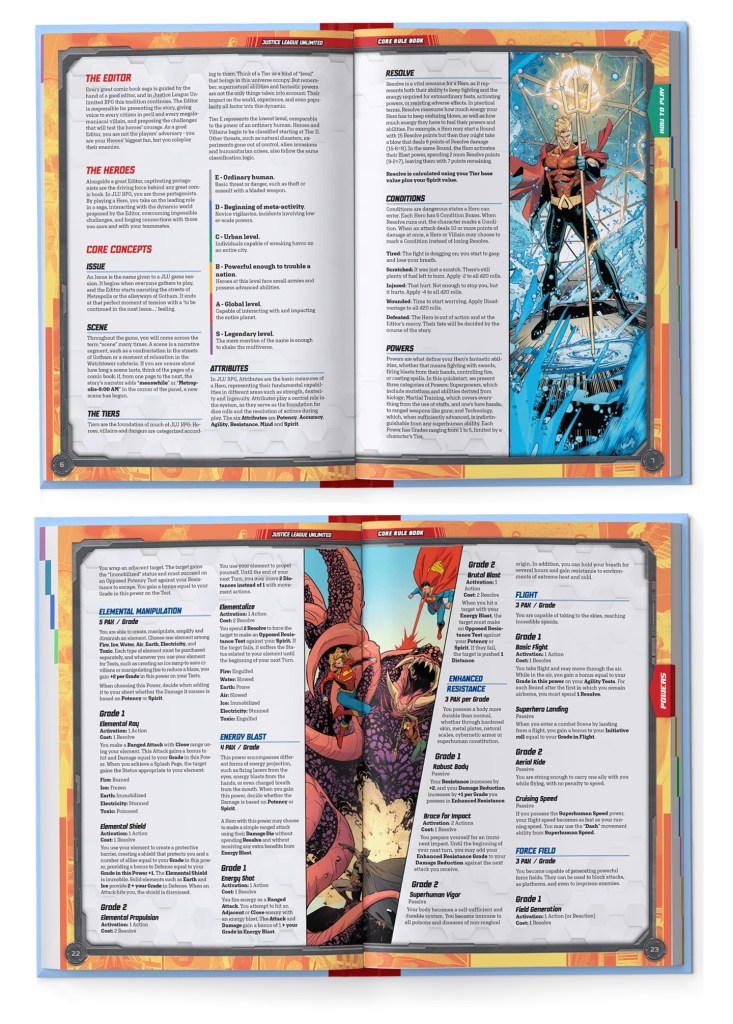
“There’s a broad palette of characters you can choose from. I mean, when we played a game just to test things out, Tim Sheridan was playing Alan Scott, Green Lantern. I was playing Airwave. Jeremy Adams was playing Damian Wayne, and Morgan Hampton was playing Cyborg. So a pretty diverse cast, but again, there was no problem sort of working any of those into the game structure and the game engine,” Waid said.
Justice League Unlimited Prioritizes Actually Being A Superhero (And You Can Be Kicked Out of the Club)
There are other superhero creation games that let you build a powered-up hero, and some of those games also let you play as villains or something in between. Justice League Unlimited The Roleplaying Game takes a different angle though, as in this game you are specifically playing as a hero, and you are expected to actually deliver on that premise. In fact, if you push things too far, you can find yourself getting kicked out of the club.
“In terms of character creation, we focus the game heavily on being a hero, so we want to teach players how to behave as a hero. Your goal is not, like Mark mentioned, it’s not like keywords. I mean, it’s not here for just a goal. You’re here to save and influence the world in a positive way,” Rodrigues said. “So we have a lot of rules to reinforce that, to help the Editor, which is the Game Master, to help reinforce that to players. We have the currency of the game, the meta currency of the game, which stacks, so if the players don’t act like heroes, they are not rewarded, and they do not evolve their characters, but also they can be forced to change archetypes.”
“Like if you are a Champion of Tomorrow, which is an archetype of Wonder Woman and Superman, and you like kill someone, you may be forced to change into an anti-hero, and you lose everything you have as a Champion of Tomorrow, and you have to restart as an anti-hero. You also have traits and limitations that you can apply to each character,” Rodrigues said.
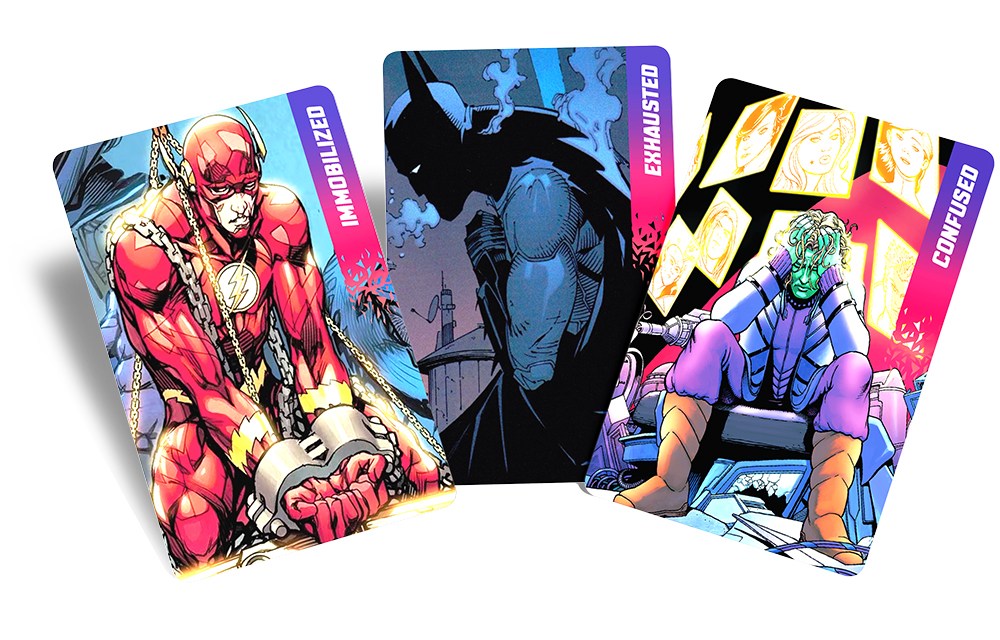
“For example, I can apply a limitation to a character that has a bad reputation, so we have a bad reputation that you don’t save people during disasters. Every time there is a crisis, and people are in danger, when you go to save people, the audience, the crowd knows that you are not a good saver, so they look at you with distress, and your tests are more difficult,” Rodrigues said.
“You touched on something else when you were talking that I really think is unique about the game that I really like,” Waid said. “It’s very much framed in comic book terms, right? It is not a campaign. It’s an issue. You’re not the DM. You are the Editor, and so your roles are a little different than they would normally be with a Game Master or what have you. I really like that it’s not just the language. It’s sort of also just the way those roles are structured that I really like.”
The Crisis Die Shakes Up Everything

Players bring their own sort of chaos to any campaign, but one of the biggest ways to turn any issue’s adventure upside down is through the Crisis Die. This die not only references one of DC’s most iconic events, but it also instantly creates a completely unique circumstance and scenario for players to deal with that can include disasters, parallel universes, and more. This is also tied to players being able to push things in their favor at times, and every time that happens, you risk pushing things too far and creating an even more difficult scenario.
“Yeah, the Crisis Die. It really gets the attention of players and GMs alike because it’s something that can really change the course of a match or an issue. It happened during play tests where we had some players and celebrities with us, and they were saving a mental institution. Then all of a sudden there were dinosaurs, so you have to deal with those kind of things. Of course we’re going to offer different crises, like an urban one, a cosmic one, and just the regular one, where everything can happen, but the idea of the crisis is that when you force too much in the multiverse, the multiverse bites back. So you can force the multiverse, but you have to understand that something will happen from that. It’s kind of a game where you bet and you get your result, but you might have some consequences,” Rodrigues said.
“At some point, you back yourself into a corner and the editor says, roll the crisis die, and that is terrifying because that means literally anything could happen next,” Waid said. “You could be thrown into a parallel dimension. You know, you could suddenly be a villain and everybody else is a hero. Anything can happen.” Rodrigues added some other effects, saying, “You can lose your powers, you can get new powers, you can change your body with someone. I mean, a lot of things can happen.”
The game features different scenes that will demand different requirements of players and their chosen heroes, but there’s also a way for the Editor to push the story forward if things are taking too long to act, and it also connects to a famous DC storyline.
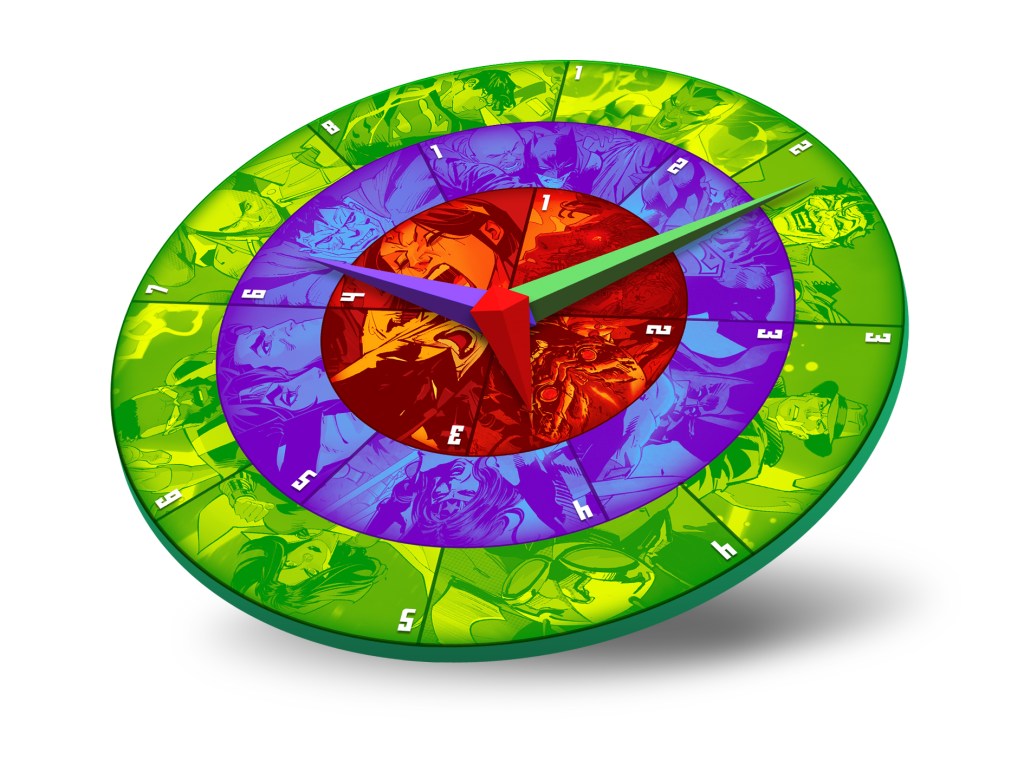
“You also have tools to put pressure, to add pressure on the players. Like if they are stalling too much or talking too much or planning too much, you can always use the Doomsday Clock to make things more interesting. The adventure might fail just because they waited too much. The world is happening. Even though you’re not acting, the world reacts and acts even though the players are just, you know, waiting,” Rodrigues said.
“Yeah, when we were playing it, you know, we were deliberating too much on a point, and suddenly he says the Doomsday Clock has moved another minute. Oh my. One step closer to midnight. Jesus Christ. Anyway, you know, we got to get our act in gear,” Waid said.
The Doomsday Clock is also customizable depending on the type of adventure you are embarking on, with Rodrigues saying the Doomsday Clock “could be four segments and up to eight. So depending on how complex the adventure is, the Doomsday Clock can be more and more slices or less.”
“Each story you get from the source material is going to come with its own Doomsday Clock attached. One of the things that we heard from the community, when you’re promoting a tabletop game for superheroes, you must offer ready-made adventures, because it’s the most complex thing. If you have someone who is reading comics but has never played a roleplaying game, they need easy-to-access material. There’s plug-and-play, and that’s what we’re trying to offer: the most adventures possible. So the players can have a lot of ready-made material to just play, so the Doomsday Clock comes attached to those adventures,” Rodrigues said.
“Yeah, it’s really well planned out. I mean, if you think about it, a lot of roleplaying games are quest-oriented. That’s a pretty simple, straightforward goal, and it’s a pretty straightforward, simple story with complications along the way. But this is, with the world of superheroes and everything that can happen in it, that is not your primary goal,” Waid said. “It doesn’t start with the Justice League has to get the, you know, the Tablet of Christ or whatever out of the evil castle. It’s Dr. Alchemy and Professor Zoom are attacking the city. What do you do?”
You Can Create Your Dream Original Hero (Or Become The Most Powerful Green Lantern)
The game comes with a number of archetypes that are connected to DC’s most famous heroes, including Superman, Wonder Woman, Batman, and more. You can use these to build your own original superhero with a foundation tied to those iconic characters, or you can just jump in and play one of the long list of DC icons included in the game from the start.
“Yeah, we offered the archetypes that covered the general narrative approach for how your character interacts with the universe. So you have the Dark Knight, you have the Champion of Tomorrow, you have the Genius, you have the Anti-Hero, you have the Heir. So you can play, for example, someone who is learning from a legacy superhero, so you can be like a sidekick for one of the big powerful names,” Rodrigues said. “You can also design your own so you can get the legacy characters, understand how their character sheets were made, and make something similar with fewer max available points, for example.”
“It can be a Kryptonian that just got into Metropolis and starts their life, so you won’t be as powerful as Clark, but I mean, you’re a Kryptonian, you have the same powers,” Rodrigues said. “But the idea is that the game offers you a full scope of possibilities to design the character you want. So there is always a conversation between the Editor and the players, and I recommend that they ask what kind of character you want to play, what kind of superpowers you want to have, what kind of things you want to do, and then with that they go to the book and look for the powers they mention. Like, oh, I want to deal with animals and I want to be very heavy and big. Okay, you can be a giant that controls animals. It’s okay. It’s possible; we have a power for that, so that’s kind of a conversation between the Editor and the players.”
Now, at this point I went a very long time without asking a Green Lantern-related question, so it was time to jump into what a Green Lantern can do in the game and how a construct works, since the possibilities for a Power Ring are just about endless. Oh, and I wanted to know if you can actually create Ch’p’s new Green Lantern partner, and the answer is thankfully yes.
“Dale, right. Can you do Dale? Yeah, that is a possibility, and again, the Green Lantern ring, I see what you’re saying. Like there’s not a strictly defined number of things a Green Lantern ring can do. Like if I’ve got a spell, it can only do this, this, and this. If I have an artifact, it can only do this, this, and this. The Green Lantern ring can do pretty much anything, but the limitations are that the more complex the action, the more out of the main action you are, right? In a way, the story is moving slower because you’re spending so much time in your green area because of you,” Waid said.
“One of the things I like pointing out when they were putting the book together is that it’s something that people tend to forget: the Green Lantern constructs are, they’re generally pretty simple because the more complex they are, I maintain that you have to understand how it works in order to build something,” Waid said. “Like you can use the ring to build something that looks like a car, but it doesn’t have a functioning engine unless you were a mechanic and you know how an engine works, right? The best example is how Jordan can build a pretty simple bridge, but if you’re going to do something super complex like the Golden Gate Bridge, you need John Stewart for that because he is an architect. So to some degree the limits on the ring reflect who you are playing and what the knowledge level, the general knowledge level of your Green Lantern is.”
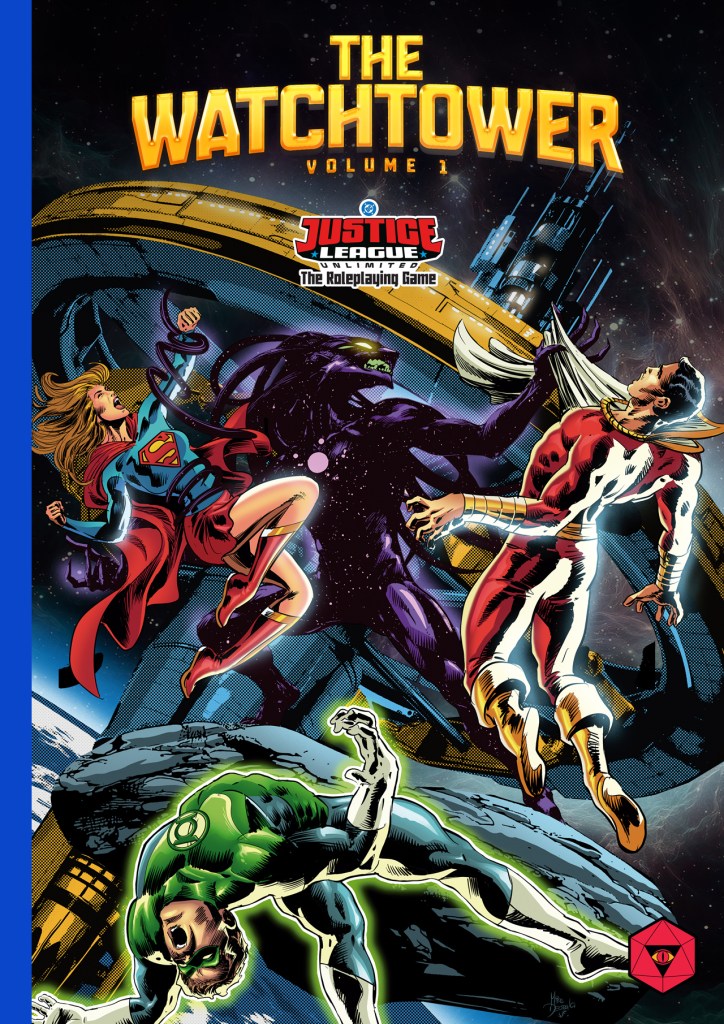
There’s even more depth in the mechanics if you want to really customize your Lantern, as you can add traits to the mix, but if you just want to join the Corps and hit the cosmos, you can do that as well.
“Yeah, and you can also add traits to your constructs, so you can make them bigger, can make them sharper, can make them dangerous. You can add things you want your construct to be, but also the ring comes with, it’s a very expensive power, but it comes with a ready-made set of skills like the Green Lantern database and the ability to fly,” Rodrigues said. “All those things you can do as soon as you attune with the ring, so you are chosen to be a ring bearer. A lot of abilities are unlocked as soon as you get the power in the grade one, and you’re going to evolve in them, as the more complex your construct, the higher grade you have in the power.”
“Also, if you are making the mistake of going too far from the personality of the character that we know, then the more penalty there is, the more cost there is to the game. I mean, Green Lanterns are fundamentally honest; that’s one of the things that distinguishes a Green Lantern. You have to be honest and without fear, so if you’re playing a Green Lantern character and you show fear, that’s a real ding against you in the game. If you tell a lie or do something that is dishonest, then that’s going to hurt you,” Waid said.
Crafting Your Own Epic Adventure And Future Plans
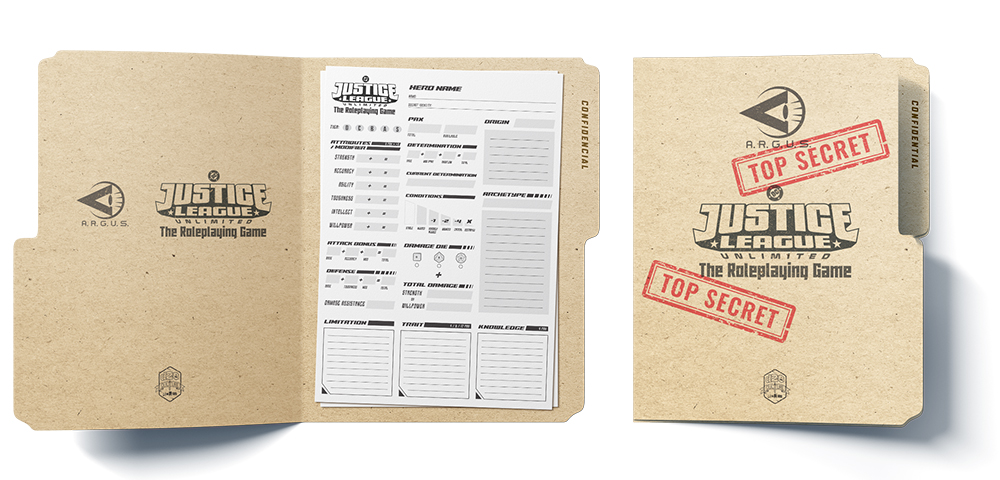
Part of the focus of Justice League Unlimited The Roleplaying Game is giving Editors and players the tools to craft the adventure you want to play and have time for at any given moment. If you’ve got the time to jump in with a long-running story, you’ve got all sorts of options, but if you are on a time crunch, the game also has tools to get you up and running as soon as possible.
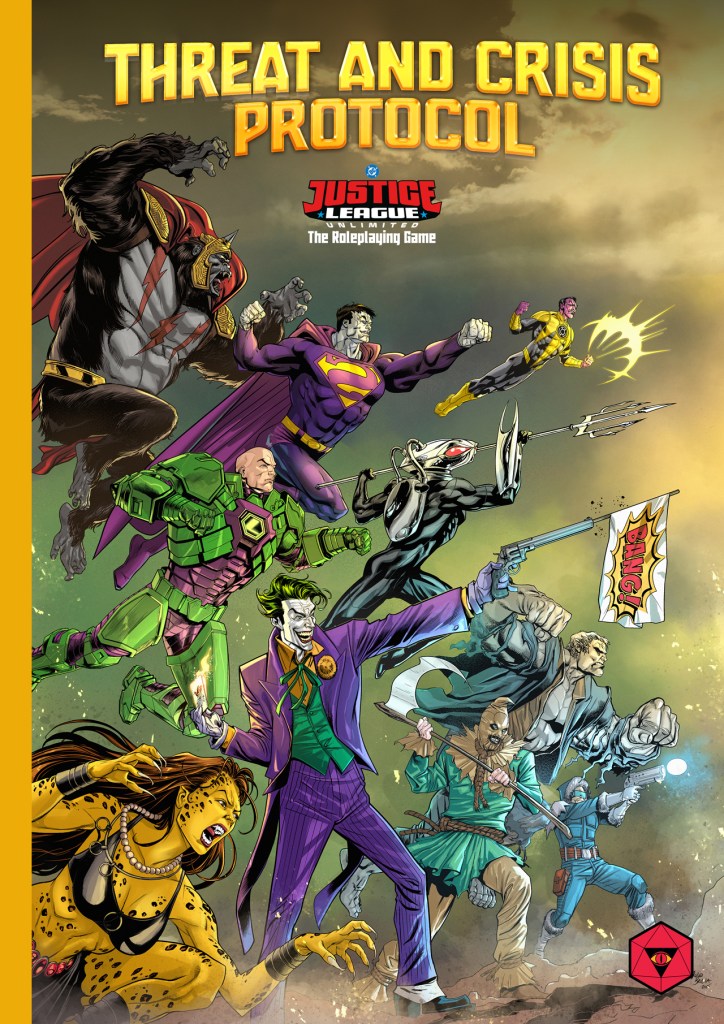
“We have adventures for each tier starting from D to S, so you have adventures where you can play any kind of multiversal scale or urban story. You can face Penguin, but also the Anti-Monitor, and the other one you have is the threats protocol where you have kind of a monster manual with a lot of creatures from the universe with huge monsters, space beasts, aliens, and mythological creatures,” Rodrigues said. “There’s also a short crisis, which is like a 40-minute crisis where you just have a scene that you have to play with ready-made characters. Have a scene like flooding Gotham or an invasion, and you have to deal with that scene. For example, you just watched Supergirl, and you want to play something similar to what you saw in the movie. You have a scene you can play something similar, and you can bring new people to Tabletop RPGs.”
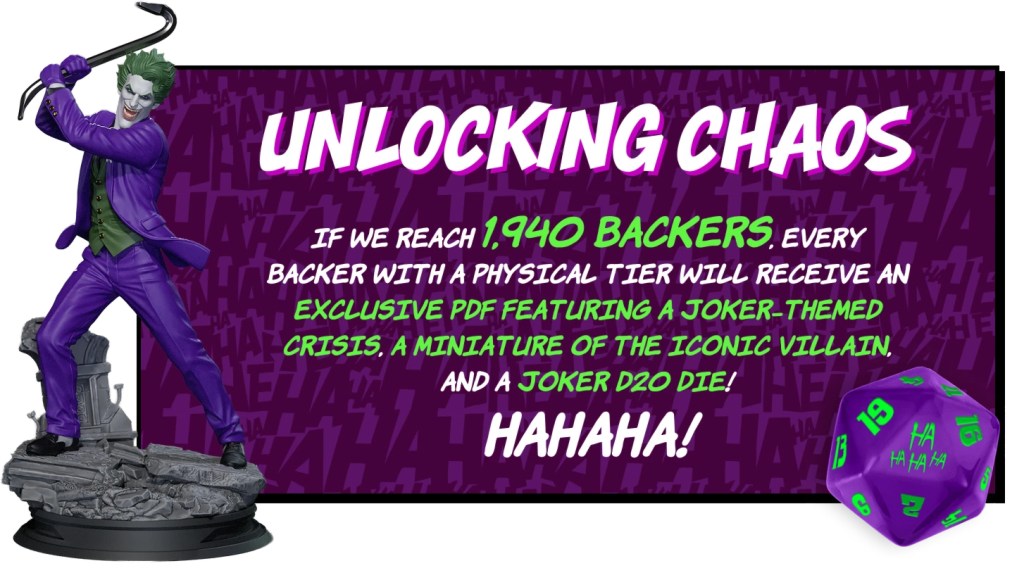
“That’s the main material you’re going to offer on the crowdfunding campaign, but in terms of stretch goals, we are going to offer extra origins, extra archetypes, but also PDFs based on famous storylines,” Rodrigues said. “So I’m gonna get a lot of Mark’s stories and other famous stories and adapt them into RPG adventures, like 14 to 16 pages where you can play the same story that you read, so if you’re a fan of Court of the Owls or Kingdom Come, you can play similar storylines on your table with stretch goals that will be unlocked.”
“Yeah, It’s something that we want to explore, the whole extension of the DC universe. We have magic, we have cosmic. We have a lot of things to bring to the game that it would be impossible to, for example, magic. Magic is a huge concept in this universe, but it’s impossible to explore everything magic can offer in just one book,” Rodrigues said. “So it would be necessary to have a specific book for magic. Like you have blood magic, you have rituals, you have spontaneous magic, you have demonic magic. A lot of things you can explore, and you go to the cosmic, you have a lot of forces, fundamental forces of the universe that we can tap into. You have the blue, you have the red, you have the green, so all of that can be explored in a more cosmic universe. The game is about the DC Universe, but under the optics of the Justice League.”
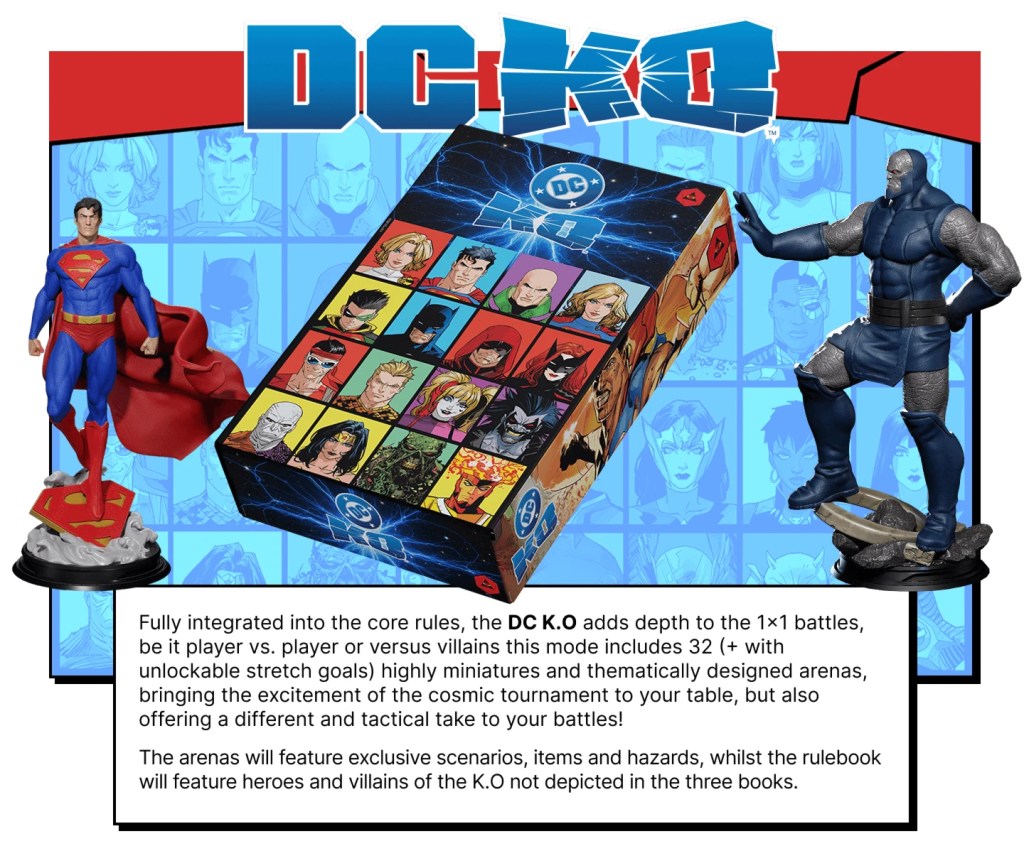
“Going forward, we’re going to mirror the book as closely as we can in the sense that, you know, if something big happens to the Justice League, if the Justice League moves out of the Watchtower permanently or something, then that’s reflected in the game,” Waid said. “If there’s a new villain that shows up in Justice League, that can be reflected in the game. Characters die in the DC universe, and that can be reflected in the game. So we’re trying to keep it going forward as tightly. I mean, there’s always going to be some time lag between because of the different timetables that everything is on, but in the general sense, it’s always going to be tied to what’s happening in the DC universe right now,” Waid said.
You can check out the campaign for the Justice League Unlimited Roleplaying Game on Gamefound right here.
What do you think? Leave a comment below and join the conversation now in the ComicBook Forum!