3 Cult 1985 Animated Shows That Every ’80s Kid Wishes Were Still on Every Saturday Morning
In the 1980s, the deregulation of children’s television advertising under the Reagan administration’s FCC chairman Mark Fowler removed the program-length commercial restrictions that had previously kept toy advertising and cartoon content separate. Studios responded by building entire series around action figure lines rather than treating merchandise as secondary to animated shows. That meant Hasbro, Mattel, and Kenner effectively became executive producers by proxy, dictating character rosters, vehicle designs, and villain factions to studios like Sunbow, Rankin/Bass, and Hanna-Barbera before a single script was written. Despite the cynicism of most of 1980s animation, the decade still produced unusually dense animated storytelling, giving fans classics such as He-Man and the Masters of the Universe, The Transformers, and Teenage Mutant Ninja Turtles.
1985, in particular, stands out as the year syndicated animation shifted from novelty to industry standard. G.I. Joe: A Real American Hero graduated from occasional miniseries to a full five-day-a-week series that September, airing alongside a vastly expanded second season of The Transformers that added dozens of new characters within months. Kenner answered with its own toy-driven venture that same fall, M.A.S.K., built around vehicles that each concealed a second combat form. Amid that flood of product, a handful of 1985 debuts found ways to distinguish themselves from the toy-commercial formula that produced them, using creative choices that had little to do with moving units off shelves.
3) Jem and the Holograms
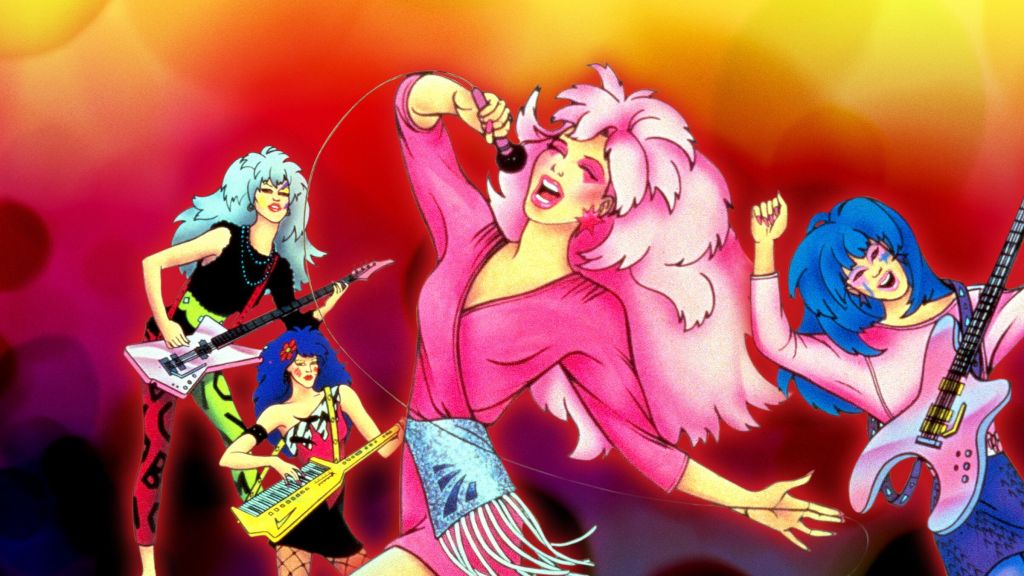
Christy Marx created Jem and the Holograms for Hasbro, Sunbow Productions, and Marvel Productions, the same alliance behind G.I. Joe and The Transformers. However, rather than the ambient soundtrack filler common to its toy-driven contemporaries, the series stood out by building nearly every episode around an original song staged as a full animated music video. The story centers on Jerrica Benton, a record executive who uses a holographic computer named Synergy to transform into Jem, lead singer of a band locked in permanent rivalry with the Misfits.
Jem and the Holograms split its lead role across two performers, with Samantha Newark voicing Jerrica’s dialogue and singer Britta Phillips handling Jem’s musical performances, ensuring the high quality of each musical act while still keeping a talented voice actress for the regular scenes. Jem ran for three seasons and 65 episodes before Marvel Productions folded, and outside a poorly received 2015 live-action film, Jerrica and her band never received a proper animated continuation. Amazon MGM Studios recently confirmed a live-action series adaptation, but the musical charm of the Jem and the Holograms animated series remains part of the 1980s alone.
2) The 13 Ghosts of Scooby-Doo
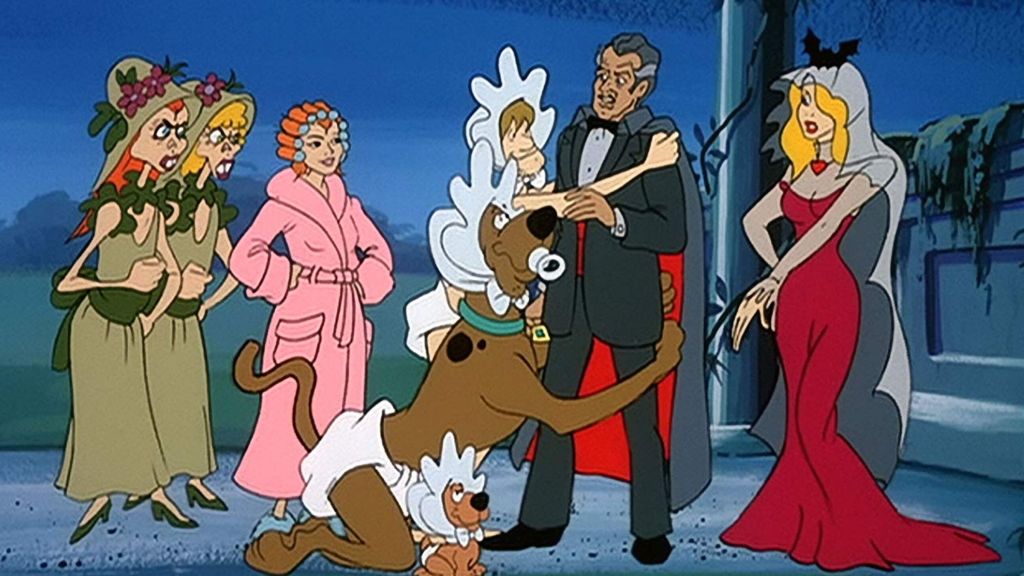
In 1985, Hanna-Barbera decided to shake up the Scooby-Doo formula by giving the gang an actual supernatural threat to handle. Developed by Mitch Schauer, The 13 Ghosts of Scooby-Doo opens with the accidental release of the titular spirits from the Chest of Demons, forcing Scooby and Scrappy-Doo (both voiced by Don Messick), Shaggy (voiced by Casey Kasem), and Daphne (voiced by Heather North) to recapture them one by one with guidance from Vincent Van Ghoul, a castle-dwelling warlock voiced by Vincent Price.
Price was a horror legend when he entered the world of Scooby-Doo, having starred in classics such as The Pit and the Pendulum and The Masque of the Red Death. Casting him as a character explicitly modeled on his own horror-icon persona was nothing short of genius, as the series created a deep connection with the adult members of the family. Sadly, ABC cancelled The 13 Ghosts of Scooby-Doo after a single 13-episode season due to budget cuts, leaving two ghosts still at large when the story stopped, an unresolved cliffhanger Warner Bros. Animation only closed in 2019 with the direct-to-video film Scooby-Doo! and the Curse of the 13th Ghost.
1) ThunderCats
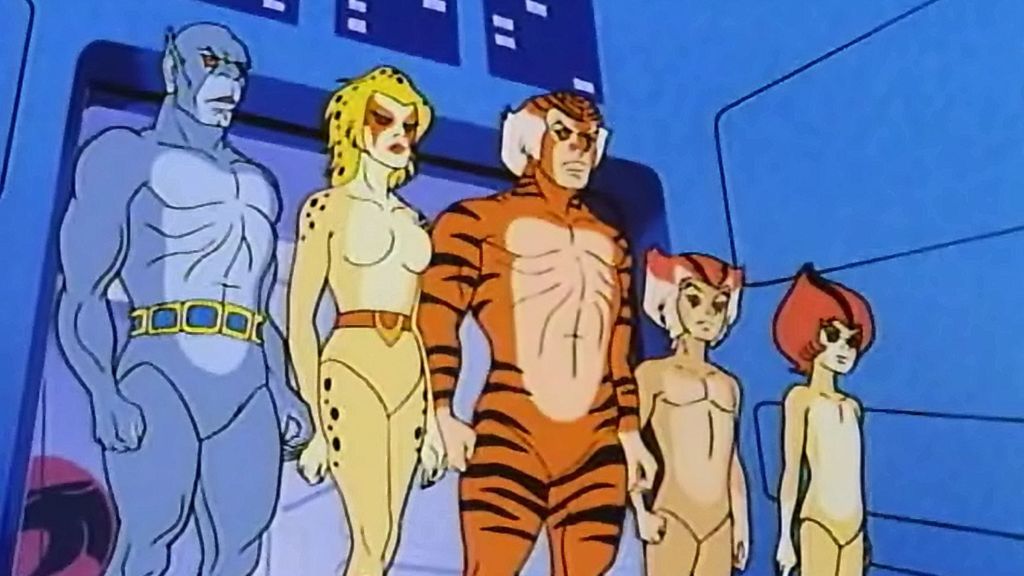
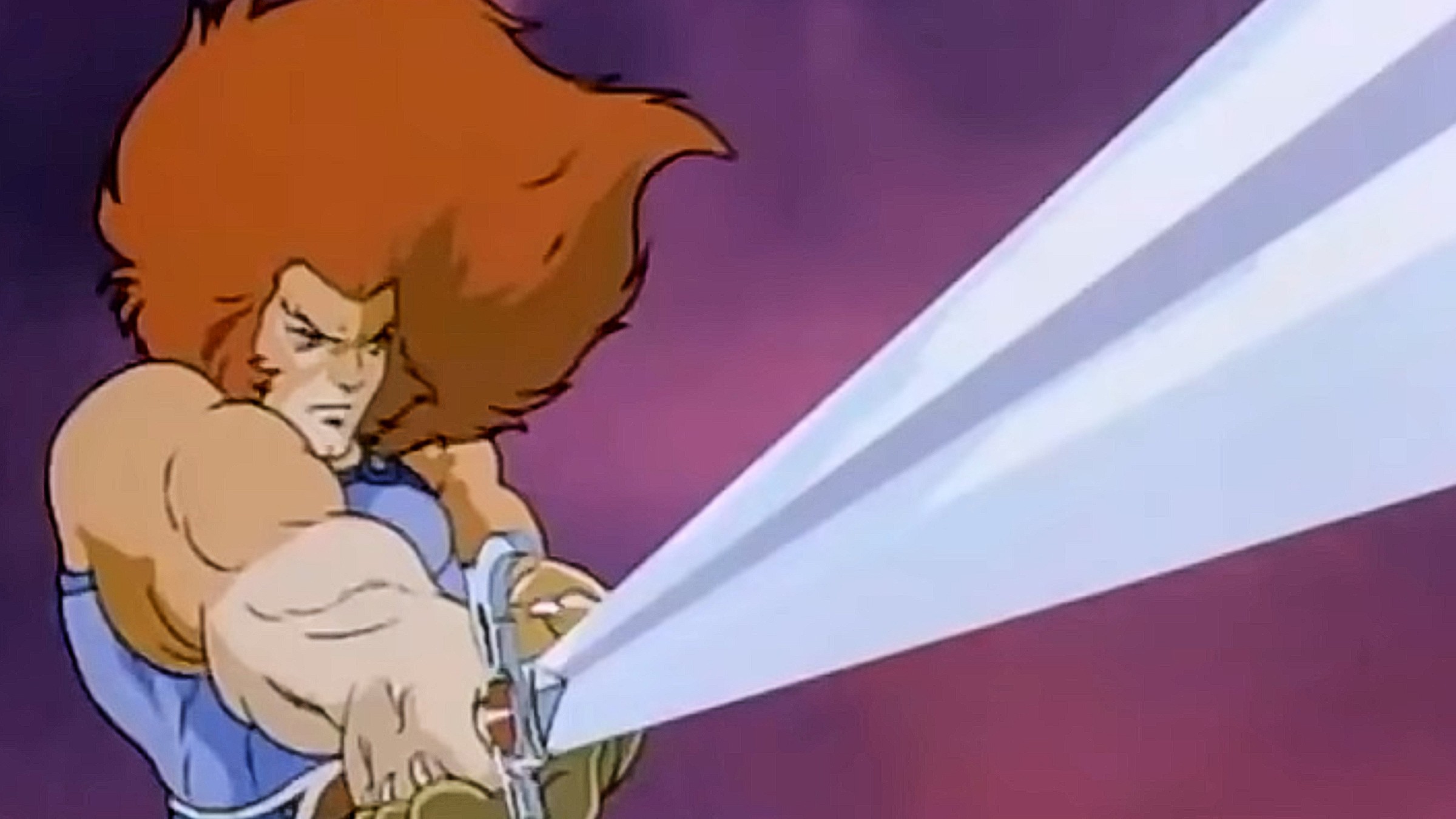
Rankin/Bass hired Topcraft to animate ThunderCats‘ first season, the same Tokyo studio that had just finished animating Hayao Miyazaki’s Nausicaä of the Valley of the Wind before going bankrupt in June 1985. When Topcraft dissolved, part of its staff formed Studio Ghibli, while another portion regrouped as Pacific Animation Corporation and continued animating ThunderCats through its remaining three seasons, which means the animated series that introduced Lion-O (voiced by Larry Kenney) and Mumm-Ra (voiced by Earl Hammond) has deep ties with one of the best animation studios in the world.
ThunderCats‘ pilot episode, “Exodus,” aired in January 1985, months before the wave of toy-driven cartoons that followed it, giving it a rare head start to establish its brand before the format got crowded. Unfortunately, neither of the franchise’s two modern revivals — a 2011 Cartoon Network series cancelled after one season and the flatter ThunderCats Roar in 2020 — matched the original’s animation pedigree. Warner Bros. Animation announced a new animated feature at this year’s Annecy festival, so hopefully the project will recapture the glory of the original ThunderCats broadcast.
Which 1985 cartoon do you most wish was still airing new episodes today? Leave a comment below and join the conversation now in the ComicBook Forum!