5 Atlus RPGs That Deserve Remakes and Aren’t Persona
Thanks to the Persona series, Atlus is one of the most recognizable names in JRPG history. The modern Persona games have become global hits, and Atlus has invested heavily in bringing older entries to new audiences. These remakes have proven incredibly successful, but have unfortunately put the studio in tunnel vision. Outside of Persona, there are so many incredible RPGs in Atlus’ library, and it is a shame they do not get the recognition they deserve. A remake on modern hardware is just the thing they need to get back in the spotlight and show the depths of Atlus’ talents.
Atlus has already shown how valuable its older games can be when given another chance. Persona 3 Reload rebuilt the 2006 RPG for modern platforms, and Persona 4 Revival is poised to repeat that success. For me, that makes Atlus’ forgotten RPGs even more interesting, especially when looking at games that experimented with tactical combat, time travel, dating mechanics, medical simulation, and unusual systems long before those ideas became common. With that in mind, these are the five games that would benefit most from an Atlus remake.
5) Trauma Center: Under the Knife

Trauma Center: Under the Knife is technically not an RPG in the traditional sense, but it belongs in this conversation because of how experimental it was. It was released on the Nintendo DS in 2005, combining surgery simulation, RPG elements, and visual-novel storytelling. Trauma Center focused on young surgeon Derek Stiles, and players used the DS touchscreen to perform operations while combating an artificial disease called GUILT.
The unusual concept helped the game stand apart from virtually everything else in Atlus’ catalog, giving it a strong argument to be remade. We’ve seen Atlus expand on the series with Trauma Center: Second Opinion on the Wii in 2006, but I am imagining the series going even further with a modern remake. Something that can add more RPG elements while staying true to the foundation.
Motion controls, precise controller inputs, or even optional mouse support could recreate the hands-on surgery without being tied to obsolete hardware. The Nintendo Switch 2 is perfect for this, but the PlayStation 5 Dual Sense controller would also be good. Combining this with an expanded story and
4) Growlanser
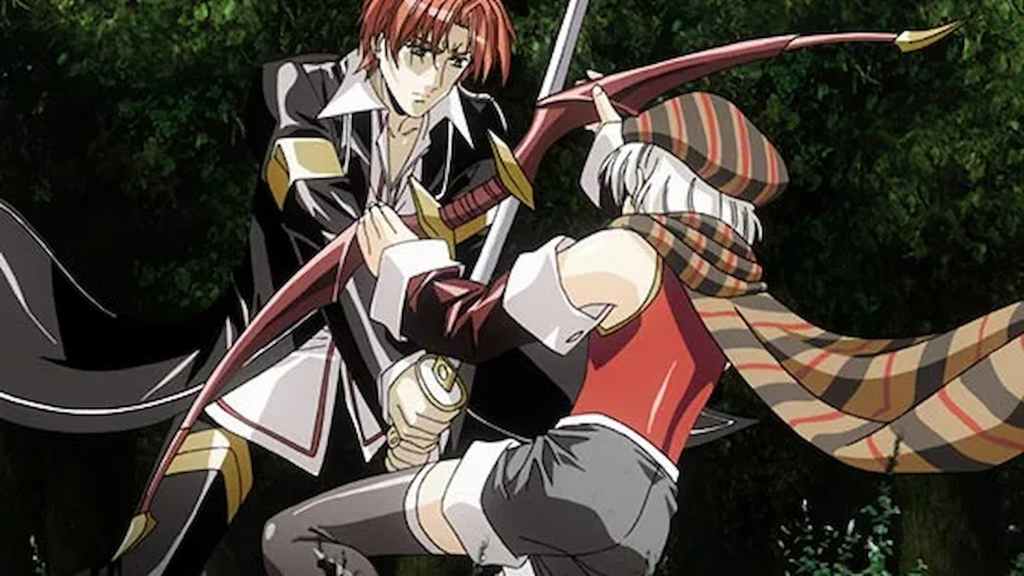
Growlanser represents an entirely different side of Atlus’ history compared to Persona. The tactical RPG series began on PlayStation in 1999 and eventually expanded across PlayStation 2 and PSP. It actually originated as a spiritual successor to Career Soft’s Langrisser series, continuing a legacy of Japanese strategy RPGs.
What makes the original particularly interesting is how much room there is for a modern remake to rethink its presentation without losing its identity. The PlayStation-era game is more than 25 years old, and its technical limitations are painful today. But it helped establish a distinctive tactical RPG formula and featured iconic characters that fans still love today.
A modern Growlanser could be especially appealing to fans who want something between traditional turn-based RPGs and tactical games. Atlus could modernize the interface, improve battlefield presentation, add quality-of-life features, and bring the original story to current consoles and PC. Remaking the original would revive the series and possibly let Atlus mirror Persona with remakes and maybe even a new game.
3) Radiant Historia
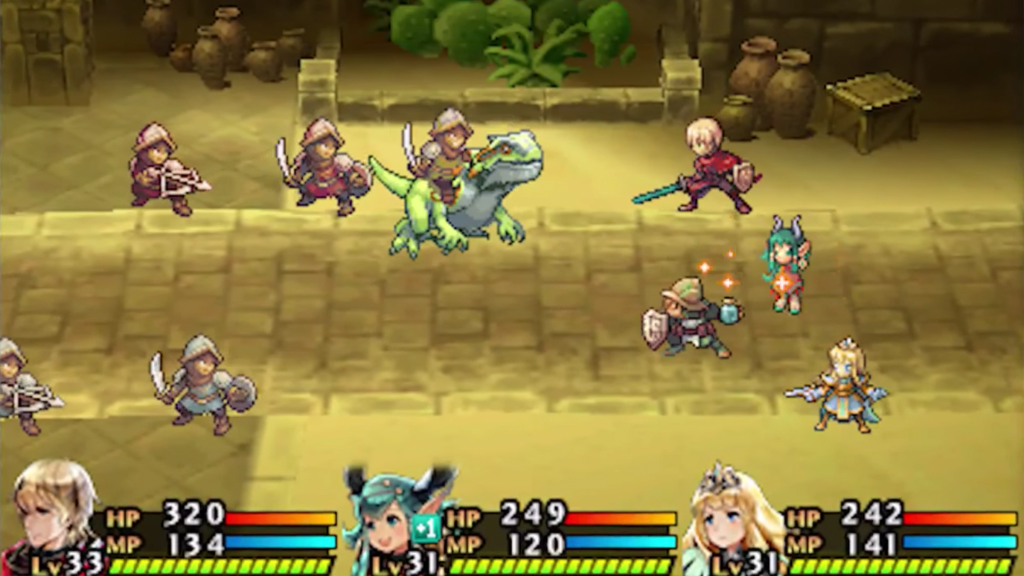
Technically, Radiant Historia has already received a second chance on the Nintendo 3DS, but Atlus could easily take this further. The original built its entire adventure around manipulating two parallel timelines. Instead of treating time travel as a simple story gimmick, the game connected it directly to exploration, combat, character decisions, and the progression of its narrative.
The game was criminally overlooked on release, even with Radiant Historia: Perfect Chronology, which added new story material, new character portraits, voice acting, and an additional timeline while retaining the original adventure. The 3DS version was better received than the original on the Nintendo DS, but Atlus has a chance now to either remake the game or release a new entry.
Radiant Historia has an interesting history, pun intended, and is the perfect candidate for a remake on PlayStation 5 or Nintendo Switch 2. A new version could finally give Stocke and his world a full modern visual overhaul while preserving the ingenious timeline system. It would also give Atlus another chance to expose one of its greatest standalone RPG stories to players who missed both previous releases.
2) Kartia: The World of Fate
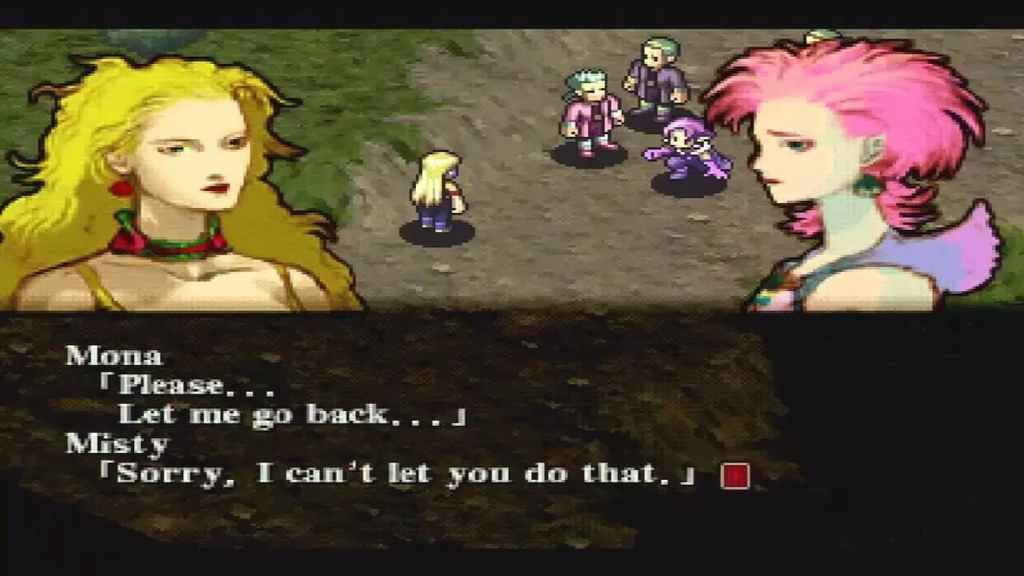
Kartia: The World of Fates is one of the most criminally forgotten RPGs on the PlayStation. It was released in 1998 and is an excellent strategy RPG. It takes place in the world of Rebus, where magical cards called Kartia can be used to create everyday necessities, weapons, armor, spells, and artificial creatures called Phantoms. Players could then proceed through two campaigns, both of which overlapped with one another.
One of the most appealing aspects is Yoshitaka Amano’s involvement as character designer. His work on Final Fantasy put him on a pedestal and gave Kartia a distinctive look. Combining this with its unusual setting, dual campaigns, and ambitious tactical systems despite its technical shortcomings. Even back in 1998, the game had substance and style, and that could easily be taken advantage of on modern consoles.
A remake of Kartia could fix the issues of the game while keeping what made it special. Better AI, clearer crafting explanations, faster combat, modern tactical interfaces, and enhanced versions of Amano’s character designs could transform the experience. The two protagonists could even receive expanded scenes that better connect their separate campaigns and bring more depth to the narrative.
1) Thousand Arms

Thousand Arms has to be the game that Atlus prioritizes when it comes to remakes outside of Persona. After all, the series can easily trace its dating sim qualities to this beloved RPG, where the main character, Meis Triumph, was able to forge stronger weapons based on his relationships with the female characters. The game combined traditional RPG combat with dating-simulation mechanics and played a crucial role in popularizing this combination.
In Thousand Arms, dating isn’t just an afterthought or side activity, but a major pillar of the game. With a remake, the dating mechanics could become deeper without overwhelming the RPG, while weapon forging could become a sophisticated progression system tied directly to relationships and character development. But now, after the success of the Persona series, Atlus can fully realize this initial vision.
A modern remake can add better animation and cutscenes, bringing them to life like never before with voice acting. This would help its unusual humor shine and give the game the second chance it deserves. Thousand Arms is one of the most experimental games in history, and without it, we may never have seen dating mechanics implemented across so many games.