30 Years Ago, Marvel Finally Revealed the Story Behind the X-Men’s Most Terrifying Villain
It has been 30 years today since Marvel Comics started a storyline that began to reveal the origin of the greatest X-Men villain introduced in the 1980s. Apocalypse made a cameo appearance in X-Factor #5 (1986) by Bob Layton and Jackson Guice before making his first full appearance in X-Factor #6 (1986) by Louise Simonson and Guice. X-Factor was a Marvel Comics series that reunited the original X-Men after Jean Grey returned from the dead and showed the five members pretending to be mutant hunters, while realistically saving young mutants and helping train them to better control their powers. They needed a legitimate new villain, and that ended up becoming Apocalypse.
In 1994, everything changed when “Age of Apocalypse” arrived, and it showed how powerful Apocalypse really was when he conquered or decimated most of the planet Earth (Earth-295). That led to the moment, 30 years ago, when The Rise of Apocalypse began its run, finally revealing the true origin of the villain known as En Sabah Nur.
The Rise of Apocalypse Began the X-Men Villain’s Origin Story
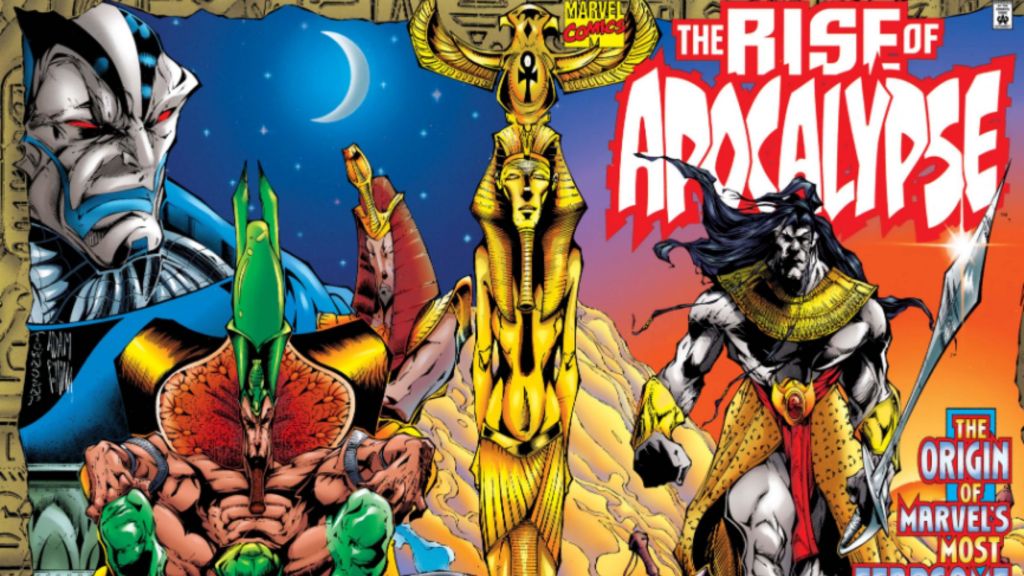
The Rise of Apocalypse #1 by Terry Kavanagh and Adam Pollina came out on August 21, 1996, and it began the story of Apocalypse’s origin. As most Marvel fans know, Apocalypse is one of the oldest mutants in known existence, born as En Sabah Nur 5,000 years ago. He was born a gray-skinned and facially disfigured baby to a tribe known as the Akkaba. Baal led a clan of warrior-nomads known as the Sandstormers, and they saved En Sabah Nur when his own clan cast him out as a child to die.
This led to the turning point where, two decades later, Rama-Tut knew that En Sabah Nur would grow up to become Apocalypse, and he wanted to use him for his own purpose. Just when Rama-Tut’s warlord Ozymandias planned to kill Baal and take Nur for himself, the mutant who would become Apocalypse grasped the Eye of Ages. This is a device from Nathaniel Richards’ time-traveling ship from the 30th century that holds the information spanning millennia of human history. When Baal told Nur about it, this set him on his path to becoming Apocalypse.
This book started a four-issue miniseries that saw Apocalypse lose his father figure and then fight to overthrow Rama-Tut. It was through this series that his mutant powers began to activate, although he had no idea what they were at the time, or even that there was any way that he could be more than human. By the fourth issue, when his body continued to heal itself and he was seemingly resurrected more than once, he called himself “The Apocalypse” and said that he was coming for Rama-Tut. By the end, Apocalypse chose not to be a hero as he had planned. Rama-Tut escaped back to the future, where he eventually became known as Kang, while En Sabah Nur became the vindictive Apocalypse.
Apocalypse Remains One of the X-Men’s Most Iconic Villains
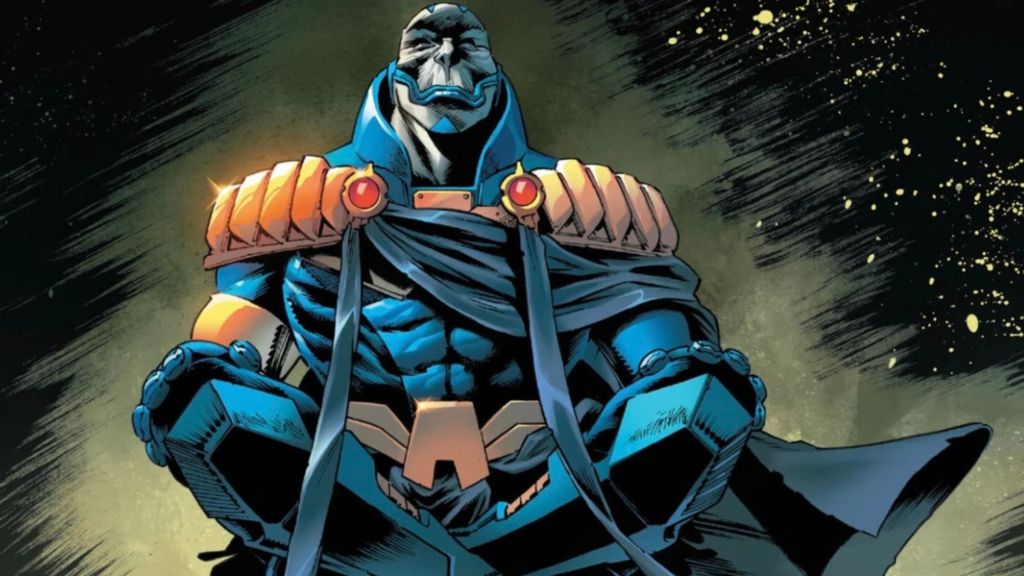
This was an interesting storyline when it arrived 30 years ago. Apocalypse was always seen as a conqueror, first when he was battling X-Factor and later when he was the ruler of the world in “Age of Apocalypse.” He did a lot of terrible things, including turning the beloved original X-Men member Angel into the murderous and deadly Archangel. In the “Age of Apocalypse,” he destroyed so many beloved heroes in that timeline, and he was a destructive force of nature. That is what Apocalypse mostly was in Marvel Comics.
The Rise of Apocalypse #1 started a new story, and it showed that it was not always meant to be this way. There was some tragedy here, but it showed that no matter how good En Sabah Nur wanted to be, he always had darkness inside of him. Baal tried to help him become a good person, but he knew that Apocalypse was going to be a conqueror. Nur tried to be a hero, but when the woman he loved, Nephri, looked him in the face and recoiled in fear, he chose to be what she saw him as. Nur became a monster.
Since that time, Apocalypse has been a destructive mutant and one of the X-Men’s most dangerous villains. He has been a villain more than once, and he was a hero on Krakoa, where he helped the mutants survive longer than they otherwise would have. It was in Krakoa that he showed he was more than just a villain, and long-time readers already knew that because of this miniseries that launched 30 years ago.