philippines should fix
| | |

Philippines should fix tax gaps and procurement, not raise tax rates – WB

MANILA, Philippines – The Philippines doesn’t necessarily need to raise tax rates to get more money if it gets better at collecting the taxes that it’s already owed and spending what it already has more efficiently.

The World Bank estimates that the gap between what the government could theoretically collect from value-added tax (VAT), corporate income tax (CIT), and personal income tax and what it actually collects exceeds 11% of gross domestic product (GDP).

“Within those three major taxes, our key message is that you can get a lot of mileage out of just improving implementation… being very selective about which VAT exemptions you offer based on cost-benefit analyses,” World Bank senior economist Jaffar Al Rikabi said during the launch of the lender’s Philippines Public Finance Review on Monday, September 28. 

To improve the existing tax system, the World Bank suggested to focus on making compliance easier for businesses and individuals, strengthening collection of taxes already owed, and gradually narrowing exemptions and incentives that shrink the tax base.

Among its recommendations, the World Bank wants the government to use the Ease of Paying Taxes Act to consolidate overlapping tax rules and reduce the costs of compliance. Together with rationalizing corporate income tax incentives under the CREATE and CREATE MORE Acts, the World Bank estimates that the government could generate additional revenue equivalent to 0.5% to 1.8% of GDP. 

Expanding e-invoicing, matching taxpayer information against third-party data, and strengthening audit capacity could add another 0.3% to 0.8% of GDP currently lost to noncompliance, according to the report. 

Making compliance easier though will be no small task. As it stands, businesses in the Philippines have to contend with an estimated 4,835 pages of implementing rules, according to the World Bank. Since 1997, the country has enacted 43 tax laws covering 751 pages, which in turn spawned more than 525 Revenue Regulations and 1,600 Revenue Memorandum Circulars. 

In other words, paying taxes in the Philippines can involve wading through thousands of pages of frequently amended rules. That complexity pushes up compliance costs, forcing firms to spend more time and money on making sense of these regulations, often with the help of accountants and lawyers, while also increasing the chances of mistakes and late payments. 

Must Read

PH’s 12% VAT yields no more than Thailand’s 7%; World Bank urges collection fix


PH’s 12% VAT yields no more than Thailand’s 7%; World Bank urges collection fix

The Philippines’ overall tax-to-GDP ratio stood at 14.6% in 2025, around 6.5-percentage points below the average for upper-middle-income economies. (READ: The Philippines is now upper-middle income. Why doesn’t it feel that way?)

 “The short answer is that we are not recommending any tax rate increase,” World Bank division director Zafer Mustafaoglu said on Monday. “What we’re recommending [is] that there’s a lot of space to collect more by increasing efficiency and broadening the base.”

Procurement reforms

The World Bank estimates that the government could also save around 1.8% to 2% of GDP a year simply by buying more strategically, without purchasing fewer goods and services. Public procurement is spread across roughly 41,000 government buyers, which often purchase similar items separately and at very different prices. 

World Bank senior economist Jaffar Al Rikabi said agencies and local government units can end up paying different prices because they buy in different volumes, at different times, and in different locations. 

The lender’s proposed fix is to bundle demand and negotiate framework agreements with suppliers so agencies can acquire the same goods and services at common prices even if they buy different quantities at different times. 

Described by the World Bank as one of the quickest wins, the government could save up to P435 billion annually from procurement reforms. – Rappler.com 

Must Read

World Bank pushes 5% cap after unprogrammed funds ballooned in past budgets


World Bank pushes 5% cap after unprogrammed funds ballooned in past budgets

Similar Posts

  • |

    Punjab cotton crop in satisfactory shape as rice cultivation surpasses target

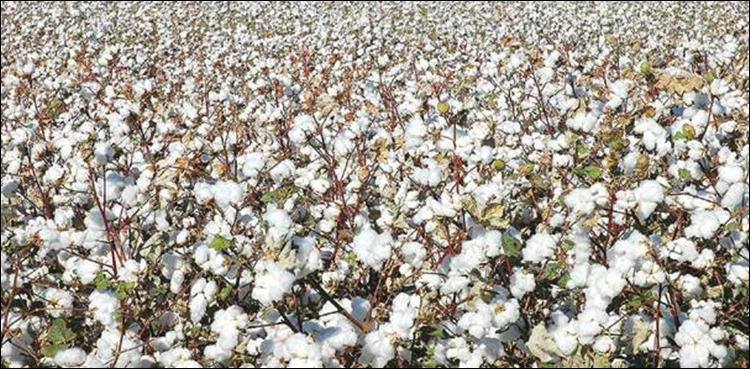
    LAHORE: The cotton crop in Punjab is currently showing a generally satisfactory condition, while rice cultivation in the province has exceeded the government’s target by a significant margin, with growers sowing the crop over more than six million acres against the planned five million acres. The latest assessment was shared at a high-level meeting held in Multan on Saturday to review the progress of major standing crops, agricultural extension services and measures aimed at strengthening farming activity across Punjab. The meeting was chaired by Additional Chief Secretary Punjab Iftikhar Ali Sahoo and brought together senior officials from the Agriculture and Irrigation departments, representatives of the farming community and experts from the agricultural sector. Among those attending were Muhammad Nawaz Sharif University of Agriculture Vice Chancellor Professor Dr Asif Ali, Special Secretary Agriculture South Punjab Sarfraz Hussain Magsi, Agriculture Department Directors General Abdul Hameed, Naveed Asmat Kahloon, Dr Aamir Rasool and Dr Sajid-ur-Rehman, as well as Kissan Ittehad President Khalid Mahmood Khokhar, Syed Hassan Raza and Dr Muhammad Iqbal Bandesha. Additional Secretary Task Force Shabbir Ahmed Khan, Director General Crop Reporting Dr Abdul Qayyum and Agriculture Department Consultant Dr Muhammad Anjum Ali participated in the meeting through a video link. Officials briefed the meeting on the condition of major crops and the progress of field-level initiatives designed to assist farmers. Cotton remained a major focus of the discussion because of its importance to Pakistan’s textile-based economy and its contribution to agricultural incomes. The participants were informed that the cotton crop across Punjab was in a satisfactory condition. However, officials stressed the need for continued field monitoring and timely technical support to protect the crop from potential threats during its critical growth stages. Cotton is considered one of Pakistan’s most important cash crops and serves as a major source of raw material for the country’s textile industry. Its performance has a direct bearing on farmers, ginners, textile manufacturers and export-oriented businesses. In recent years, cotton production has faced challenges from changing weather patterns, pest attacks, input costs and competition from alternative crops. Sahoo emphasised that the government was giving priority to agricultural development and the economic well-being of farmers. He directed agriculture officials and field formations to maintain regular contact with growers and ensure that technical advice reached farmers in a timely manner. He said the strategy prepared for the revival and strengthening of cotton cultivation should be implemented in letter and spirit. Officials were also asked to remain active in the field and assist growers in dealing with crop-related issues. Highlighting cotton’s wider economic significance, the additional chief secretary said the country’s economy and textile sector could not be viewed separately from the performance of the cotton crop. He stressed the need for coordinated efforts to improve productivity and strengthen the position of cotton growers. The meeting also reviewed the progress of rice cultivation. According to the officials, rice had already been planted over more than six million acres in Punjab, exceeding the season’s target of five million acres. Sahoo directed agricultural authorities to intensify technical guidance for rice growers, particularly to help them improve productivity, maintain crop quality and adopt better farming practices. He called for greater involvement of regional agricultural forums and professional experts in addressing issues faced by farmers at the local level. Such platforms, he said, should use their technical expertise to help improve agricultural performance and provide practical solutions to growers. The additional chief secretary also appreciated the efforts of Agriculture Department field teams for their role in supporting farmers and monitoring crop conditions across the province. Later, Sahoo visited the Model Agriculture Mall in Multan to inspect arrangements for the provision of agricultural inputs to farmers. During the visit, he reviewed the availability of fertilisers and other essential inputs and sought information from officials regarding stocks and farmer demand. He directed the relevant authorities to ensure uninterrupted availability of fertiliser at the facility so that farmers did not face shortages during the ongoing crop season. Officials said crop conditions would continue to be monitored closely in the coming weeks. With rice cultivation entering the final stages of the transplantation period and cotton moving into an important phase of its growth cycle, timely field intervention and availability of agricultural inputs would remain crucial to determining overall crop performance. The government is expected to maintain its focus on farmer guidance, crop monitoring and input availability as the province moves further into the agricultural season.

  • |

    Onion, tomato prices surge over 90% in one year

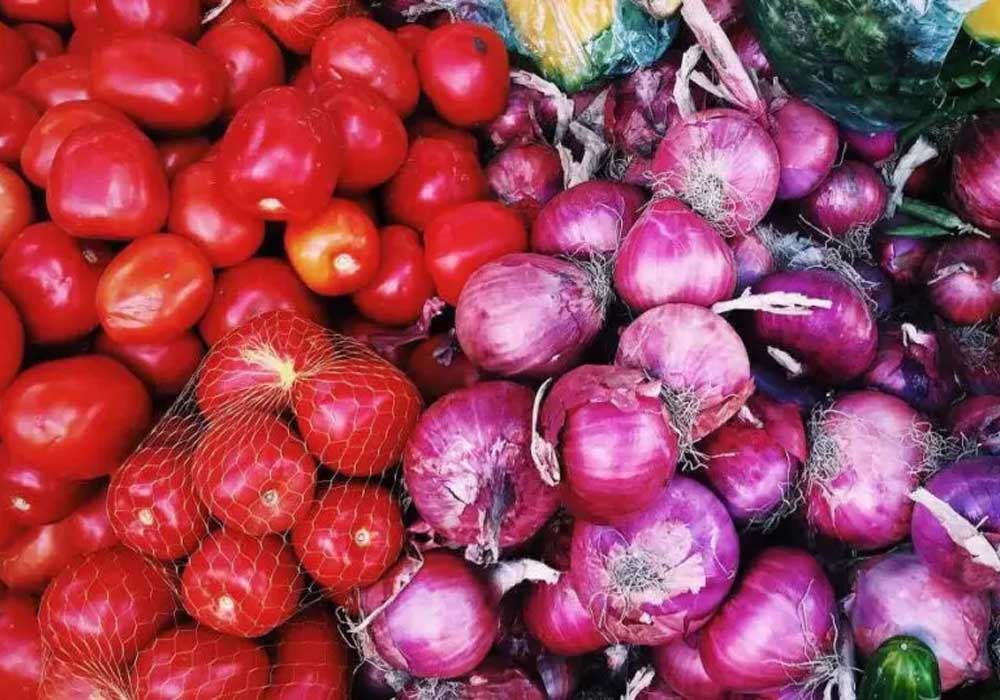
    ISLAMABAD: The prices of several essential food and household items have recorded significant changes over the past year, with onions and tomatoes witnessing some of the sharpest increases, according to the latest data released by the Bureau of Statistics. The data showed that onion prices jumped by 132.52% on a year-on-year basis, making the vegetable one of the biggest contributors to the increase in food costs. Tomato prices also surged by 93.21% during the same period, putting additional pressure on household budgets. Among other essential commodities, the price of flour rose by 62.25% over the year, while LPG became 51.69% more expensive. The prices of diesel and petrol increased by 33.08% and 27.65%, respectively, adding to transportation and household expenditure pressures. The data further showed that banana prices increased by 17.66% during the year. Mutton became 15.98% more expensive, while beef prices recorded an increase of 13.54%. However, several food items became cheaper compared with their prices a year earlier. Potato prices declined by around 30%, providing some relief to consumers. Sugar prices fell by 19.10%, while chicken became 17.68% cheaper. Egg prices also registered a year-on-year decline of 17.41%, while gram prices dropped by more than 13%. The statistics further revealed that prices of lentils and masoor decreased by 12.29%, while jaggery became around 6% cheaper over the year.

Leave a Reply

Your email address will not be published. Required fields are marked *