5 Philippine creative cities team up to make UNESCO badge count
BAGUIO CITY, Philippines – Being recognized by UNESCO is one thing. Making that recognition work for artists, cultural workers, educators, and ordinary communities is another.
This was the challenge confronting representatives of the Philippines’ UNESCO Creative and Learning Cities who gathered in Baguio from November 5 to 8, and agreed to strengthen cooperation beyond the international distinctions their cities have earned.
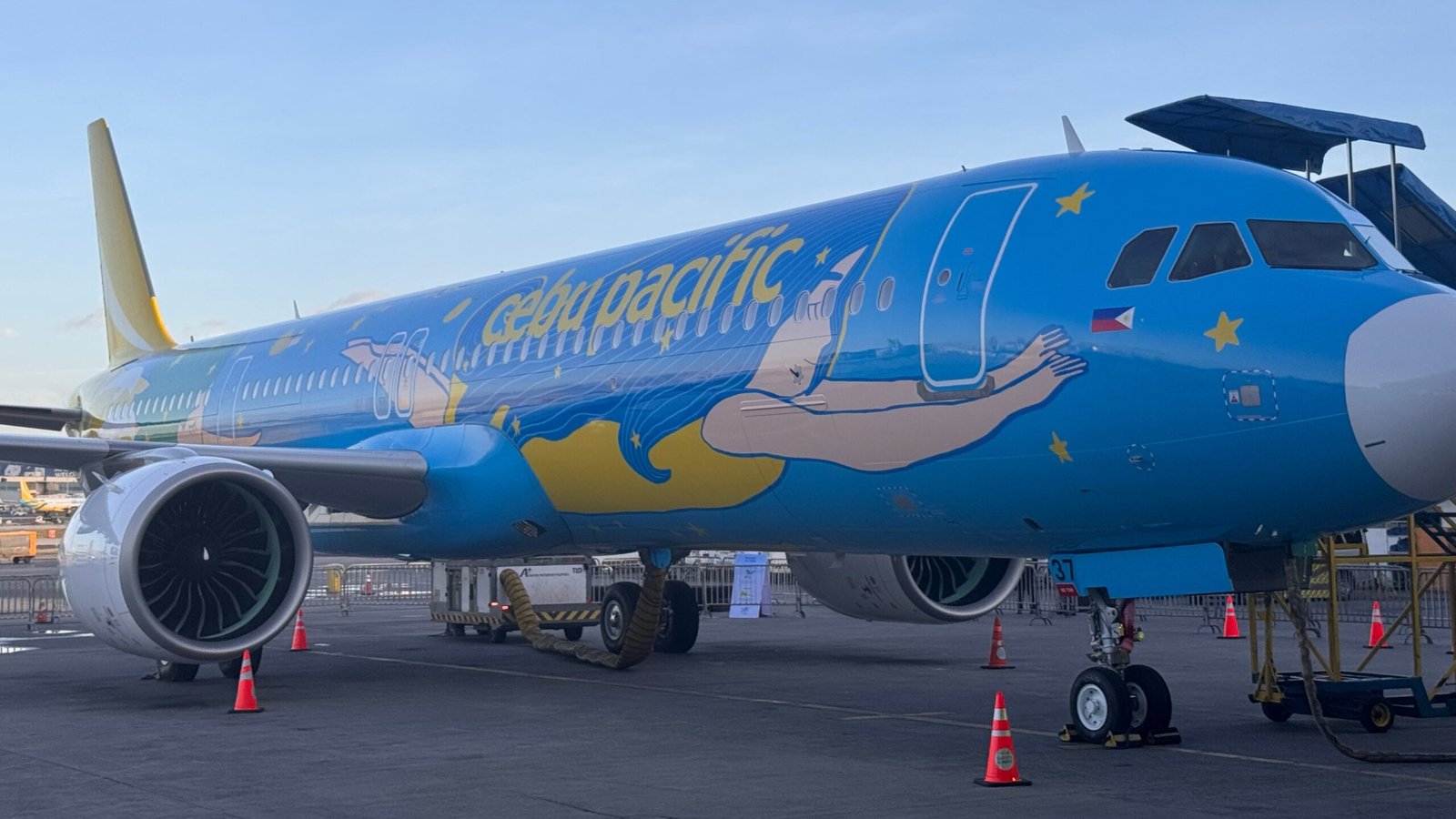
The gathering, organized by the UNESCO National Commission of the Philippines (UNACOM) and the Baguio City government, brought together the country’s five UNESCO Creative Cities: Baguio for Crafts and Folk Art, Cebu for Design, Iloilo for Gastronomy, Quezon City for Film, and Dumaguete for Literature.
Representatives of the UNESCO Learning Cities of Balanga, Baguio, Legazpi, and Quezon City also participated, linking creative industries with education, lifelong learning, and community development.
Held alongside the ninth IBAGIW Baguio Creative Festival, the convergence was part of UNACOM’s 75th anniversary activities.
At the center of the gathering was a Pledge of Cooperation among the five Creative Cities, witnessed and supported by Learning City representatives.
The pledge commits the cities to sharing resources and expertise, pursuing joint initiatives, and promoting their creative communities nationally and internationally. It also seeks to expand opportunities for women, including access to creative spaces, leadership positions, and industry resources.
The agreement builds on the Philippine Creative Industries Development Act, which provides a national framework for supporting creative enterprises and cultural workers.
Baguio Mayor Benjamin Magalong, whose city became the country’s first UNESCO Creative City in 2017, said international recognition should be measured by the opportunities it creates.
“Bilang kauna-unahang lungsod sa Pilipinas na napabilang sa UNESCO Creative Cities Network noong 2017, naniniwala tayo na ang pagkilala ay hindi lamang isang karangalan,” Magalong said.
“Mas mahalaga ang mga oportunidad na nalilikha nito para sa ating mga artists, artisans, cultural workers, educators, at mga komunidad na patuloy na nagpapanatili ng ating kultura at pagkakakilanlan.”
(As the first city in the Philippines to be included in the UNESCO Creative Cities Network in 2017, we believe that this recognition is not merely an honor. More important are the opportunities it creates for our artists, artisans, cultural workers, educators, and the communities that continue to preserve our culture and identity.)
The meeting also examined how cooperation could address challenges that individual cities face in sustaining their creative industries, from access to markets and training to the preservation of traditional knowledge.
Creative Baguio City Council co-convenor Marie Venus Tan stressed the importance of connecting creativity with learning and preserving Filipino cultural identity.
Paolo Mercado, president of the Creative Economy Council of the Philippines, argued that creative education must extend beyond the arts.
“Creative thinking is not just artistic thinking; it is also scientific thinking because it is innovation,” Mercado said.
The discussions took a more community-focused turn on November 6, when UNACOM and Baguio City held a consultation on expanding learning opportunities for women and girls.
Participants examined the contributions of indigenous women and traditional knowledge holders to cultural preservation, while identifying barriers to education, resources, leadership, and decision-making.
On November 7, Creative City representatives also agreed to approach the Department of Trade and Industry through the Philippine Creative Industry Development Council to seek support for their continued participation in international UNESCO activities and networks.
They discussed possible joint projects, partnerships between cities, and exchanges that could benefit artists, artisans, and creative enterprises.
The delegates’ visit to Baguio offered examples of how these ideas could work beyond conference rooms.
They toured creative spaces and community enterprises, including the BenCab Museum, Asin Road woodcarving establishments, Ili-likha, Pilak, Mandëko Kito, and other venues participating in IBAGIW.
Learning City representatives also visited Vivita Philippines, a learning space where young people develop ideas through hands-on experimentation, design, and creative problem-solving.
The visits brought attention to the practical challenges of sustaining traditional crafts, creating livelihoods, and passing cultural knowledge to younger generations.
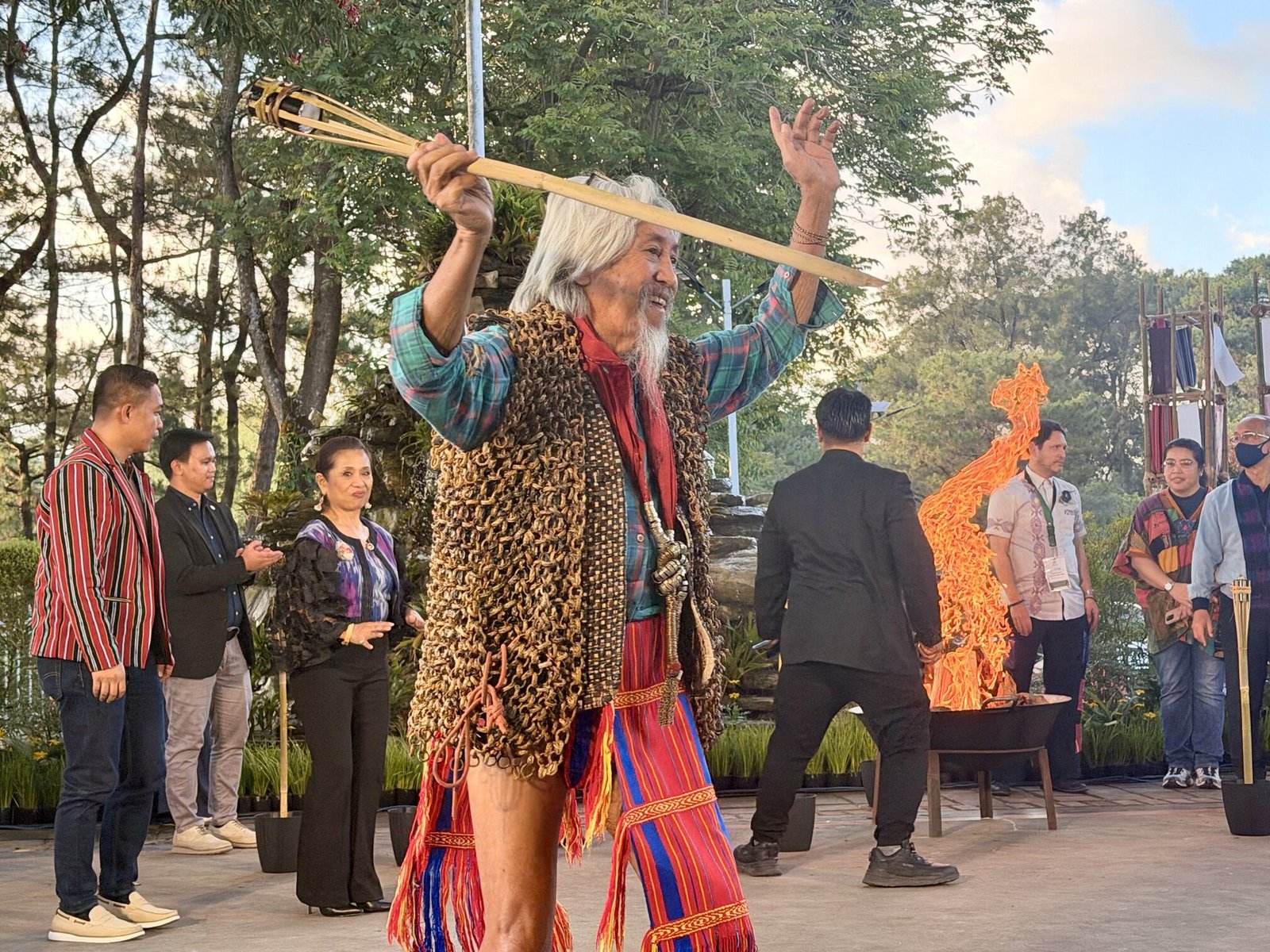
National Artist Kidlat Tahimik, speaking during the festival’s opening ceremonies, cautioned against measuring development solely through economic indicators.
“Now, we always equate progress with the quantifiables. Nakakalimutan na natin ang (We forget the) soul of the city,” he said, referring to the knowledge inherited from ancestors and elders that cannot easily be measured but remains important to the future.
UNACOM deputy executive director Lindsay Barrientos commended Baguio for translating its UNESCO designation into local programs but called for stronger systems of cooperation among cities.
The next test for the newly strengthened network will be turning its commitments into actual projects, with participating cities expected to pursue partnerships, seek institutional support, and expand opportunities for their creative communities.
The IBAGIW Baguio Creative Festival continues throughout November with exhibitions, performances, artisan fairs, workshops, and other cultural activities across the city. – Rappler.com