
An Iconic ‘90s Sci-Fi Horror Classic is Now Streaming For Free — And So Is Its Critically Panned Remake
The streaming business has grown increasingly fragmented over the past several years, with major services locking flagship titles behind subscription tiers and forcing viewers to juggle multiple platforms just to keep up with their favorite franchises. Free, ad-supported services such as Tubi, Plex, and Pluto TV have carved out a significant niche by countering this trend, offering constantly refreshed libraries that swap in new titles every month without demanding a credit card. For horror fans in particular, this model creates unique opportunities to revisit entire franchises in one sitting, tracking how a concept evolves, improves, or occasionally collapses under its own weight across multiple installments. One such opportunity has just landed for fans of a specific slice of early ’90s genre filmmaking.
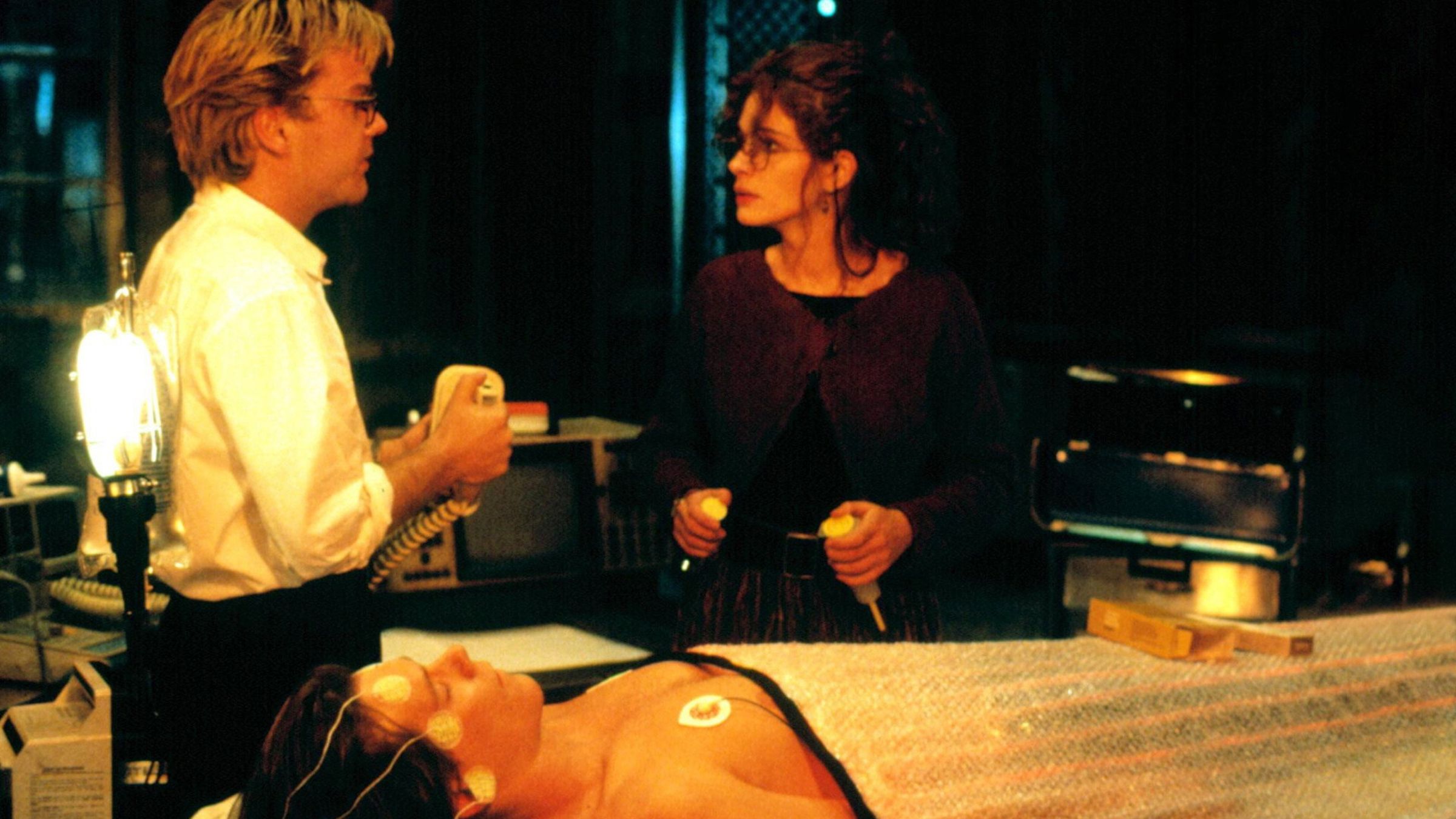
Tubi has added both Flatliners (1990) and Flatliners (2017) to its free library this August, giving subscribers the chance to stream Joel Schumacher’s original alongside its critically maligned follow-up at no cost. The 1990 film follows five medical students, including Nelson Wright (Kiefer Sutherland), David Labraccio (Kevin Bacon), and Rachel Manus (Julia Roberts), who stop their hearts one by one to study near-death experiences, only to find the sins of their pasts trailing them back into the waking world. The 2017 version, directed by Niels Arden Oplev, moves the premise to a new class of students led by Courtney Holmes (Elliot Page), with Sutherland returning in the role of Dr. Barry Wolfson, the fake identity of Nelson Wright.
How Do the Two Flatliners Movies Compare?

The original Flatliners didn’t win over critics in 1990, getting middling reviews that have nowadays consolidated into a 50% score on Rotten Tomatoes. Audiences showed up anyway, pushing the film to the top of the box office on opening weekend. Nevertheless, Flatliners only grossed $61.5 million total against a $26 million budget, far from being a staggering success. Much of the initial pull came from the ensemble Schumacher assembled, a cast stacked with actors that were quickly climbing Hollywood’s ranks. Sutherland arrived fresh off The Lost Boys, while Roberts began shooting mere weeks after wrapping Pretty Woman, the film that would make her a household name within months of Flatliners hitting theaters.
Beyond the box office, Schumacher and cinematographer Jan de Bont built the production around a genuinely unsettling Gothic aesthetic, filling an abandoned hospital wing with flickering candlelight and towering shadows that gave the near-death premise a distinct visual identity. The craftsmanship also earned the film an Academy Award nomination for Best Sound Editing, a rare mark of technical recognition for a studio horror release. After its initial theatrical run, decades of rewatches on cable and home video have turned Flatliners into a legitimate cult favorite, the kind of film horror fans actively seek for rewatches.

The 2017 version was a complete disaster. Reviews were so hostile that the film briefly sat at a zero percent score on Rotten Tomatoes before climbing to 4% across 77 reviews, making it one of the worst-reviewed wide releases of that year. Critics repeatedly pointed to the same core failure, as director Niels Arden Oplev and writer Ben Ripley took an already shaky premise and stripped away the atmosphere that carried the original, delivering a version of the story with the same beats but none of the dread. Even Sutherland’s return as Dr. Barry Wolfson, a link meant to bridge the two films for longtime fans, did little to soften the fans’ response.
The sequel’s box office performance mirrored its critical drubbing, opening to just $6.7 million in a wide domestic release against a $19 million budget. A stronger international run eventually pushed the worldwide total to $45.2 million, keeping the project from becoming an outright financial disaster even as it became a punchline. What the remake ultimately lacked was a reason to exist beyond nostalgia. Where Schumacher’s original leaned into mood, the follow-up went for glossier visuals and a younger cast without deepening the central idea of facing guilt after cheating death.
Both Flatliners (1990) and Flatliners (2017) are streaming now, free, on Tubi.


