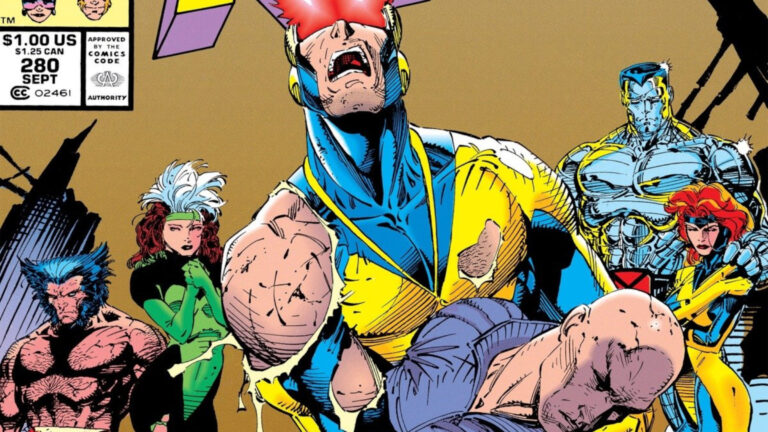
Disney Is Quietly Ending One of the Most Controversial Eras in the Marvel and Star Wars Franchises
In the 2010s, Disney became the dominant studio in the film industry thanks to their impressive collection of extremely lucrative franchises. New installments in the Marvel and Star Wars universes routinely brought in billions of dollars at the box office and broke all-time records; The Force Awakens‘ domestic haul of $936.6 million is a mark that might never be broken, and for a period of time Avengers: Endgame was the highest-grossing film in history. As the decade wound to a close, the Mouse House was on top of the world and had major plans to keep the good times rolling by aggressively expanding their fan-favorite fictional worlds.
The launch of Disney+ provided Disney and its subsidiaries with a new platform to tell a wide range of stories that the movies didn’t have time to tackle. Enthusiastically looking to make a splash at the outset of the streaming wars, the studio quickly greenlit a plethora of live-action Marvel and Star Wars TV series, looking to capitalize on viewers’ love for both properties. Results on this front were decidedly mixed, and a handful of years after going all in on the streaming initiative, Disney’s strategy has changed once again — as the surprise cancellation of Wonder Man proves.
Disney Is Moving Away From Its Controversial Streaming Era
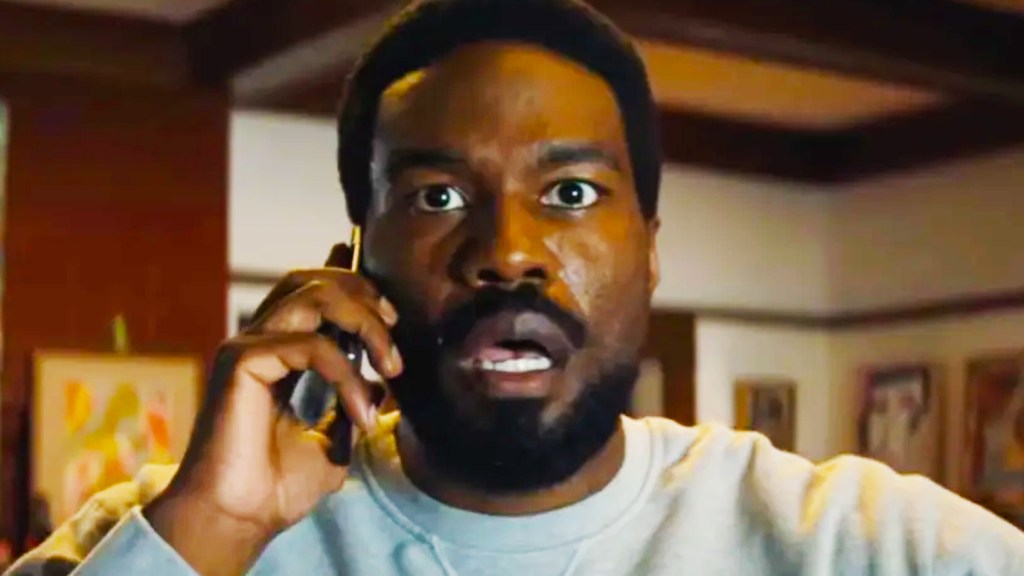
Disney pulling the plug on Marvel’s Wonder Man (despite renewing the critically acclaimed show earlier this year) serves as the virtual nail in the coffin for Disney’s streaming era that defined the better part of the 2020s. With this development, there are no upcoming live-action Marvel or Star Wars TV shows that haven’t already been shot. This October sees the premiere of Marvel’s VisionQuest, and Ahsoka Season 2 and Daredevil: Born Again Season 3 will debut at some point in 2027. Outside of those, nothing else has been announced at this point in time. Tellingly, Marvel spent the majority of its Hall H panel this year spotlighting new movie reveals like Ryan Gosling’s Ghost Rider and David Jonsson as the new Black Panther.
Of course, there will continue to be new content made for Disney+ (Lucasfilm is working on the second season of the animated series Star Wars: Maul – Shadow Lord), but streaming isn’t going to be as big of a priority moving forward. Disney itself told Andor showrunner Tony Gilroy that “streaming is dead,” a startling admission that the bubble burst because the business model wasn’t sustainable as production budgets increased and subscriber rates stagnated. The current state of things forced Disney to adjust, pivoting back to theatrical features. Similar to Marvel at this past Comic-Con, Lucasfilm used Star Wars Celebration Japan 2025 to spotlight the upcoming movie Star Wars: Starfighter and tease other films in development, but there was no mention of new live-action shows.
Things are always subject to change, of course, but it would have to take something drastic for Disney to forge ahead with an overabundance of new streaming content again. The studio would not have abruptly cancelled Wonder Man if TV was going to remain an integral component of the MCU machine. Once VisionQuest debuts and what Kevin Feige has dubbed “the Wanda Trilogy” has concluded, Marvel will be closing the book on one era before commencing the next. In a post-Avengers: Secret Wars world, Feige wants the MCU to be easier for fans to follow. Greenlighting a bunch of new TV shows would directly contradict that.
Disney’s desire to leave its mark on the streaming realm was understandable. The company had a fledgling service and wanted original programming to draw in viewers. Leaning on popular brands like Star Wars and Marvel was obvious; both of those universes are massive sandboxes filled with infinite storytelling possibilities. Disney+ also launched a handful of months before the start of the COVID-19 pandemic, which led to an influx of new subscriptions as people became desperate for entertainment they could easily consume at home. For a stretch, Disney+ filled a void and was a great asset for the Mouse House, but fans probably won’t look back at this era in full with the fondest of memories.
Did Disney+ Hurt the Marvel and Star Wars Brands?
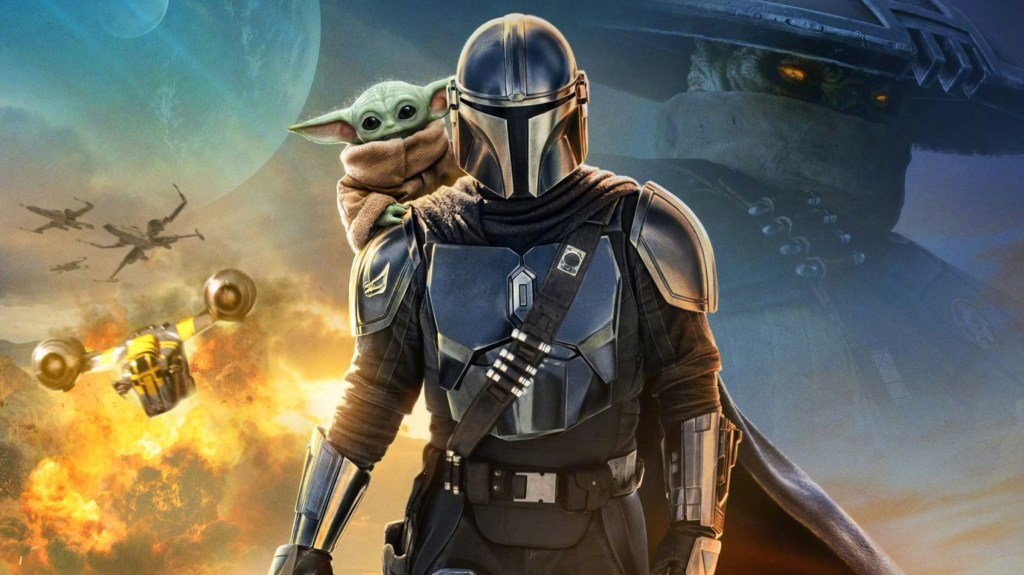
Marvel and Star Wars undeniably scored some notable wins on Disney+. Shows like The Mandalorian, WandaVision, Loki, and Andor became fan favorites and garnered widespread critical acclaim, showcasing the potential of what these franchises were capable of on the small screen. However, a case can be made that Disney+ ultimately did more harm than good. In their quest to populate their streaming service with flagship originals, Disney seemingly overestimated how much demand there was for the supply they were offering. With multiple MCU and Star Wars shows premiering annually, oversaturation became an issue, expediting feelings of franchise fatigue as general audiences became worn out.
In the case of Marvel, even Kevin Feige would admit that following the MCU’s sprawling, interconnected narrative had become too much like homework for viewers. At the behest of Disney, Marvel simply put out too much too soon, diluting their brand and making it harder for audiences to keep up with everything. This led to box office results that would have been unfathomable during the MCU’s peak in the 2010s (like The Marvels making just $206.1 million worldwide). On paper, having TV shows tie into movies sounded exciting, but in actuality it didn’t work at all. The notion of watching an entire TV series (or more) to understand storylines or character arcs in the latest Marvel movie was a turnoff for some people. Avengers: Endgame had provided viewers with a natural jumping off point, satisfyingly wrapping up the story of the Infinity Saga. That meant it was easier for people to ignore Marvel moving forward, and with no coherent throughline uniting everything together a la Thanos and the Infinity Stones, it was hard to tell what was essential and what was disposable. Marvel is trying to pick up the pieces by having Avengers: Doomsday and Secret Wars lead to a soft reset for the franchise’s continuity.
Star Wars’ streaming era got off to a strong start as The Mandalorian, fueled by adoration for “Baby Yoda,” became Disney’s premier streaming show, but things went sideways after that. Andor was a bright spot, proving Star Wars could do prestige TV in a compelling way, but many of the other live-action series were divisive for various reasons, failing to replicate the initial impact of The Mandalorian (which lost some steam itself thanks to a polarizing Season 3). In some cases, Lucasfilm alienated more casual viewers by leaning too heavily into deep lore connections and ties to the animated shows. The Acolyte, an attempt to do something different far removed from the Skywalker Saga timeline, was cancelled after one season due to budget concerns. Additionally, an unintended consequence of this stretch was that Star Wars transformed into exclusively a streaming franchise and people became accustomed to watching “new Star Wars” at home. This might have had an impact on The Mandalorian and Grogu‘s box office this summer, as the numbers indicate several people were content to wait to watch the film at home.
Looking ahead, Marvel and Lucasfilm seem to be favoring a “less is more” approach. In the 2010s, the arrival of a new Star Wars or MCU project felt special because they were scarce. During the Infinity Saga, the most movies Marvel ever released in one year was three, and Star Wars was limited to one annual theatrical release. Thanks to the streaming boom, there’s been less time between releases in the 2020s, making Star Wars and Marvel feel less special. Fans need an opportunity to miss their favorite franchises so that there’s natural excitement and anticipation for the next project. By scaling back, Marvel and Star Wars will hopefully get back on top and remind people why they fell in love with these brands in the first place.