Final Fantasy Resonance Could Decide the Fate of the Series for Decades to Come
There is no name bigger than Final Fantasy when it comes to the JRPG genre. At its start and throughout most of its history, the series has been turn-based and offered some of the best systems to accompany this gameplay. Yet, Square Enix has experimented more and more with its action. Final Fantasy VII Remake combined turn-based and action gameplay, while Final Fantasy XVI has completely embraced action-RPG combat. Some fans are happy with this new direction, while many others long for the days of the series’ slower, strategic battles that defined it for decades.
Now, Final Fantasy Resonance arrives at a fascinating moment. It is not a mainline entry, but it is the first brand-new, turn-based Final Fantasy in years that is neither a remake nor a remaster, but rather an expanded version of Final Fantasy Brave Exvius. Square Enix has described it as a celebration of both classic and modern Final Fantasy, combining HD-2D visuals with strategic turn-based combat. If the game becomes a commercial success, it could influence conversations surrounding Final Fantasy XVII. Square Enix leadership has already acknowledged renewed interest in turn-based RPGs following the breakout success of Clair Obscur: Expedition 33, even if no direction has been finalized.
Final Fantasy Resonance Is More Important Than It Looks
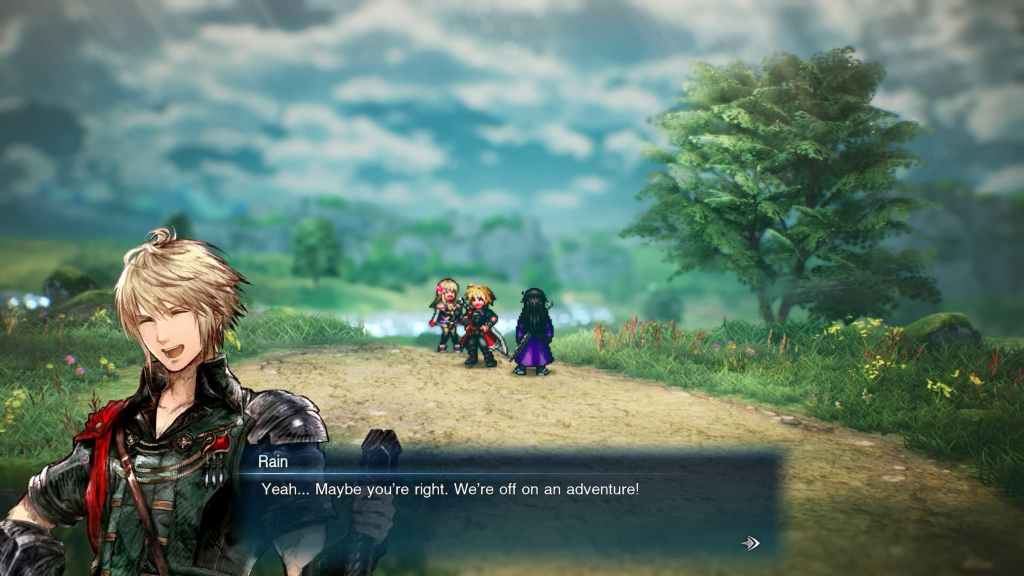
At first glance, Final Fantasy Resonance may appear to be a side project. It is built in Square Enix’s HD-2D style rather than pursuing photorealistic visuals, and it is not numbered alongside the franchise’s flagship releases. In fact, it is a reimagining of Final Fantasy Brave Exvius, Square Enix’s mobile Final Fantasy. That makes it easy to underestimate. History, however, has shown that experimental projects often influence a company’s future decisions more than expected.
Square Enix has officially positioned Final Fantasy Resonance as the first HD-2D game in the franchise. It combines strategic turn-based battles with familiar series staples like crystals, chocobos, summons, and airships while featuring appearances from beloved heroes across the series. Rather than simply recreating an older title, the game introduces an original adventure built around mechanics many longtime fans have been asking to see again.
As someone who grew up on turn-based Final Fantasy games and always preferred them, Final Fantasy Resonance is right up my alley. The slower rhythm of the games makes each encounter feel like a puzzle. Instead of having to react quickly to actions, I could plan my decisions and utilize team-building and strategy to great effect. Final Fantasy Resonance feels like the first genuine opportunity in years to discover whether that style still resonates with a modern audience.
Good Sales Could Shape Final Fantasy XVII
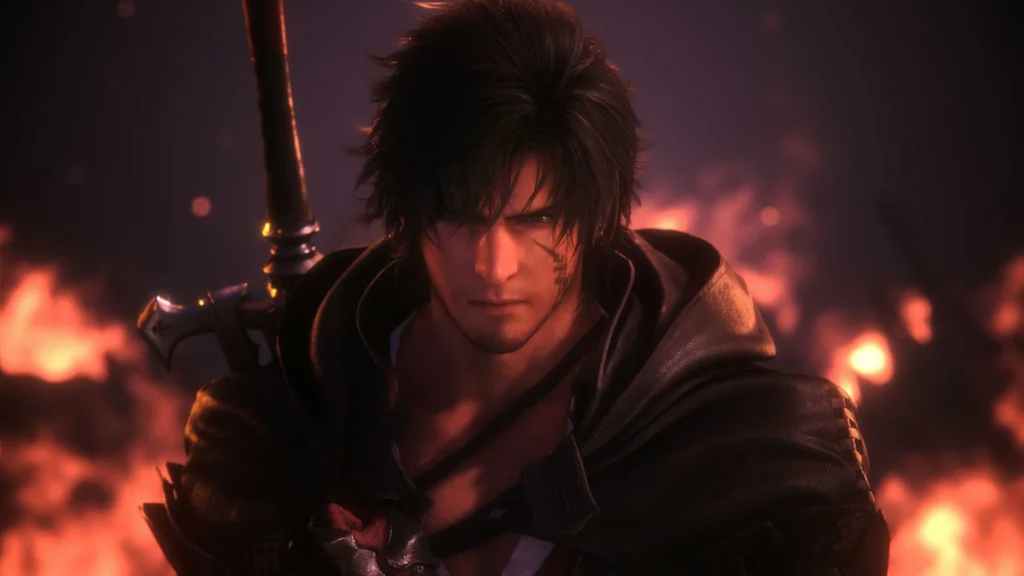
Square Enix has not confirmed that Final Fantasy XVII will feature turn-based combat. In fact, producer Naoki Yoshida has repeatedly said there is no simple answer because each numbered game should reflect the creative vision of its development team rather than follow a fixed formula. This is easily apparent in how every game has evolved, not just in its combat but in each game’s entirety.
Still, executives have openly acknowledged that the success of Clair Obscur: Expedition 33 has reignited conversations around turn-based RPGs. Square Enix president Takashi Kiryu reportedly emphasized that turn-based gameplay remains part of the company’s heritage, while developers behind Final Fantasy Resonance have spoken about a broader resurgence fueled by both players and creators who grew up loving classic JRPGs.
That is why Final Fantasy Resonance matters far beyond its own release. Publishers closely watch sales data, player engagement, and critical reception. If this game demonstrates that millions of players still want a premium turn-based Final Fantasy that is not tied to nostalgia through remakes, it gives Square Enix stronger evidence that a future numbered installment could succeed with similar gameplay. It may not guarantee that Final Fantasy XVII returns to turn-based combat, but it would certainly strengthen the argument inside the company.
The Future of Final Fantasy May Depend on Player Response

Every franchise reaches moments when a single release becomes more influential than expected. Sometimes it introduces a new direction. Other times it reminds developers why players fell in love with a series in the first place. Final Fantasy Resonance has the potential to become one of those rare releases, especially following the lackluster response to Final Fantasy XVI.
The game already represents something unique. It is not asking players to revisit an old favorite through a remaster, nor is it attempting to compete directly with recent action-focused entries. Instead, it offers a fresh reimagined story built around strategic combat while embracing many of the traditions that helped define Final Fantasy for decades. Even those who played Final Fantasy Brave Exvius can expect something new, and something well worth paying attention to.
Whether Final Fantasy XVII launches as action-oriented, turn-based, or something entirely new will ultimately depend on the creative team leading the project. Yet the reception to Final Fantasy Resonance could become one of the strongest shapers of the final product. If players show up in large numbers, they will be sending a message that reaches far beyond one spin-off. They could help shape the direction of one of gaming’s most influential RPG franchises for years to come. I know that I will be doing my part to get Final Fantasy turn-based, just as Dragon Quest XII prepares to continue this tradition.
What do you think? Leave a comment below and join the conversation now in the ComicBook Forum!