In Theaters 28 Years Ago, A Major Horror Franchise Set Itself Up for Future Failure By Changing Canon Forever
Halloween easily stands as one of the most iconic and instantly recognizable horror franchises in history. When John Carpenter and Debra Hill’s original masterpiece premiered in 1978 it left audiences paralyzed with a sense of pure, unrelenting terror. Today the film is widely credited as one of the original slasher films that defined the genre. Much like the franchise’s own unstoppable, iconic villain, Michael Myers, the Halloween films have an uncanny ability to continuously rise from the ashes, surviving every fatal blow inflicted on them by critics and box office struggles alike. Despite the franchise’s legendary and revered status within the horror canon, it has been stuck in a perpetual stall for decades, exhausting itself in an endless cycle of reboots, retcons and alternate timelines. In the same way Michael Myers keeps returning to his home town of Haddonfield, the Halloween franchise is doomed to perpetually revisit it’s glory days. These constant narrative shifts have only served to frustrate fans, leaving many to wonder if the series will ever find its way again.
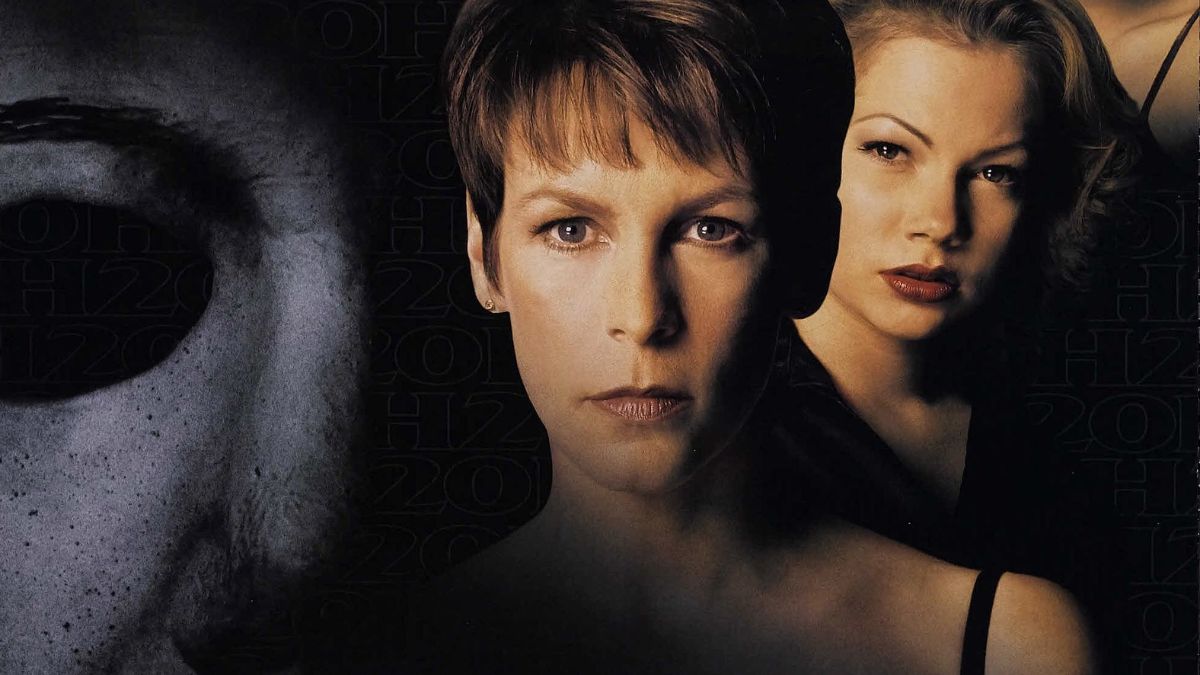
Twenty eight years ago Halloween: H20 released with the promise of returning the series to its roots. The results were a double edge sword, saving itself from the franchise’s convoluted history while setting a precedent that would make that same problem much worse for future sequels. The reboot proved that if writers ever reached a dead end, they could just start over, trapping the franchise in a seemingly endless cycle of reboots and creative dead ends.
From Anthology to Identity Crisis
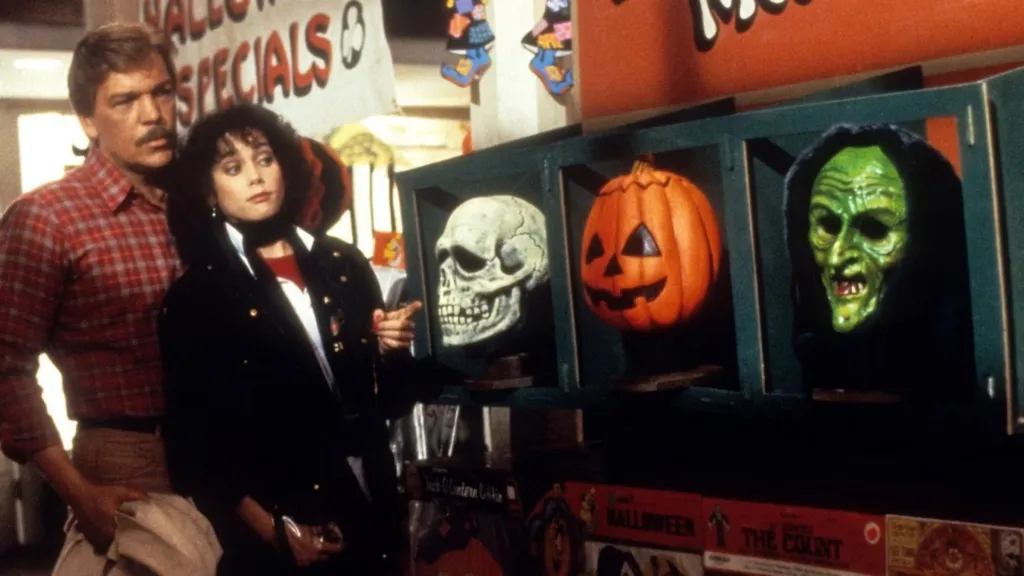
By the 1990s the Halloween franchise was having somewhat of an identity problem. The troubles had long been festering since the ending of 1982’s Halloween 2. John Carpenter and Debra Hill wrote the screenplay for both the original Halloween films, and they conclusively ended the story of The Shape and Laurie Strode at the end of Halloween 2. Michael Myers and his psychiatrist Dr. Loomis were both definitively dead, and the story had come to a close. So by the time motion began on another sequel, Carpenter and Hill wanted to go in a different direction entirely with Halloween, and tried to turn the franchise into an anthology series. Halloween 3: Season of the Witch dropped the iconic Michael Myers entirely, opting for an unrelated, convoluted story about evil masks that mixed science-fiction and the supernatural. The results were bizarre and mostly unwelcome by fans.
That’s when the first hints of a pattern emerged, with writers and filmmakers repeatedly trying to strip the series back to its roots. Halloween 4: The Return of Michael Myers ignored Halloween 3 entirely and was a direct sequel to Halloween 2. Now the story was focused on Laurie Strode’s daughter and a grander supernatural conspiracy involving a cult. Two more sequels only continued to lean more and more into the supernatural elements until the franchise was unrecognizable. By the time the 90s rolled around, the Halloween films had lost their direction and their voice.
The Blueprint for Endless Reboots

28 years ago Halloween: H20 released as the first full reboot of the franchise. The film was a direct sequel to Halloween 2 and ignored every film after. Twenty years after The Shape’s death Jamie Lee Curtis returns as Laurie Strode, still struggling to move past the horrors she suffered at her brother’s hands. She is now the headmistress of the same academy her 17 year old son John attends, played by Josh Hartnett. It isn’t long before Michael Myers returns to torment Laurie and the academy’s faculty and students. The stabbings and killings are doled out expeditiously throughout the film, culminating with Laurie decapitating Michael Myers with an axe. What was a triumphant victory for the film was actually a curse on the franchise and it’s future.
The movie had written itself into the same corner that Halloween 2 had done twenty years earlier. Now that Michael Myers was definitively dead, writers had to twist and bend their script to figure out a way to bring him back What was originally meant to be a revitalizing shot in the arm for the franchise quickly became burdensome chains. Naturally, a sequel did arrive four years later with Halloween: Resurrection, which offered a predictable and unsatisfying retcon. That movie did end with Michael Myers still alive, leaving the door open for a third film in it’s timeline. But now the precedent of reboots had been set, making canon optional. Why would any future writer or director feel beholden to sequels from decades earlier if they could simply reboot the franchise as they please? Just like Michael Myers, the Halloween franchise keeps rising from the dead, terrorizing fans as it tries to return to the same place it started.
The Diminishing Returns of Reboots

After Resurrection, no creative team was eager to revisit the H20 era of Halloween. So the reboot cycle began again, this time with Rob Zombie at the helm. Zombie took over the franchise in 2007 and with his reboot simply titled Halloween, which brought his signature high octane grindhouse energy to the slasher franchise. The two made for a pretty solid match and the movie was a huge hit at the box office. Unfortunately it was another case of diminishing returns with each sequel spinning further and further off course leading the cycle to repeat itself as the franchise once again changed hands and a new reboot was announced in 2017, once again titled Halloween. This one was a direct sequel to the original 1978 film, ignoring every other film in the franchise with Jaime Lee Curtis again returning as Laurie. The 2017 reboot spawned two sequels, and like Rob Zombie’s trilogy, each sequel was weaker than the last. Rebooting a franchise is meant to revitalize the property, bringing new life into what was once stale. But Halloween is stuck in a reboot hell that never allows itself to truly get off the ground.
Michael Myers is an unstoppable force of nature. No matter what is thrown at him, he is never down for long, always lumbering forward. Ever since Halloween: H20, the franchise has functioned in the same way, always pushing forward and getting right back up no matter how seemingly dead it was the last time you saw it. When one storyline goes sour, they abandon it and start a new one.If the next film in the franchise wants to break free of that cycle it can’t simply try to recapture the magic from the first film. Every attempt at capturing that magic has led to disaster. A new Halloween entry will need to be bold and unafraid to try new things. All things considered, maybe John Carpenter was onto something, and we should have followed Halloween 3’s lead, skipping canon and reboots entirely in favor of a twisted anthology series.