My Hero Academia Creator’s New Manga Is Basically Jujutsu Kaisen in My Hero Academia’s Art Style
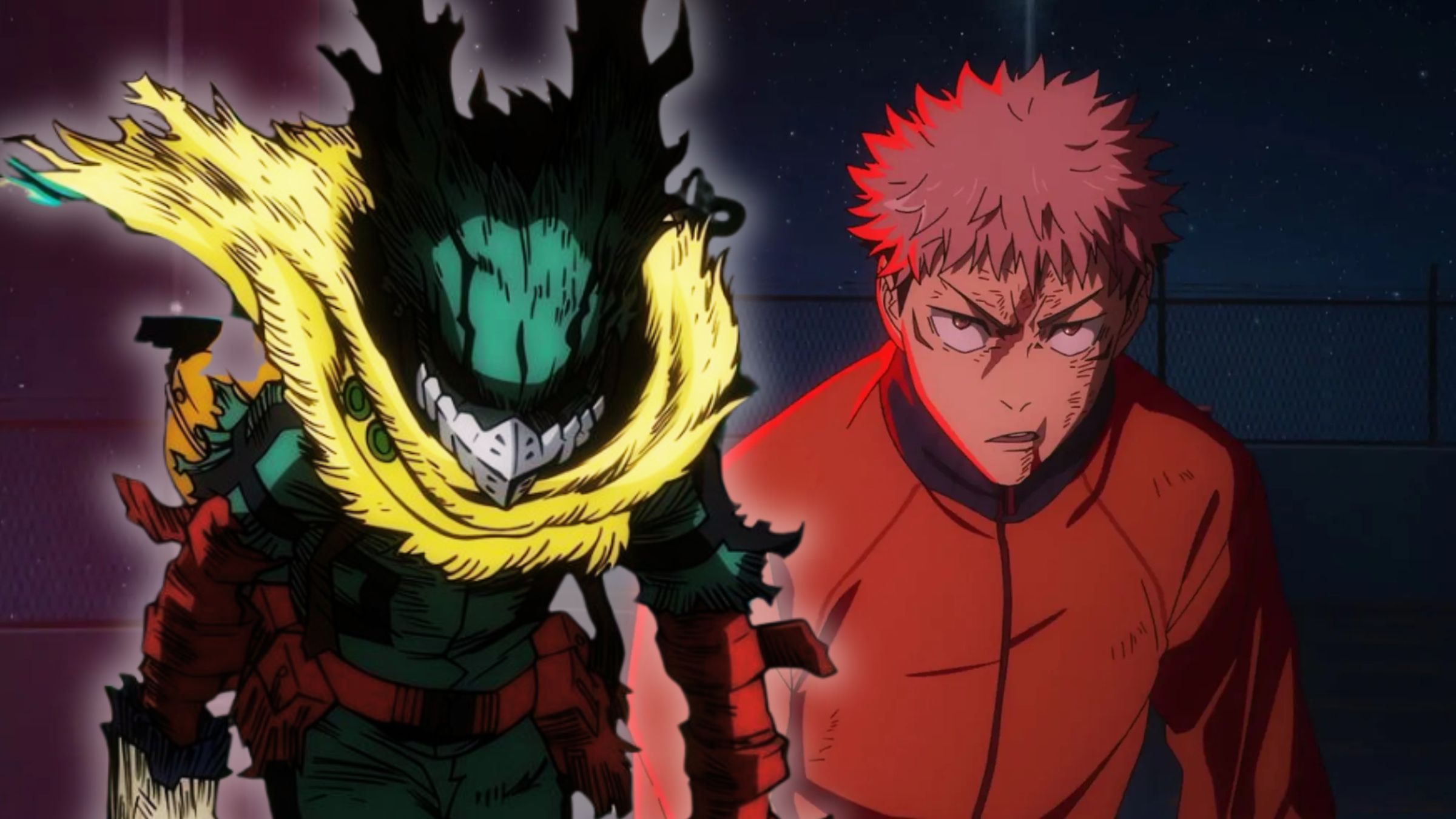
Kohei Horikoshi’s My Hero Academia manga came to an end over two years ago, and as one of the biggest modern manga series to surpass 400 chapters, its absence is still deeply felt. However, the anime kept the series’ momentum alive over the past two years before finally bringing the franchise to a proper close. Now that My Hero Academia has reached its conclusion, Horikoshi has returned with a completely new concept in the one-shot horror manga Quit Laughing, Shijima. At first glance, the manga features the classic My Hero Academia art style, but its narrative foundations seem closer to Jujutsu Kaisen.
Quit Laughing, Shijima revolves around a region of Japan plagued by paranormal activity that only the male lead, Azumi, can see. As the chapter dives deeper into its nuances, it reveals that the region has followed an ancient ritual for generations, requiring the sacrifice of a chosen person every so often to keep the surrounding waters calm and prevent them from devouring the entire city. Azumi refuses to accept this fate because the latest chosen sacrifice is Shijima, the girl he has a crush on. This gives him the purpose of eradicating the spirit demanding the sacrifices, much like a sorcerer in Jujutsu Kaisen exorcising cursed spirits.
Quit Laughing, Shijima Is a Perfect Blend of My Hero Academia and Jujutsu Kaisen

Jujutsu Kaisen is fundamentally built around sorcerers exorcising Cursed Spirits born from humanity’s negative emotions. This supernatural phenomenon has existed since ancient times and is largely confined to regions of Japan. Because only sorcerers can see these spirits, they rely on cursed energy, cursed tools, and other techniques to exorcise them. This is exactly what makes Quit Laughing, Shijima‘s narrative foundation, so similar to Jujutsu Kaisen. Much like the sorcerers, only Azumi can see these spirits, including the sacrificed victims who constantly cry out and beg others not to continue the ritual, hoping to break the cycle.
By the end of the one-shot, Azumi emerges as a vigilante, with a design that perfectly matches Deku’s rogue appearance in My Hero Academia‘s final arc, essentially presenting a rogue Deku in action. With such elements, Quit Laughing, Shijima does emerge as a Jujutsu Kaisen-like story with fewer supernatural elements, combined with the iconic art style of My Hero Academia. It is a shame that it is only a one-shot horror manga. Perhaps Horikoshi might expand this idea and let the series embody its foundation as a shonen title with lighter fictional elements, centering on a vigilante taking down lingering legacy ghosts.
It would be truly unique and add variety to Weekly Shonen Jump, helping the magazine develop more grounded series instead of relying so heavily on supernatural stories, as it has for years. On top of that, the lack of more horror-focused shonen series is a missed opportunity, and this concept could certainly break new ground for the magazine. That said, there is no news of Kohei Horikoshi returning anytime soon, but if he does, expanding Quit Laughing, Shijima, or creating a similar narrative-driven series that resembles Jujutsu Kaisen while featuring My Hero Academia‘s signature art style would certainly be something fans would love to see every week or two.