Pragmata’s Success Proves That Publishers Need to Invest in More Original Ideas
Pragmata has sold nearly 2.5 million copies since its release in April 2026, performing extremely well in just over three months. This is quite a surprising success story to some, but not to those who’ve praised the single-player game for its innovative mechanics and heartwarming story telling. Much of this game’s success didn’t rely on connections to other games in developer Capcom’s library, showing how taking a risk on something original can lead to great results with enough care and effort.
Many of the numbers behind Pragmata are tied to the game’s polished ideas and clear marketing strategies, which it on players’ radars well before launch. The gameplay systems of third-person shooting combined with real-time hacking mini-games were tested through demos and previews multiple times, giving players an entry point before deciding to buy the full game. Breakdowns and clear communication about how Pragmata would feel to play enticed plenty of players, easing them into wish listing the product without having to rely on connected series nostalgia first.
Pragmata Could Already Be Planning For A Sequel At Capcom After Nearly 2.5 Million Copies Sold

Recent reports from Bloomberg and other sources show that Pragmata was a strong part of Capcom’s latest financial earnings, exceeding expectations in a way few games have at the company. With success usually seen only in established IPs, such as Resident Evil or Street Fighter, Pragmata‘s sales have Capcom executives thinking about the possibility of a sequel. According to that same Bloomberg report, corporate office member Yoshikazu Shimauchi at Capcom claims that sequel chances are quite high, with even odds of a full series not totally out of consideration.
The reception Pragmata has gotten certainly has fans hoping for a sequel or series, especially when the game’s ending leaves room for more stories. The natural build of this title’s audience has been refreshing to see, even if the overall premise of the game itself isn’t built off a foundation of a franchise. In an era where companies like PlayStation and Xbox are closing studios and consolidating their creators to keep working on existing IPs, Pragmata‘s evolution into a series feels far less forced. Hopefully, future projects in Pragmata‘s world will continue to deepen the gameplay systems established already.
Innovative & Creative Gameplay Ideas Helped Pragmata Succeed Alongside A Charming Story
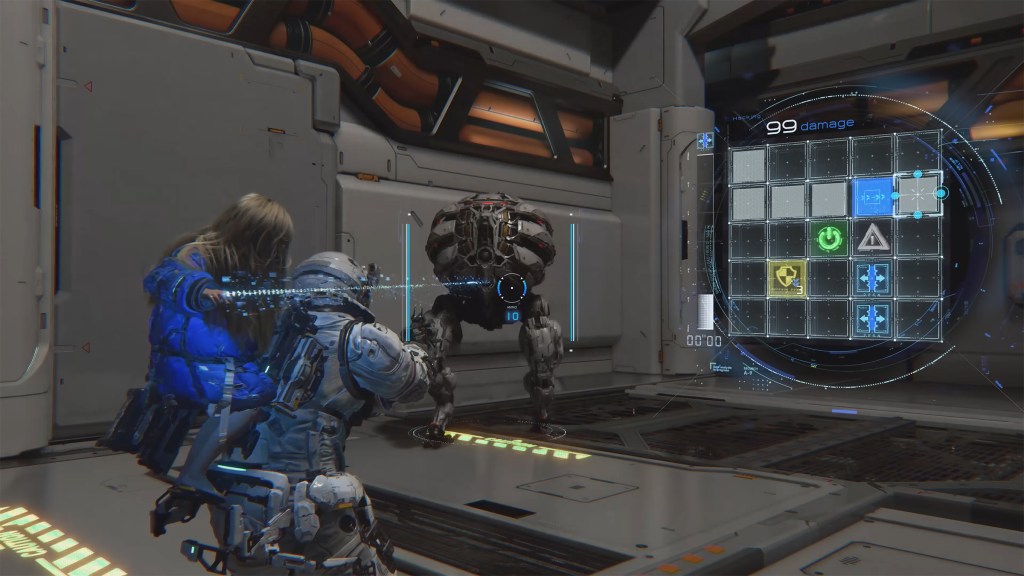
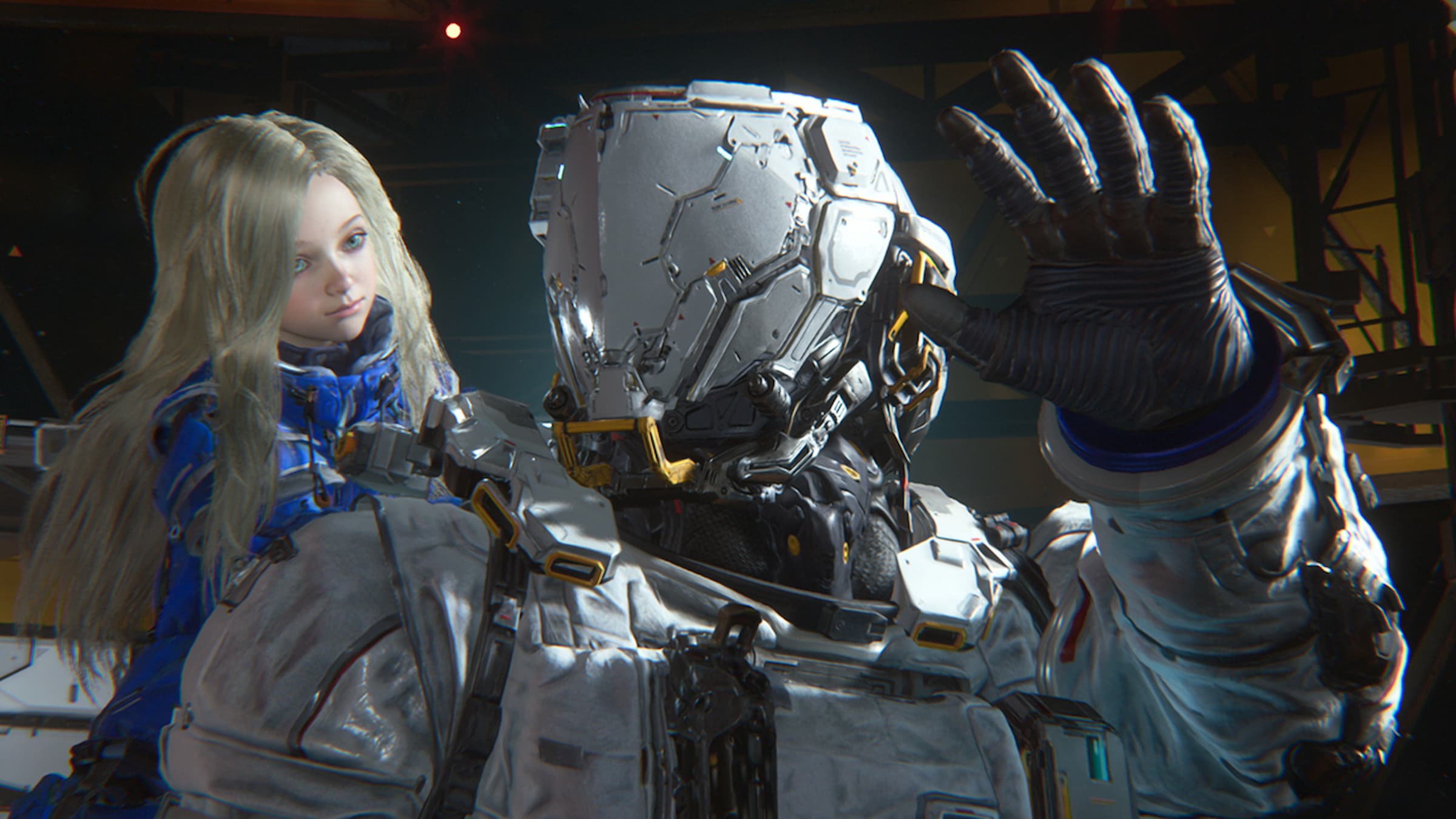
The biggest benefits Pragmata had to its name were how its simple premise meshed with straightforward, yet creative gameplay structure. Every battle in Pragmata is driven by third-person shooting, which wouldn’t be unique on its own. However, the robotic enemies you face throughout the single-player story are almost impossible to take down with your normal weapons until your android companion Diana can hack through their defenses. The hacking and shooting occur simultaneously, with the hacking itself driven by surprisingly deep puzzles.
Once any hacking puzzle is solved, you’ll have a brief window to attack a target, before its defenses come back up again, resetting Pragmata‘s satisfying gameplay loop. Having to solve a puzzle on one side of your screen while avoiding attacks and shooting weak points demands multi-tasking on the player’s part. Although hard to grasp at first, mastering the flow of Pragmata feels great, with tougher enemies and bosses at the late stages of the game only increasing the challenges you face and the pride gained from overcoming them.
It helps that the general story of Pragmata isn’t bogged down by necessary ties to other games or characters from a larger franchise. Building a bond with Diana feels natural throughout a tight story that only takes around 8-12 hours to complete. Plenty of charming moments drive an emotional bond that delivers a bittersweet payoff by the game’s end. With all of these positives behind Pragmata, it’s no surprise that it sold so well, and could become another strong Capcom series building off its excellent story and gameplay.
Future Games Don’t Always Need To Be Tied To Past Series, Despite Current Industry Trends

Currently, industry trends lean heavily into focusing on prequels, remakes, remasters, or sequels to existing games. This can easily be seen with companies like Bethesda Studios likely focusing entirely on The Elder Scrolls and Fallout now for future projects due to Xbox’s historic layoffs. Meanwhile, Pragmata shows that you do not need a connection to something else to get fans interested, as long as your ideas are innovative and you communicate their appeal well. While established IPs can get away with less marketing, players might not be as interested in them if they don’t do anything new.
While PlayStation focuses almost entirely on AAA games tied to well-known characters and Xbox doubles down on existing franchises in their library with endless Halo remakes, Pragmata is a reminder that original ideas can still find an audience. While not every original game will find the same success as Capcom’s latest triumph, the existence of varied ideas helps enrich the larger gaming sphere as a whole.
Smaller projects and focused visions are a trend companies should be chasing, not running away from. With a feeling of “sameness” prevailing many titles due to endless connections to the past, games like Pragmata are preferred in a far larger quantity.