Star Wars Zero Company Is a Buggy Yet Tense Tactical Take on Star Wars (Review)
The endless wars among the stars have almost always been fought peering down the barrel of a gun or with a lightsaber in hand. The Star Wars franchise is often relegated to these fantasies in video games and rarely mixes the two, multiplayer matches in Battlefront 2 being the notable and non-canonical exceptions. It’s hard for most genres to accommodate both styles, but that’s where Star Wars Zero Company fits in. Instead of focusing on real-time action, Zero Company is a turn-based tactical affair that is able to accommodate more of these Star Warsian fantasies under one strategic banner. It’s a smart pivot that’s even smarter in practice, thanks to its thoughtful mechanics and flexible RPG systems that demonstrate how well this marriage works, despite the litany of pesky bugs that try to sabotage it at nearly every step.
Being an XCOM-like strategy game made from a team that is staffed with a bunch of former XCOM developers, it makes sense Zero Company is a lot like XCOM. Players move a team of three to five beings around a battlefield optimizing around bits of cover and using various attacks and the terrain to get an upper hand. It’s a basic description that could pertain to just about any game in the genre, but the secret sauce lies in how the blueprint is used. And Zero Company uses it incredibly well.
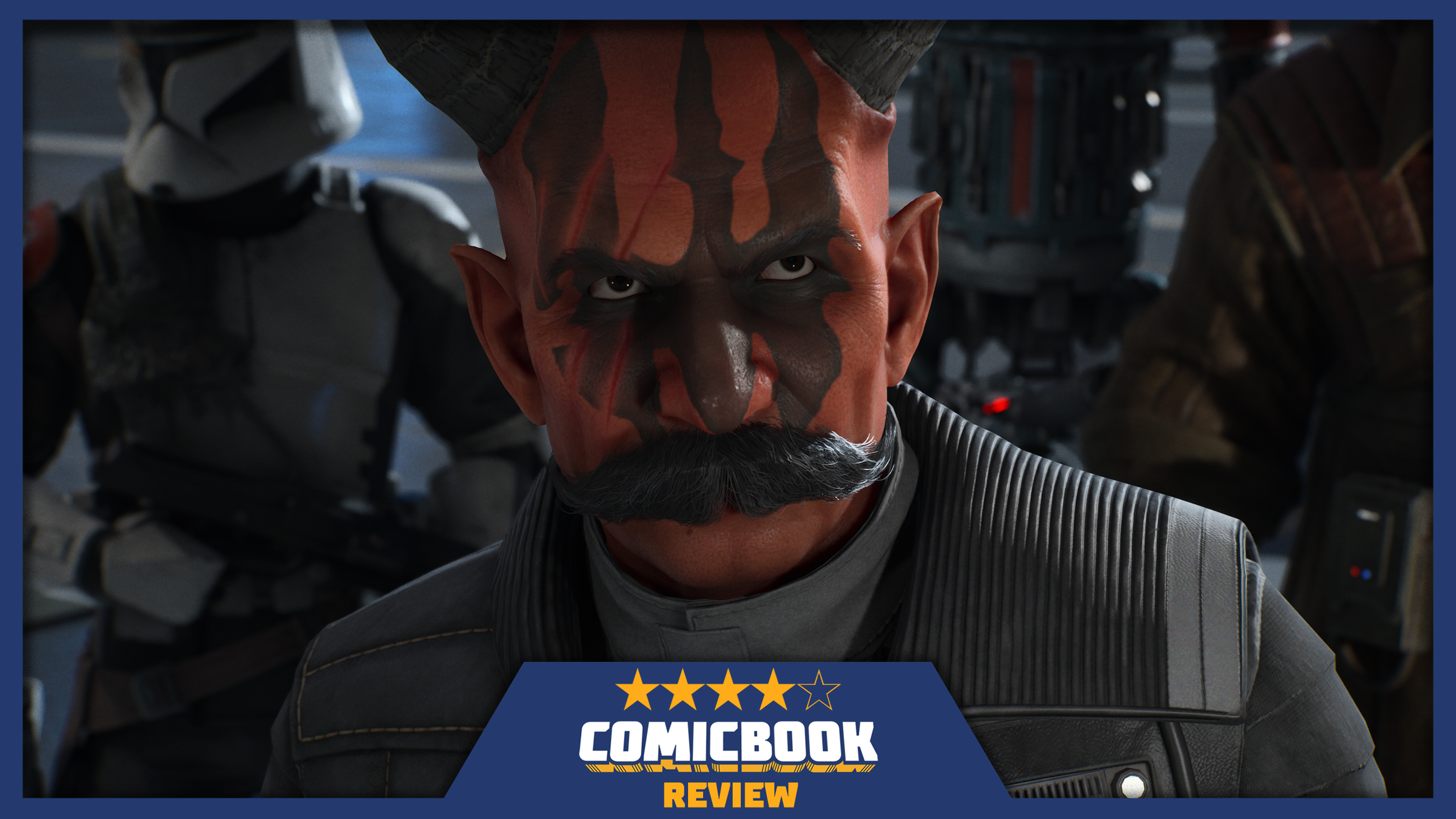
Rating: 4/5
| Pros | Cons |
|---|---|
| Its thoughtful tactical mechanics get players to think carefully about each move | The copious amount of visual glitches and presentational bugs are distracting |
| The RPG mechanics are flexible and allow for heavy experimentation | |
| Dialogue is efficient, performed well, and snappy without being annoying | |
| The story touches on all sorts of relatable struggles and political topics but frames them through a Star Wars lens |
Zero Company Has a Deep and Heavily Customizable Arsenal
Zero Company gives players access to a whole host of classes, guns, abilities, and items. Each has different traits and ways to shape the battlefield. This interplay is crucial because it allows every battle and soldier within it to have their own flair. The gear and weapons all give their own small changes to skirmishes. Automatic blasters can do a lot of damage but suck up a ton of precious energy, while pistols are cheap but aren’t too lethal. Healing stims might save an ally from an expensive trip to the bacta tank, but a grenade might prove more valuable if pitted against a flock of weak battle droids. Tools like flamethrowers or clanker-killing ion pistols have highly specialized functions, yet they can pay off if fully exploited.
But the biggest changes come from the characters themselves. Kabb, the cantankerous tinkerer who speaks primarily in dadly rhyming couplets, is a melee brute who is capable of highly damaging assists. Tel-Rea is a young Tognath Padawan who specializes in getting in close and using the Force to violently pull enemies out of position. Jae is a relatively middle-of-the-road human soldier with one hell of a kick, but her ability to get free kills on weak enemies is a game changer. And aside from the six named characters with different abilities who all play a role in the story, players can also recruit randomly generated beings with their own loadouts.
All of their core abilities offer some unique spin, so it’s up to players to coordinate and combine these various moves together. For example, Tel-Rea’s Force push can cause an enemy to exit cover so Kabb can weaken it before Jae can deliver the cost-free coup de grâce. Finding these kinds of combos with the various members of the extensive cast and being able to execute on them is immensely satisfying because of the work needed to make it all happen. Characters only get a certain amount of action points per turn and advance points are only doled out when dealing damage, so effectively juggling both point types and the different abilities they are tied to takes a ton of careful planning. Some battles can seem insurmountable at first until everything begins to gradually click into place after enough planning; it’s a testament to how the game rewards ingenuity and is a satisfying process that’s the lifeblood of the genre.
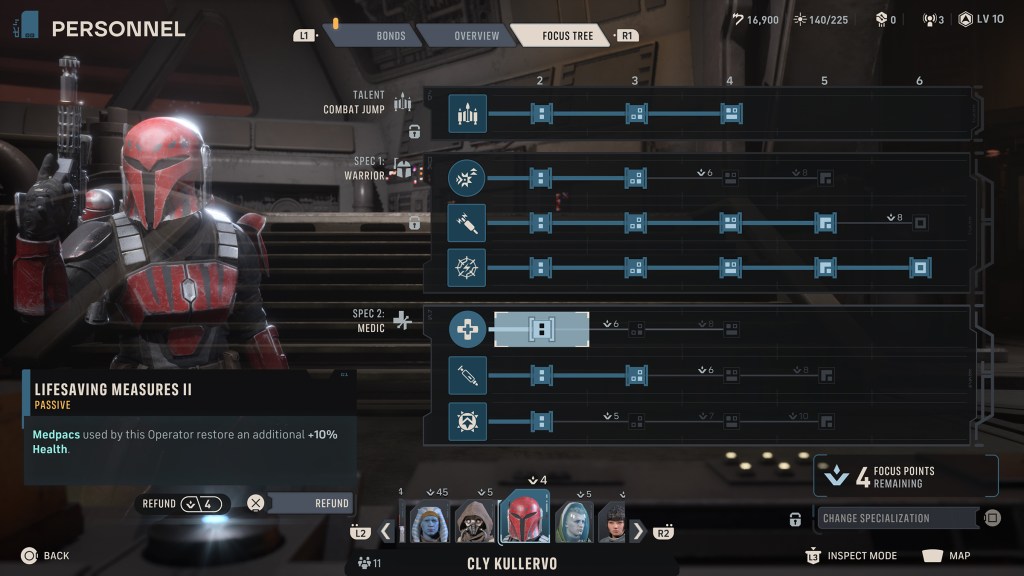
Zero Company’s creativity only expands as the missions tick by. Even though too many rungs on each individual skill branch merely increase an ability’s damage, there are still plenty of tools to experiment with. New cast members also can introduce radical new styles later on, something most notably demonstrated by the Mandalorian Cly’s jetpack-powered mobility. Everyone even gets access to a secondary class later on, allowing for unique hybrids. Turning Cly in a secondary medic can be particularly fruitful because of how she can use her mobility to quickly drop in health packs to those who are in dire straights. Trick, the AWOL Clone trooper, is an all-rounder at first, but giving him tanky abilities turns him into the ultimate soldier and damage sponge.
Zero Company Is Long, but It Doesn’t Stagnate
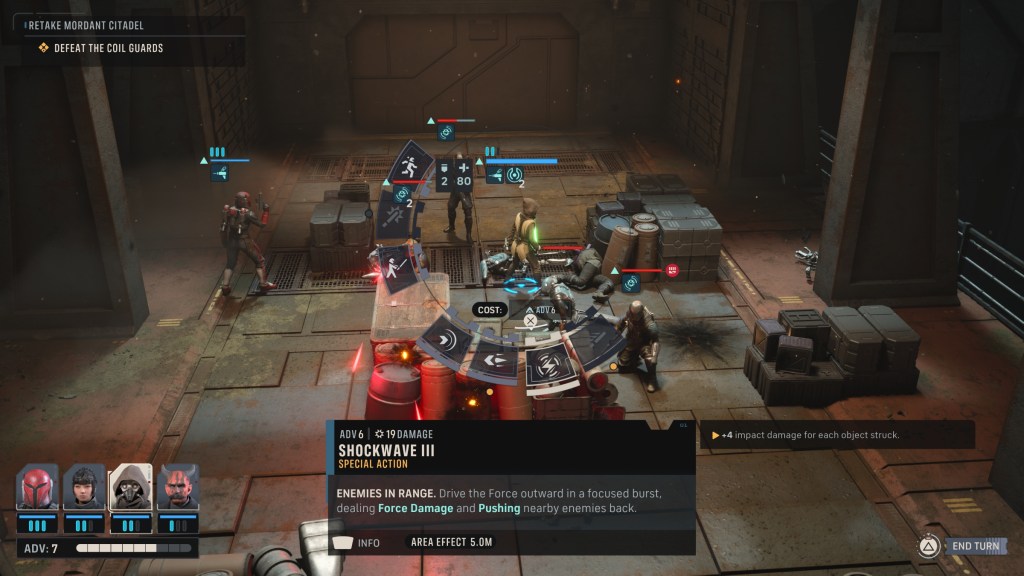
Zero Company is a fairly lengthy game — a complete run is around 35 hours — so these types of developments ensure its skirmishes don’t blur together. It also is regularly cycling in new threats and mixing them together so players aren’t just blasting the same droids or grunts again and again.
But it goes one step further by fusing its gameplay and story in novel ways. Various narrative beats are shrewdly reflected in the gameplay and offer twists on the formula through new rules, characters, or objectives, making these climactic missions feel even more special. The Coil, the primary antagonistic faction, is also built for a game like this since they have a nasty set of evolving powers. Their deaths usually empower their closest ally and can yield new abilities, so they are not static targets who can be mindlessly shot down. Their lethality and unorthodox behavior seen in the cutscenes is felt during fights.
Zero Company is constantly weaving together its story and gameplay like this in other instances, too. The bonds players build with their various crewmates are directly forged on the battlefield. Performing assists, tossing healing syringes, and picking up fallen comrades all build camaraderie, which can lead to buffs between the two involved parties. While dictated by a gamey leveling system, it makes relationship building more active and appropriate for a squad of warriors. The brief dialogue exchanges back at base add more flavor to these characters that the tactical battles aren’t as equipped to have. Shooting laser bolts alongside each other on the battlefield and then shooting the sh-t back at base both complement each other well and lead to a more well-rounded narrative presentation.
Zero Company‘s Story Is Prescient and Political
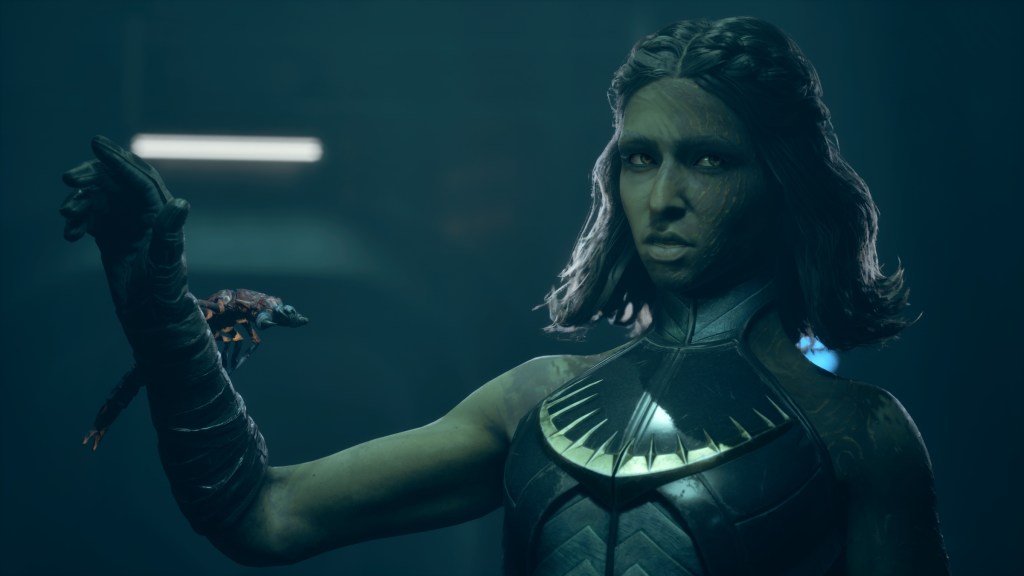
Many of these conversations are engaging because of the Zero Company‘s surprisingly fantastic writing. Hawks, the disgraced former Republic captain, makes for a solid lead because of their endless charisma and wit. They always have something to say, but — and this is vital — they aren’t ever an obnoxious clown who falls back on clichés or just speaks to fill air. The efficient dialogue is adept at teaching players about the involved characters and delivering a funny retort or two without ever droning on for too long or spitting out a cringeworthy joke. It’s like all the cruft and bad first draft riffs were cut away until it was as lean as it needed to be, which other games with bloated scripts with unfunny quips need to learn from. Essentially, its dialogue is the spiritual inverse of Star Wars: The Rise of Skywalker‘s infamous “They Fly Now?” bit.
Zero Company has some true laugh-out-loud moments, but that doesn’t mean it skimps on the more serious parts. The authored characters all have quest chains not unlike Mass Effect 2‘s loyalty missions where players help these distracted souls overcome ghosts from their past. And like Mass Effect 2, these scenes accomplish a lot with so little screen time through excellent performances and a knack for honing in on relatable struggles. Tel-Rea’s disappointing and unconventional career as a Jedi and Cly’s mysterious quest for vengeance are two highlights that add lovely, human wrinkles to squad members who never even show their faces. These are not the only characters who go on personal journeys of growth, but they are the best examples of Zero Company‘s unexpectedly interesting characters.
The actual story has a similar amount of unexpected depth. The Clone Wars era is rife with political intrigue, and Zero Company thankfully does not shy away from engaging with that powder keg. Kundri Fathom, the slithery leader of The Coil, is not afraid to flick a lit match onto the wick with her fiery dialogue and armada of cultists. While there is a ritualistic plague that binds them all together, her rhetoric that gathers them to the cause is more interesting. She attracts the dejected to her flock by offering them scapegoats and promising them a community. Pulling from the fascistic playbook is all too relevant today where authoritarian political leaders are all too eager otherize groups in order to cover for broken systems and gloss over complex solutions. Zero Company grapples with themes of control, choice, finding purpose, and building community, and Fathom and her manipulative ways only further interrogate these topics by showing them at their most evil.
Zero Company‘s Numerous Bugs Are Extraordinarily Distracting
Zero Company‘s narrative is surprising partially because of its presentation. Games in the genre aren’t typically given such fleshed-out stories with well-produced cutscenes. The overall visual fidelity, stellar performances, and handful of bombastic action scenes make the campaign visually exciting to watch and demonstrate how this genre can also focus on story without sacrificing mechanical depth. Somewhat like NetherRealm Studios’ Mortal Kombat vs. DC Universe and 2011 Mortal Kombat reboot, a game doesn’t have to forgo a more cinematic approach just because its genre typically forbids it.
It’s this more extravagant presentation that makes the rampant bugginess all the more puzzling. Zero Company rarely goes more than a few minutes without some sort of graphical goof popping up. This can mean abnormally jaggy shadows or egregious Unreal Engine 3-like texture pop-in, but the problem is so much deeper. Sometimes enemy animations don’t play out during their turn, which makes it harder to piece together what happened. Foes dropping out of ships will almost always teleport onto the ground for a moment or two before actually touching down. A character model may flicker a bit during a cutscene. The game can also just hang for multiple seconds after ending a turn.
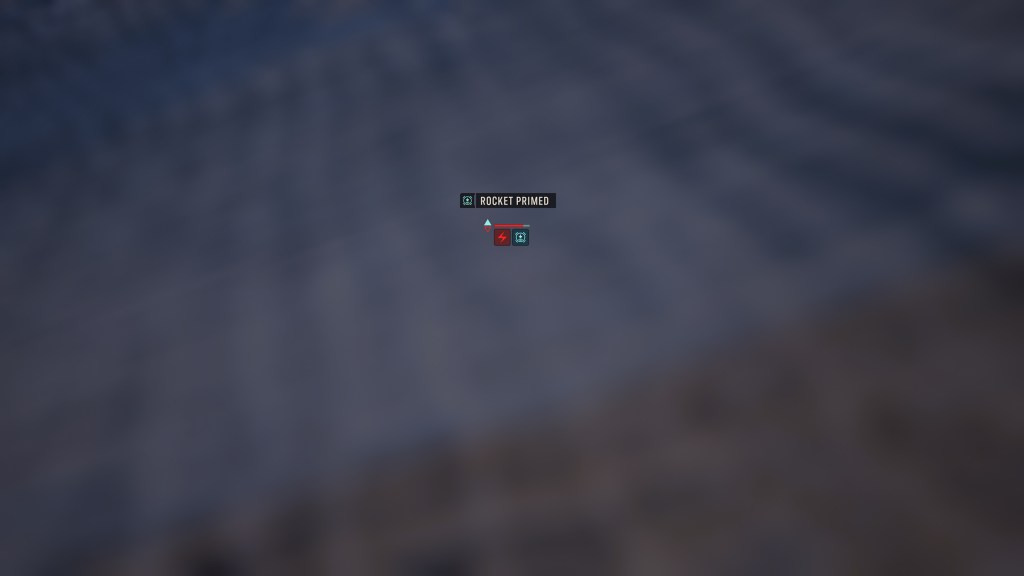
The camera is the most glaring culprit more often than not, as it is terrible at framing the action. It only seldomly pans over to indicate new enemy spawns. The more dramatic zooms on special abilities rarely even illustrate what’s going on. Instead of seeing a droid cinematically load a rocket, the game’s abysmal camera will just show players an extreme closeup of a nearby tarp. Zero Company is missing a few quality-of-life user interface options like a better cover indicator and in-battle enemy lineup, but it’s hard to focus on these minor shortcomings when the game is wigging out so frequently. Miraculously, almost all of these glitches are cosmetic in nature and don’t usually affect gameplay, yet they are still distracting enough to diminish the experience regardless.
Star Wars Zero Company needs more than a few patches to iron out its abundance of visual hiccups, but the game underneath those technical shortcomings is fantastic. Players are given such freedom during battle, and its array of RPG systems are designed to encourage experimentation. Watching a plan come together or figuring out some new synergy is the electric feeling the best games in this genre thrive on, and that’s not in short supply during Zero Company‘s lengthy campaign. This campaign could stand on just its mechanics, however, it ascends over many of its peers by telling a captivating story with a well-written and fleshed-out cast. Zero Company succeeds by boldly going into new territory and focusing on quality, tenets other pieces of Star Wars media could stand to learn from.
A PS5 copy of Star Wars Zero Company was provided by the publisher for the purpose of this review.
What do you think? Leave a comment below and join the conversation now in the ComicBook Forum!