
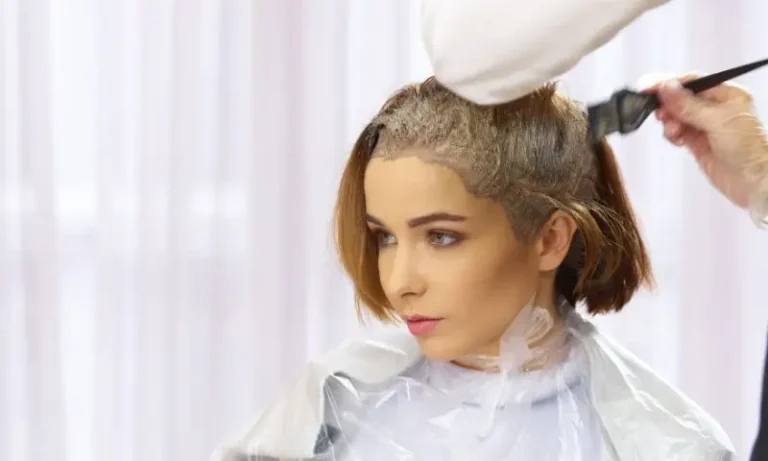
Hair dye after Cancer treatment
For many cancer survivors seeing their hair grow back is more than a cosmetic change. It is a sign of recovery and a return to normal life. As new hair appears many people want to cover gray hair or try a new color. However health experts say it is important not to rush into using hair dye. Chemotherapy and radiation are designed to destroy fast growing cancer cells but they also affect healthy hair follicles. This is why many patients lose their hair during treatment. When hair grows back it is often thinner softer, drier and more sensitive than before. The scalp may also remain delicate for several months. Doctors warn that using permanent hair dye too soon after treatment can irritate the scalp cause allergic reactions and damage new hair. It may also slow healthy hair growth while the scalp is still healing. Several studies have looked at the possible risks of hair dye. A large study by the US National Institute of Environmental Health Sciences involving more than 46,000 women found that frequent use of permanent hair dye and chemical hair straighteners was linked to a slightly higher risk of certain types of breast cancer. Another long term study by the Harvard T.H. Chan School of Public Health, which followed more than 117,000 women over 36 years found that hair dye did not increase the risk of most cancers. However long term use of permanent dyes was linked to a small increase in the risk of some types of breast skin and ovarian cancers. Experts advise cancer survivors to carefully read the ingredients before buying any hair dye. Chemicals such as PPD (para-phenylenediamine), ammonia, hydrogen peroxide parabens, and phthalates may be harmful to sensitive skin and newly grown hair. Most doctors recommend waiting at least six months after completing chemotherapy before using permanent hair dye. This gives the scalp and hair enough time to recover. Patients who had scalp cooling or radiation to the head should only use hair dye after getting approval from their doctor. During the first six months after treatment experts suggest avoiding chemical hair dyes and keeping the scalp well moisturized. Even after six months patients should speak with their oncologist before coloring their hair. Safer options include pure henna or natural herbal dyes that do not contain added chemicals. Ammonia free and peroxide-free semi permanent dyes may also be suitable. Temporary root powders and color mascaras are another option because they wash out with shampoo. Experts also recommend doing a patch test 48 hours before using any hair color to check for allergies or skin irritation. Whenever possible choose coloring methods that reduce direct contact between the dye and the scalp. Doctors say that caring for your hair again after cancer treatment is an important step in recovery. However taking a careful approach choosing safer products and speaking with your doctor first can help protect your hair and scalp while they continue to heal.