Government & Policy | Privacy | Security | TC
Norway considers ban on camera-enabled wearable ‘pervert glasses’
The Nordic country says wearable camera headsets need to be regulated given their privacy risks.


The Nordic country says wearable camera headsets need to be regulated given their privacy risks.

At TechCrunch Disrupt, Flock CEO Garrett Langley defended his company’s surveillance technology despite growing privacy concerns, arguing that its crime-fighting benefits outweigh the risks of abuse.

The maker of the open source document editor says it has no plans to add AI to its software’s default configuration, citing user privacy.
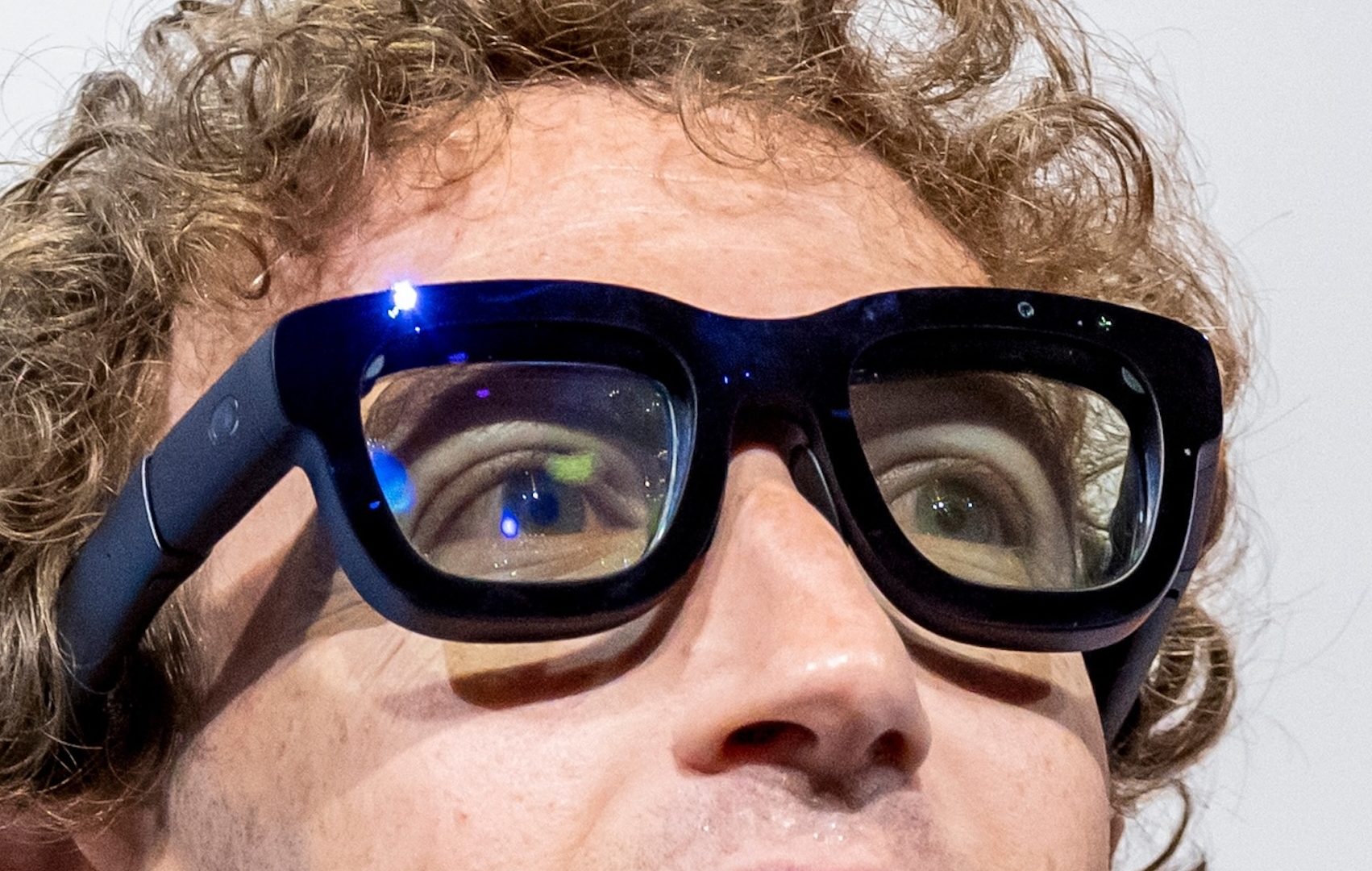
The California state bill would have penalized people who secretly recorded people in public with wearables equipped with cameras and microphones.
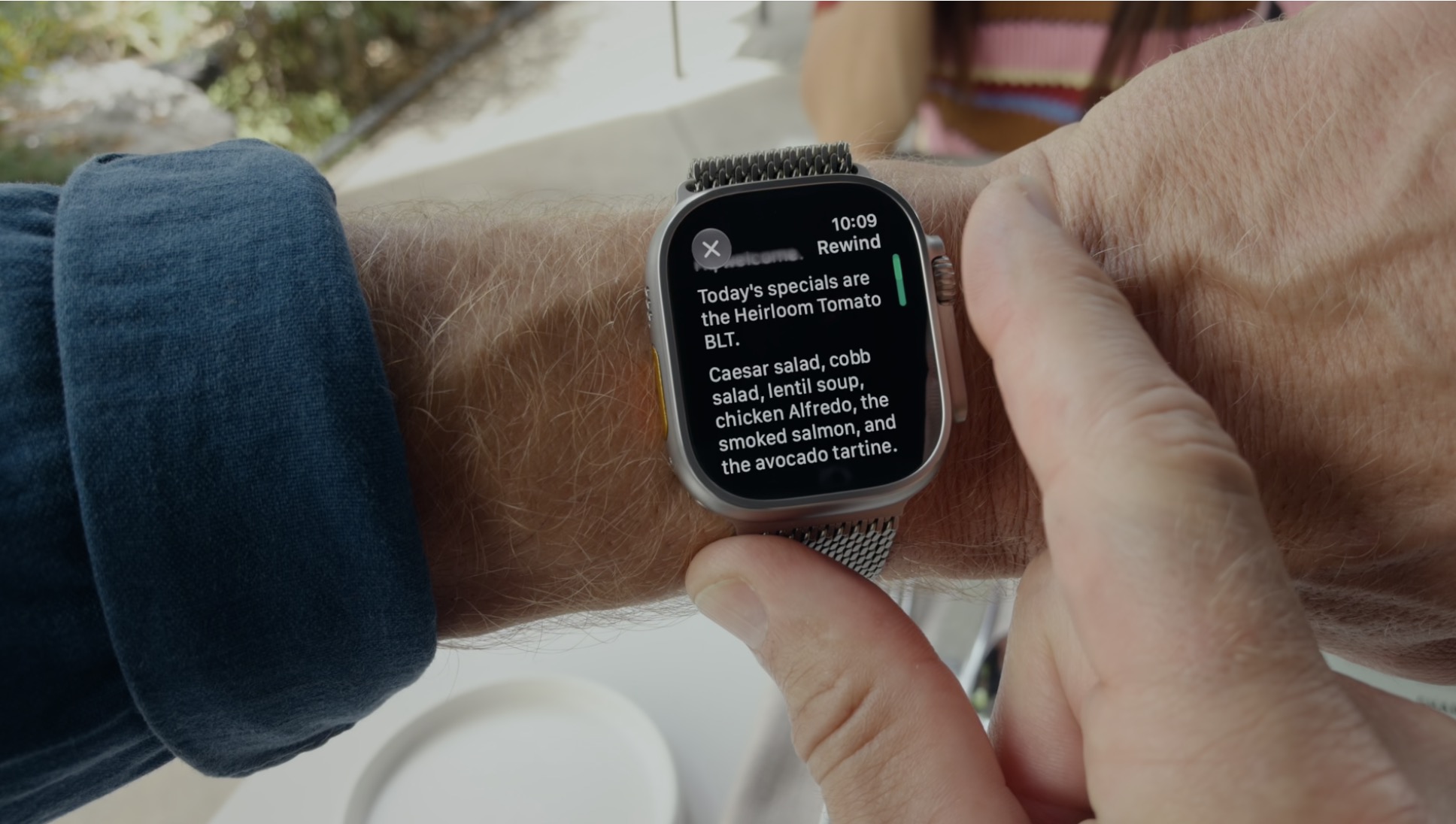
Apple says its new watches won’t save raw audio, but features that can transcribe recent speech and summarize ambient conversations raise new questions about consent, privacy, and how people behave when they know they could always be recorded.
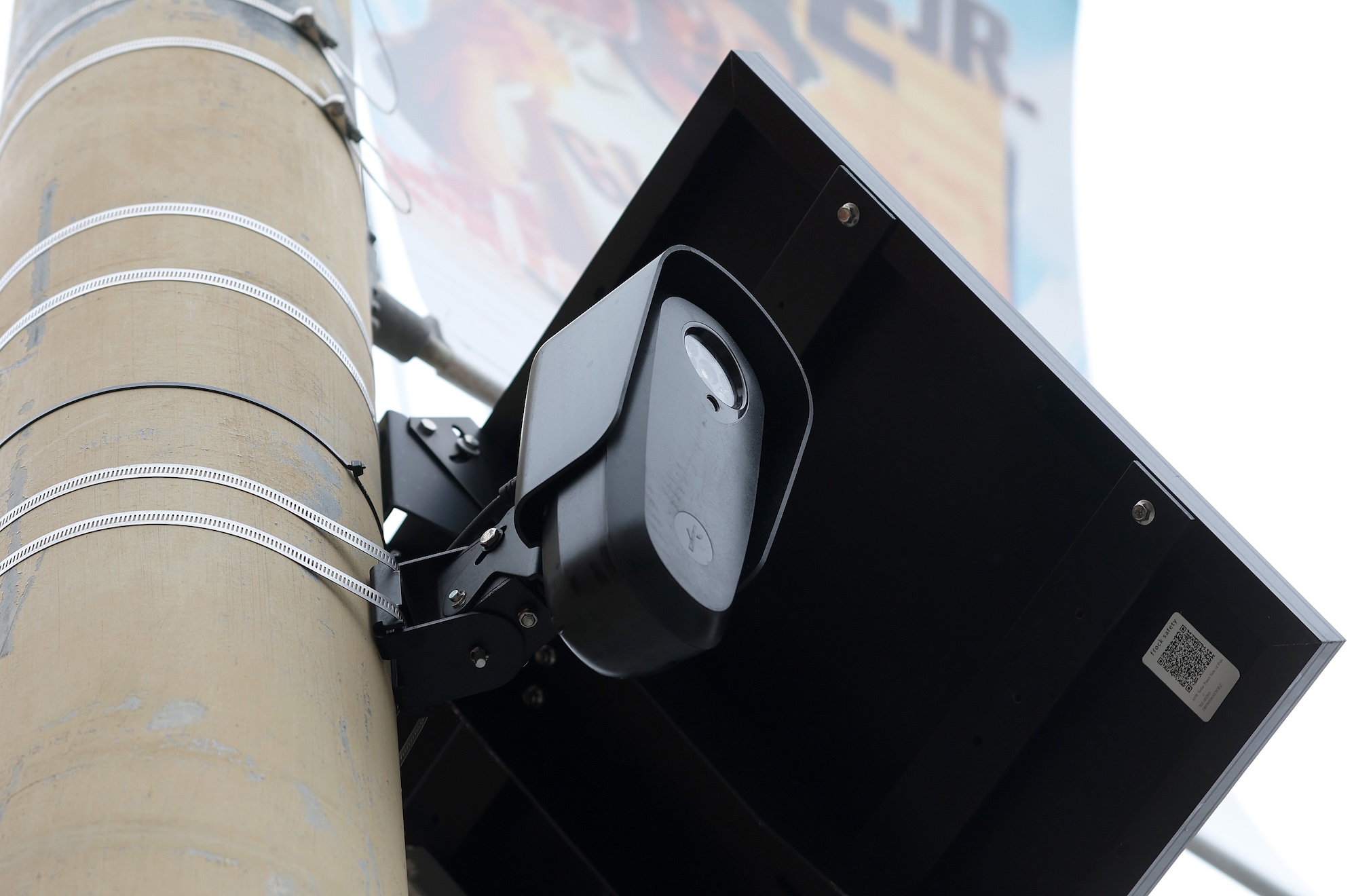
The backlash against license plate readers comes amid a wave of police abuses of surveillance cameras.
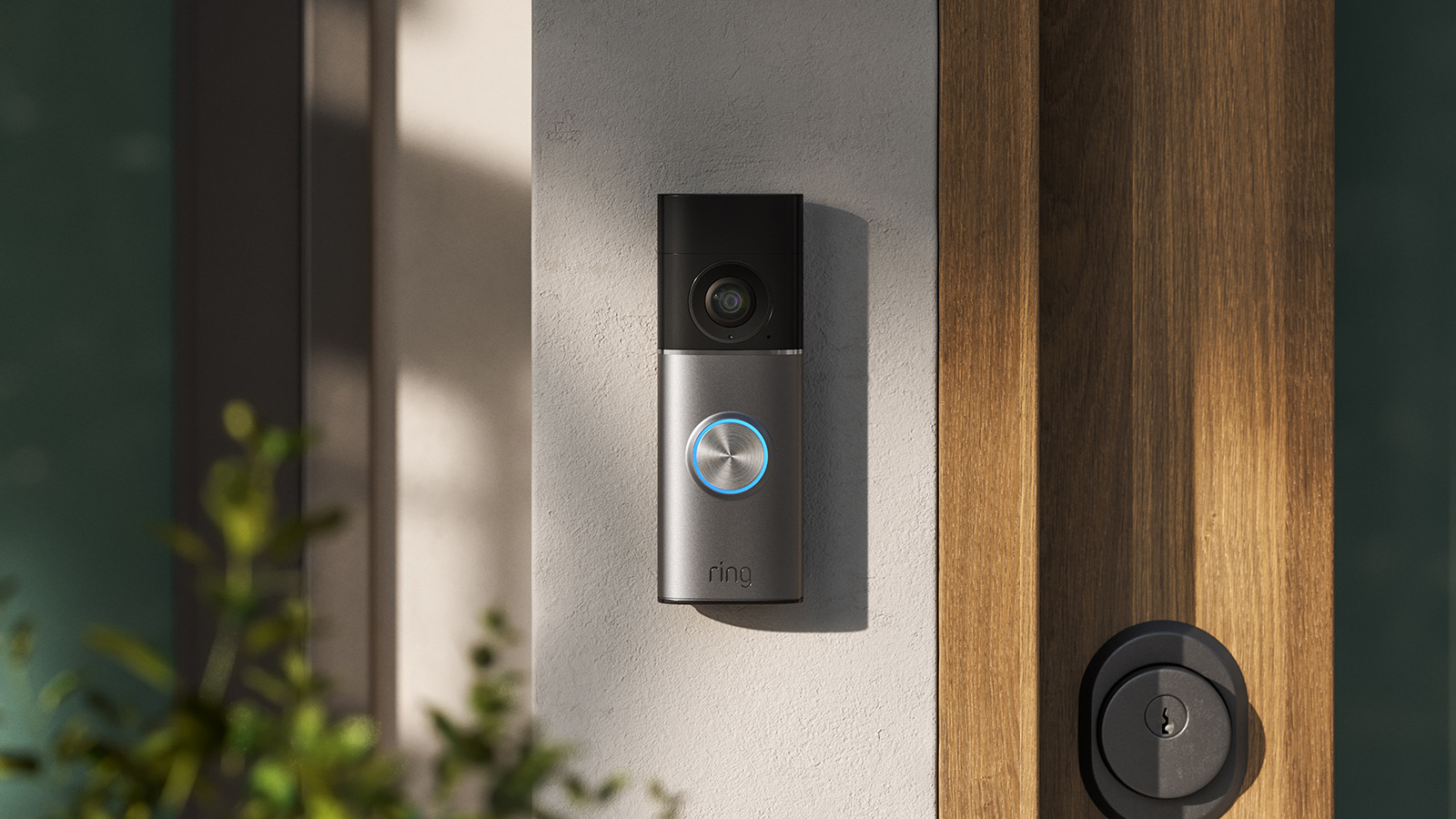
Ring says users can still opt for end-to-end encryption.

Apple says it will no longer ditch using its icloud.com domain for hiding people’s email addresses.

Senator Ron Wyden sent a letter to the U.S. federal watchdog requesting a comprehensive review of how the FBI, DEA, ICE’s HSI, and the Secret Service use hacking tools and spyware against Americans.

A new feature added to Comcast’s newest routers can detect if there is motion inside your home without needing traditional motion sensors.