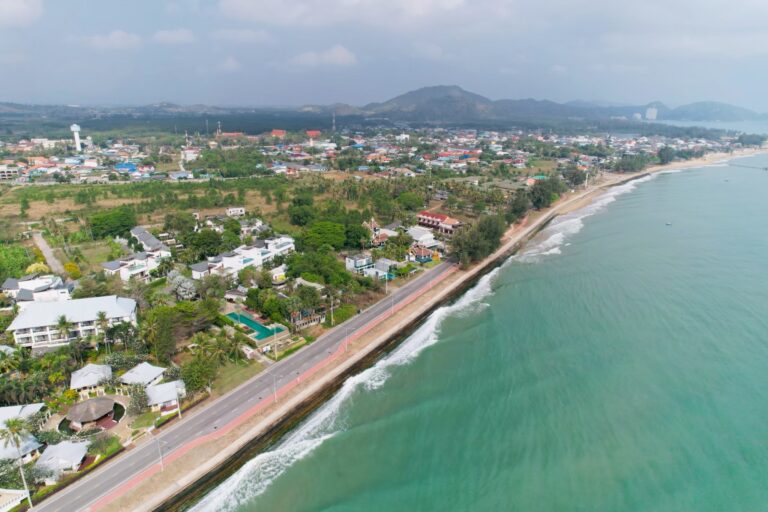
Retirement Visa Thailand: A Practical Guide for Those Looking to Retire in Hua Hin
There’s a certain rhythm to life in Hua Hin that’s hard to ignore. Mornings start a little slower, the sea is never far away, and the pace feels more manageable than in larger cities. It’s no surprise that many expats begin to picture long-term retirement here, even if the practical side of staying in Thailand, particularly visa requirements, can feel less straightforward at first. It’s often at this stage that people find themselves browsing resources like Thai Visa Expert just to make sense of how everything fits together.
The reality is that while the idea of retiring in Thailand is appealing, the process behind it involves more detail than many expect. Financial requirements, renewals, and ongoing reporting all play a role, and small misunderstandings can quickly become frustrating if you’re not prepared.
This guide takes a grounded look at what you actually need to know. From understanding retirement visa Thailand options to the day-to-day realities of maintaining your stay, it’s a practical overview shaped around Hua Hin life, designed to help you approach the process with a bit more clarity and confidence.
Understanding Thailand’s Retirement Visa Options
The first thing that tends to confuse people is the terminology. When someone mentions a “retirement visa,” they’re often referring to a combination of steps rather than a single, standalone visa. In practice, most retirees enter Thailand on a Non-Immigrant O visa and then apply for a one-year extension based on retirement once they’re here.
What you receive from a Thai embassy abroad isn’t always what you’ll be maintaining long term. The extension process happens locally, and it comes with its own set of requirements that need to be met each year.
On paper, the eligibility is fairly simple. You need to be at least 50 years old and able to meet certain financial conditions. In reality, the process feels a bit more layered, especially the first time around. Documents, timing, and small details all play a part.
For those settling in Hua Hin, it often becomes part of the adjustment period. Once you understand how the system fits together, it’s manageable. But getting clear on the basics early on makes the whole experience far smoother.
What You Actually Need Financially
This is usually where things start to feel a bit less clear. Most people have heard a figure or two before arriving, but the details behind those numbers are often misunderstood. It’s not just about meeting a threshold. It’s about how that money is held, shown, and timed.
In general terms, retirees are expected to either keep a lump sum in a Thai bank account, show a steady monthly income, or use a combination of both. The commonly quoted figures tend to sit around 800,000 baht in savings or roughly 65,000 baht per month in income, although how this is applied can vary slightly depending on the situation.
The timing element is where things can get a bit more nuanced. Funds usually need to be in the account for a period before applying, often a couple of months, and sometimes longer depending on the immigration office you’re dealing with. Requirements can also differ slightly once you’re renewing, so it’s not always a one-size-fits-all approach.
For many living in Hua Hin, this becomes something you settle into over time. Once everything is set up correctly, it tends to feel routine. But getting the financial side right early on, and understanding how your local office approaches it, makes the process far more predictable.
Why Hua Hin Continues to Attract Retirees
Hua Hin doesn’t try too hard, and that contributes to its charm. It’s not as rapidly changing as Bangkok, and it lacks the same glamour as certain island locations. Life here usually falls into a pleasant routine pretty fast.
It feels recognisable. Quality hospitals, dependable infrastructure, and a well-established expat community ensure you won’t be starting from square one. You’ll encounter English in cafés, spot familiar faces at neighborhood venues, and discover that everyday life is quite simple.
The coastal environment contributes as well. Proximity to the ocean balances the rhythm of life. Mornings seem more tranquil, evenings extend slightly, and there’s a reduced feeling of urgency unlike urban living.
Renewals, Reporting, and the Ongoing Reality
Getting the visa sorted is one thing. Keeping it in place year after year is where the routine really begins. Renewals come around quickly, and they tend to follow the same pattern each time, provided your paperwork is in order.
Then there’s the 90-day reporting. It sounds more complicated than it is, but it does mean keeping an eye on dates. Miss it, and things can become unnecessarily awkward.
Healthcare and Long-Term Planning
At some point, the focus shifts from getting set up to thinking a bit further ahead. Healthcare tends to sit at the centre of that. Hua Hin is well served in this regard, with a few reputable hospitals that many expats rely on, which gives a certain level of reassurance.
That said, it’s not something to leave until later. Private healthcare here is generally good, but it isn’t free, and costs can add up over time. Insurance becomes part of the conversation, especially as people get older or if pre-existing conditions are involved.
Doing It Yourself vs Getting Help
This is one of those decisions that tends to come down to personality. Some people are comfortable working through forms, visiting immigration, and figuring things out step by step. Others would rather avoid the uncertainty and have someone guide them through it.
Handling it yourself can work perfectly well, especially once you understand the process. It often just takes time, patience, and a willingness to double-check everything. After a year or two, many expats find they’ve settled into their own routine.
On the other hand, there’s a reason some choose to get assistance, particularly early on. Not because it’s impossible, but because it removes a layer of guesswork. For those new to Hua Hin or unfamiliar with how local offices operate, that added clarity can make the transition feel a bit smoother.
Finding Your Footing in Hua Hin
Retiring in Thailand may initially seem like a daunting step, but in truth, it consists of various smaller, achievable actions. Locations such as Hua Hin facilitate that change. The rhythm is consistent, the community is established, and everyday life usually balances into a state of comfort quite rapidly.
The practical aspects, particularly visas and finances, do need some focus. However, it is rarely as complex as it initially appears. As soon as you understand what’s needed and stay organised, it transitions into a habit instead of a persistent worry.
For the majority of long-term residents, that’s where everything begins to make sense. With some planning and achievable expectations, retiring here transforms into a way of life that feels both secure and truly enjoyable.