This Superman Run Helped Define Modern Superman, but Its Biggest Changes Remain Controversial
Superman has been having a renaissance since about 2021, with “Warworld Saga” kicking off a run of excellent stories that continue to this day. The Superman titles – Superman, Action Comics, Superman Unlimited, and Supergirl – boast some of the greatest creators in the industry, like Mark Waid, Dan Slott, Joshua Williamson, and Sophie Campbell, who are following a course that the Man of Steel has been on for the last few decades. See, once upon a time, Superman was one of DC’s wildest characters. Pre-Crisis Superman stories could be anything from funny Silver Age weirdness to terribly tragic tales about a man without a world realizing how different he really is. Old school Superman comics had the Phantom Zone, time-travel to Krypton, a million different Kryptonians and Kryptonian animals, and all kinds of weird, wild plots. However, all of that stopped in the 1980s.
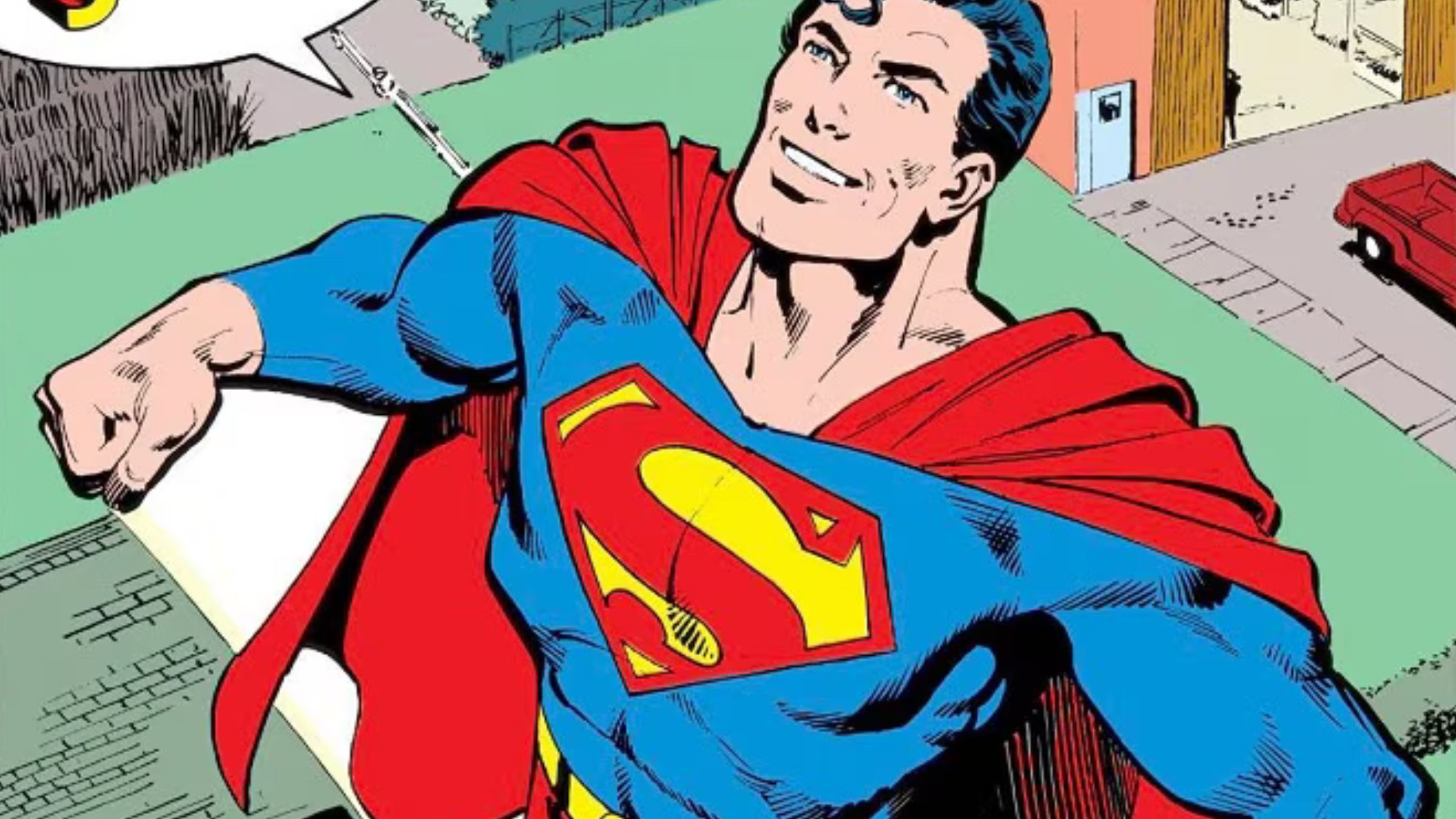
Crisis on Infinite Earths ended the multiverse era of DC, bringing many characters into the modern day and Marvel-ing the whole company up. Superman was the epicenter of this, thanks to one of the greatest modern Superman runs: writer/artist John Byrne’s time on Superman and Action Comics. Byrne had come to prominence on Uncanny X-Men with Chris Claremont, co-plotting some of the greatest comics of all time, before moving over to Fantastic Four and having one of the greatest runs of all time on that book as well. He was popular and trusted, so he was given carte blanche to change everything he could about the Man of Steel. Byrne’s run on Superman led to some of the greatest Superman stories ever and allowed the character to become more popular than before. However, since about 2006, creators have worked hard to undo everything he did, all while readers have started to turn on the run. It’s one of the most important comic runs of all time, as well as one of the most controversial.
John Byrne Saved Superman by Destroying Him
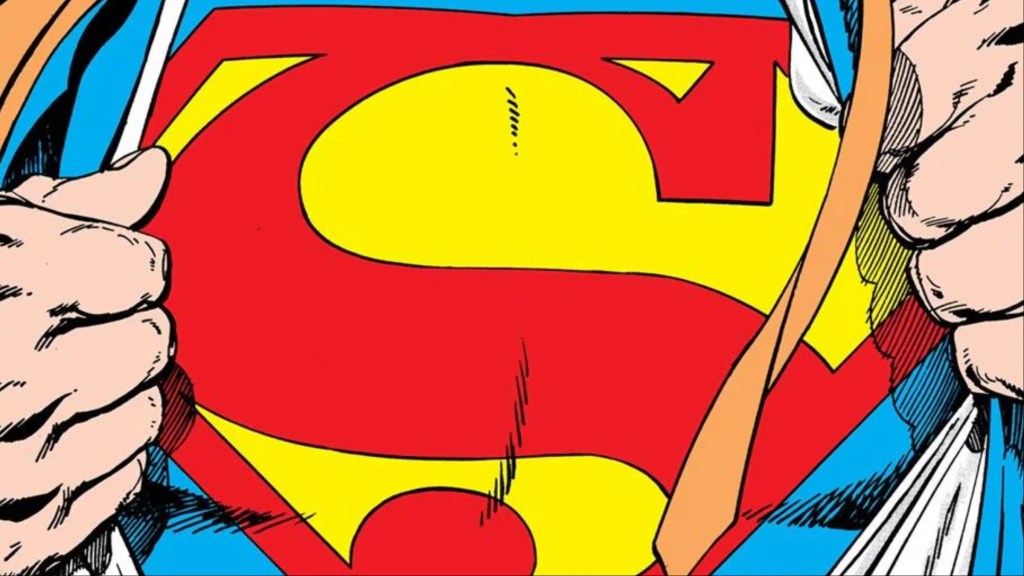
Superman in 1985 had been kind of aimless of years. As DC Comics became more sophisticated around him, he was still mostly the same character he had always been. A little more angsty at times, but mostly just what you’d expect from the Last Son of Krypton. The character hadn’t really changed all that much and fans were losing interest. Writer Alan Moore was able to show the potential of modernizing the character, but DC wouldn’t pull the trigger on completely modernizing the first superhero until after Crisis on Infinite Earths.
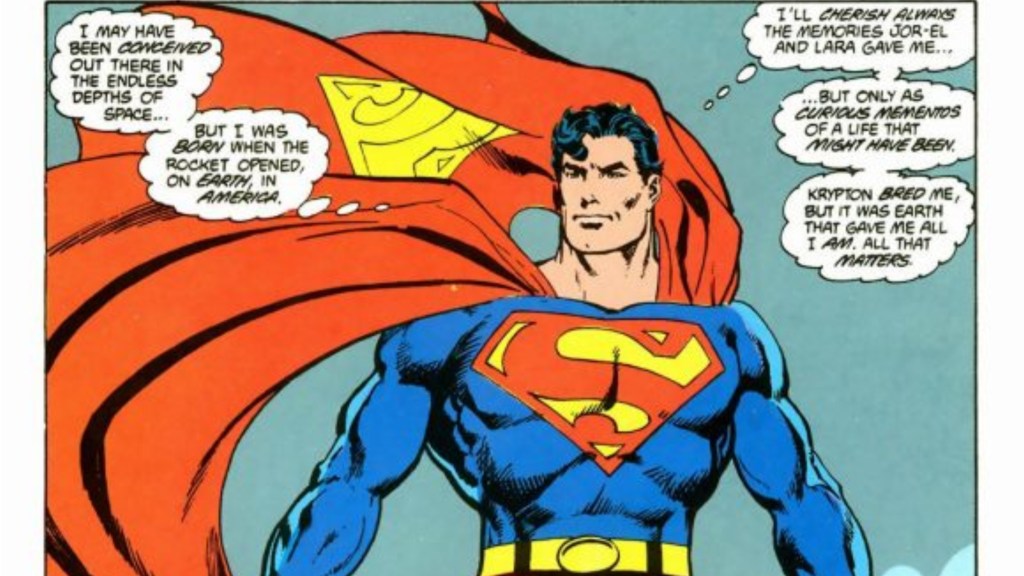
Byrne identified the problems that he saw with Superman immediately – he wasn’t the actual last son of Krypton, he was too Kryptonian, the Superboy/Legion of Superheroes years were a bit too much – and ended up changing those things. Supes was going to be the only Kryptonian, so no more Supergirl or Phantom Zone criminals. Superboy was removed from the equation (something that almost destroyed the Legion of Superheroes). The Kents were kept alive and Krypton was changed into an antiseptic, science-obsessed culture were no one loved anyone, other than Jor-El and Lara, with babies born from combining DNA in a birthing matrix. Jor-El launched the matrix to Earth, and Kal wasn’t born until he hit Kansas, taking away his immigrant status and making him into the ultimate American hero.
This was the basis of the character introduced in Man of Steel, a six-issue series that gave readers the all-new origin and status quo of the first superhero. Byrne made him into one of the first superheroes of the new generation, gave readers his first team-up with Batman, and introduced the new versions of characters like Lois Lane, Jimmy Olsen, Perry White, and the rest. He transformed Lex Luthor from the evil mad scientist supervillain into the Donald Trump-inspired industrialist. Byrne made sweeping changes to the Superman mythos almost from the beginning and would go on from there. We’d get the return of Supergirl and General Zod, but they would be from an alternate Earth and Superman would kill them after they destroyed their planet. It was the perfect Superman for the late ’80s.
However, looking at his work, there were a lot of problems. To begin with, taking away Superman’s status as a immigrant fundamentally changed the character. Superman was created by two first generation Jewish-American. He was meant to be an exemplary American of his day, an example of one of the many people who came to this country and made it great, bringing his culture to the melting pot. Supes was very much a left-leaning character in the beginning and Byrne removed that completely from the character in his run; this was a conservative Reagan yuppie Superman who lectured kids for listening to music too loud in public. It removed one of the most important aspects of the character and traded it for the ideas of the day. Then, of course, there’s that time that he decided to get back at Jack Kirby, who he had been feuding with, by having Big Barda, based on Jack’s wife Ros, brainwashed into almost sleeping with Superman. It’s an amazing run in some ways, but falls short in various others.
Superman Wouldn’t Be as Popular Without Byrne but We Should Acknowledge Mistakes Were Made
Without John Byrne’s Superman, I probably never would have liked the character. While I started reading long after Byrne left, the origin he created was the one that I was raised with. I loved post-Crisis Superman so much that I wasn’t even interested in going back and reading old pre-Crisis stuff. It wouldn’t be til years later that I would realize what Byrne took from the character, something that a lot of fans started to realize once it became easier to get older reprinted editions of comics. Byrne modernized the character perfectly, appealing to the fans of the day in a way he didn’t before. The Man of Steel was cool again because of him and that’s exactly what the character needed at the time.
Looking back at Byrne’s run right now, it’s honestly still a pretty great suite of Superman comics. However, once you’ve experienced the old school Superman (or even the modern one) you see what was missing from the character during the Byrne years. He didn’t ruin the character or anything like that, but he did narrow the kinds of stories that you could do with the hero significantly. Ultimately, that’s the problem with Byrne’s run; it’s not so much about what he took away, it’s about the stories that you couldn’t tell anymore with him. It’s an integral yet controversial run on the greatest superhero of them all.