9 expert tricks and tricks for Oura Ring 5 & 4 users
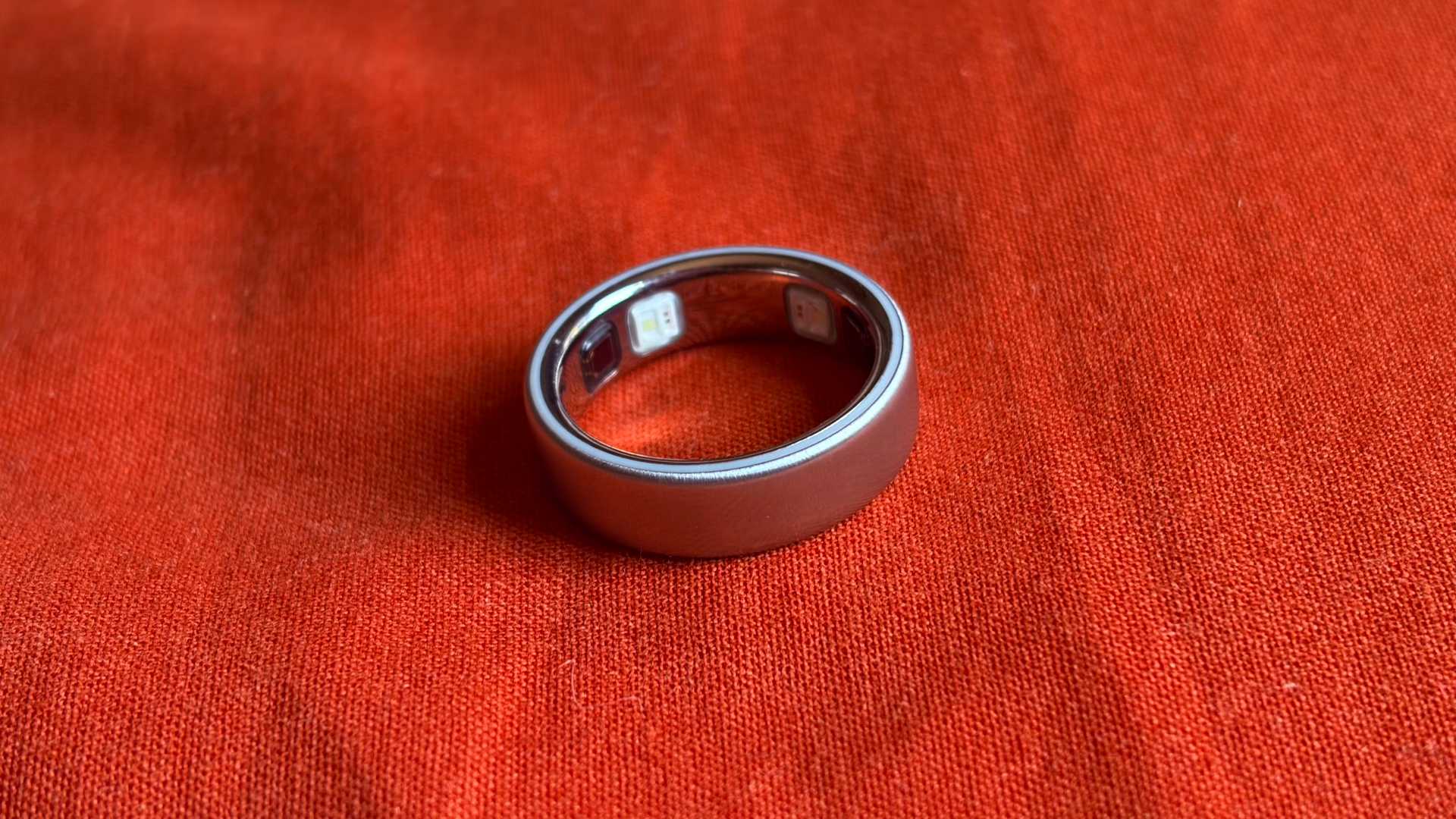
The Oura Ring 5 is the best smart ring, simply because it matches solid health, fitness and wellness tracking with a slick software experience that’s all wrapped up in a now smaller and more elegant design.
Every iteration of the Oura has brought with it smarter ways to get a better grip on everything from sleep quality to making sure you keep active throughout the day.
If you’ve picked up the Oura Ring 5 or thinking about buying one, I’ve picked out some more hidden features and settings tweaks you can make to get more out of your smart ring.
These tips mainly apply to the Oura Ring 5, but many are available on older versions like the Oura Ring 4 (including the Ceramic Edition) and the Oura Ring Gen 3.
1. See Oura data from your phone homescreen
You can save yourself opening the Oura companion app by dropping some of your daily (and nightly) data onto your phone’s home screen. This is something that works for both iOS and Android users. For iPhone owners, this will also work with previous versions of the Oura Ring. If you’re an Android phone user, this support extends to the Oura Ring Gen 3 and the Oura Ring 4.
How? On an Android phone, simply press and hold on an empty space on your phone’s home screen. Next, tap Widgets, and tap to select Oura App. Next, you can choose the type of data you want to display. That could be showing off Readiness or Sleep scores or even the battery status of your ring.
Mike Sawh
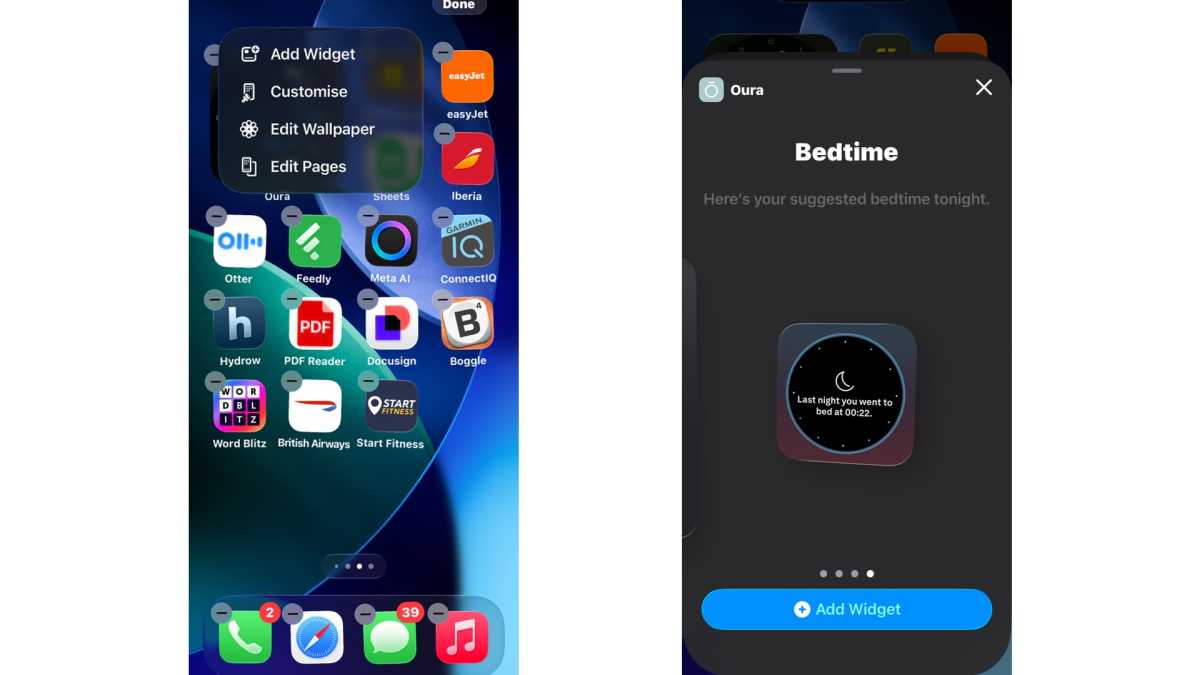
For iPhone owners, you have the ability to add a sleep graph or a suggested bedtime widget to the home screen. This is done similarly by pressing and holding down on an empty space on your homescreen.
Tap edit on the top corner of the screen and then tap add widget. Type Oura in the Search Widgets search bar and select. You’ll then be able to choose your preferred sleep-related widget from there.
2. See Oura data on your iPhone lock screen
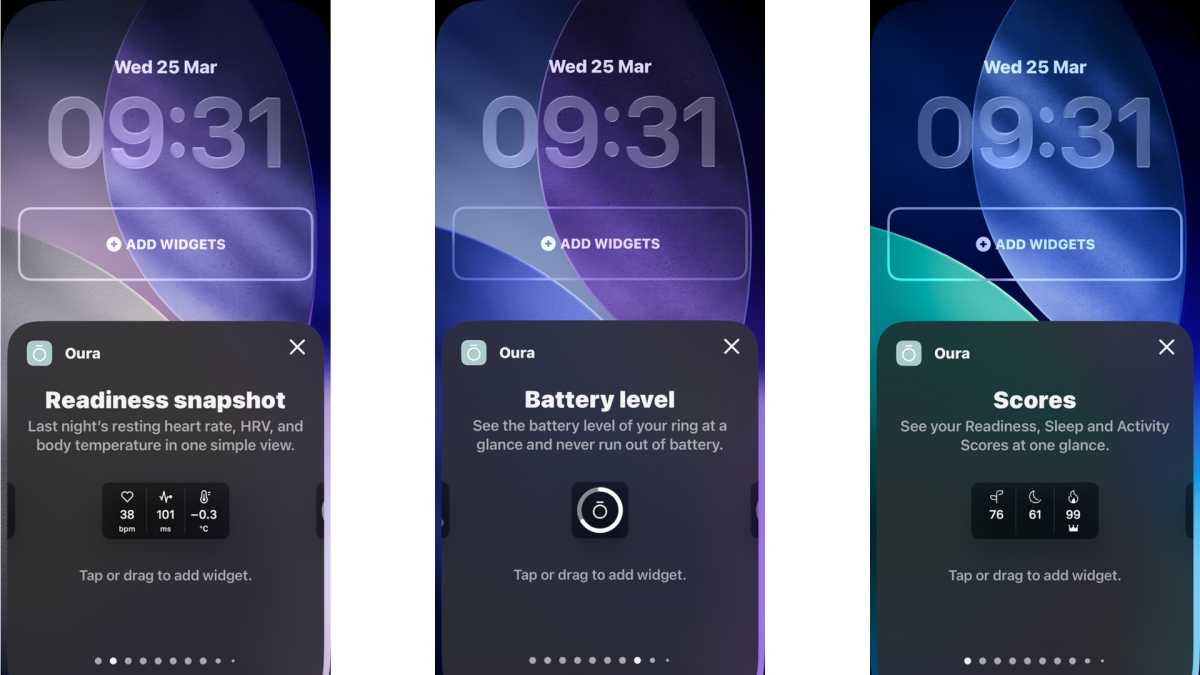
iPhone users have more restricted options when it comes to adding Oura data to the homescreen. That does improve if you want to see more from the iPhone’s lock screen.
This will allow you to see data like Readiness scores, temperature readings and battery status.
Mike Sawh
How? To add the Oura lock screen widget, wake up your phone, then tap and hold on the screen. Tap Customise, select the widget section. You’ll then be able to drag and drop your preferred widgets into the widgets box on screen.
3. Take a real-time heart rate reading
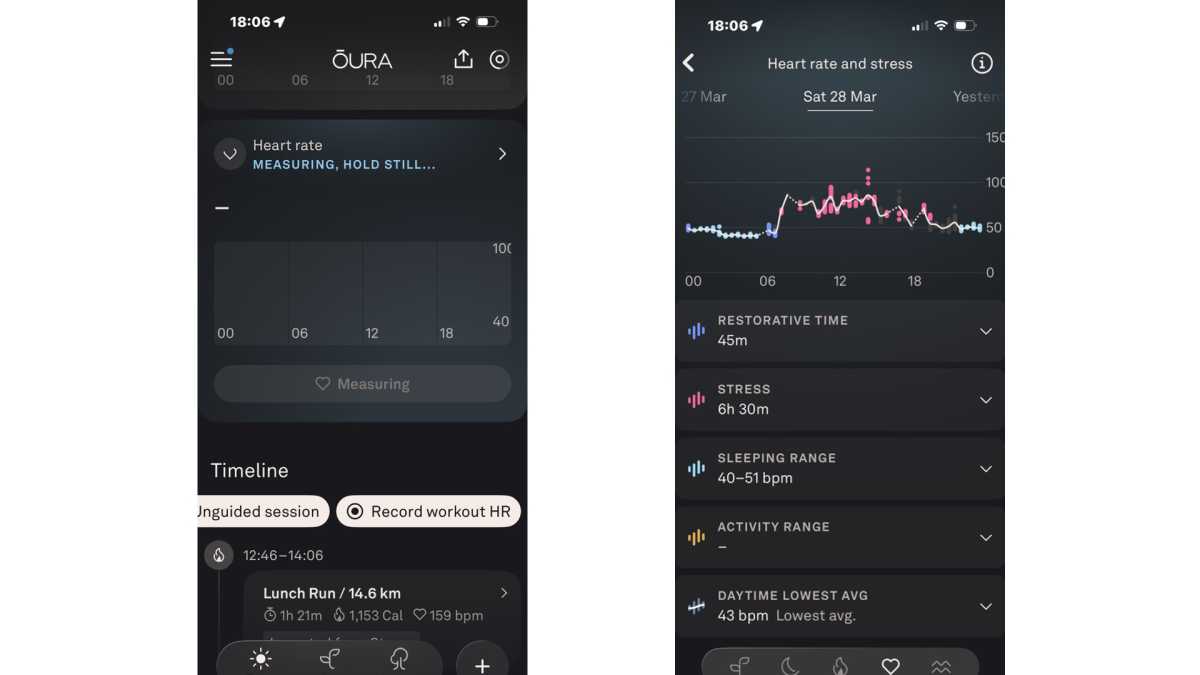
This is an Oura feature that isn’t immediately obvious because of the much bigger emphasis on the Oura Ring monitoring heart rate continuously during the day and night over taking on-the-spot readings.
It can be done and must be done via the Oura companion app.
Mike Sawh
How? Open the Oura app on your phone and, from the main Today homescreen, scroll down until you get to the heart rate widget. You’ll see a button to measure heart rate.
Make sure your ring is on and then it takes about 20 seconds to take a heart rate reading. You may even feel haptic vibrations through your phone to mimic a beating heart.
4. Check if you’re unwell with Symptom Radar
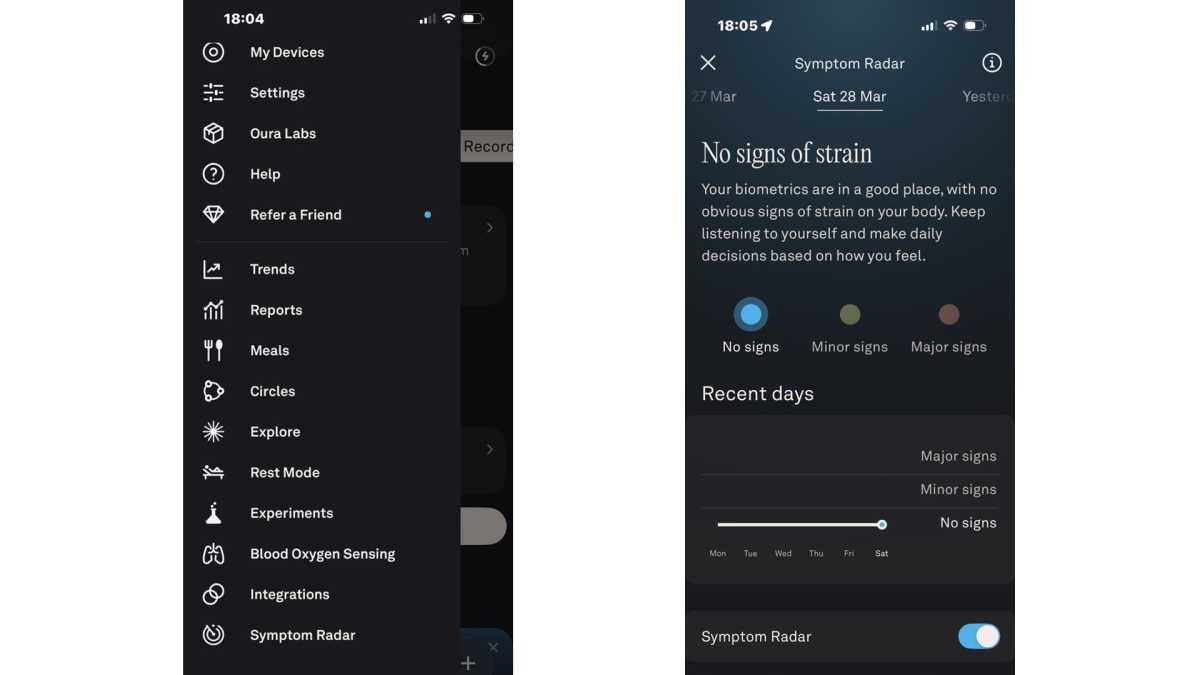
Oura’s Symptom Radar is a great feature if you like the idea of your smart ring being able to detect early signs of sickness. I’ve tried it, and it works as promised, keeping a close eye on data, which includes body temperature and resting heart rate.
It aims to detect changes in your data and alert you about those changes.
Mike Sawh
How? If you want to use Symptom Radar, it’s actually hidden away from the main home screen. When you open the Oura app, tap the three lines at the top of the screen to open the dropdown menu screen. Scroll all the way down to the bottom and you’ll find Symptom Radar.
You don’t need to activate anything. It will simply highlight whether there are no signs, minor signs or major signs of strain from the key bits of biometric data it keeps an eye on.
5. Get longer battery life from Oura Ring 5
While the Oura Ring 5 doesn’t offer the best battery life on a smart ring, it’s still very good and can last over a week, depending on usage. There are a few ways to get that battery to last longer through disabling some features you may not necessarily need or want to pay attention to.
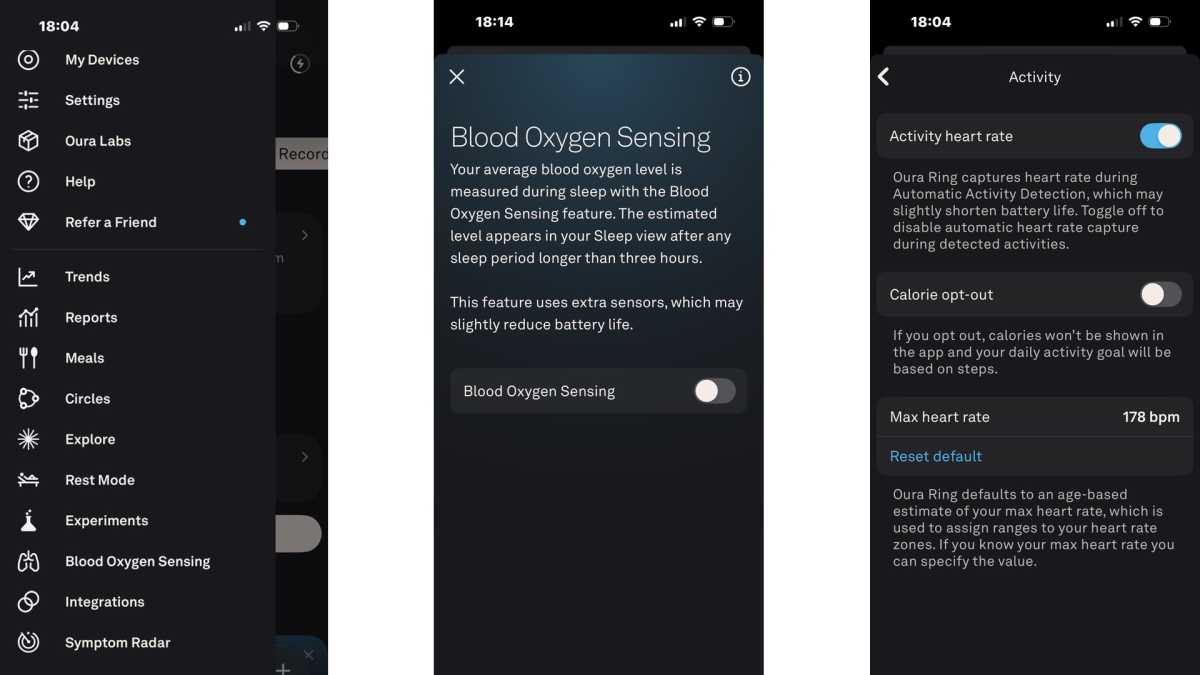
How? The first thing you can do is to disable the blood oxygen monitoring. Like many other wearables, using this feature does have a notable impact on battery performance. To disable it, go to the dropdown menu on the Today homescreen and scroll down to Blood Oxygen Sensing. Simply tap the toggle button to turn the tracking off.
Mike Sawh
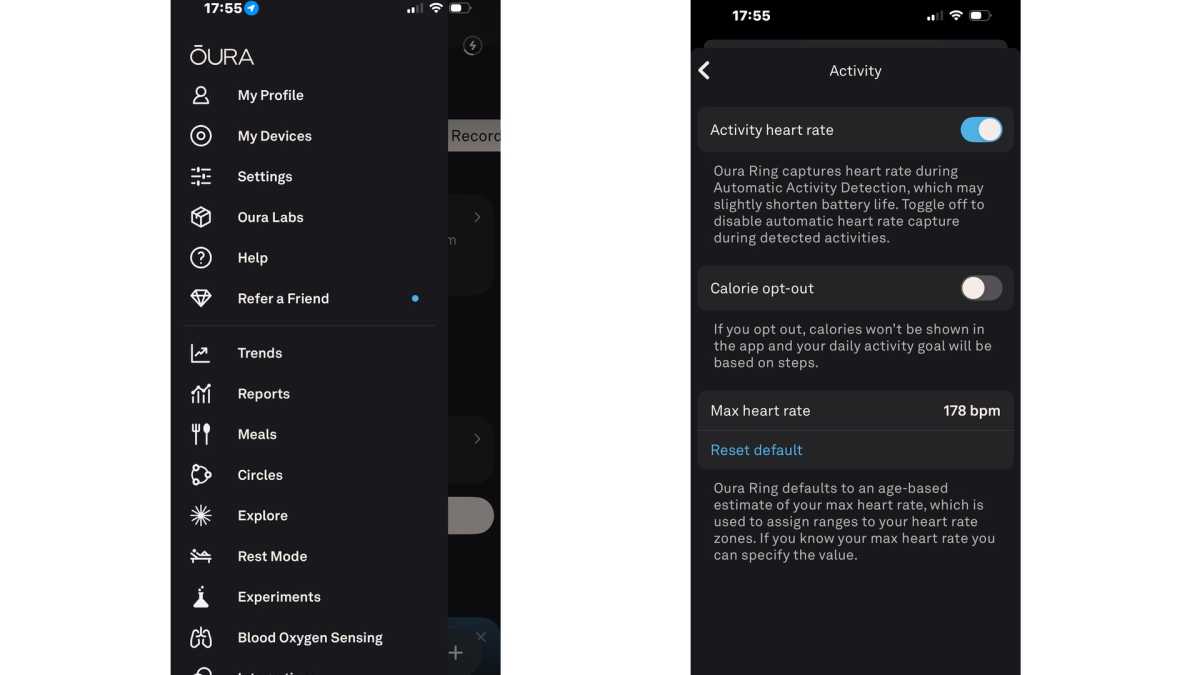
The next thing you can do is to disable heart rate tracking when the Ring automatically recognises you’re doing an activity with it on. This additional heart rate tracking will also eat into the battery. To turn it off, go to that same dropdown menu described above, then tap Settings and then Activity. Tap the Activity heart rate toggle to turn the tracking off.
6. Adjust the tone of Oura’s advisor
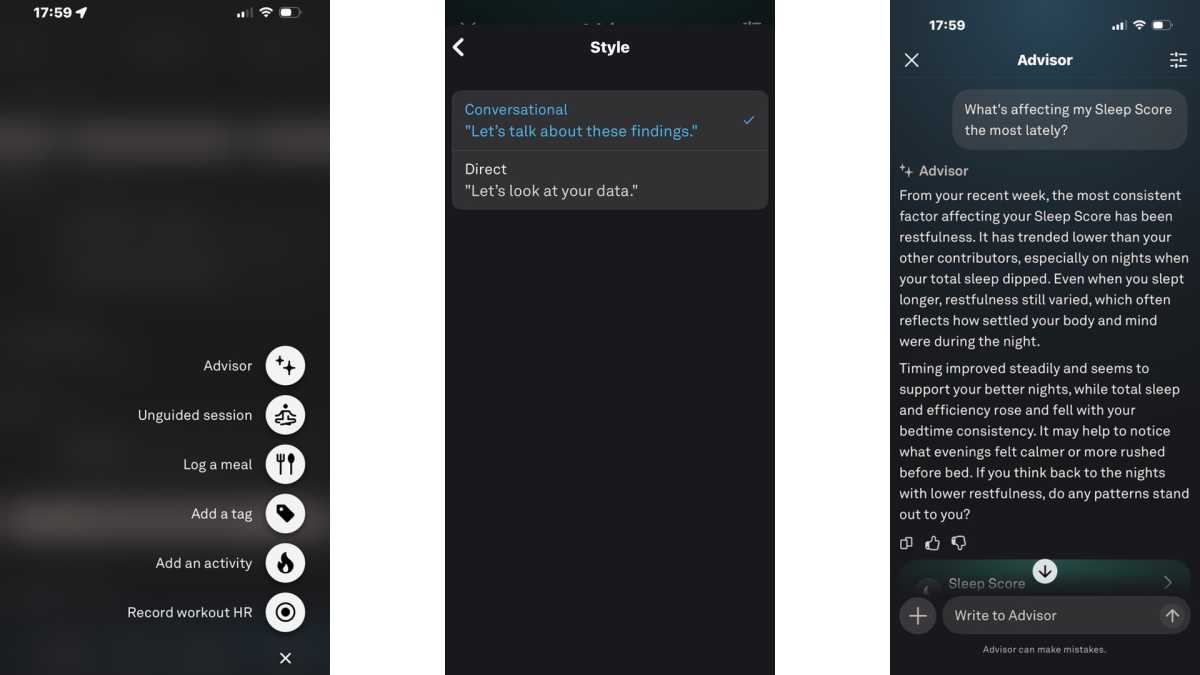
Oura recently introduced Advisor, its AI-personalised assistant, that you can ask about trends in your data, general questions about the type of data the Oura Ring can track and offer more context to your daily and nightly stats.
How these AI-powered assistants communicate with you can have a huge influence on whether you actually want to interact with them on a regular basis. Oura knows this too and it’s why it offers a way to change the way the advisor advises you.
Mike Sawh
How? To find the advisor, you need to tap the big + button in the bottom corner of the main Today homescreen in the Oura app. Once you’re in, tap the settings icon at the top of the screen.
From there, you can select the style of the conversation to be either conversational or more direct.
7. Ditch calorie data from the Oura app
If you don’t like the idea of having calorie information displayed in the Oura app, there’s a way to hide it from view.
Additionally, you can also make sure it’s a piece of data that’s not included as part of your daily activity tracking goals. Oura will instead focus on step counts to generate daily activity scores.
Mike Sawh
How? In the Oura app, open the dropdown menu (three lines in top left hand corner) and tap Settings. Then tap Activity and tap the Calorie opt-out toggle button.
8. Connect Strava to fill in workout data gaps
The Oura Ring does have the ability to factor in your workout time when providing insights about your recovery and readiness to take on the day. Whether that’s through automatically recognising when you’ve gone for a run or ride or letting you manually record heart rate during a workout.
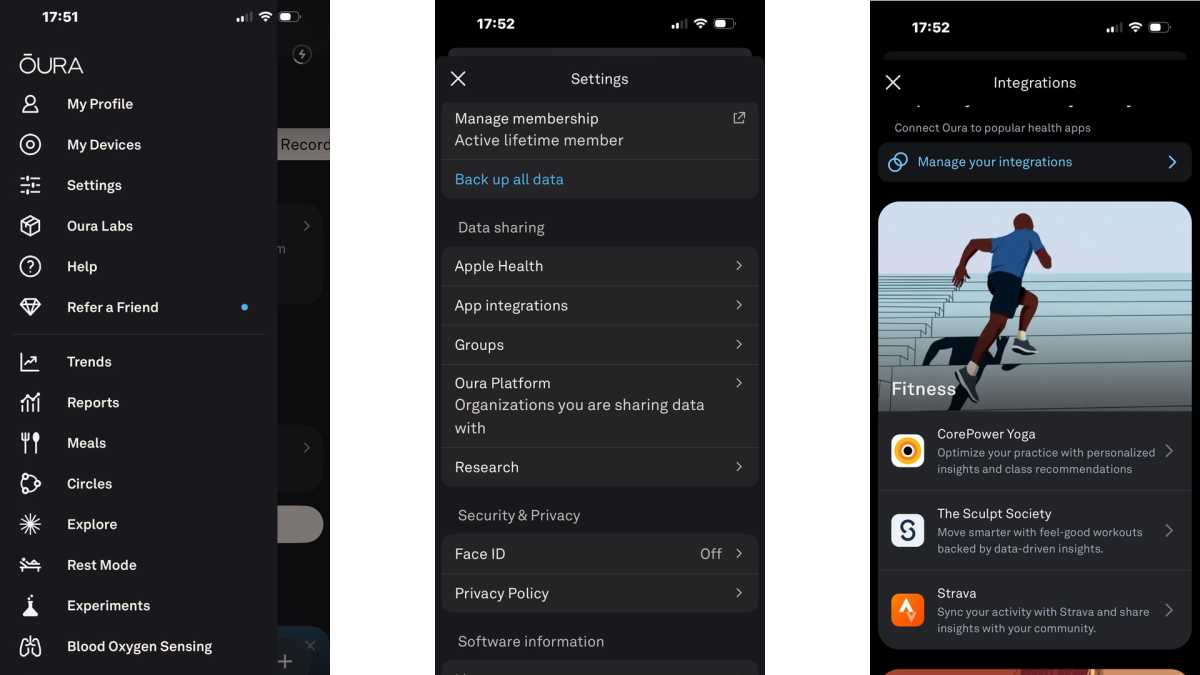
Another way to make sure your exercise is factored into key scores is to link up a third-party fitness app. There’s not a heap of support right now, but Oura does work with a big one in Strava.
If you use Strava to track your exercise, this exercise data can be pulled through to the Oura app. Additionally, connecting the two apps will let you post Oura data to Strava as well.
Mike Sawh
How? To connect Strava to Oura, go to the dropdown menu in the app and tap Settings. Scroll down the page and tap App integrations. Tap Explore Integrations and then tap Strava, where you’ll be taken through a few quick steps to connect the two apps.
9. Take some mindful minutes to de-stress
Like taking real-time heart rate readings, this is a feature that’s tucked away in the Oura app, so it isn’t immediately obvious that it exists.
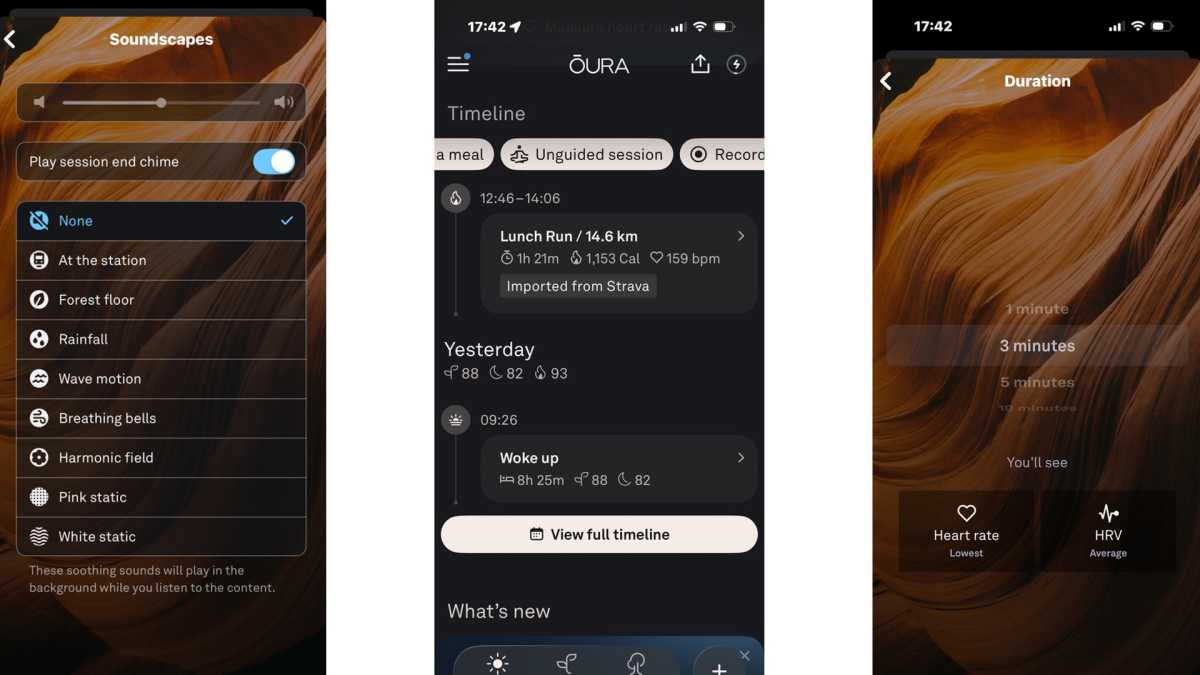
It’s a great one if you’re feeling a bit overwhelmed during the day and just need a few moments to yourself. You can take part in a few minutes of guided breathing before getting on with your day.
Mike Sawh
How? From the main Today homescreen in the Oura app, scroll down to the timeline section. At the top of the timeline, next to the + button, swipe until you see the Unguided session. You can choose your session duration or add a soundscape from the Oura app to help get you in a more relaxed mood.