Fitbit Edge is missing these Charge 6 key features
Following a batch of accurate leaks, Google has made its latest fitness tracker official, but the Fitbit Edge is missing a number of things you’d expect it to have.
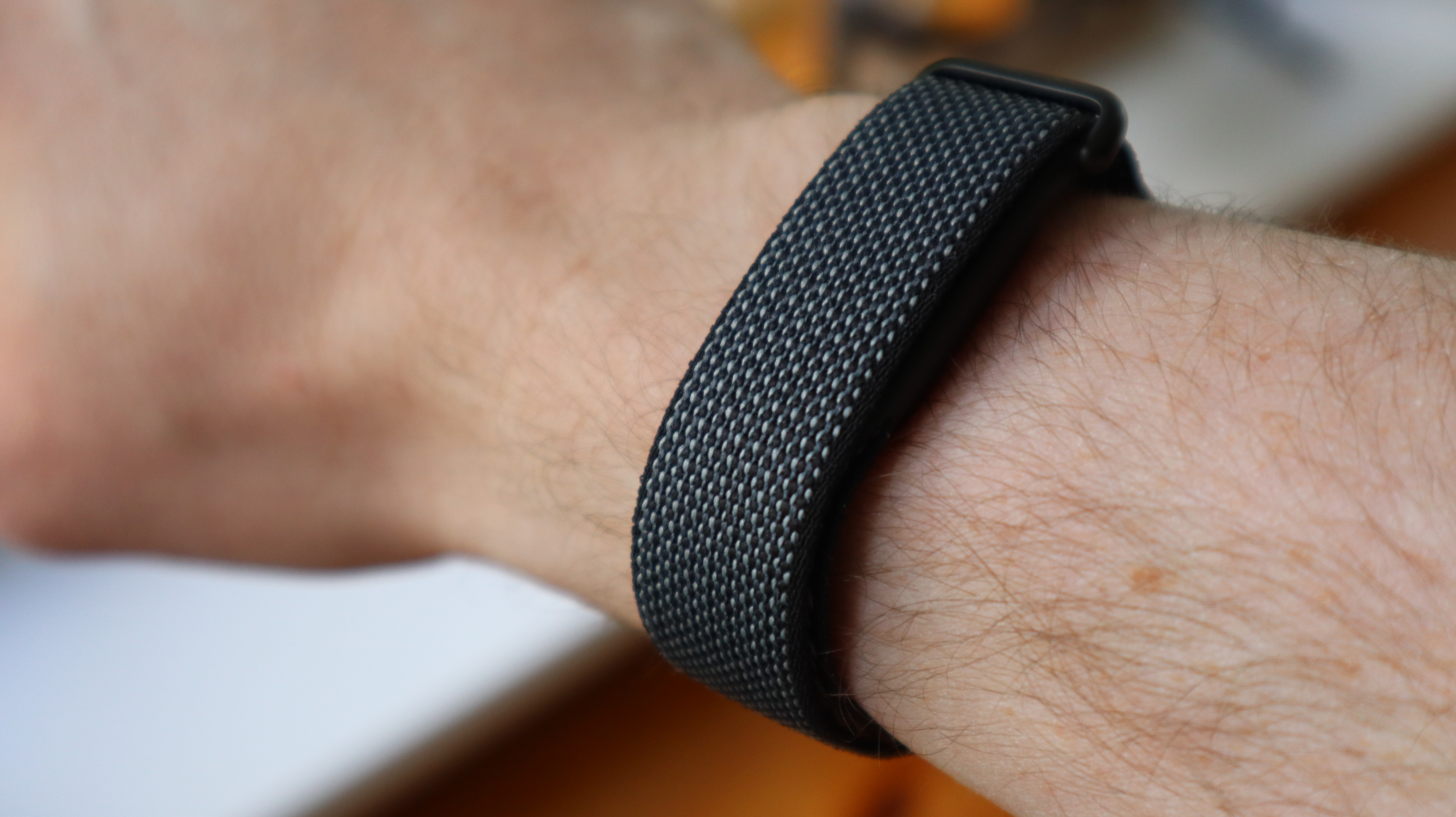
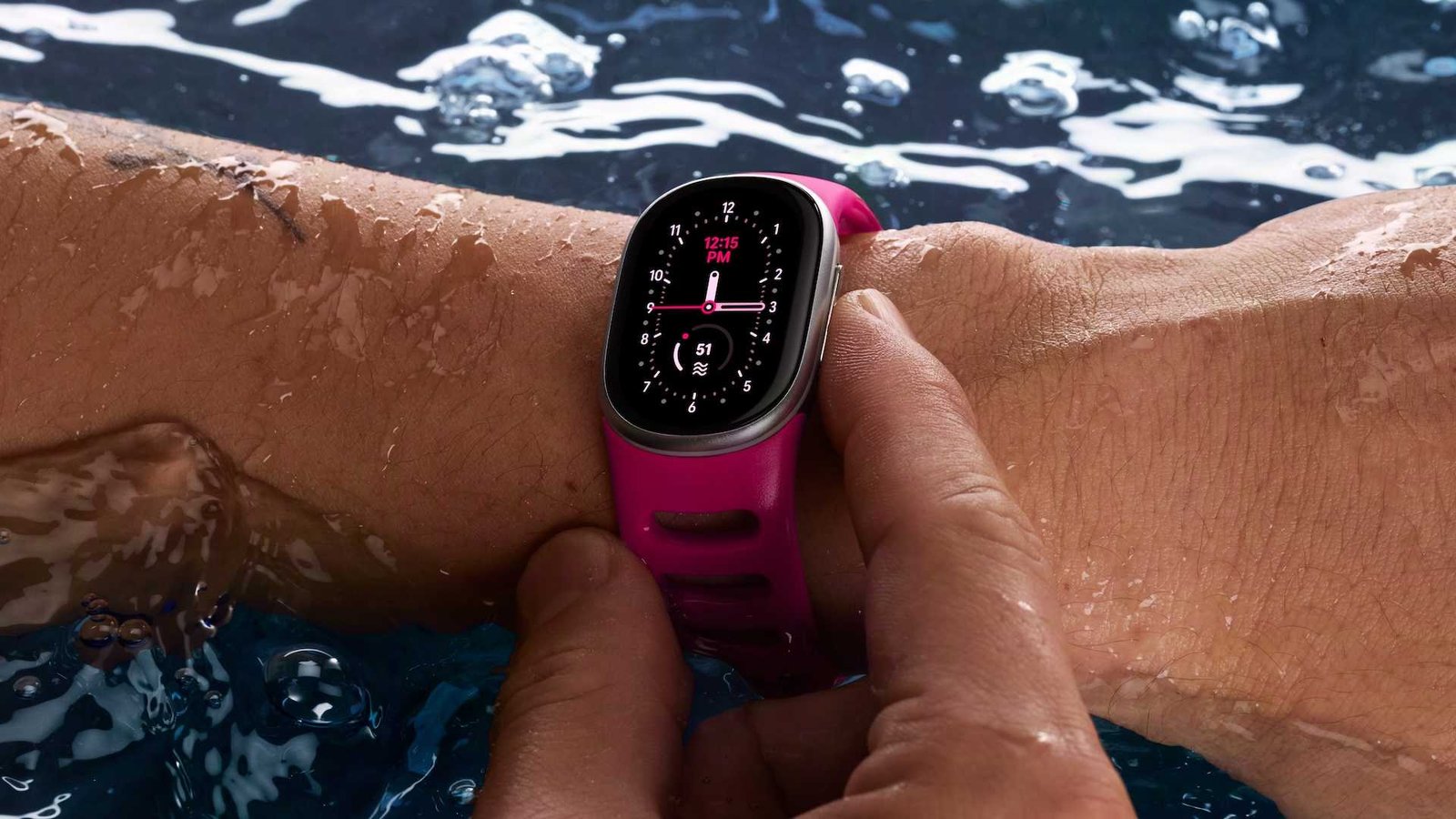
Although it doesn’t come under the Charge brand name, the Fitbit Edge is clearly the Charge 6’s spiritual successor. It looks similar, just with more of a Pixel Watch 5 style, for starters.
Now the wearable is confirmed, you can pre-order it, but you might want to think first. The Fitbit Edge isn’t a no-brainer as, after comparing the detailed specs and small print with the Charge 6, there are some key things missing.
It’s an odd situation because you’d expect the new Fitbit Edge to be as good as the Charge 6, if not upgraded in a number of areas, especially as it costs more at £159/$179. However, here are the three things missing you might consider to be a deal breaker.
NFC (Google Wallet)
The Fitbit Charge 6 came with NFC built-in, just like almost every smartphone. This meant the fitness tracker was compatible with Google Wallet.
Making contactless payments from your wrist is super convenient, but for some reason Google has removed this from the Fitbit Edge, giving it a major downside if that’s something you’ve become accustomed to or simply expect your new wearable to do.
We can’t simply blame the increase in components either, since the Edge is more expensive.
Stress tracking
Note: This section has been updated after clarification from Google.
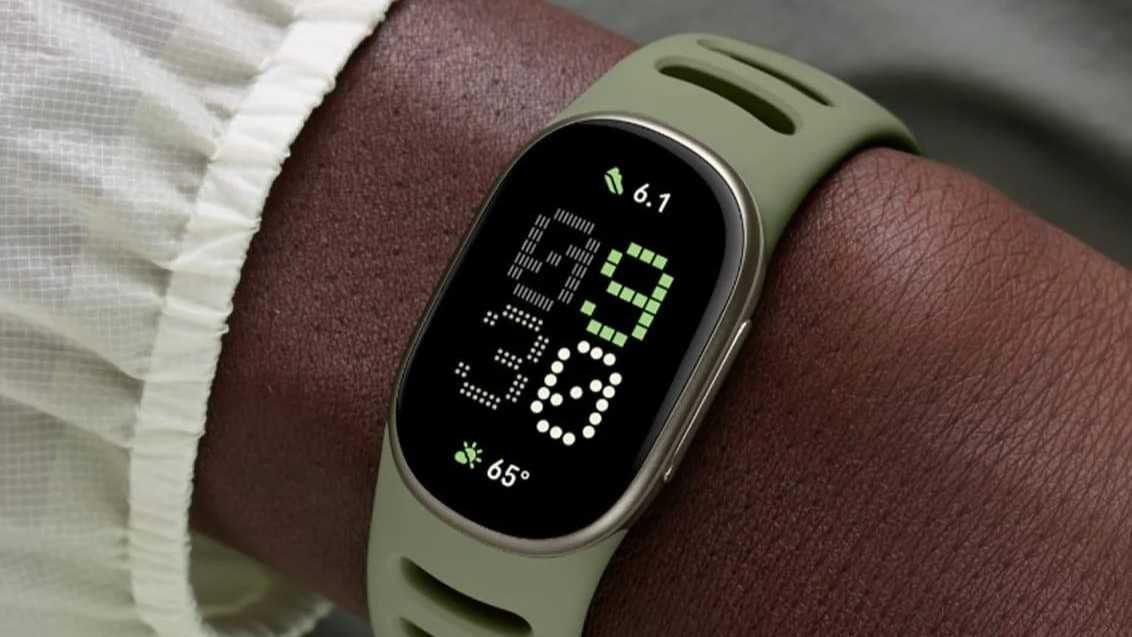
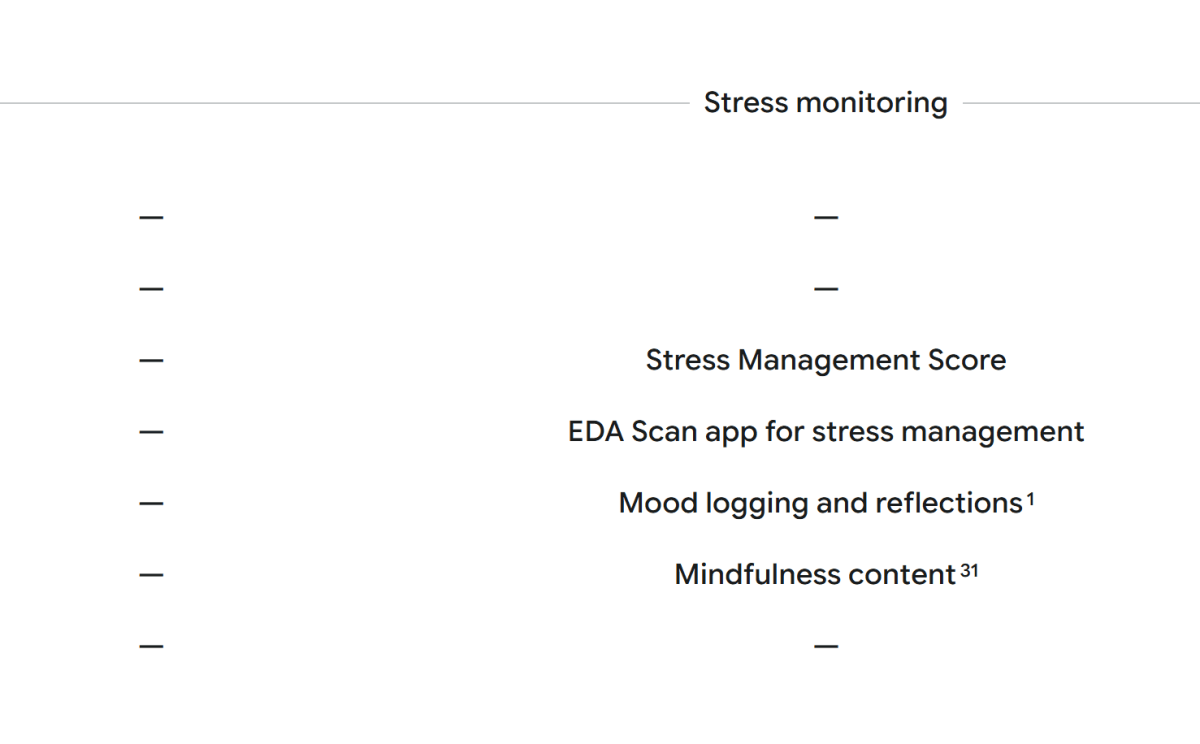
While the below screenshot from Google’s own store comparison tool between the Edge and Charge 6 is misleading, the latest Fitbit does indeed have stress tracking.
Like the Fitbit Air, things have been given a rejig with the launch of Google Health. This means the Stress Management Score now falls under Resilience and you also get mood logging, reflections and mindfulness content within the companion app.
Google should update this page to be more accurate, but has confirmed with me that the Fitbit Edge is lacking the EDA Scan feature found on the Charge 6 and other old Fitbits.
This isn’t inherently a bad thing, it’s just different. The EDA method meant you could touch the device with your fingers to get a reading when you desired, while the Edge will use data such as different heart rate statistics and skin temperature to give you a more overarching view of how you’re doing.
If you previously loved the EDA Scan feature, then this will be something you’ll have to get used to if you buy an Edge.
Google Maps
Ok, this is temporary, but it’s still a strange omission. The Fitbit Edge spec sheet says that Google Maps is ‘coming soon’. Apparently, despite the Charge 6 launching three years ago, Google can’t get its own app onto its own wearable.
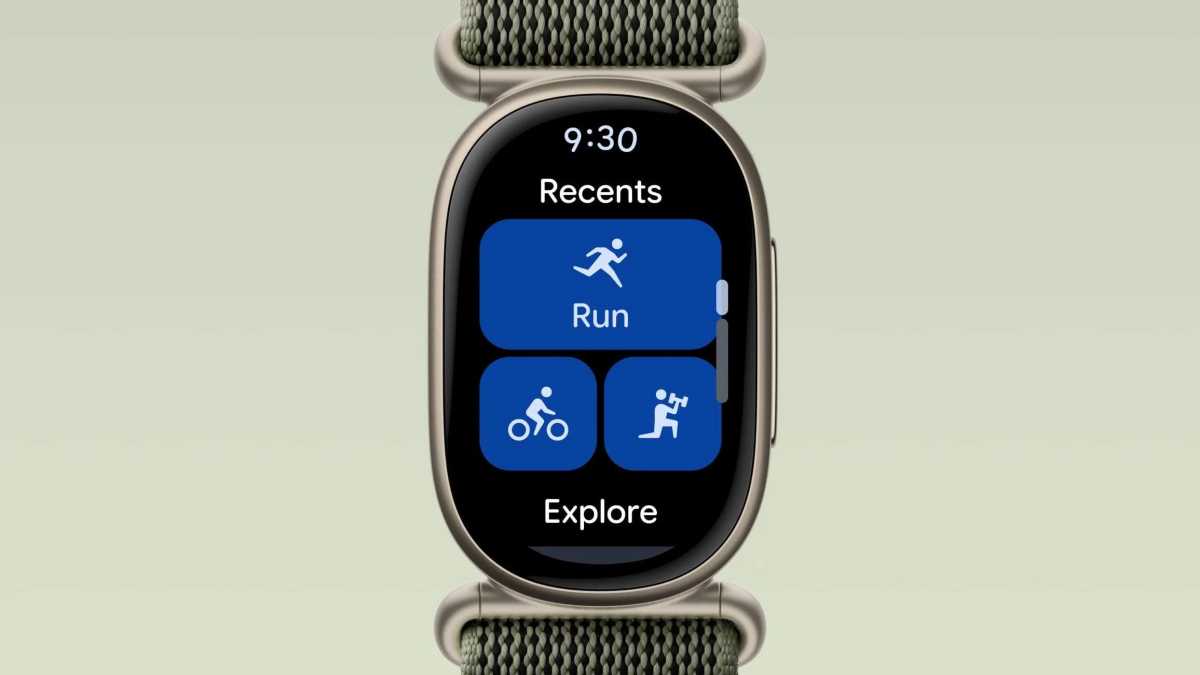
That’s a real shame as getting Google’s core apps seems like a given and not the experience you expect when getting a shiny new Fitbit out the box. It’s even more galling when it’s a super convenient and safer alternative to using your phone in public, risking it getting stolen.
And Google doesn’t even state when Maps will be ready for the Fitbit Edge.
It’s not all bad
If the exclusions above aren’t deal-breakers for you, then the Fitbit Edge should be a solid device. Google hasn’t only removed stuff compared to the Charge 6, so I’ve listed the key new features below:
- Replaceable battery
- IP68 rating (in addition to 5ATM)
- Gemini for fitness
- Cardio load
- Target cardio load
- Real-time visual guidance
- Live in-workout metrics on device & in app
- Floors climbed (altimeter)
- Monthly blood pressure trends*
- Monthly insulin resistance trends*
- Morning Brief
- Quick replies
- Gyroscope
*Requires Google Health Premium membership