Amazon’s Alexa tablets’ USP could be their biggest weakness
There’s a new iPad rival in town, and it’s probably from a company you weren’t expecting: Amazon.
Yes, the same Amazon which dominates e-commerce and has basically cornered the budget tablet market with its Fire line. 15 years after it debuted, Amazon is being a whole lot more ambitious, launching its first lineup of full Android tablets.
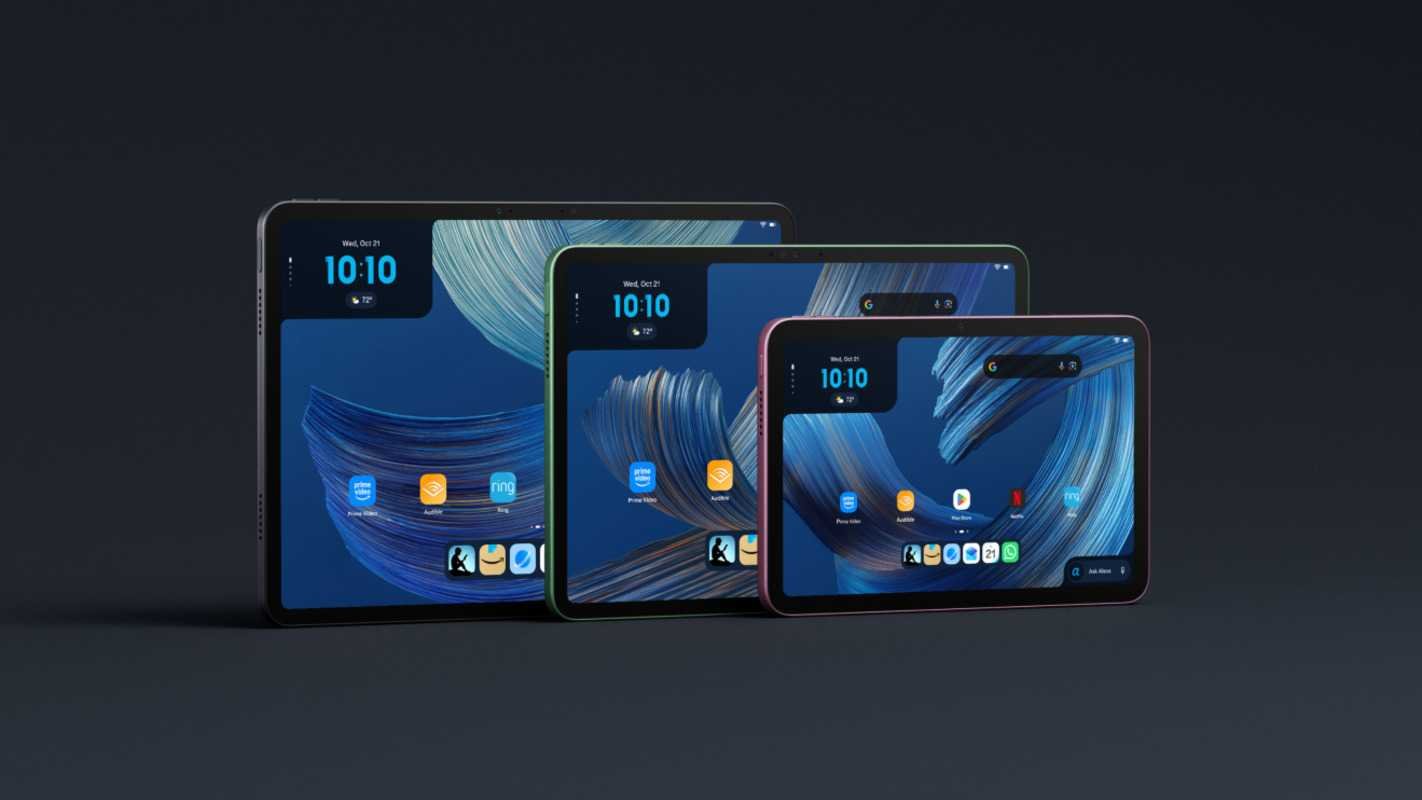
The brand-new Alexa Tablet range consists of three models: the budget Tablet 8 (£199.99/$229.99), a larger Tablet 11 (£289.99/$329.99) and a flagship (at least for Amazon) Tablet 12 Pro (£449.99/$499.99). You will have to pay at least £499.99/$549.99 for the latter with a fancy ‘Nanomatte’ display, but it still massively undercuts iPad Pro and flagship Galaxy Tabs.
And no prizes for guessing what the main selling point of these tablets is. All three feature Alexa+, Amazon’s upgraded AI assistant that’s rolling out to Echo smart speakers. However, rather than being a key selling point, I believe Alexa+ integration could be what convinces people to look elsewhere.
Tablet, set a timer
Alexa’s dominance in the smart speaker market means it has a long-standing reputation… as a mediocre voice assistant.
Over the last decade, it’s been great for basic queries such as the weather, playing music or setting timers. But, as I experience on a near-daily basis, anything more complex becomes a major struggle.
In theory, Alexa+ mostly solves this. It gives Alexa a big AI boost, leveraging the power of advanced large language models (LLMs) to answer complex, multi-step queries without resorting to an unhelpful web search or admitting “I’m not quite sure how to help you with that”. In other words, it should be on a par with the likes of Gemini, ChatGPT and Claude.
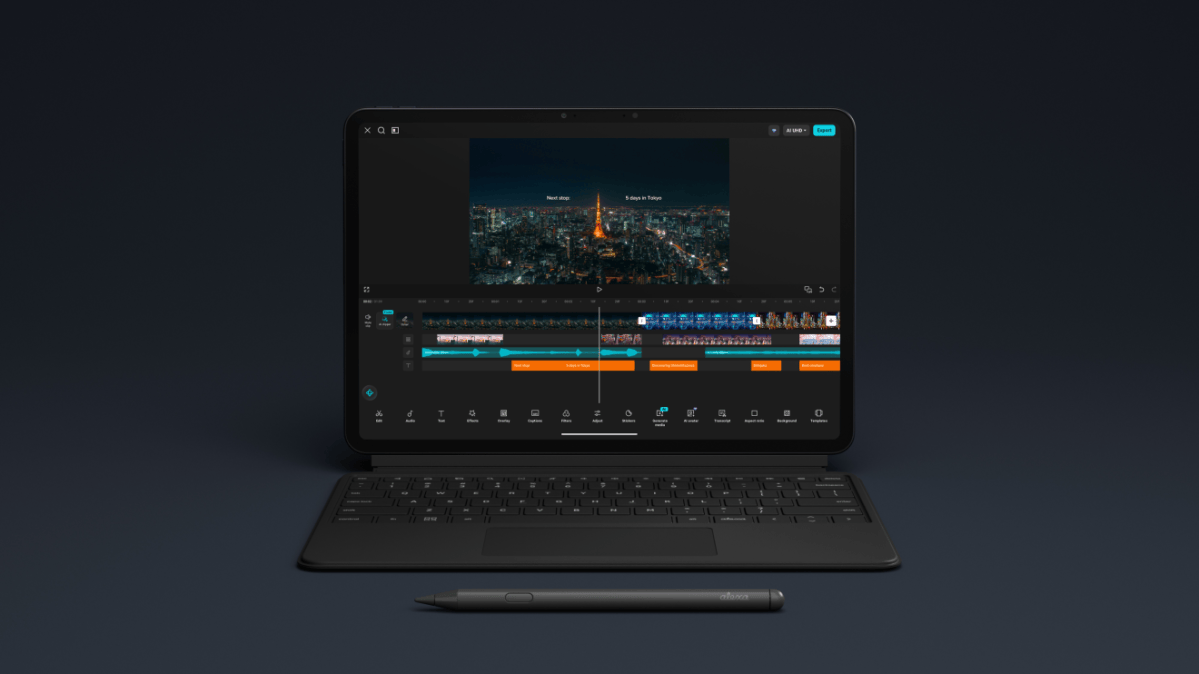
Amazon
However, that’s not the experience that most people will be used to. While Amazon claims 97% of all the Echo devices it has ever shipped are capable of running Alexa+, only 10-15% are thought to be using it.
Let’s face it, with the price tags on the new Alexa tablets, they’re not being targeted at tablet enthusiasts. A more realistic demographic is the casual users who want a cheap, reliable tablet for everyday use. Or even someone who wants a familiar upgrade from their trusty Fire device.
For those people, the chances of them having already tried Alexa+ is slim, making it feel risky when other cheap Android tablets from big names already exist.
Even then, I feel like an advanced AI assistant might not be what they’re looking for in a tablet.
Can you escape Alexa?
My main concern with the Alexa tablets isn’t that they have Alexa+ at all; it’s that you might not be able to avoid it.
Amazon has explicitly advertised Alexa+ as “built into the core of every tablet”, hence the name. That includes a dedicated ‘Ask Alexa’ button right on the home screen, not unlike the one I often accidentally tap in the Amazon Music app.
But what about those tablet experiences that you don’t want AI anywhere near? A sensitive email, kicking back with Netflix (or hey, even Prime Video), or playing a game. Just as important is Alexa+ knowing when to stay out of things. I’m yet to be convinced that Amazon will be able to strike the right balance.
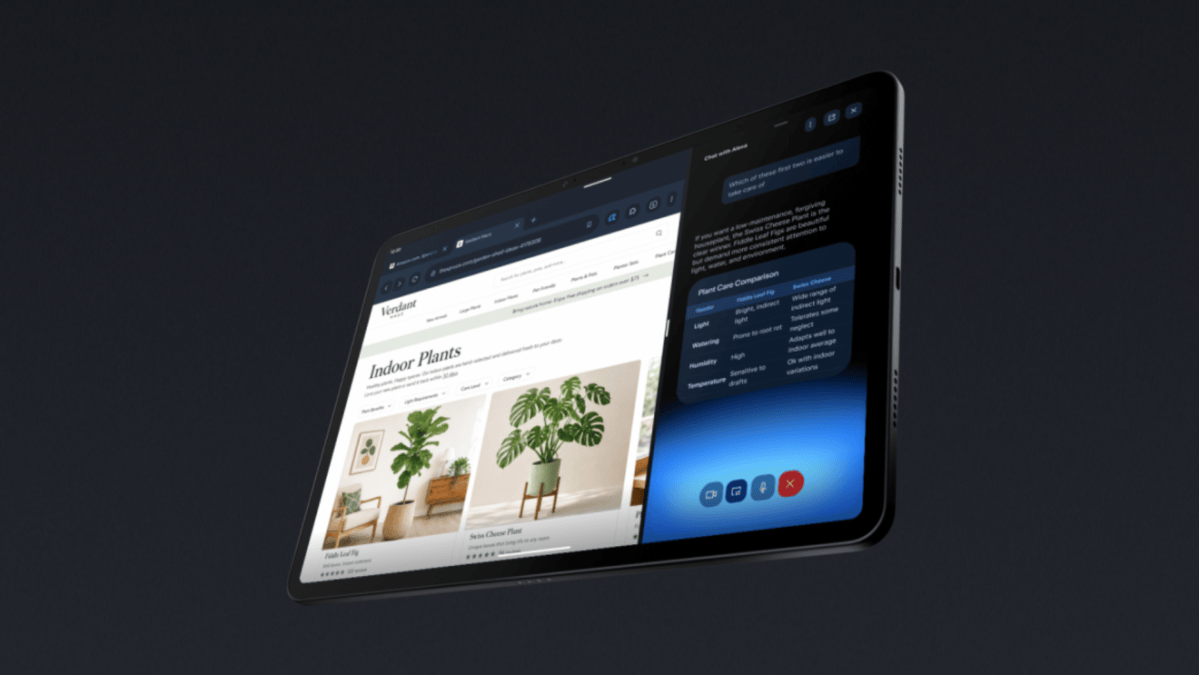
Amazon
What’s more, many of the Alexa+ experiences that Amazon advertises look incredibly similar to what Gemini has built into the vast majority of Android phones. As a result, in August, Google claimed that more than 1 billion people were using the Gemini app every month.
Those are figures that Amazon simply can’t compete with, and a range of budget and mid-range tablets will do little to close the gap. I wouldn’t be surprised if a lot of people buying an Alexa Tablet just end up installing Gemini, anyway.
The new lineup of Alexa Tablets is undoubtedly worth further attention, particularly in the underwhelming Android budget tablet market. But I believe integrated Alexa+ could do more harm than good to Amazon’s chances of establishing itself.
Maybe a different name would’ve been better?