Apple Watch copies key Whoop feature – but the timing couldn’t be worse You Should Know
Apple just had its major September event that will no doubt be remembered for introducing the brand’s long-awaited foldable phone, the iPhone Duo. For someone like myself, however, who’s a bit obsessed with the latest wearables, I tuned in mainly to hear about the new Apple Watches.
While there’s a lot to like about the Apple Watch Series 12 (and Ultra 4), it’s one of the few times I can think of where Apple being a bit behind the curve on features has actually worked to its detriment.
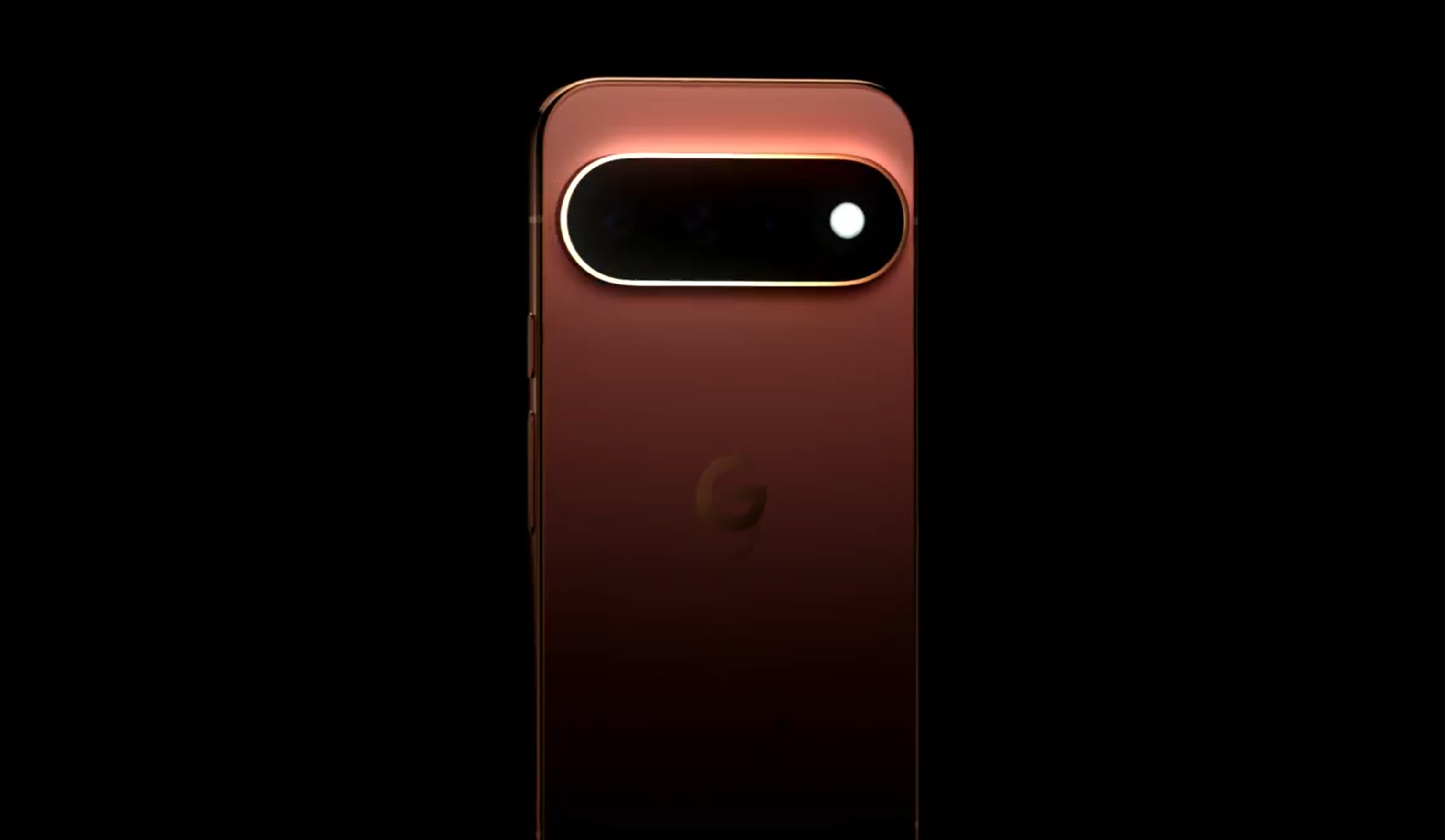
Case in point, Apple has taken its time with the iPhone Duo and, as a first-generation device, it’s clearly learned a great deal from the competition, showing off a very confident design with tailor-made software that has been properly optimised to make the most of the foldable form factor.
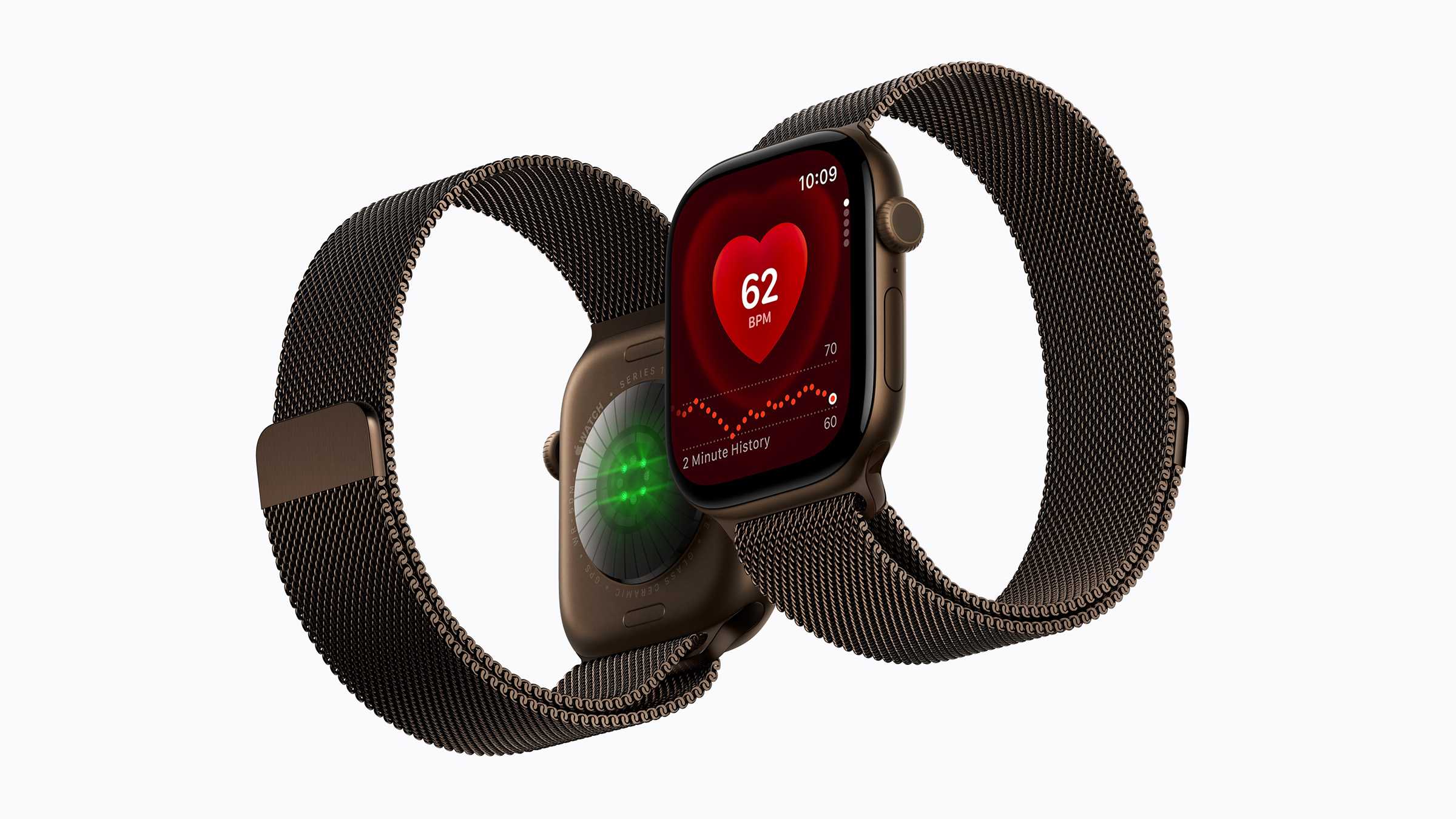
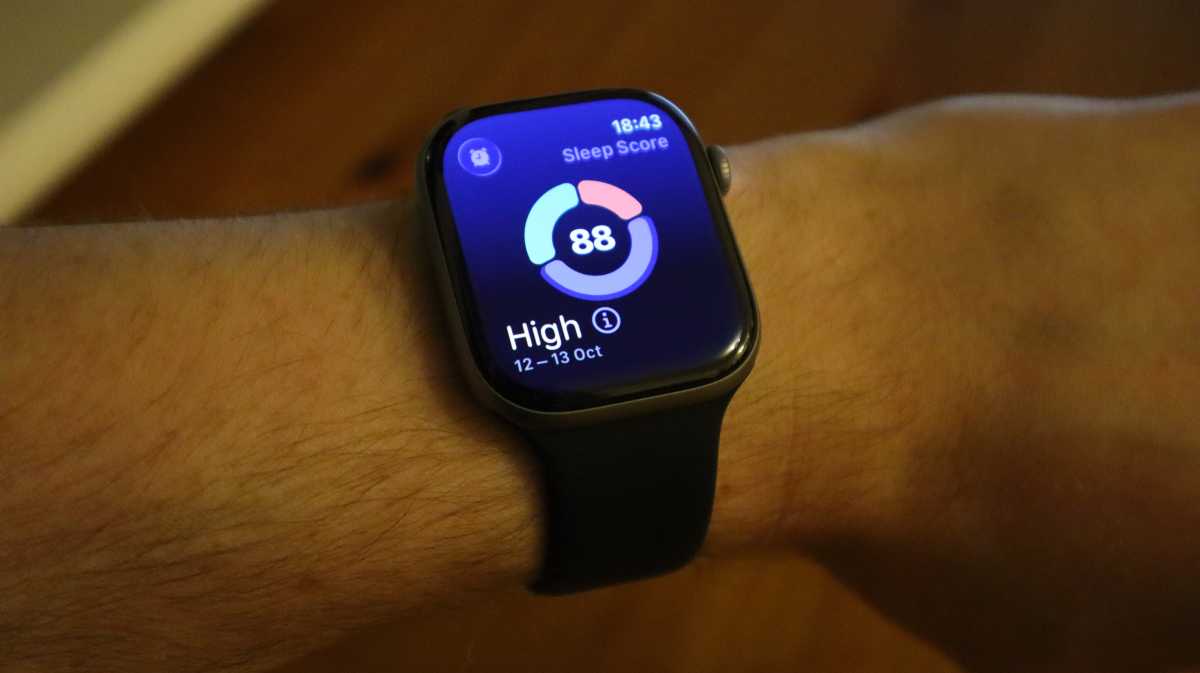
For the Apple Watch Series 12, the brand has doubled down on fitness tracking by adopting a new readiness score, which will sound very familiar to fans of the Whoop Strap.

Apple
As you can imagine, this new score (which is graded out of 10) takes into account your recent exercise, your vitals and the quality of your sleep to decide if you’re ready to take on a tough workout, or if it’s better to hang back and rest.
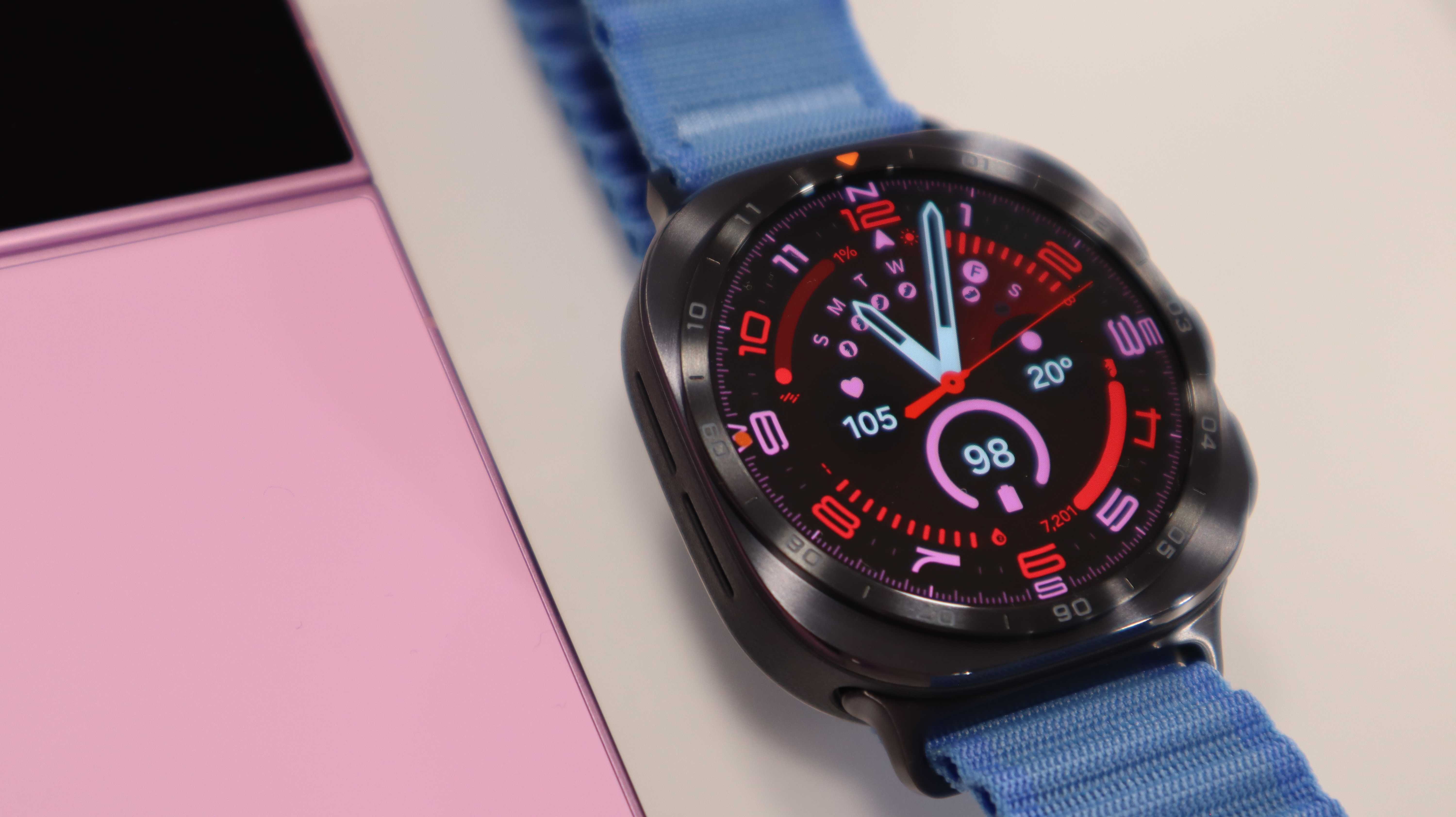
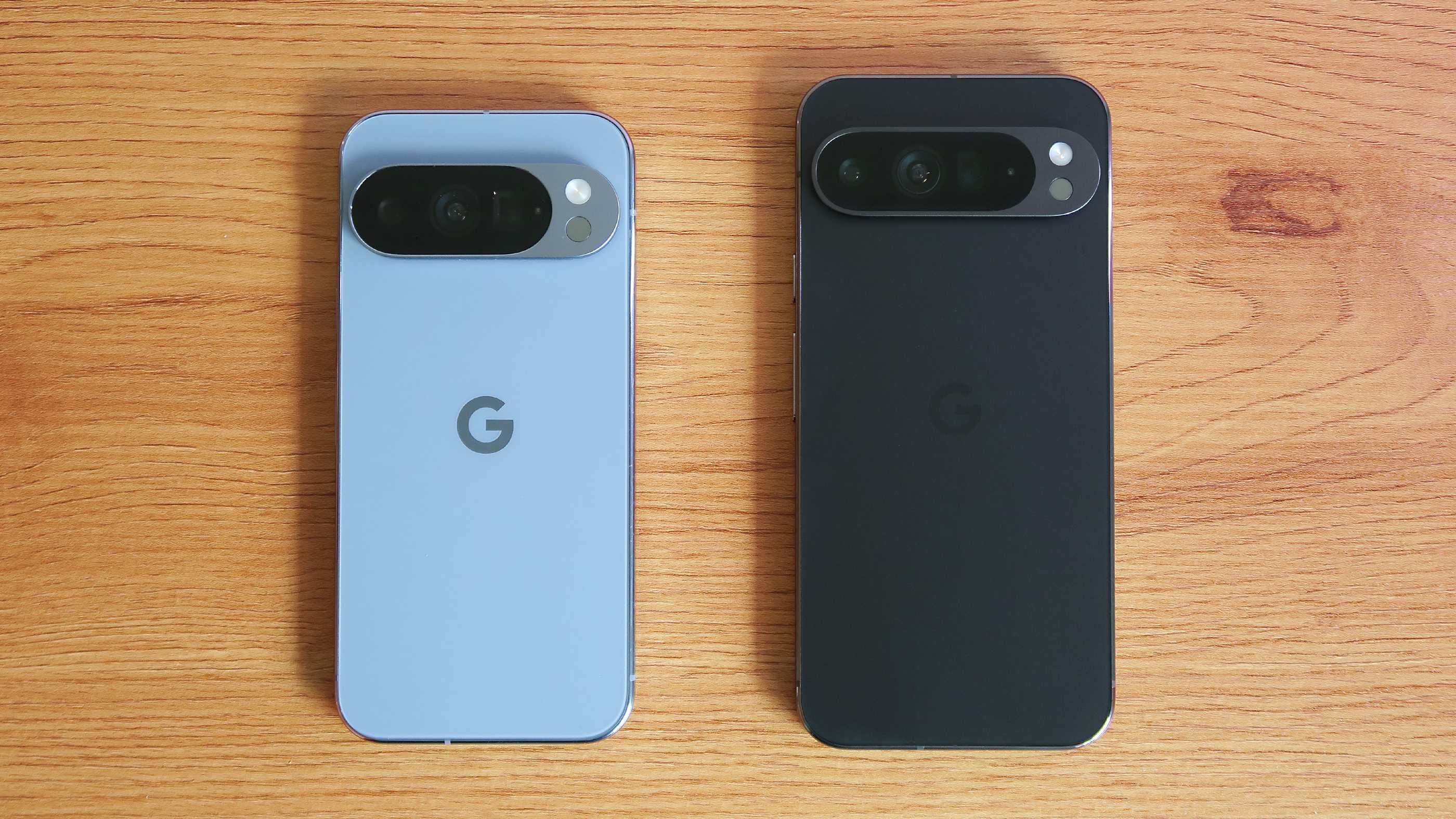
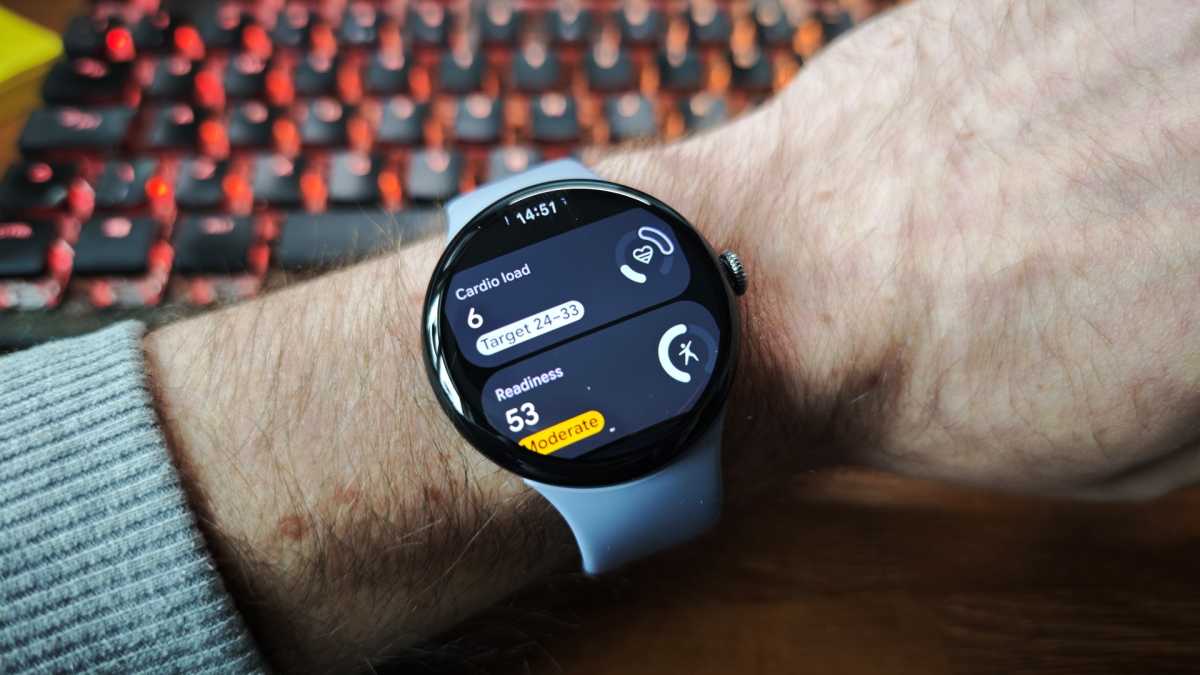
Again, this has been a staple of the Whoop Strap for years, closely followed by Oura, and we’ve seen different versions of the same concept elsewhere. Samsung and Google have had their own take on the idea since the Galaxy Watch 7 and the Pixel Watch 3, respectively.
The problem is, as someone who’s been testing the best smartwatches and the best fitness trackers for almost a decade, I am very much over the whole ‘readiness’ craze.
It’s time to rethink fitness tracking
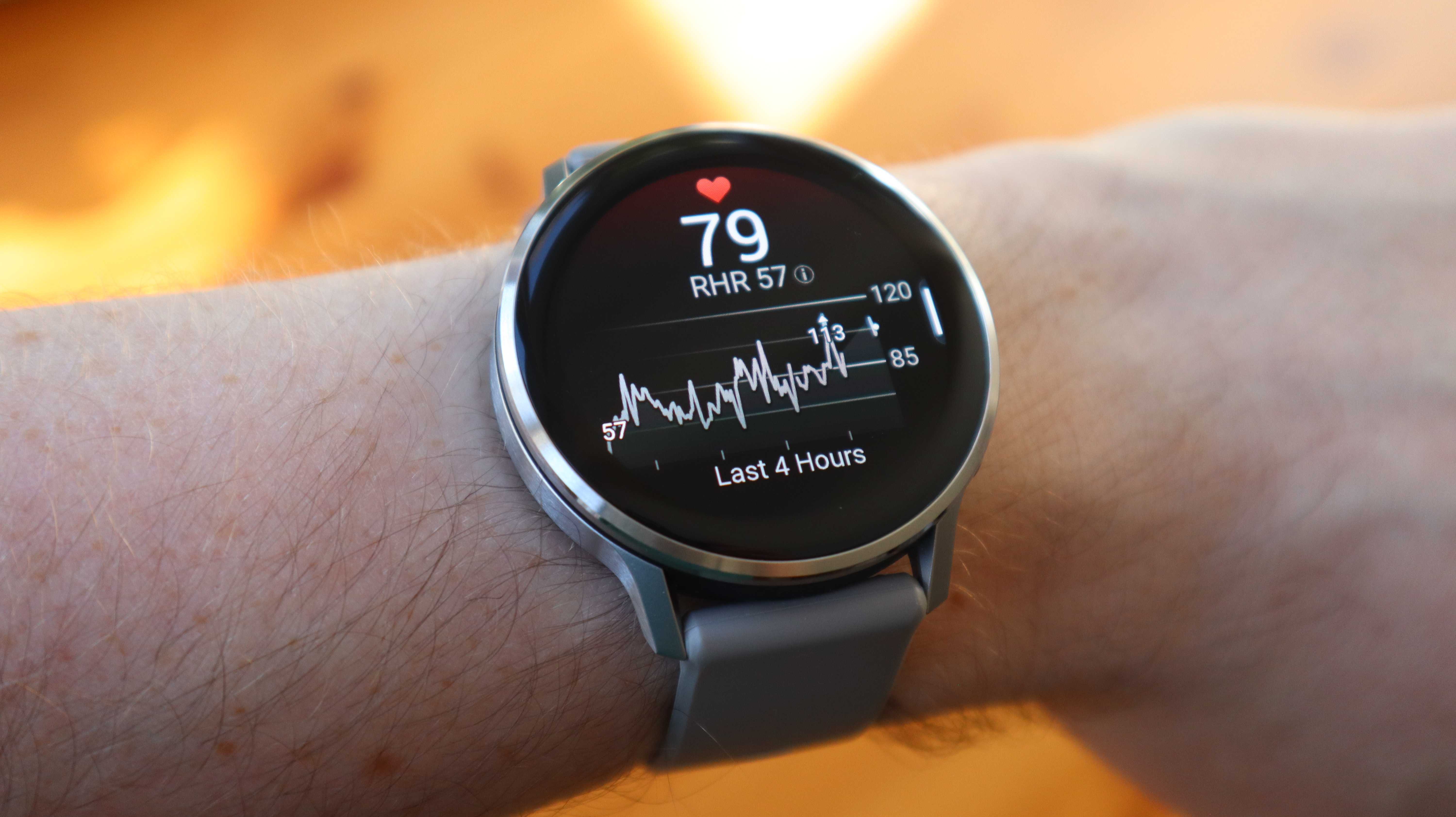
As a new parent, I’ve had to turn off all of the morning and evening reports on my Garmin Venu X1 because any alert telling me that I need more sleep or that I should hang back for the day is largely redundant. For me, if I actually manage to scrape some time together to get down to the gym, then I’m going to make use of that opportunity no matter what.
Even before becoming a dad, I still had a few instances of my Whoop Strap telling me that my body was ready to go when I felt awful, and vice versa. It’s not a foolproof system, and there are plenty of other accounts of users falling out of love with the concept.
What has become far more important to me are two features: baseline tracking and AI-driven coaching.
Chris Martin / Foundry
For baseline tracking, I’m referring to keeping tabs on my core metrics like skin temperature and respiration, the likes of which can indicate an oncoming illness if they’re showing signs that differ from the norm. It’s exactly what led me to cut out drinking after I saw the effects that alcohol was having on my sleep quality.
To its credit, Apple introduced this very feature a few years back with the Vitals app, but where Apple should be doubling down its efforts is with the all-new Siri AI.
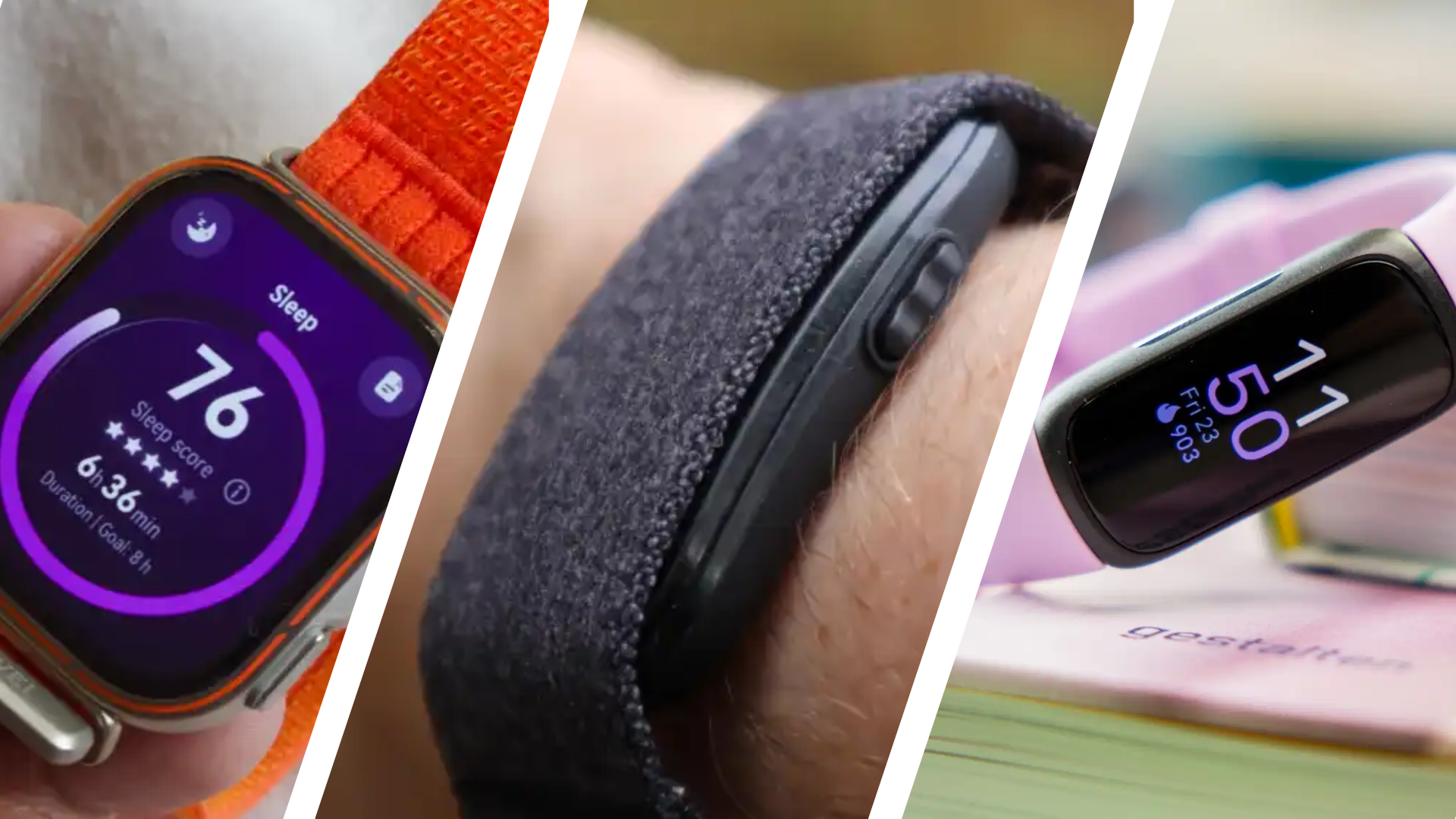
This revamped take on Siri, amongst other things, now lets you discuss workout ideas which you can then put into practice. It’s the same concept that I most appreciated during my time with the Fitbit Air and the Google Health Coach.
Thomas Deehan / Foundry
As any parent will tell you, your schedule can vary wildly from one day to another, so it was helpful to have access to software that acted like a personal trainer, giving me up-to-date advice on how I could still achieve my fitness goals when things get pushed around.
On the whole, the Apple Watch Series 12 does look like a fascinating device – particularly the ceramic model – and I’m looking forward to testing it out in the near future, but I can see myself turning off the readiness score from day one and never looking back.