Forget Galaxy and Pixel – TCL just made my dream display You Should Know
In 2026, I’ve become very picky when it comes to smartphone displays.
Samsung Galaxy and Google Pixel – my favourite Android phone brands – undoubtedly offer gorgeous, vibrant and incredibly detailed screens.
But they fall short in an area that’s increasingly important to me: eye health. As someone who spends several hours every day staring at my phone (who doesn’t?), I simply couldn’t ignore the frequent eye strain, headache and brain fog any longer.
However, I haven’t been able to find a device which ticks all the boxes – until now.
TCL to the rescue?
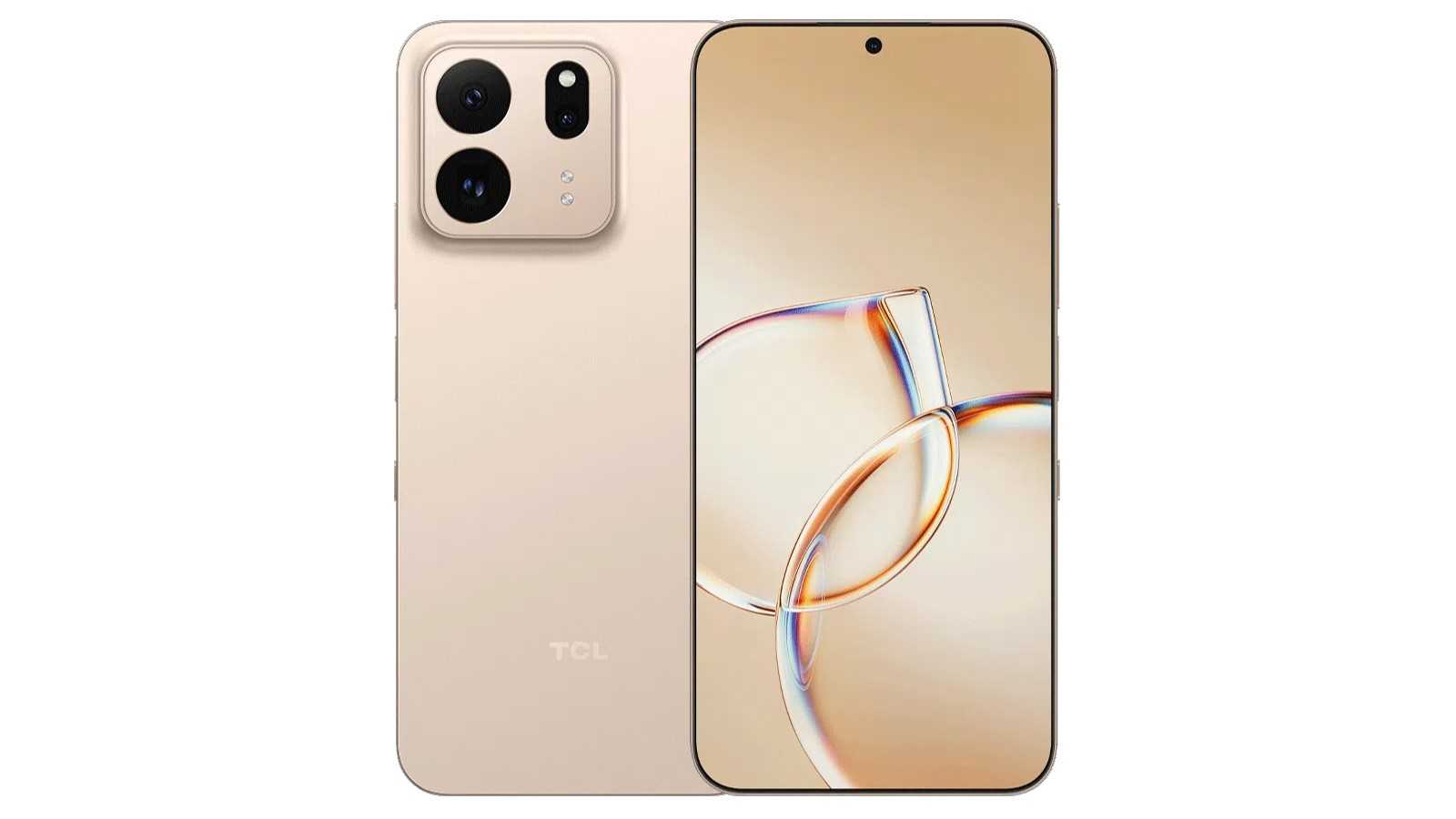
Launched at the IFA 2026 in Berlin, the TCL P80 Ultra sounds like any other phone released by the popular TV maker. Sure, it uses the ‘Ultra’ branding, but that’s not exactly a guarantee of top-tier quality these days.
So, why does it feel tailor-made for me?
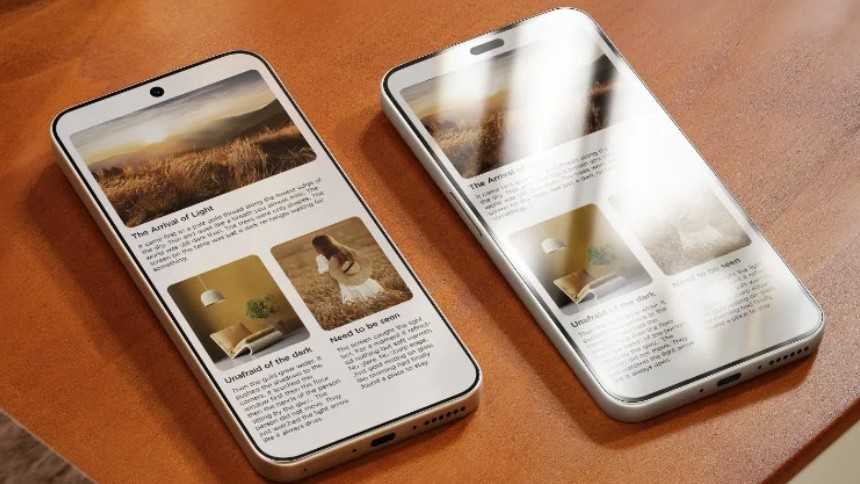
Firstly, it uses TCL’s proprietary ‘Nxtpaper’ technology. As the name suggests, it aims to simulate the look and feel of real paper via a matte coating that almost completely eliminates glare and harsh reflections.
TCL
I’ve tried this on previous Nxtpaper phones, and it’s the real deal. If you don’t trust me, display safety experts TÜV Rheinland has awarded the P80 Ultra its ‘Full Care Display’ certification, verifying that it’s effective at caring for your eyes. I really wish more brands – especially Samsung and Google – would follow TCL’s lead here.
Nxtpaper and OLED in one device
As part of this focus, the P80 Ultra retains TCL’s dedicated Nxtpaper Key on the side. This allows you to seamlessly switch from the regular colour experience to a stripped-back, black-and-white ‘Max Ink Mode’ to reduce distractions, essentially turning it into an e-reader.
“But don’t loads of TCL phones have the Nxtpaper feature?”, I hear you ask. And yes, the range is pretty extensive these days. But what none have been able to offer until now is the hallmark of a great phone display: OLED.
TCL
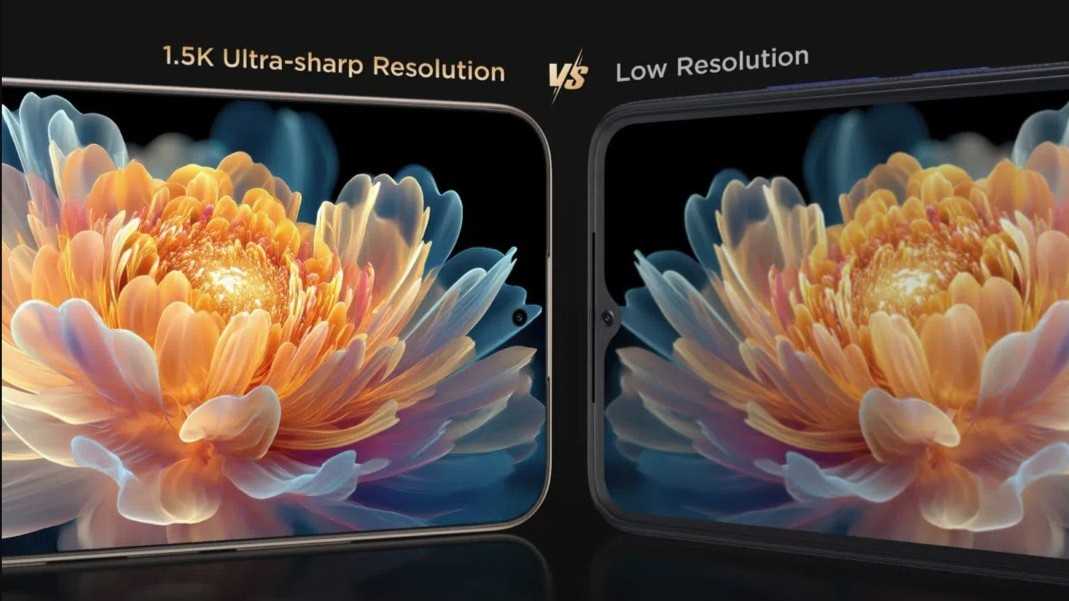
Basic LCD panels are fine, but they can’t quite match those rich, vibrant colours and deep blacks you get with OLED. Being able to get OLED and a reflection-free, eye health-focused display feels like such a luxury.
Eye strain and headaches – a thing of the past?
But there’s one last thing which I had to know: would it still give me headaches? After accidentally discovering that I was sensitive to PWM (Pulse Width Modulation) dimming, a feature on almost all OLED phone screens, I was concerned that the P80 Ultra would cause me major issues.
Luckily, TCL thought of that. The P80 Ultra has an incredible 3840Hz, putting it well out of the range for any risk to most people. By contrast, the Galaxy S26 Ultra and Pixel 11 Pro max out at just 480Hz – that’s firmly in the eye strain, headache and nausea danger zone.
TCL
Even then, it only defaults to PWM dimming when the brightness is low. At high brightness levels, it switches to the classic DC dimming, which has no effect on PWM-sensitive people.
The TCL P80 Ultra’s display is essentially the ultimate combination of gorgeous visuals and top-tier eye health. While specs elsewhere aren’t exactly top-tier, getting this calibre of display for just £480 feels like a steal.
It’s no surprise, then, that the P80 Ultra made it into our best of IFA awards. See what else made the list.