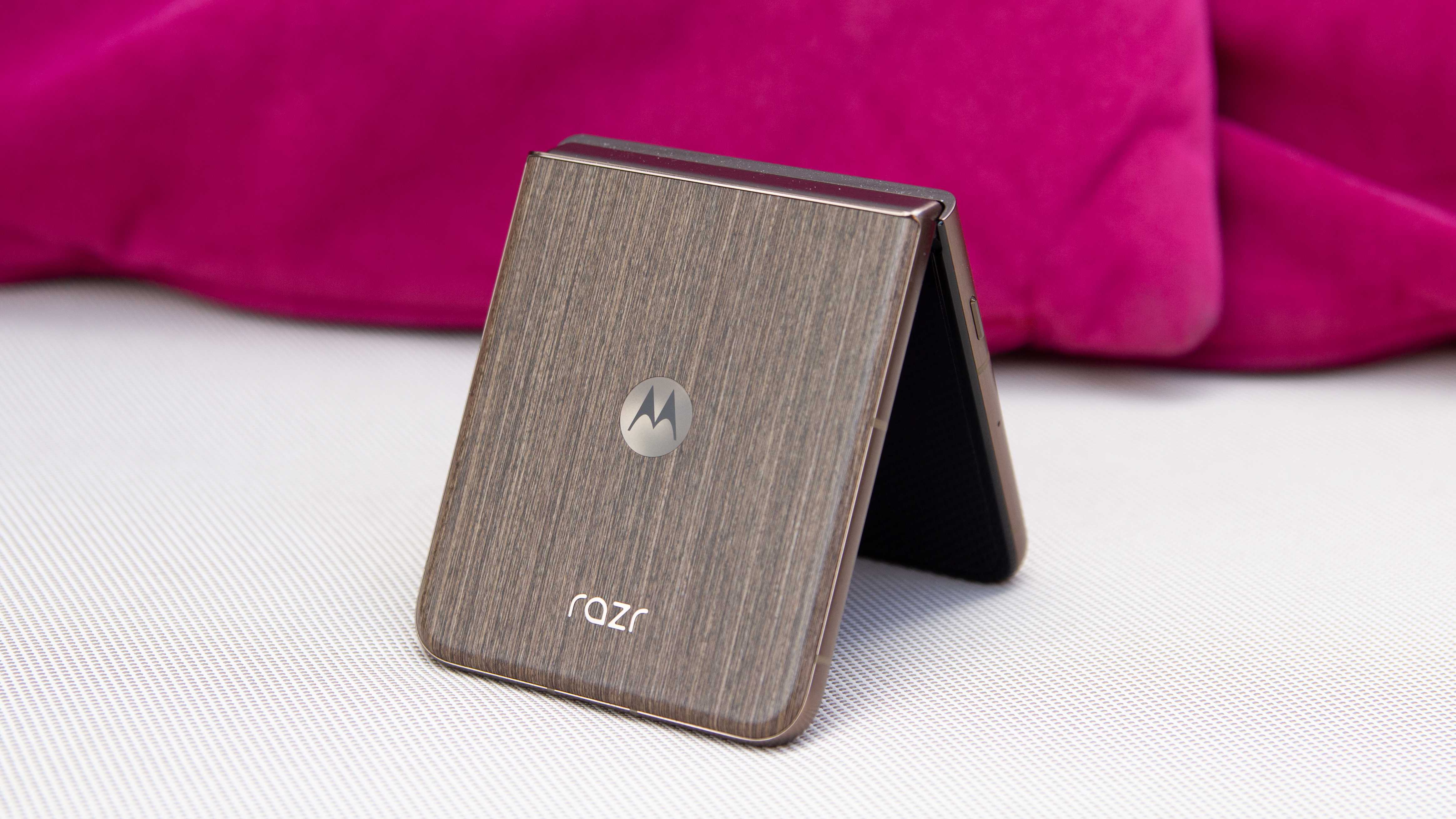
Motorola Razr 70 Ultra overview: If it ain’t broke?
At a glance
Expert’s Rating
Pros
- Stunning design and finishes
- Excellent battery life
- Fast charging
- Great cover display experience
Cons
- Software bloat and AI confusion
- Meagre upgrades
- Limited software support
Our Verdict
The Motorola Razr 70 Ultra remains one of the best flip phones around, and a tough match for the Galaxy Z Flip 8, especially with a gorgeous design and long battery life. But the new camera sensor isn’t the magic bullet that some expected, and while the price has increased, not many of the specs have changed. It’s a good flip phone, but Samsung has the opportunity to surpass it as best in class.
Price When Reviewed
This value will show the geolocated pricing text for product undefined
Best Pricing Today
Price When Reviewed
$1,499.99
Best Prices Today: Motorola Razr 70 Ultra

While Samsung takes most of the glory for folding phones, Motorola was right there with it in 2019 by reintroducing the Razr, resurecting the 2004 Razr V3 i a modern format. But the story of the Razr 70 Ultra (called the Razr Ultra 2026 in the US) really begins with the 2024 Razr 50 Ultra, because the design hasn’t changed significantly across the last three generations.
As I highlighted when I first saw the Razr 70 Ultra at Motorola’s US launch event, the specs also haven’t changed much compared to last year’s Razr 60 Ultra. At the same time, the number of colour options has been reduced, while the phone has got more expensive.
That makes it something of a hard sell: those with the Razr 60 Ultra won’t be looking to upgrade, while competition from Samsung’s Galaxy Z Flip 8 will be stronger than ever. But this isn’t about pure tech; Motorola want you to approach the Razr 70 Ultra as a lifestyle choice. And it might be onto something.
Design & Build
- Pantone Cocoa and Pantone Orient Blue finishes
- IP48 rated for water and dust resistance
- 7.2mm thick (open) and 199g
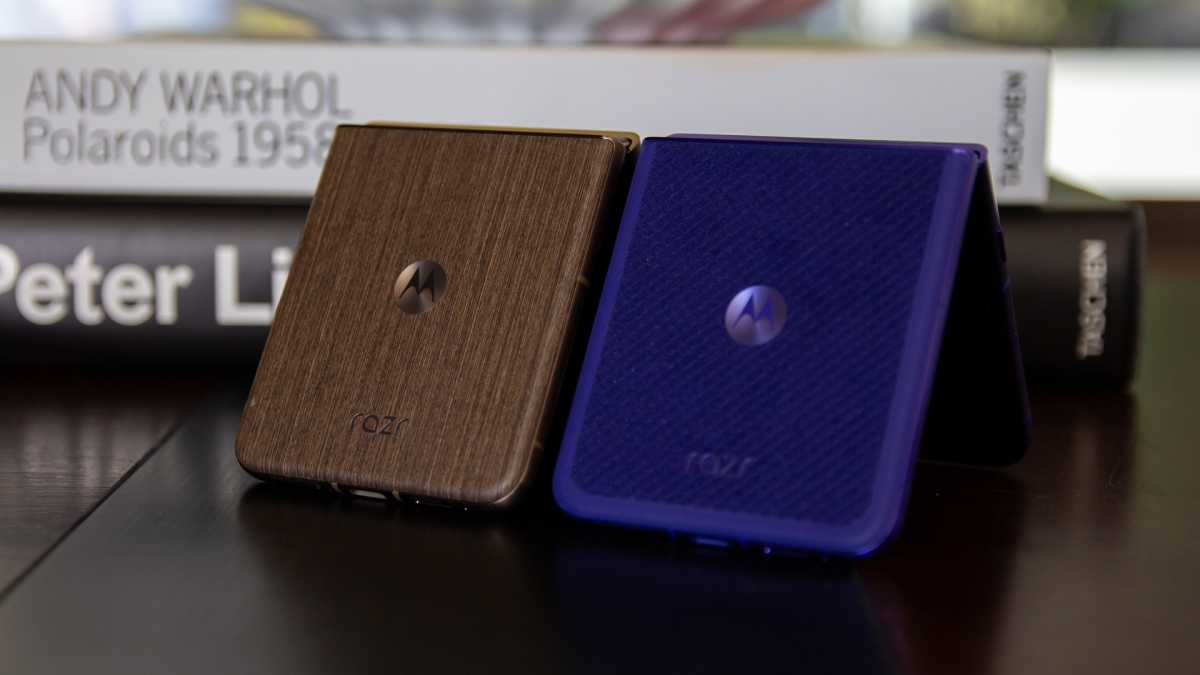
Put the Razr 70 Ultra alongside the Galaxy Z Flip 7 and Samsung’s phone looks a little sharper with its flattened edges, while it’s also thinner and lighter. But while Samsung offers an industrial design, Motorola is targeting a different crowd. The curved frame imparts a softer feel, while the use of materials like wood veneer and Alcantara is unique.
Motorola has built a reputation for using anything but plastic and glass on its phones, and thanks to the ongoing partnership with Pantone, we’re spared boring colours. That leaves us with Pantone Cocoa – the first properly brown phone I’ve used – and Pantone Orient Blue, with its strokable soft Alcantara finish.
this real wood finish looks and feels great. It turns heads, it stands out
Chris Hall / Foundry
However, those are our only two colour options. The rest of Motorola’s smartphone range tends to offer a lot more choice, but I’m not complaining.
Just as we found with Mountain Trail on the 2025 Razr Ultra, this real wood veneer looks and feels great. It turns heads, it stands out – and folding phones still garner attention from friends.
The IP48 rating means there’s protection against water ingress, but it’s not fully dust-proof. That means it’s fine if you get caught in a summer downpour; not so good if you drop your phone on a sandy beach.
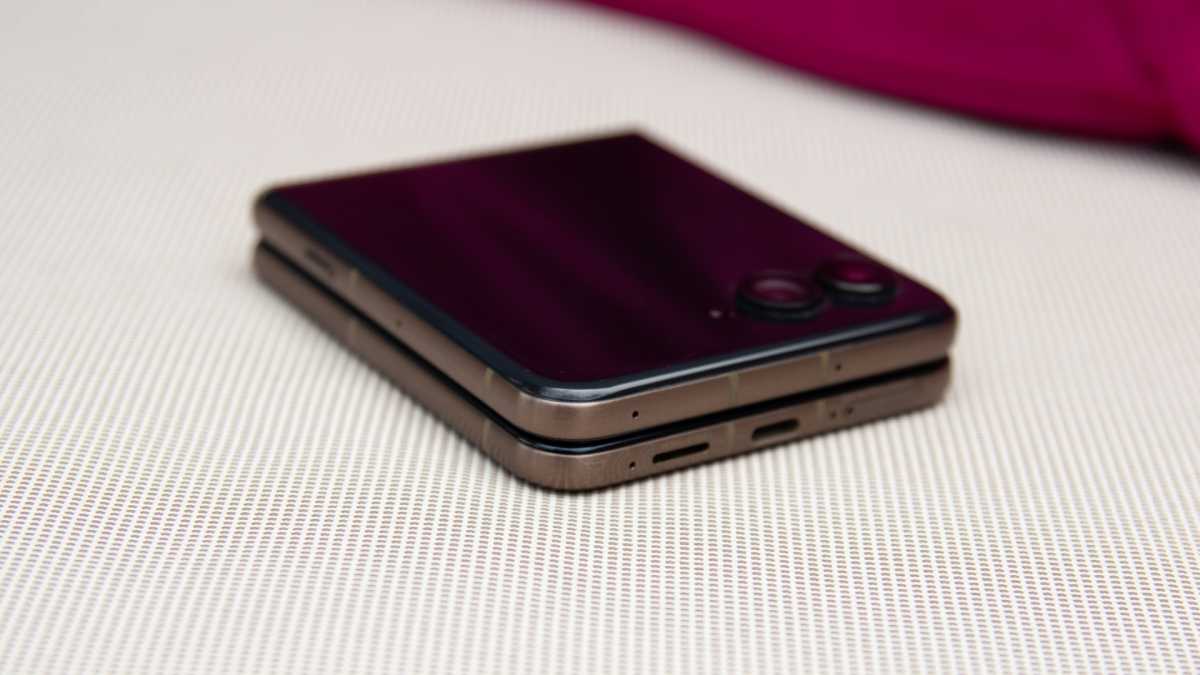
The phone itself feels solid, with a reassuring sturdiness to the hinge, and I’ve mastered the art of opening it one-handed. The power button, which doubles as a fingerprint sensor, falls naturally under my thumb for rapid unlocking. It’s been perfectly reliable throughout testing, whether the phone is open or closed.
Chris Hall / Foundry
On the opposite side of the frame, there’s an AI button, just like you’ll find on the 2025 model. It also can’t be used for anything other than accessing Moto AI features – more on that in the software section.
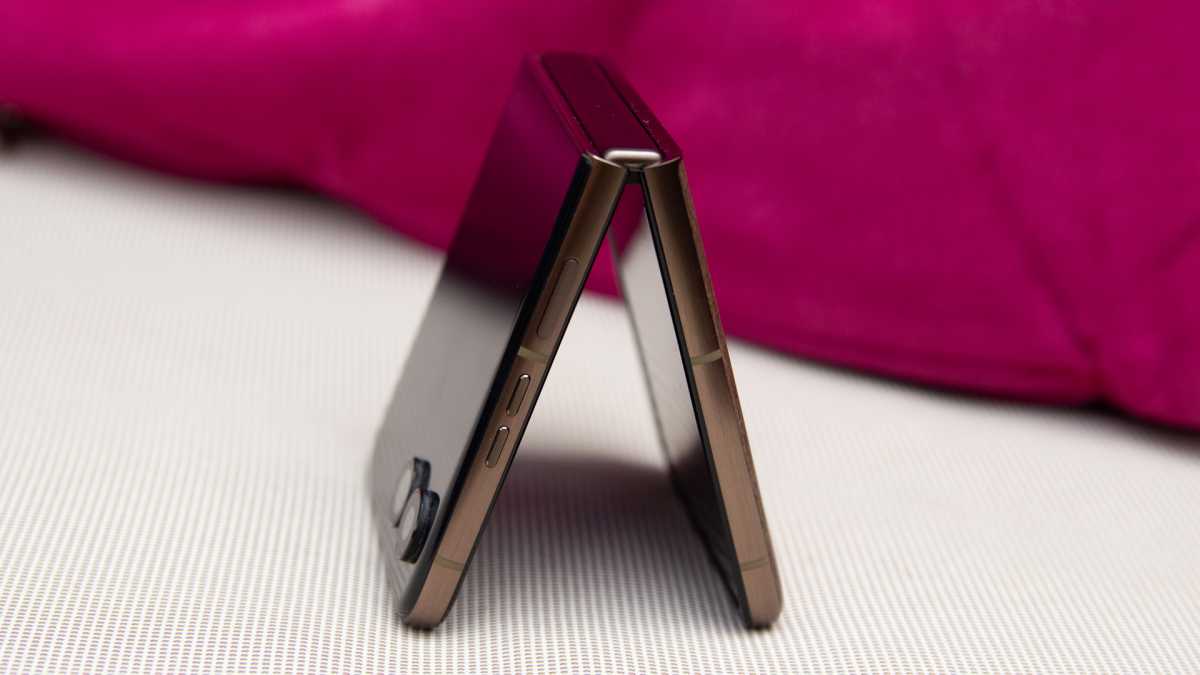
Folding 15.7mm thick, the 199g phone slips easily into a pocket or bag – it’s slightly more compact than carrying a traditional candybar device. While not quite as svelte as recent Galaxy Z Flip models, Motorola has managed to keep the weight the same while increasing the battery capacity, which is no mean feat.
Screens & Speakers
- 6.96-inch AMOLED display with 165Hz refresh rate
- 4.0-inch AMOLED cover display with 165Hz refresh rate
- Stereo speakers
The 6.96-inch folding display at the heart of Motorola’s flagship flip phone is much the same as it was before. It’s a little brighter now, offering a claimed peak brightness of 5000 nits, though I doubt you’ll notice. It’s easy to see outdoors, even in direct sunlight, at 5000 nits.
It offers a 165Hz refresh rate and it packs in 2992 x 1224 pixels. It has a 22:9 aspect ratio which is a little tall compared to typical phones and it’s definitely big. Samsung’s screen is a little shorter at 6.9-inches and a little wider for a 21:9 aspect.
That might lead some to find that the Moto screen is a little too tall, but I didn’t find that to be a problem – and it’s pretty much par for the course for a flip phone of this type.
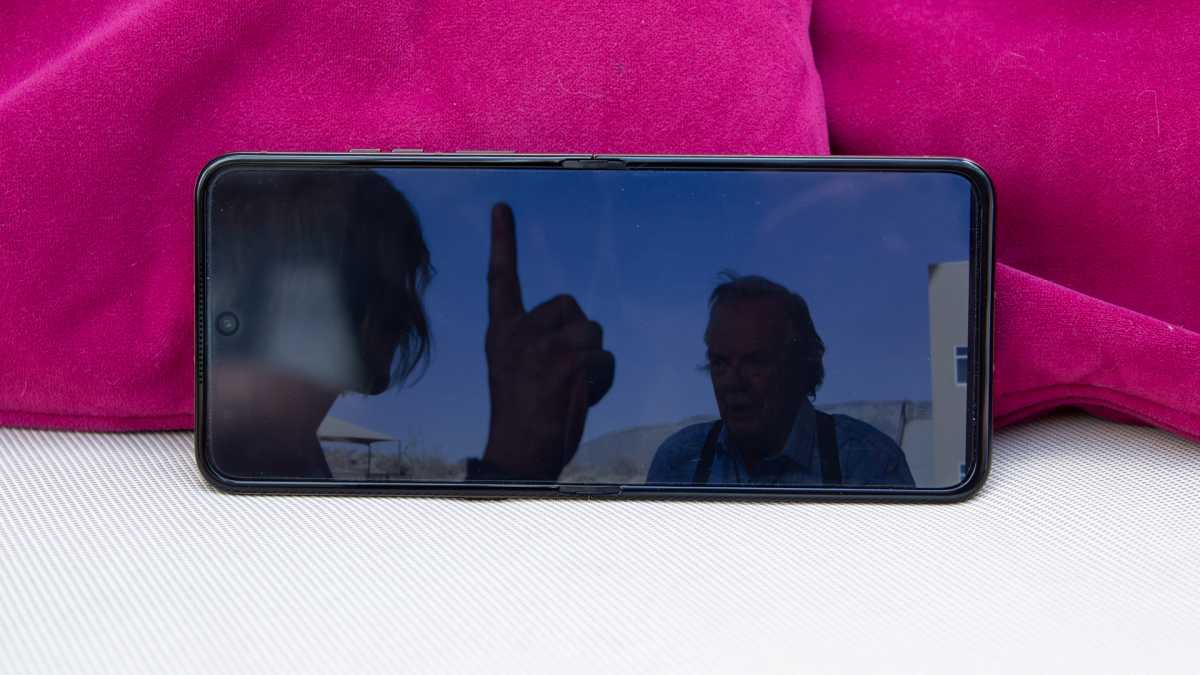
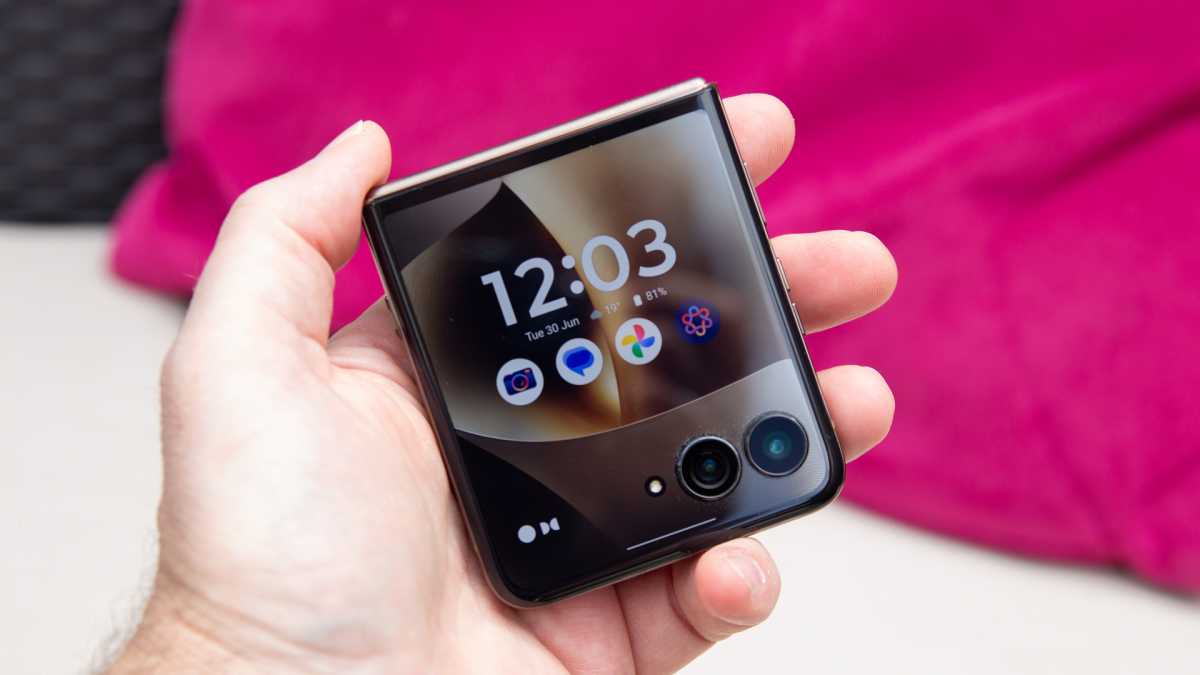
The cover display is a delight; it’s bright, vibrant and fills the top of the phone
Chris Hall / Foundry
The aspect ratio lends itself wonderfully to movies shot in a cinematic aspect, like Pluribus on Apple TV, but don’t get too excited about the 5000 nits brightness. In high brightness mode (what you’ll get on a sunny day), you’re looking at 2000 nits, with higher peak brightnesses reserved for HDR content.
That comes through in Google Photos when looking at Ultra HDR images, while the camera will also capture Dolby Vision – which looks great on that display. But you still won’t make it to 5000 nits, because although Dolby Vision and HDR10+ (both supported for playback) support over 5000 nits, nothing is mastered to that sort of peak brightness.
I hate to be the bearer of bad news, but you’re also unlikely to use the 165Hz refresh rate either, which is mostly reserved for beta apps and games. If you’re after a high-performance display for gaming, you’re better off with something from Redmagic, as softer folding screens don’t hold up well to the pressures of gaming.
Then we have the crease: this is still visible, especially in sunlight and easy to feel when scrolling content over it. While some will complain, it’s not something that bothers me – after all, this is a display that folds, you can’t expect it to be on a par with solid devices. What I’m less happy about is that the plastic layer on the surface of the screen is prone to fingerprints and doesn’t handle reflections as well as normal glass surfaces. Again, it’s a compromise you have to be willing to accept on a folding phone.
Chris Hall / Foundry
The cover display is a delight; it’s bright, vibrant and fills the top of the phone, just as it has on the last two iterations of this device. Little has changed there, while it still offers much better utility than Samsung’s Galaxy Z Flip. While both have a similar design, wrapping around the cameras (which are prone to getting dust around the lens barrels), Motorola allows much better use of the screen.
That means you can launch apps, check your notifications, do your messaging and that’s on top of a handy set of widgets for things like music, the calendar and so on. There’s more customisation and more options than rivals, so I think it’s the best experience on a phone of this type.
There are stereo speakers on the Razr 70 Ultra and they’re fine. They purportedly offer Dolby Atmos, but this is a phone so don’t get too excited about that claim. I found they offered sufficient volume for ad hoc listening, but they aren’t the best that you’ll find on a phone. I’d stick to headphones if you really want to enjoy your music and movies.
Specs & Performance
- Qualcomm Snapdragon 8 Elite
- 16GB RAM
- 512GB storage
The thing that makes the Razr 70 Ultra harder to swallow considering the £100/$200 price increase is that it sits on the same core hardware as the 2025 phone. Snapdragon 8 Elite isn’t to be sniffed at, it’s powerful flagship hardware, but it’s a year out of date. While that might deter some buyers and send them back to the older phone, it’s important to put that into context.
Motorola is very much pitching the Razr as a fashion device. At the launch in Los Angeles, brand ambassador Paris Hilton led a fashion show and DJ set. There’s a good chance that the buyers that Motorola wants to appeal to aren’t going to be upset that it doesn’t offer the boosted GPU or NPU of the latest hardware.
There’s something in that too: as I mentioned in the display segment, folding phones aren’t great for gaming because of the display type, so missing out on some of that power is probably irrelevant. I still won all the games of Call of Duty Mobile that I played, but to be honest, for hardcore gaming I’d definitely look elsewhere.
It feels like a flagship phone because ultimately, that’s what it is
Chris Hall / Foundry
Some of that comes down to cooling: most phones have some sort of cooling mechanism and gaming phones (and even flagship devices like Galaxy S26 Ultra) make a big deal of fancy cooling systems. Under pressure, the Moto Razr 70 Ultra gets warm quickly and ultimately, that will limit performance over time. When trying to run Tech Advisor’s standard benchmarks, the Razr 70 Ultra got incredibly hot and then shut the test down.
As it is, the benchmarks for the Razr 70 Ultra are close to the Razr 60 Ultra, so it’s reasonable to expect similar smooth and fast performance, which in daily use is exactly what I got. It feels like a flagship phone because ultimately, that’s what it is.
Motorola Razr 70 Ultra benchmarks
Cameras
- 50Mp, f/1.8 LOFIC main
- 50Mp f/2.0 ultrawide
- 50Mp f/2.0 internal selfie
Motorola’s headline change is the move to a LOFIC sensor for the main camera – it’s not the first smartphone to offer this technology, but it’s the first time in a folding phone. The claim is that you’ll get up to six times the dynamic range from the sensor, better for preserving highlights and boosting the overall performance.
In daylight the Razr 70 Ultra produces rich and vibrant images, a touch more saturated than what I saw, but with a little more bite as a result. Generally, I found the results to be good in good conditions – and maintaining much of that when shooting in lower light.
Chris Hall / Foundry
There’s no telephoto camera here, with all the zoom coming digitally. That’s fine if you tap the 2x shortcut in the viewfinder, but once you step beyond that, the quality drops off rapidly. Rather than just leave you with degraded images, Motorola is using AI to enhance zoom in the background, resulting in photos that don’t look realistic once there’s more than a hint of zoom in them. I couldn’t find a way to switch this off, but my advice would be to not step much over the 2x zoom, as the results don’t look great.
The ultrawide is high resolution and generally offers good tonal consistency with the main camera, so there’s no radical shift in colours when moving between lenses. It also doubles up as a macro lens, but can look a little washed out when used like this. The ultrawide shows some stretching towards the edges as would be expected, but generally produces good images in daylight.
One of the interesting features that Motorola added is called Frame Match
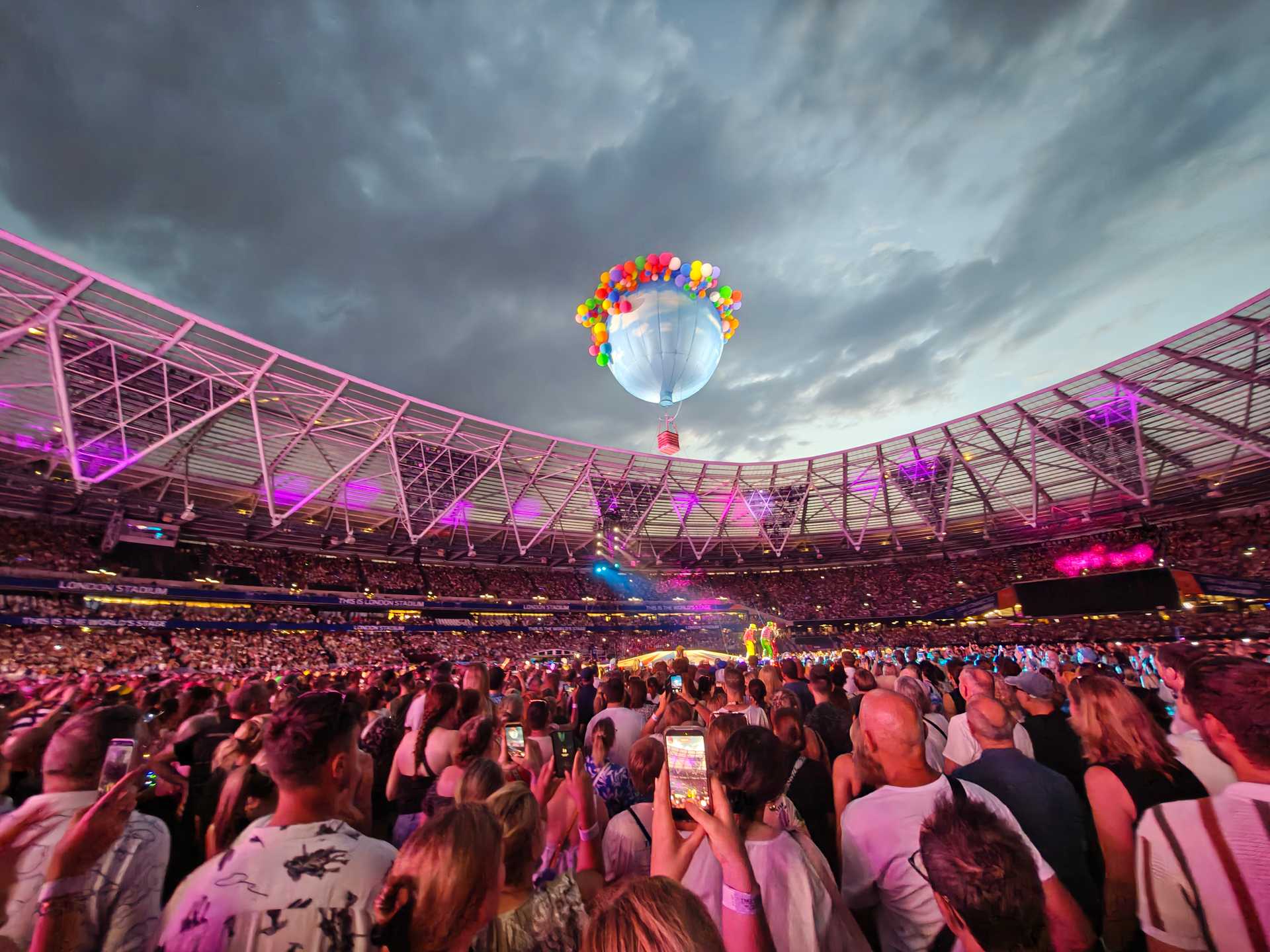
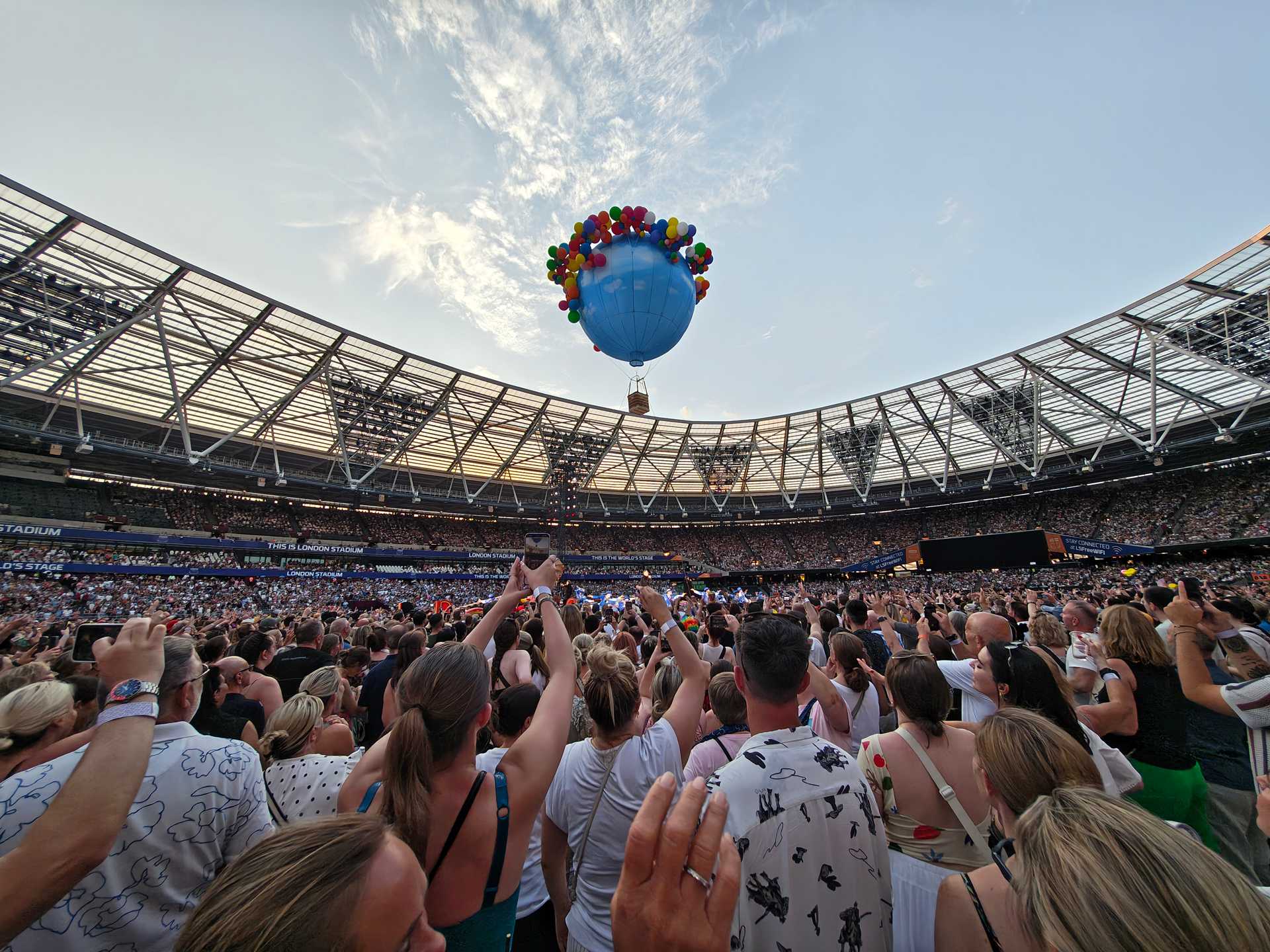

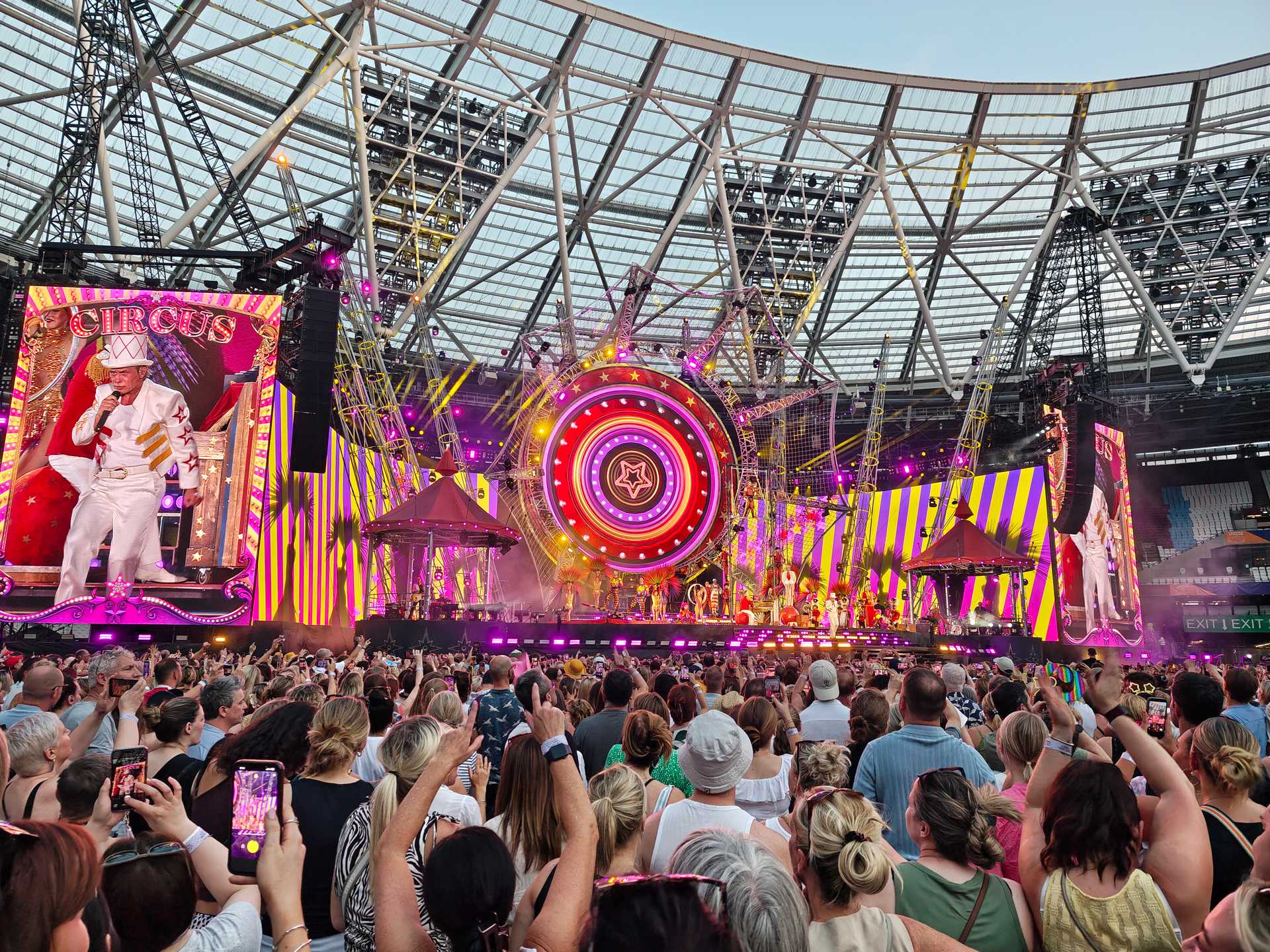
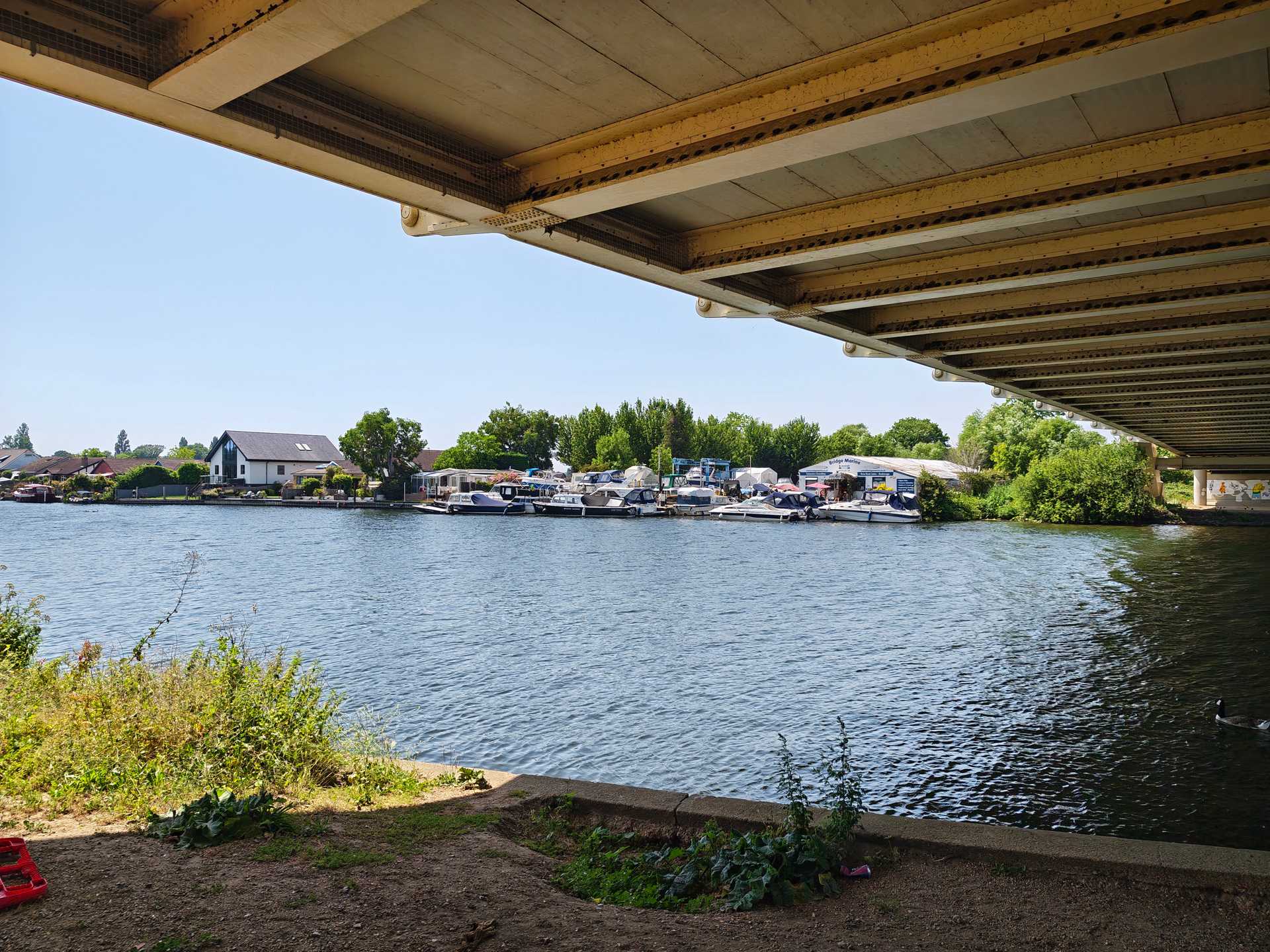
When used in low light, the ultrawide camera is weak, with only the centre of the frame really capturing the scene, with the edges dark and mottled like a heavy vingette. For low light shots, stick to the main camera for the best results.
The selfie camera suffers partly as a result of being under the plastic screen layer (so needs regular cleaning) but I found it to be wildly inconsistent, often over exposing in bright conditions and producing poor selfies. There’s also the option to use the main camera, although I’ve sometimes found my selfies not looking quite the right tone – despite the Pantone Verified status – although the quality is much better.
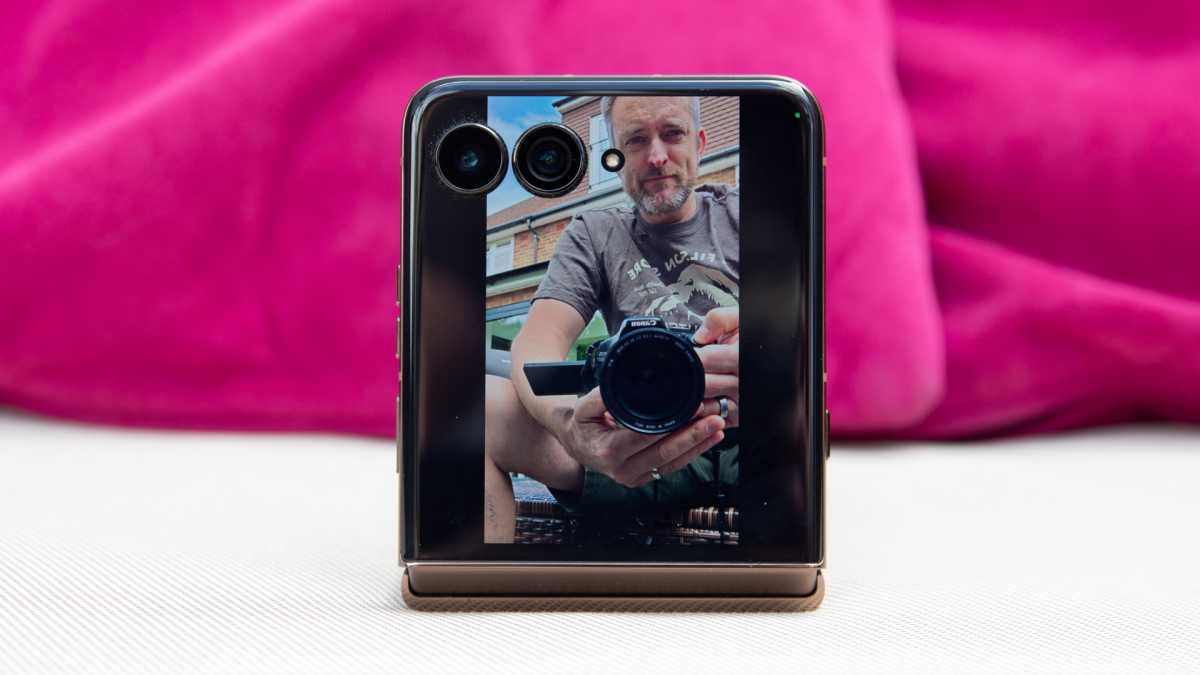
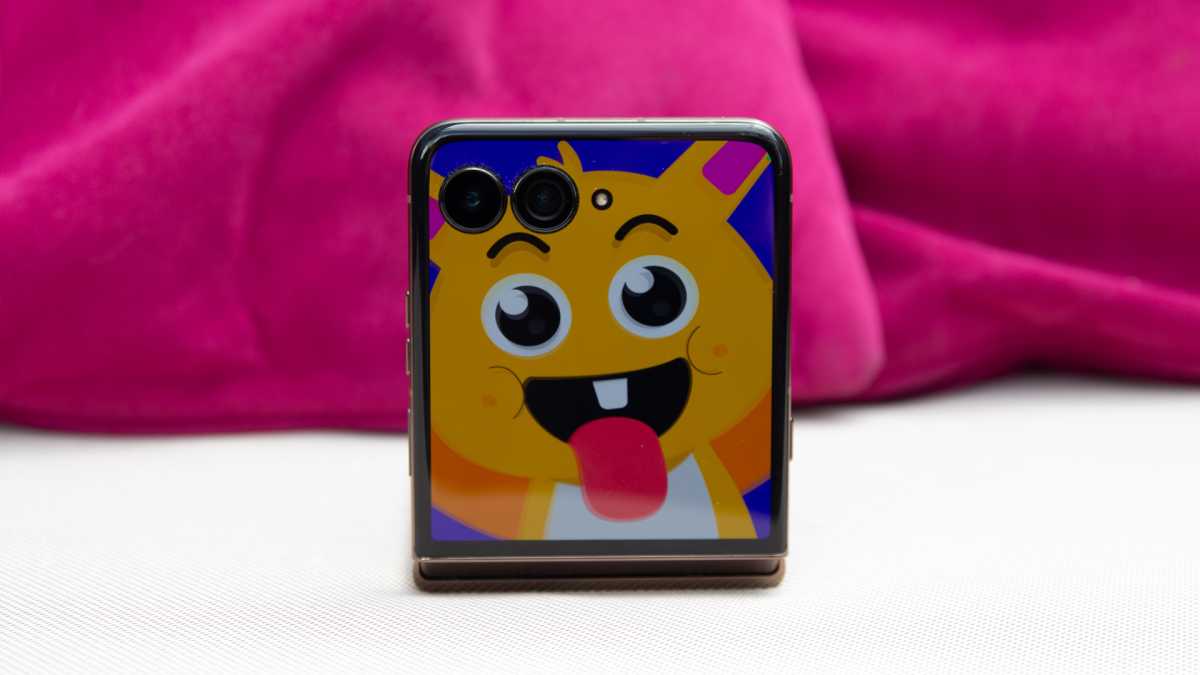
The cover screen can also be used to preview images after taking and you can also show cartoon characters to keep people looking in the right direction when taking their picture.





One of the interesting features that Motorola added is called Frame Match. This is for those moments when you want to get a picture of yourself with the perfect background and have to hand your phone over to someone else. In this instance, you take the photo you want, which creates an overlay, say with a mountain in the background. Then you hand the phone over to someone and step into the image – the new photographer than lines up the overlay and snaps the image with you in it.
This means you’re getting the image you want, rather than the whatever the random stranger shoots, although good luck explaining that to someone in another language! Perhaps you can use some fancy AI to translate, although, who has time for that?
Video comes in at up 8K/30fps, but Dolby Vision capture is limited to 4K 30fps. There’s a visible difference between Dolby Vision video and standard, although you need a Dolby Vision display to see those differences – it looks much more contrasty than standard content and typically darker to allow for the HDR effect to have an impact.
Then there’s the fun of Camcorder Mode where you can half open the phone and hold it like a camcorder. You can also zoom with a rotation, which works really well if you take it slow. However, the horizon lock feature that’s offered relies on perfect light, otherwise it downgrades the image quality significantly.
Battery Life & Charging
- 5000mAh battery
- 68W wired charging
- 30W wireless charging
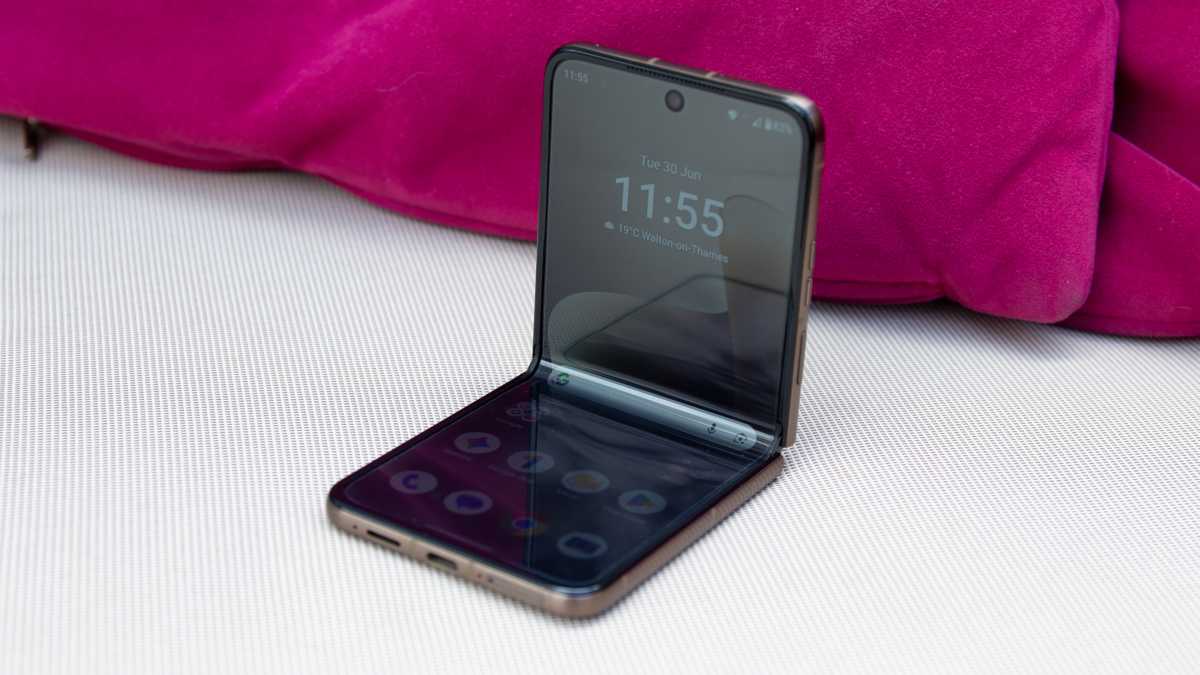
The big sell for spec hunters is the move to a 5000mAh silicon-carbon battery. This not only increases the stamina over the previous device, but it also trumps Samsung’s Galaxy Z Flip 8 at just 4300mAh. That left me feeling happy that the phone would get through the day without me needing to charge.
I’ve been using the phone for a couple of weeks and found it will last from dawn till dusk without issue – even with plenty of downloads and camera testing, it still made it through to bedtime, which is exactly what you need from a folding phone.
you’d need a proprietary charger to support that and Motorola doesn’t sell one
Chris Hall / Foundry
That’s backed up with Motorola’s 68W TurboPower charging, which will charge the phone in no time at all. I found I got from 0 to 51% in 30 minutes – which is faster than most rivals. There’s no charger supplied, however, but I tested it with a 100W Anker charger that worked a treat.
There’s also support for 30W wireless charging, although you’d need a proprietary charger to support that and Motorola doesn’t sell one. It says it would need the “Motorola 30W Wireless Charger”, but I can’t find anywhere that sells it.
Software & Support
- Android 16 with Hello UI
- Moto AI with AI button
- 3 years of OS updates, 5 years of security patches
I’ve been a little harsh on Motorola of late, as its phones have drifted from cheap alternatives to the clean Pixel experience, sticking close to stock Android, into something else. The advent of Hello UI, and the birth of Moto AI, has changed the nature of Moto devices – and that’s exactly the same for the Razr 70 Ultra.
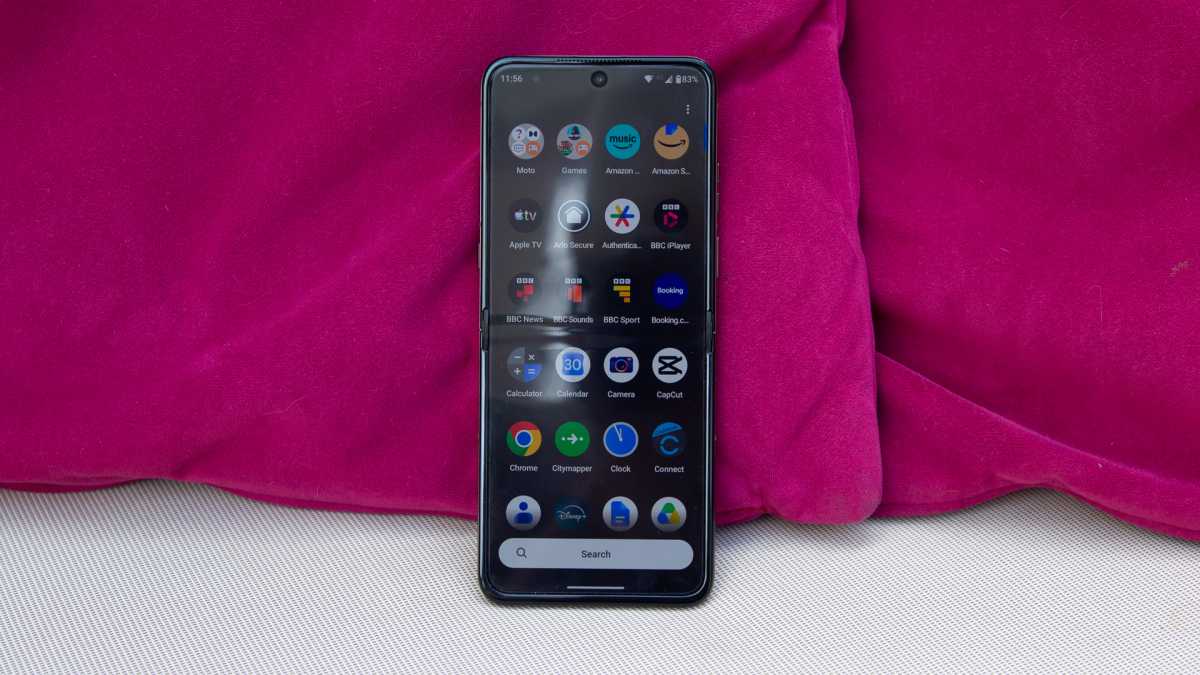
From the off, you’re faced with suggestions for app installs, through setup and then once the phone is running. Motorola also tries to put suggestions in the apps tray, as well as putting game recommendations in Gametime, its gaming companion. You can say no to everything, but some bloatware is still preinstalled.
Thankfully, it can all be removed and most of the recommendations and suggestions turned off. After a week of use, I was prompted to install some of the apps I’d removed, which is a little annoying.
while AI is the hot topic of the moment, it’s hard to see anything novel here that Gemini doesn’t already do
Chris Hall / Foundry
Otherwise, much of the phone behaves like stock Android, except for the apps tray. Here, rather than just listing apps for you to select, Motorola attempts to insert a newsfeed full of spammy stories, as well as changing the search functions to be more universal – and rolling in Moto AI here too.
This make searching for apps slower and if you choose to access Moto AI here, then that’s slower than using something like Gemini. Moto AI offers Perplexity, CoPilot and Gemini features, but it feels like a bit of a muddle. The AI button only offers access to Moto AI features, it can’t be used for anything else. I’d prefer to use it to launch Gemini, but that’s not an option – that is only offered through the power button.
But much of this can be avoided if you know your way around Android and that makes the experience better than what comes out of the box – while AI is the hot topic of the moment, it’s hard to see anything novel here that Gemini doesn’t already do.
Chris Hall / Foundry
Finally on software, Motorola has extended the support for this phone slightly, but has only committed to 3 years of OS updates, but extended security updates to 5 years – which is better than the Razr 60 Ultra. Even so, it’s easy to point at Samsung’s 7 years of updates and say that Motorola falls short.
Price & Availability
The Razr 70 Ultra costs £1,199 (or $1,499 in the US where it’s called the Razr Ultra 2026). This means it’s at the more expensive end of the flip phone market, but you’d expected as such from an ‘Ultra’ level.
In comparison, the Samsung Galaxy Z Flip 8 comes in slightly cheaper at £1,149/$1,199 but this entry-level model has 256GB of storage whereas Motorola gives you double that. Sammy’s equivalent is £1,319/$1,399 and still comes with less RAM too, at 12- compared to 16GB.
It means the Razr 70 Ultra is good value even though it can’t be described as affordable. You can buy it from Motorola where you’ll also get free Moto Buds Loop and damage protection for £1 at the time of writing. In the US, you get the same earbuds and a free Moto Watch.
Should you buy the Motorola Razr 70 Ultra?
The Motorola Razr 70 Ultra remains one of the best flip phones available and I’d choose it over the Galaxy Z Flip 7 and Galaxy Z Flip 8. Motorola offers unique colours and finishes, and although the design is now a couple of years old, that it has a bigger battery without gaining weight is impressive.
I like the displays – and rate the cover screen experience as the best out there – while the phone has plenty of power, with stamina to match. The cameras aren’t that exciting but work well enough for most users.
All-in-all, it offers a great flip folding phone experience, once you’ve taken the time to uninstall the bloat and turned off the intrusive recommendations.
Specs
- 4-inch, 165Hz Full HD AMOLED cover display
- 6.96-inch, 165Hz Full HD+ AMOLED main display
- Qualcomm Snapdragon 8 Elite
- 16GB RAM
- 512GB storage
- 50Mp, f/1.8 LOFIC main camera with OIS
- 50Mp, f/2.0 ultrawide camera
- 50Mp, f/2.0 selfie camera
- 5000mAh battery
- 68W wired charging
- 30W wireless charging
- 5W reverse wireless charging
- Stereo speakers
- IP48 water and dust resistance
- Gorilla Glass Ceramic (cover screen)
- 5G
- Bluetooth 5.4
- 171.48 x 73.99 x 7.19 mm (open), 88.12 x 73.99 x 15.69 mm (closed)
- 199g
- Android 16
- Launch colours: Pantone Orient Blue, Pantone Cocoa