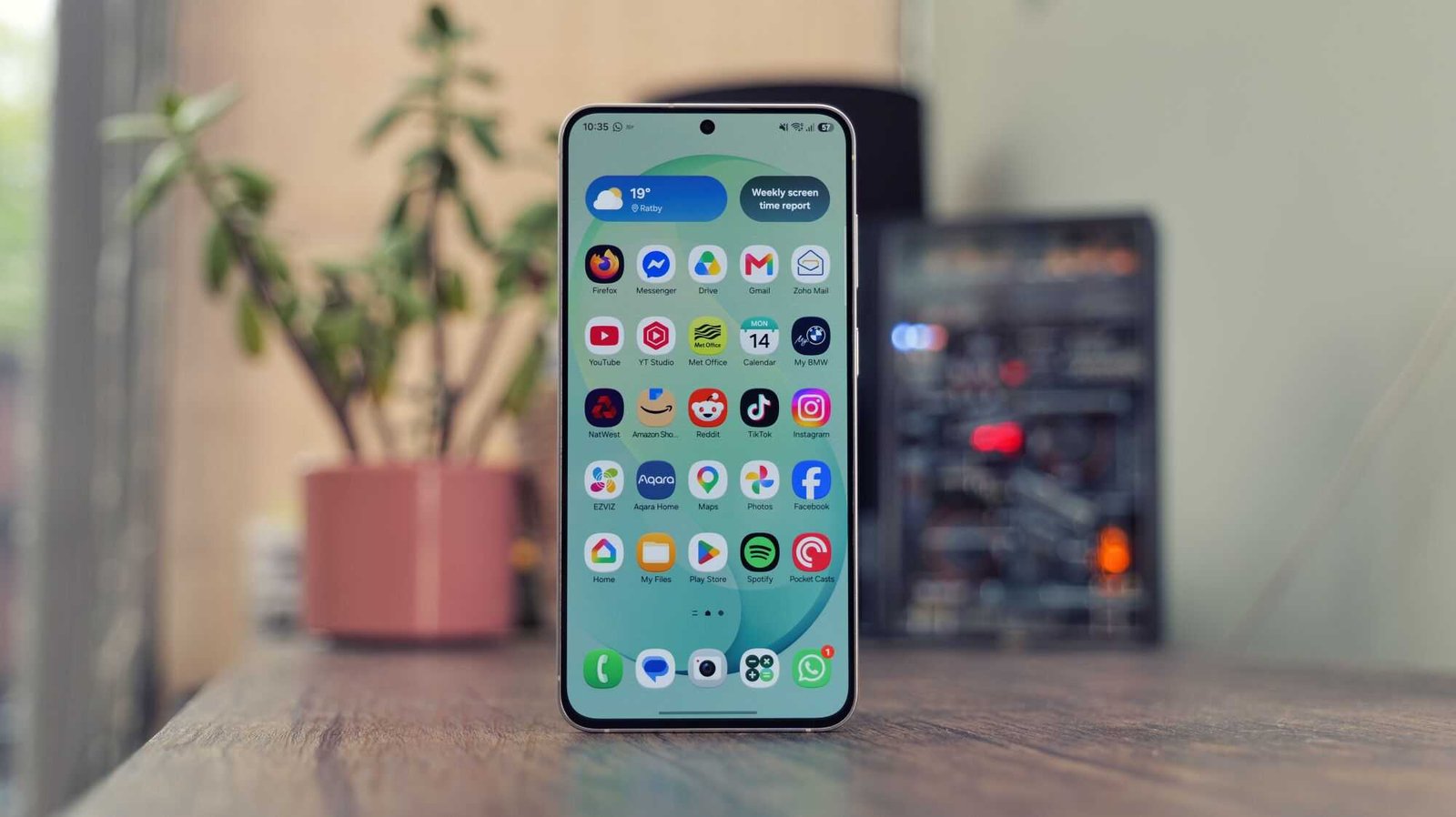
One UI 10 could kill app icons. The world isn’t ready
Samsung is reportedly planning a radical overhaul of its Android-based One UI, and I’m not sure it’s a direction I’m happy with.
With AI embedding itself into almost every area of our online world, there’s an argument that the current setup of moving between apps could soon be outdated. Samsung seems to think so, but I’m more than a little sceptical about this proposed One UI 9 follow-up.
Nokia Power User has published a report, seemingly based on a tip-off from a source “deeply embedded within Samsung’s software engineering and R&D divisions”, suggesting that One UI 10 could represent a major sea change in the company’s approach.
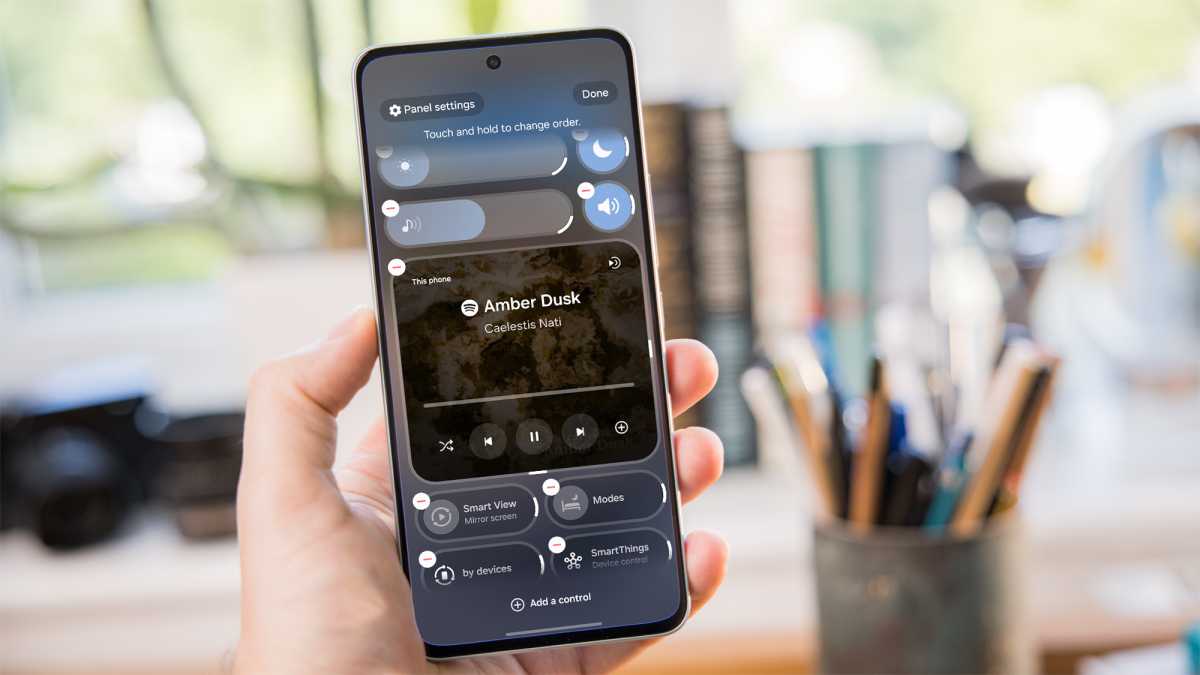
Foundry
Rather than the usual spit-and-polish job that new mobile UIs have come to represent, this one could be quite significant.
The biggest ever changes to Samsung phone software
“Samsung is looking to completely rewrite how users interact with their screens,” claims the report.
Established Samsung tipster Ice Universe has backed this claim up.
One UI 10 will supposedly move away from the traditional app icons and grids that have typified the mobile experience ever since Apple laid out its vision for iPhone OS (now iOS) back in 2007.
Rather than juggling multiple siloed apps, One UI 10 will apparently fluidly combine multiple data points, presenting calendar entries, location-sensitive insights, communications and more.
Samsung is also said to be looking to remove all those labyrinthine menu layers from the equation, reducing the number of taps required to execute a task. Device handoff, too, is intended to be a totally seamless experience.
What’s next for smartphones?
On a surface level, this seems to be the logical direction of travel for the industry as we move towards a post-smartphone world.
Whether you welcome them or not, AI assistants have started to take over many of our daily tasks and are widely projected to essentially become the platform itself over time.
What’s surprising here is the suggestion that Samsung is going to be the first mover towards something radically different. Is the company really the best equipped to lead this new era of smartphones?

Peter Bellanger/Foundry
Surely Google itself is going to need to have a major say in how things progress on the mobile UI front. It makes the underlying Android OS, of course, but also the Gemini assistant that underpins most of the AI tasks Android users actually use on their phones.
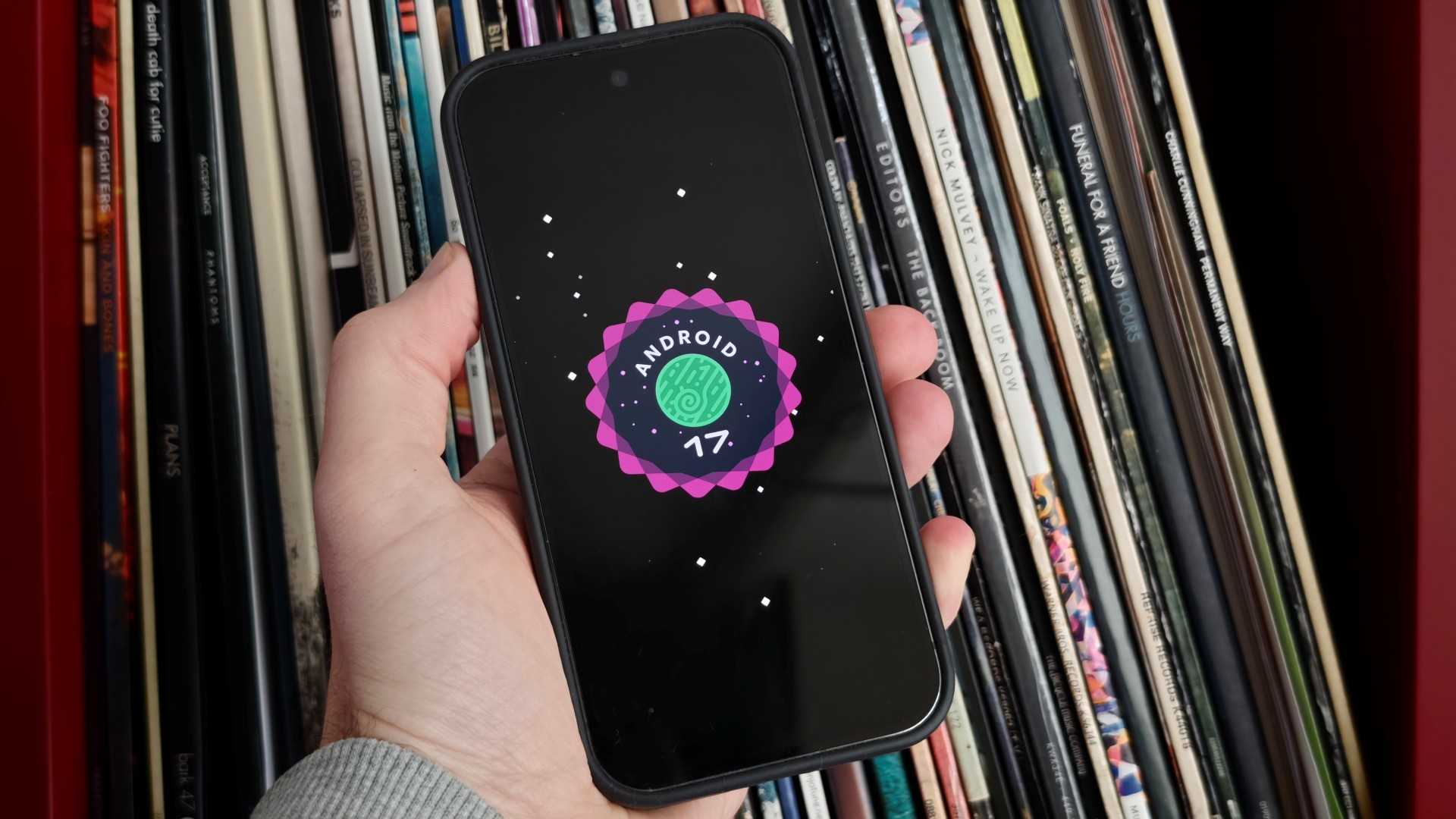
Despite this, early indications suggest that Android 18 itself will be merely another incremental update. Initial developer documentation points to a visual and structural refresh, but otherwise a fairly traditional mobile OS.
Given the likelihood that Android will underpin Samsung’s phone software for the foreseeable future, it puts a lot of pressure on the One UI-specific tweaks to deliver this supposedly transformational experience.
Is Samsung the one?
The problem? I’m not yet convinced that Samsung is in a position to perform such a feat. I’ve never been much of a fan of the company’s custom Android UI, even after it ditched the awful TouchWiz for One UI
It’s always felt too busy, too in your face, and too needy for my tastes. The company’s vibrant aesthetic and bespoke (often duplicate) apps simply don’t chime with me in the same way as Google and Apple’s more streamlined offerings.
One UI fans will often point to its immense customisation potential as a reason to favour it. So-called ‘power users’ tend to flock to One UI, where they can tweak away to their heart’s content.
Do either of these polarised views suggest that a more heavily streamlined, hands-off, AI widget-driven UI is either likely or desirable from Samsung? I’d argue not.

Luke Baker
Admirable ambition
There have been hints as to this kind of direction from Samsung in recent years, with proactive AI features such as Now Nudge becoming commonplace.
However, I can’t say that they offer anything approaching the depth or utility that this report suggests is on the cards. Samsung’s AI suite still feels messy and unnecessarily convoluted, with many of its best features (including Circle to Search and Gemini) relying on Google.
When it comes to discussing the future of smartphones, it would be foolish to discount the world’s biggest smartphone maker from the conversation. Few companies can match its resources, will, or experience.
However, Samsung’s position has been predominantly built via hardware innovation and scale of production. It’s never really had a place at the table when it comes to software and UI innovation, which is why I’m greeting these latest revelations with a healthy dose of scepticism.
I’d love to be proved wrong, but a major UI overhaul could do more harm than good to its reputation.