Oppo Find X10 review: Regular by name, Pro by nature
At a glance
Expert’s Rating
Pros
- Strong cameras
- Solid performance
- Great battery life
- Superb software
- More affordable than the Pro Max
Cons
- Key camera downgrades compared to Pro Max
- Significantly smaller battery in Europe
- Still pricey
Our Verdict
If your budget can’t stretch to accommodate the X10 Pro Max, the X10 gives you a very similar experience at a lower price. Sure, there are some downsides, but they’re easy to live with. What’s left is a competent all-rounder with cameras that outshine most of the competition.
Price When Reviewed
This value will show the geolocated pricing text for product undefined
Best Pricing Today
Best Prices Today: Oppo Find X10
Oppo’s Find X10 series has arrived. The X10 Pro Max may have soaked up most of the limelight, with its impressive triple 200Mp camera system, but its more affordable sibling deserves plenty of attention, too.
The standard Find X10 (bizarrely, there’s no Pro model this year) shares a lot of the same features with the Pro Max, in a slightly smaller package and with a more approachable price tag. For many, it could be the smarter choice.
There are some compromises here, though. The ultrawide camera is far less impressive, the telephoto has some notable downgrades, and it’s not quite as powerful as the full-fat Pro Max. Is it still worth considering? I’ve been living with it for the past week to find out.
Design & Build
- 216g, 156.51 × 74.29 × 8.35 mm
- IP68/IP69 certified
- Glacier Blue, Glow Coral, and Mist Grey colour options
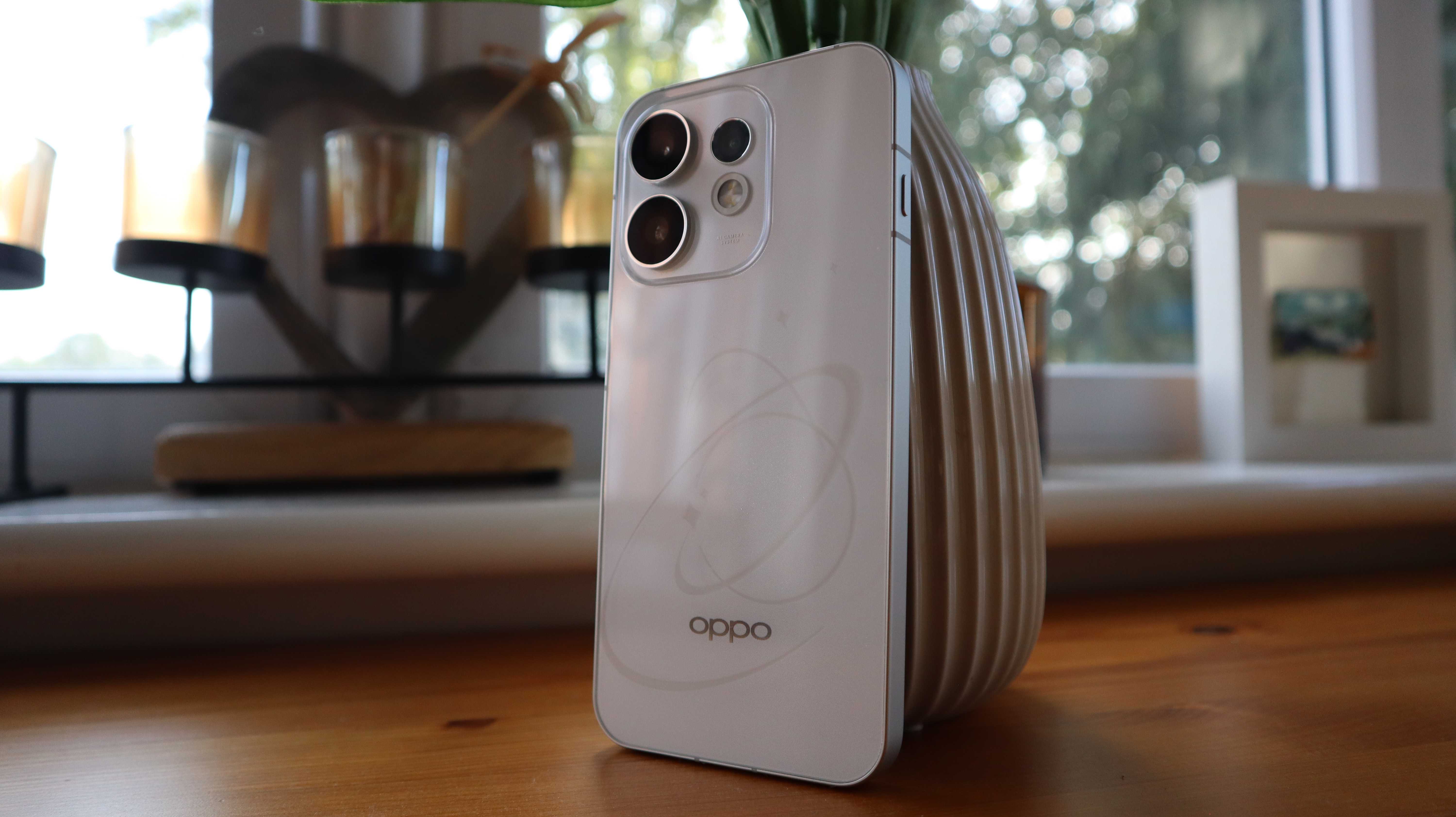
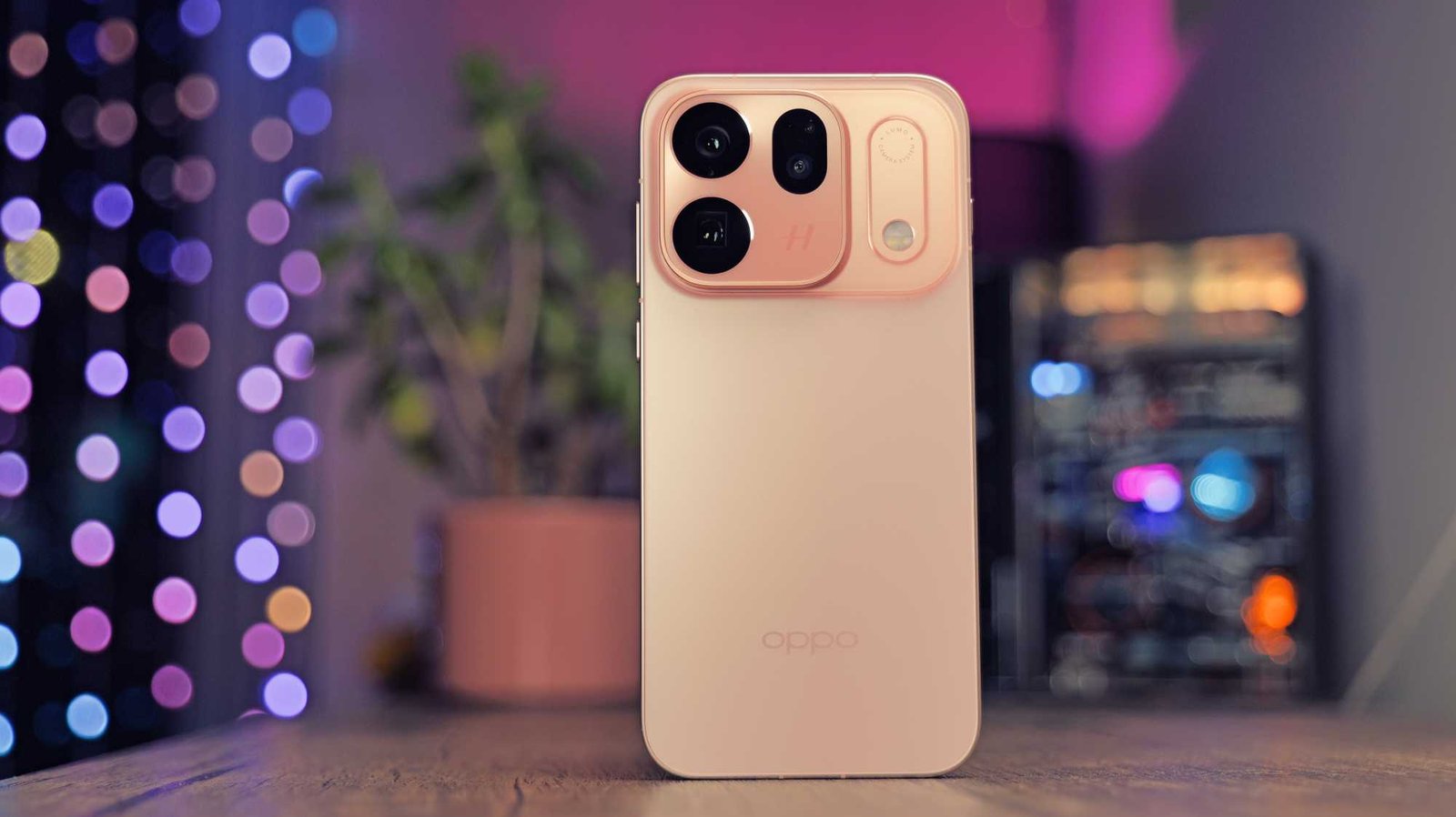
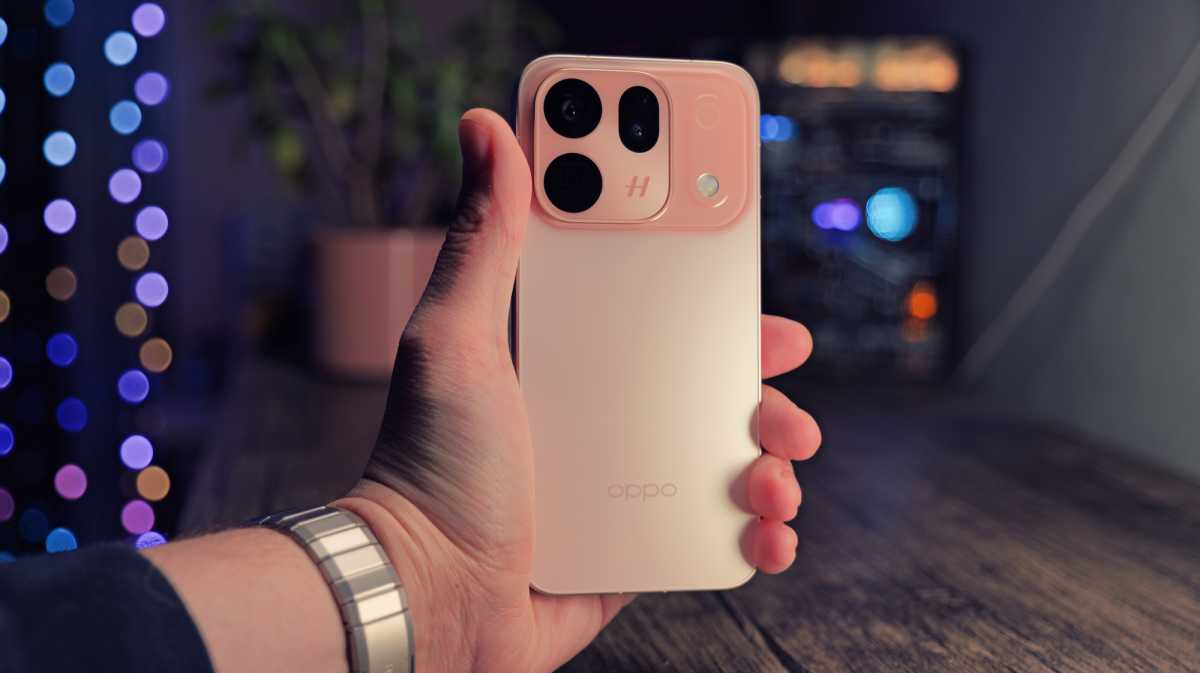
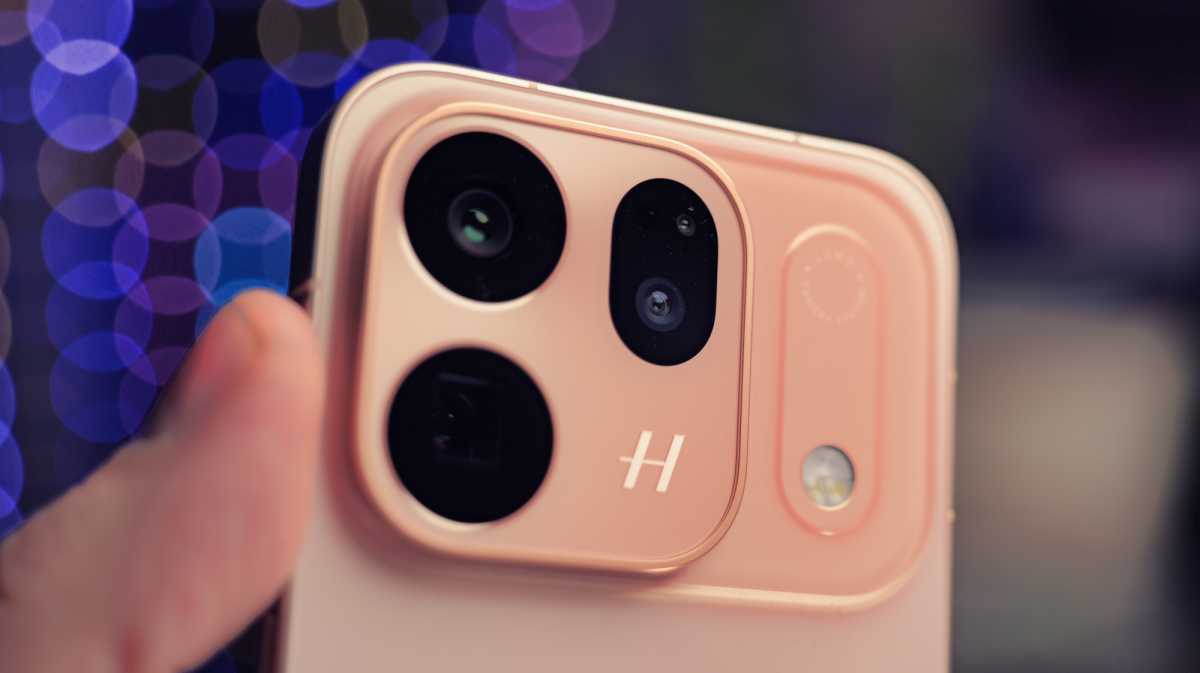
The Oppo Find X10 has a similar overall design to its Pro Max sibling. The main differences are that the camera bump is smaller, and the camera shroud is closer to last year’s X9 Pro, rather than being covered with black glass. There’s definitely a bit of iPhone inspiration here, with the raised portion extending across the rear, but it differentiates itself enough to remain unique.
Luke Baker
The rear panel is made from a single piece of sculpted glass. Most of the panel has a matte finish, while the raised platform has a shinier semi-translucent effect. Meanwhile, the side rails are matte aluminium, and the camera surround has a colour-matched metallic-looking sheen.
The Find X10 is available in three colour options: Glacier Blue, Mist Grey and Glow Coral. I have the latter in for testing, and it’s an unusual but quite fetching option. It reminds me of everything from makeup packaging to peaches or salmon, depending on the day. I’m not sure it would be my personal pick, but it’s definitely the most unique.
I’m all for extra buttons, but I wish that Oppo would give its one some more love
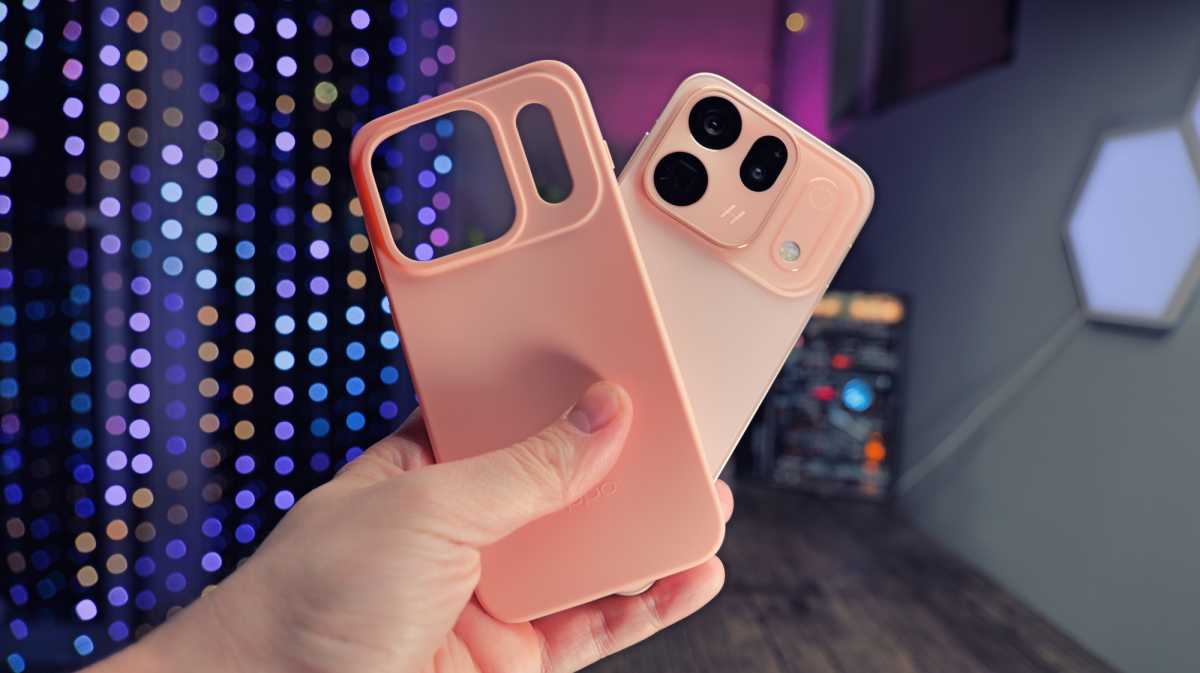
It’s IP69 certified, so it should handle the elements with ease, and the front and rear are covered with Oppo’s Crystal Guard Glass – co-developed with Corning for extra durability. In addition, you get a soft-shell TPU case in the box, and a factory applied screen protector. So this phone should withstand the rigours of daily life without issue.
Luke Baker
It’s slightly smaller than the Pro Max, but it’s still a fairly sizeable phone. It’s noticeably bigger than the Galaxy S26 or iPhone 18 Pro, for example. It’s more in line with something like the Galaxy S26+. I found it very comfortable to use all day.
The Find X10 has an additional button that Oppo calls the Snap Key, but it doesn’t get the touch-sensitive Camera Control button that we saw on the X9 Pro and Ultra. The Snap Key is basically identical to Apple’s Action Button, both in terms of placement and functionality.
I’m all for extra buttons, but I wish that Oppo would give its one some more love. It’s very handy for toggling on the torch, opening the camera or quickly accessing Mind Space, but competitors let you do a lot more. For instance, I can’t map a third-party app to launch with this button, and I can’t configure a double-press either. It’s a nice feature, but it feels half-baked.

Luke Baker
Screen & Speakers
- 6.59-inch 1272 x 2772 LTPO AMOLED 144Hz
- 3600 nits, 3840Hz PWM dimming
- Stereo speakers
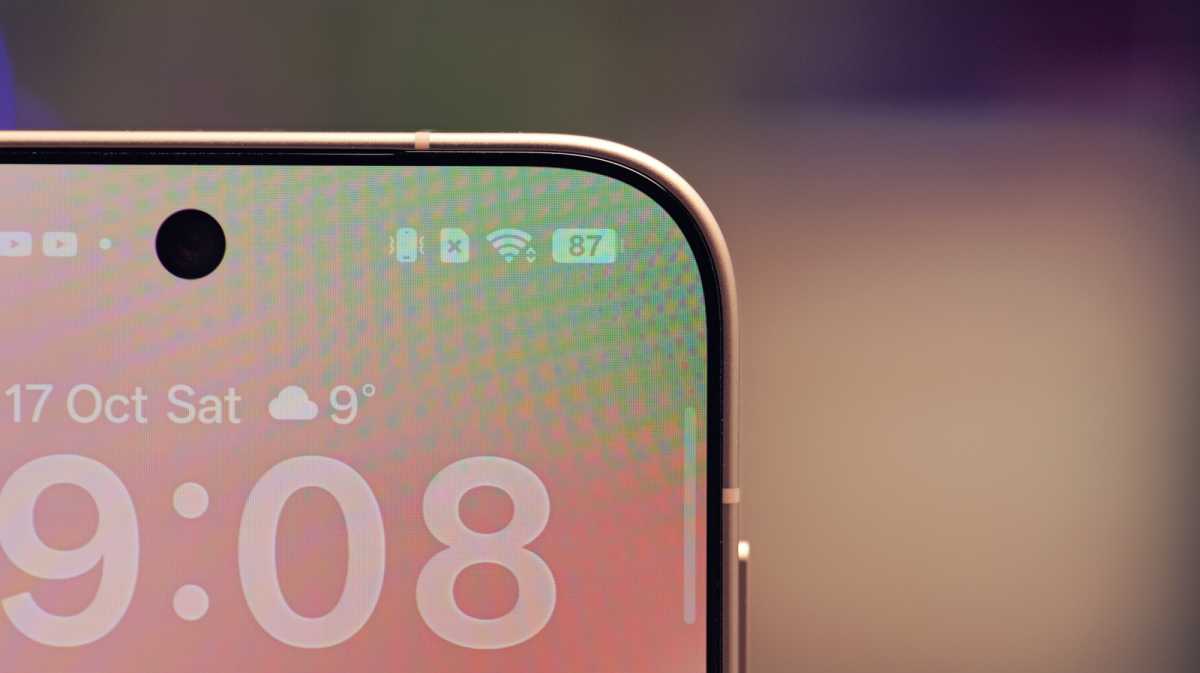
The Oppo Find X10 has essentially the same screen specifications as the Pro Max; it’s just smaller. That said, it does pull ahead in one area, and that’s the bezel size.
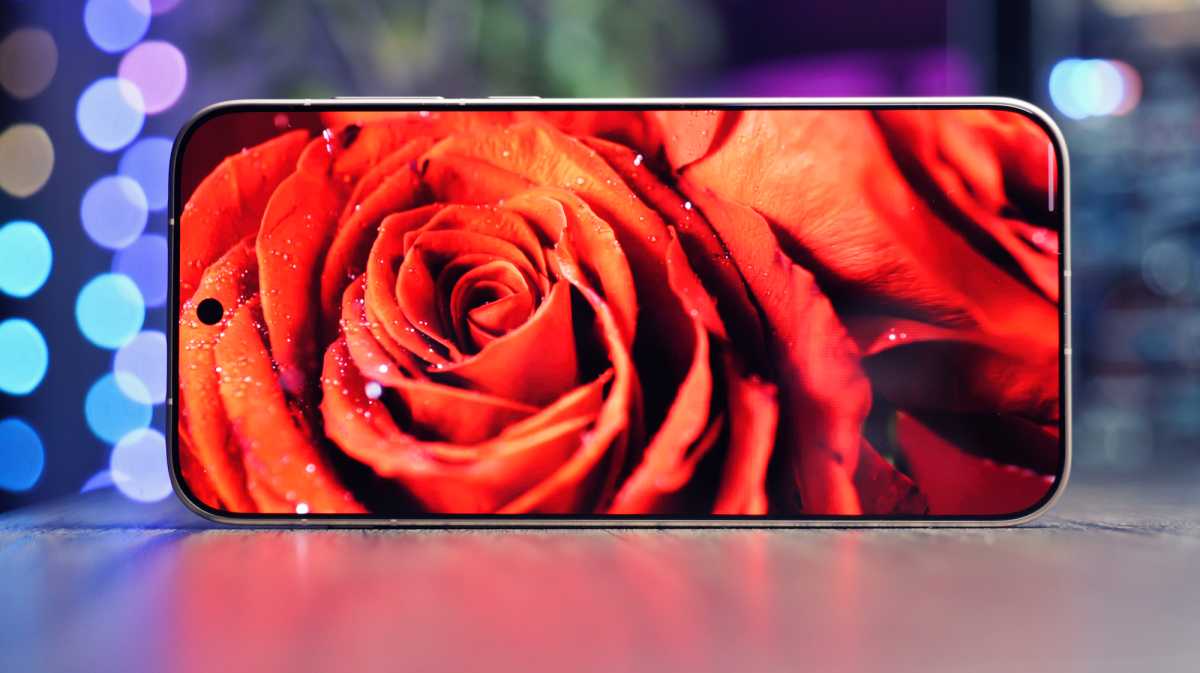
The Find X10 has some of the slimmest bezels I’ve ever seen on a phone. They measure just 0.99mm on each side, making for a truly full-screen experience. It’s not something that matters much, in a practical sense, but it looks super premium, and there’s value in that.
It’s not all about the bezel thickness, though, because this screen is just as impressive elsewhere. It’s an LTPO panel that can adjust from 1-144Hz, either saving on battery life or giving you a super-smooth gameplay experience. Unfortunately, games that take advantage of this blazing-fast refresh rate are rare, but COD Mobile works, and it looks great! In most scenarios, the screen will max out at a more typical 120Hz.
Luke Baker
It’s also very bright, reaching 3600 nits at peak brightness. I never had trouble seeing it in direct sunlight, and perhaps just as important, it can dim all the way down to 1 nit for comfortable late-night viewing. It also boasts 3840Hz PWM dimming, reducing eye fatigue at lower brightness levels.
The screen also targets the BT.2020 colour gamut, rather than the usual DCI-P3. This means it can display far more colours, with greater accuracy than a lot of its competitors. If you’re creating content or editing photos on your phone, it offers some real peace of mind.
The Find X10 has some of the slimmest bezels I’ve ever seen on a phone
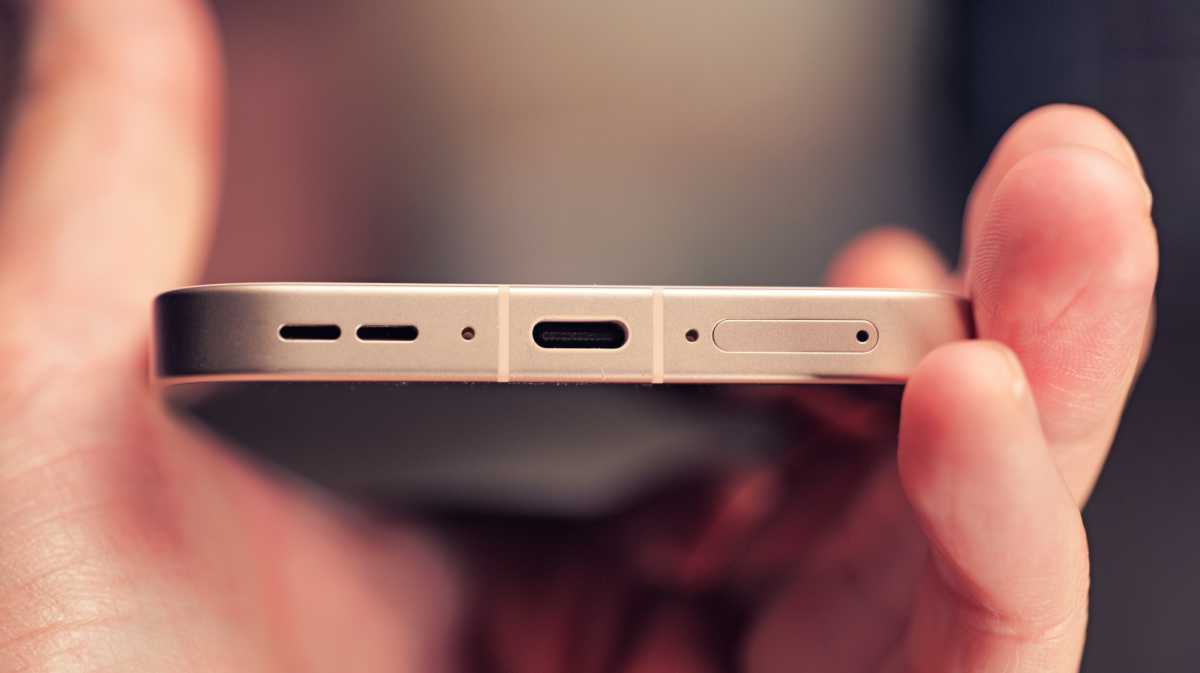
The Find X10 has a stereo speaker setup, but it uses the earpiece as the upper speaker, so it’s slightly imbalanced, as the speaker on the base of the phone does most of the heavy lifting. They’re pretty decent and very powerful, but the speakers tend to distort and sound a little harsh at higher volumes. They get the job done, but don’t expect to be ditching your Bluetooth speaker any time soon.
Luke Baker
Specs & Performance
- MediaTek Dimensity 9600M processor
- 12GB RAM
- 256GB / 512GB storage
The Oppo Find X10 is powered by the Dimensity 9600M SoC, which is essentially an updated version of last year’s Dimensity 9500 (found in the X9 and X9 Pro). It’s a step behind the 9600 Pro chip in the Pro Max version, but it’s still a very fast processor. It’s paired with 12GB of RAM and either 256GB or 512GB of storage.
In day-to-day use, the Find X10 feels just as quick as any other flagship phone. Apps open in a flash, the UI never stutters, and the phone barely breaks a sweat during heavy multitasking. You have to open a very demanding game to be able to feel a difference between this and more powerful rivals.
Luke Baker
I was still able to play the most demanding games at high settings, including my current favourite, NTE. However, compared to the Find X10 Pro Max, I had to lower the graphics preset from Cinematic to Extreme to achieve a stable frame rate (hovering around 60fps).
the phone barely breaks a sweat during heavy multitasking
That’s still a great experience, and it’s made better by the fact that the Find X10 can sustain this performance for a long time. While the frame of the phone heats up, it never becomes too hot to handle, either.

Luke Baker
As always, I’m talking about the most challenging games here. More typical titles, like COD Mobile, run like a dream, and you’ll even be able to take advantage of the high refresh rate display, which could provide a competitive advantage if you’re talented enough (I am not).
Benchmarks:
- Geekbench 7 multicore – 8091
- Geekbench 7 single-core – 2679
- 3DMark Wildlife Extreme – 6737 avg frame rate 40.34
- 3DMark Wildlife Extreme Stress Test – 52.4 stability
- PCMark for Android battery test (screen set to suggested 200 nits brightness) 30 hours 6 mins
- Charging with the included charger from 0% in 15 minutes – 32%
- Charging with the included charger from 0% in 30 minutes – 55%
Cameras
- 200Mp main sensor
- 200Mp 2.8x periscope telephoto
- 50Mp ultrawide
- 50Mp selfie camera
The Oppo Find X10 changes quite a few things in the camera department. Since there’s no Pro model this year, it’s hard to tell whether I should compare these cameras to last year’s X9 or X9 Pro, but in either case, it can definitely be considered an upgrade.
Luke Baker
The main sensor is 1/1.4-inch, like the X9, but it’s now 200Mp, up from 50Mp. The telephoto also makes the jump to 200Mp, and it’s a 1/1.56-inch sensor, like the X9 Pro and X10 Pro Max. However, there are a couple of caveats, which I’ll get into in a moment.
The ultrawide camera is the only one that’s unchanged, matching both the X9 and X9 Pro. It has a 50Mp resolution and a relatively small 1/2.76-inch sensor. On the plus side, it has autofocus and excellent macro capabilities, but it suffers in low-light conditions. It’s definitely the weakest of the rear trio, but it still produces great results when the lighting is sufficient.
The selfie camera has a new wider field of view, just like the X10 Pro Max. It’s 18mm-equivalent, which means it’s almost as wide as the ultrawide camera, and it has full autofocus. It’s a great setup for taking group photos, and the extra width is really nice if you’re filming a vlog, too.
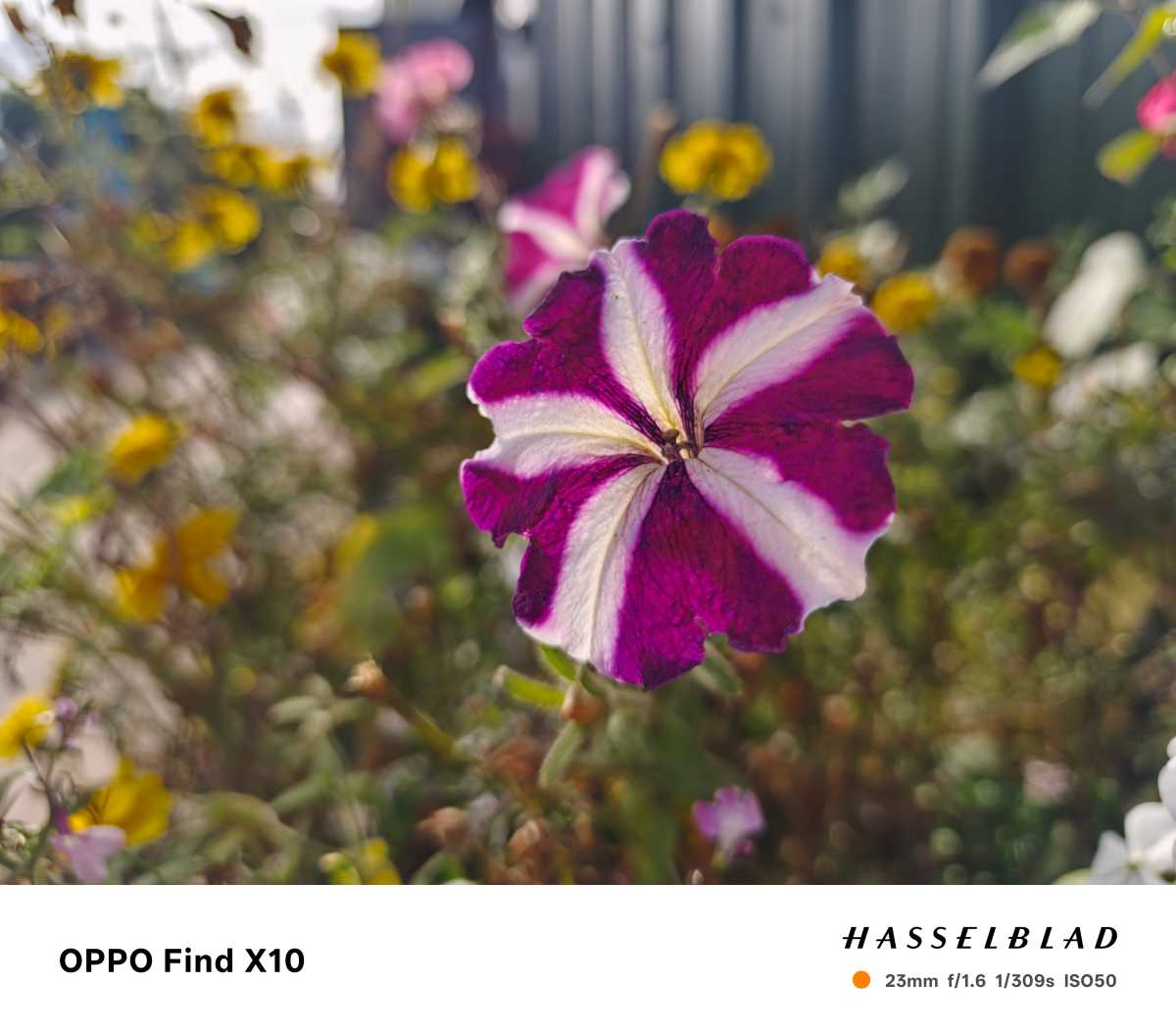
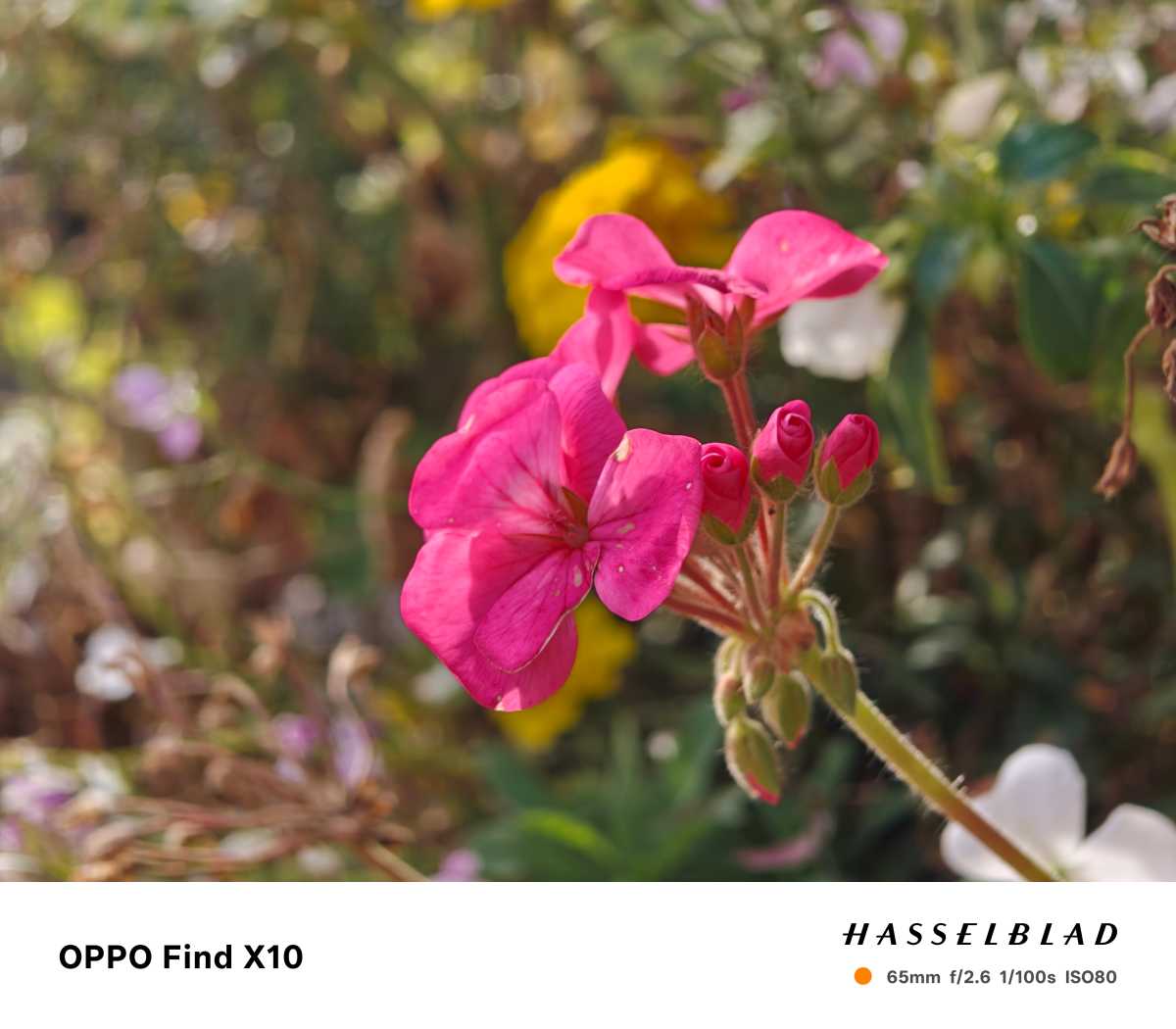
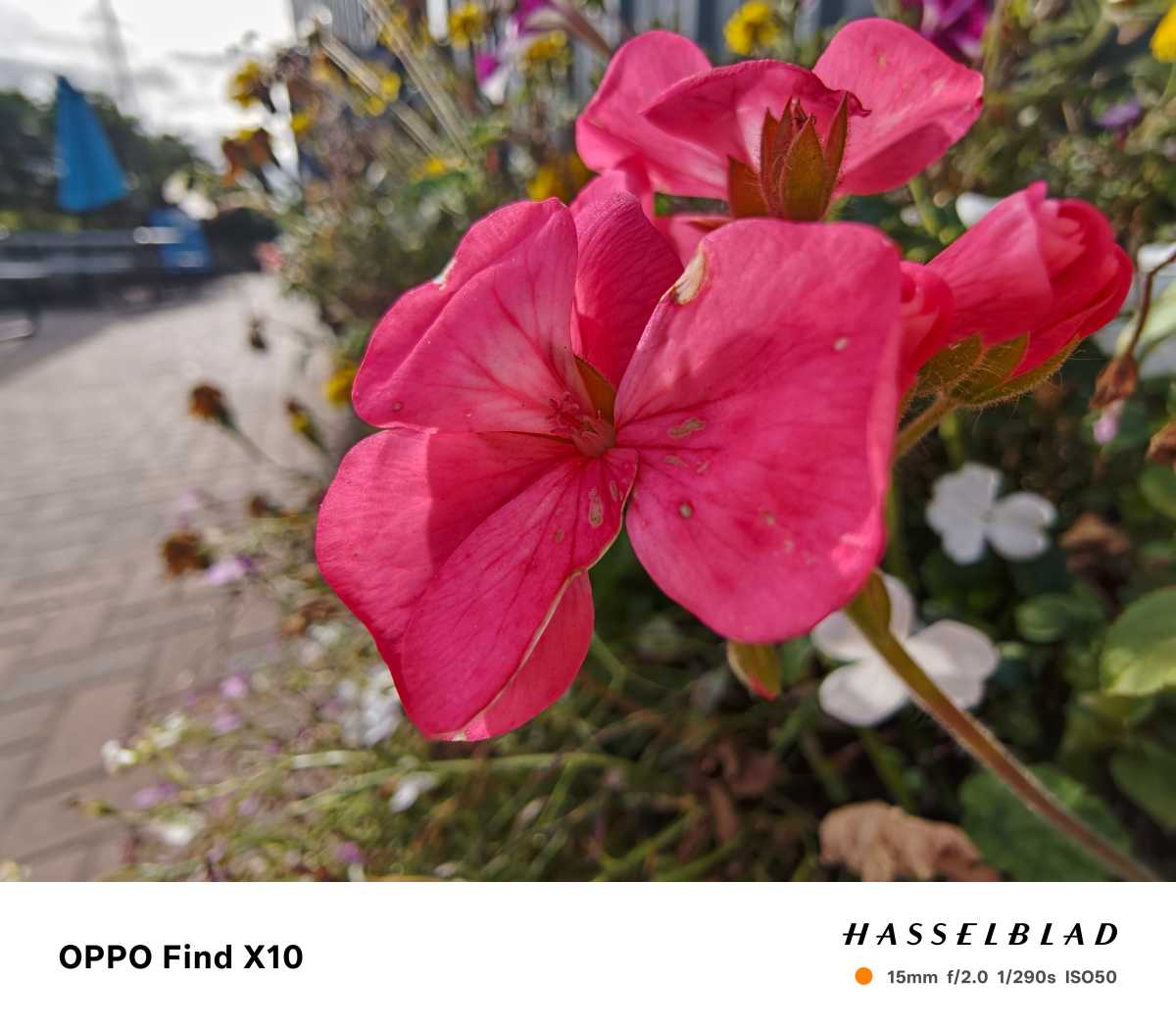







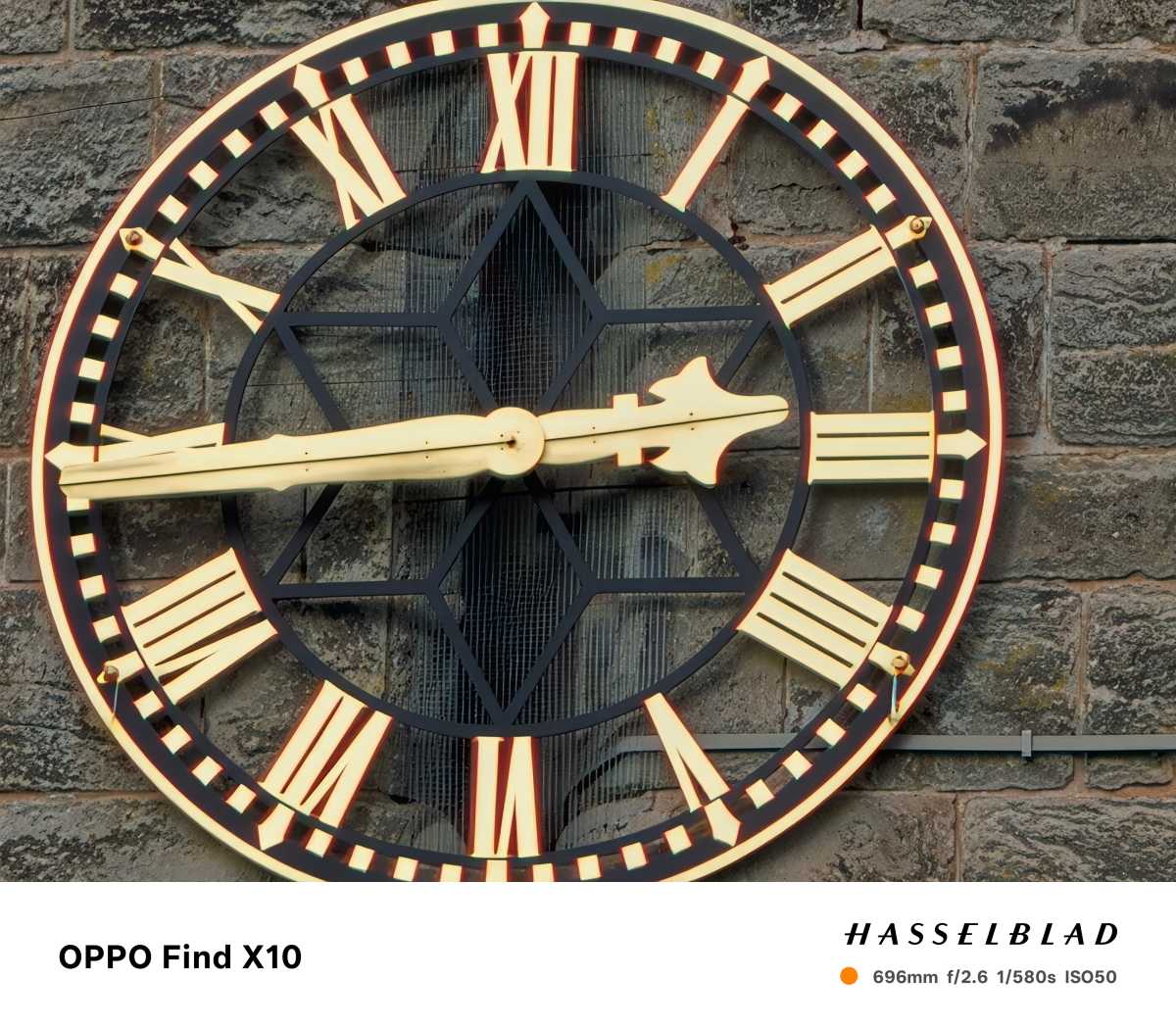
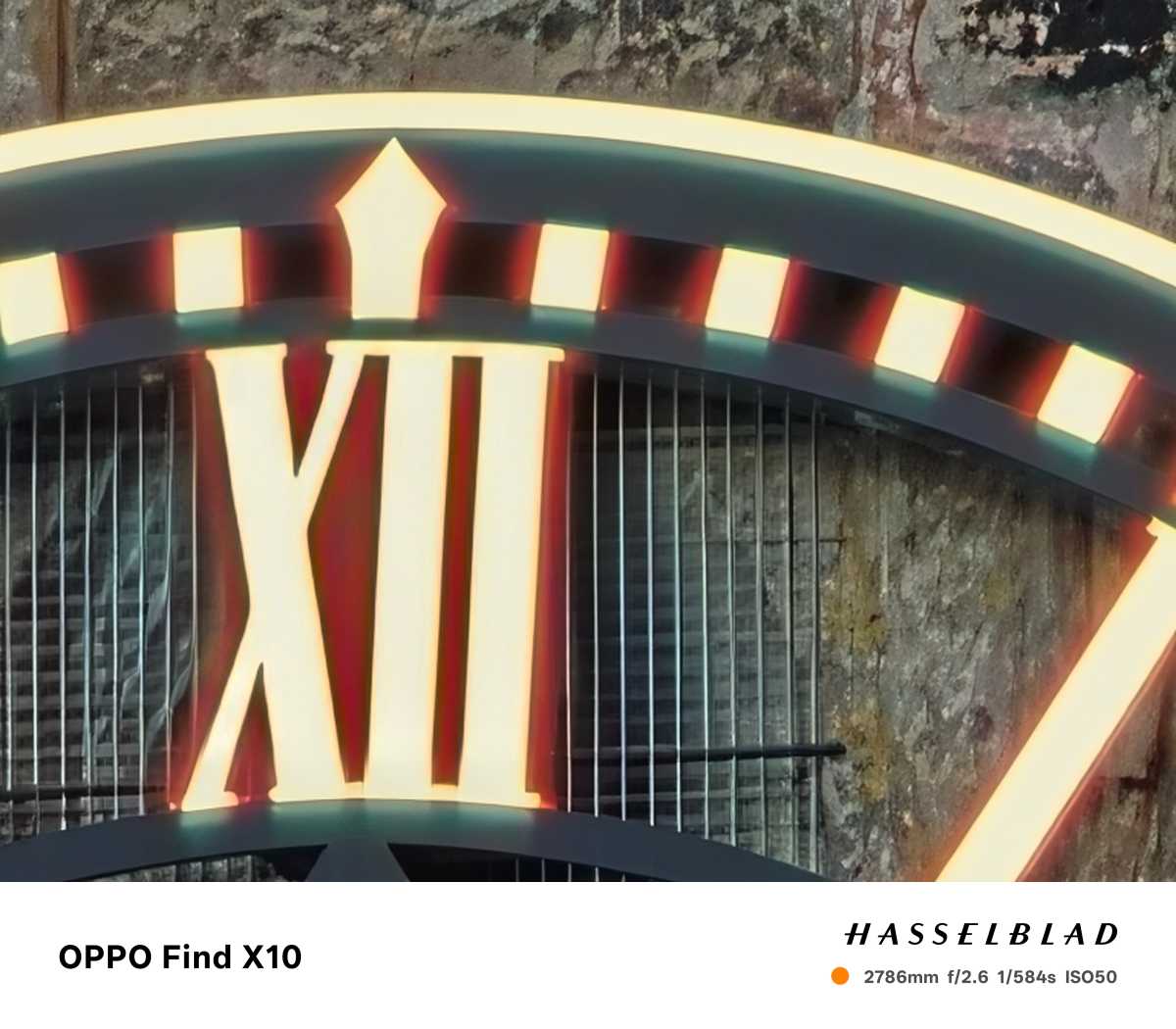

I noticed that the main camera can focus a little closer up than the X10 Pro Max, so while it’s a slightly smaller sensor, it does have some perks. Unfortunately, it’s the opposite with the telephoto camera (which is my most used lens).
The telephoto on the X10 has a wider 65mm FOV, and it lacks macro capabilities. The minimum focus distance is around 30cm, compared to just 10cm on the X9 Pro and X10 Pro Max. You can still get decent close-up shots, especially when you add some digital zoom, but it doesn’t match the natural bokeh and compression of the Pro models.
The phone offers class-leading image processing, full Master Mode support and some of the nicest filters and picture styles on the market
Other than that, the experience of shooting with this phone is very similar to Oppo’s other recent flagships. You get the same class-leading image processing, full Master Mode support and some of the nicest filters and picture styles on the market. Primrose is my favourite style, and it’s now available in both Master Mode and the standard photo mode.

Luke Baker
Aura Light is another highlight. It adds some bloom to highlights, which simulates the look of a Pro Mist filter or analogue film. This is now more prominently featured in the camera UI, making it easy to access in most shooting modes.
Oppo says it has changed the image processing quite significantly for this generation. The standard photo mode now uses the tone mapping from Master Mode, and noise reduction and sharpening have both been dialled back. However, the two modes still look very different. Photo mode still has a higher level of sharpening and a more pronounced HDR effect.
As for which one you should use, there’s no correct answer. The two are suited to different occasions. I usually prefer Master Mode in good lighting, but Photo Mode is often the better choice when it gets dark, or in complicated scenes with heavy backlighting.




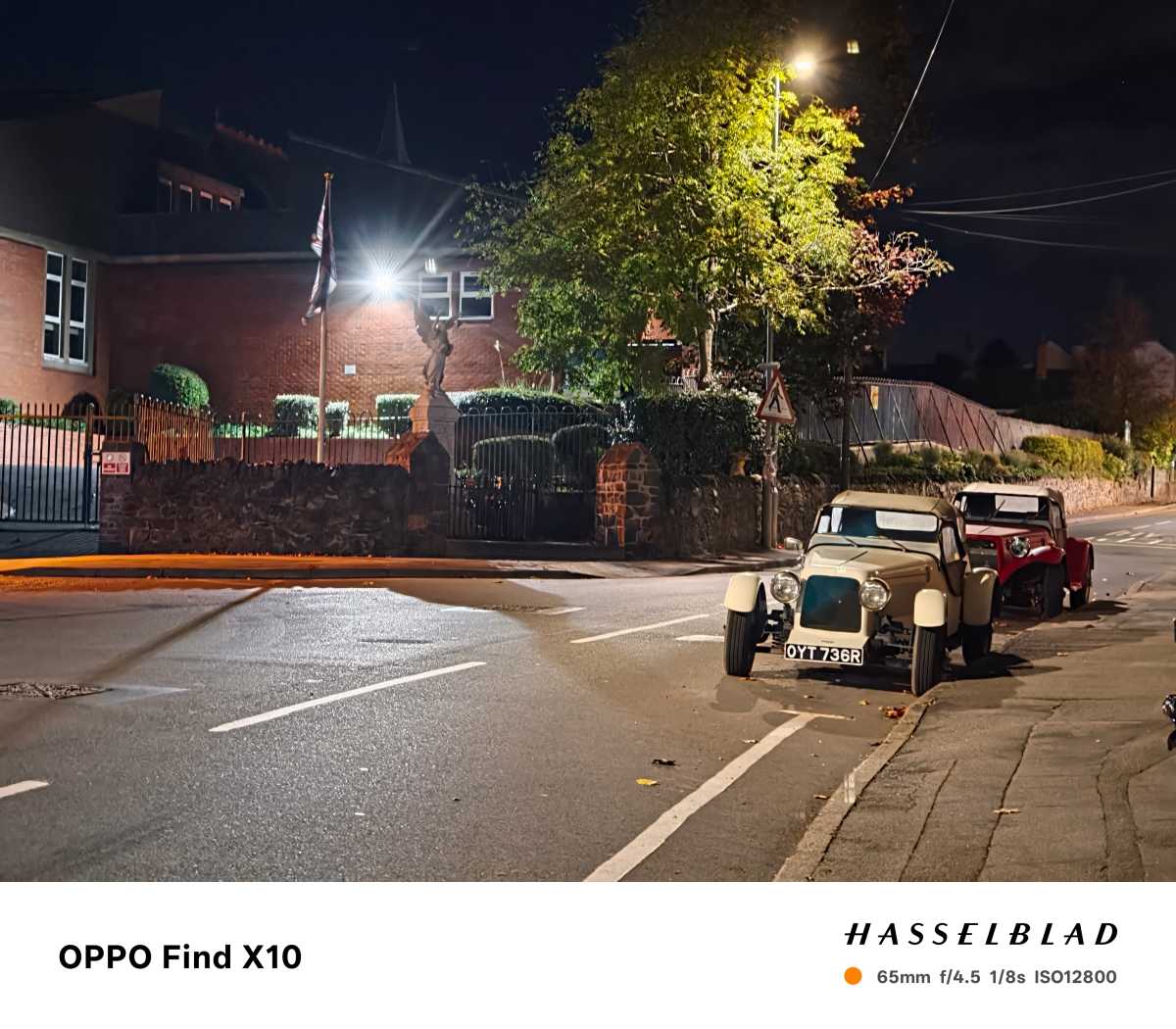

Oppo has done a lot of work in the video department, too. The X10 now offers an Open Gate recording mode, which works on every lens with Log enabled, at up to 60fps. This is a massive win for content creators, as it allows you to shoot a single clip and then crop it for both vertical and horizontal formats in post.
In addition, the X10 supports up to 8K 30fps capture or 4K at 120fps on both the main and telephoto cameras. Meanwhile, the ultrawide and selfie camera both cap out at 4K 60fps. Stabilisation is great, and there are loads of manual control options if you want to take your videography to the next level.
Battery Life & Charging
- 8000mAh battery (Global) / 7150mAh battery (EU)
- 80W wired charging
- 50W wireless charging
The battery situation is a little complex, as because the global version of the Oppo Find X10 comes in two varieties. In Asia, the Middle East and Australia, the phone has a larger 8000 mAh battery. Meanwhile, European nations get a 7150 mAh cell, so about 10% smaller.
I’m in the UK, so I should have the smaller one, but I don’t. I have the 8000 mAh APAC model. Great news for me, but worse news for this review, as my battery life findings will only apply to imported models.
Unsurprisingly, with a massive 8000mAh battery inside, my review unit has been lasting for an incredibly long time on a charge. With my average usage, two days on a charge is easily achievable, and I can often make it well into a third day. I’d imagine the EU version still has great battery life, but y’know, not quite as great.
Luke Baker
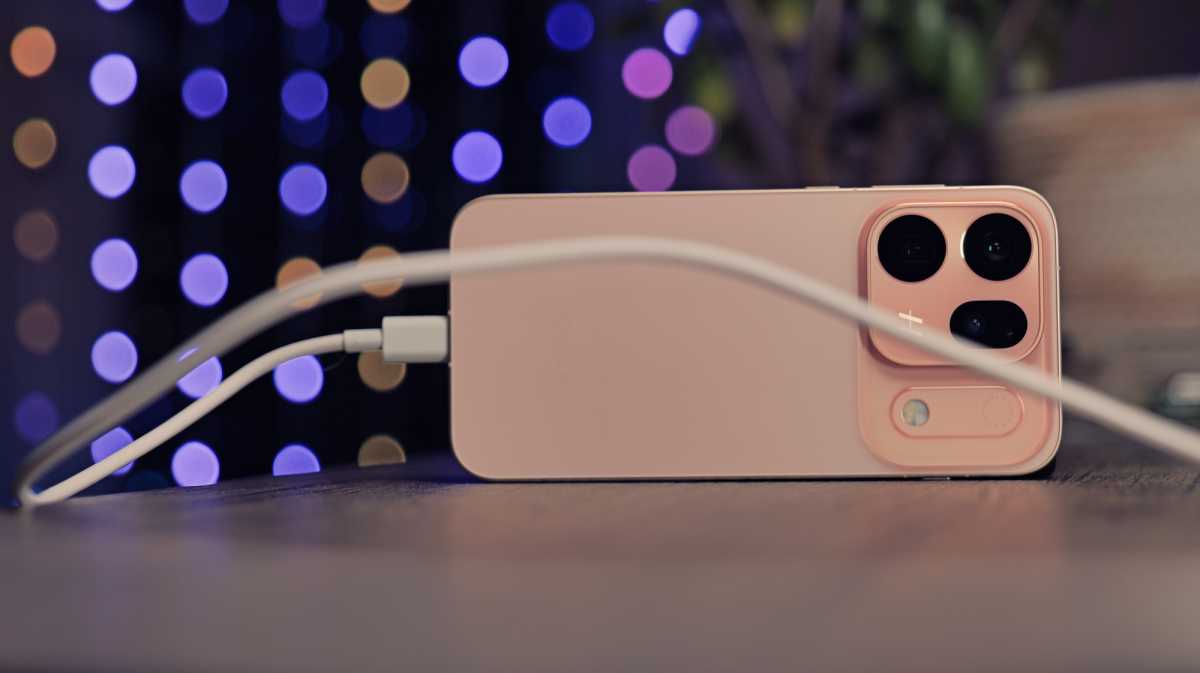
Oppo hasn’t skimped on the charging, either. The Find X10 charges at up to 80W with the official wall adapter, and up to 50W wirelessly with an AirVooc charging pad. My sample came with the charger in the box, though I believe this may also vary from region to region.
In my testing, the phone got up to 55% charged in half an hour, while a full charge took about an hour. So, it’s quick, but not the quickest we’ve seen. That said, there’s a lot more battery to charge than normal, so you’ll be charging far less frequently.
Software & Apps
- ColorOS 17, based on Android 17
- New animations and effects
- New AI features
The Find X10 runs ColorOS 17, Oppo’s latest software built on Android 17. Personally, I think it’s one of the best Android skins on the market right now. It’s very visually appealing, it’s quick, and it’s absolutely packed with features.
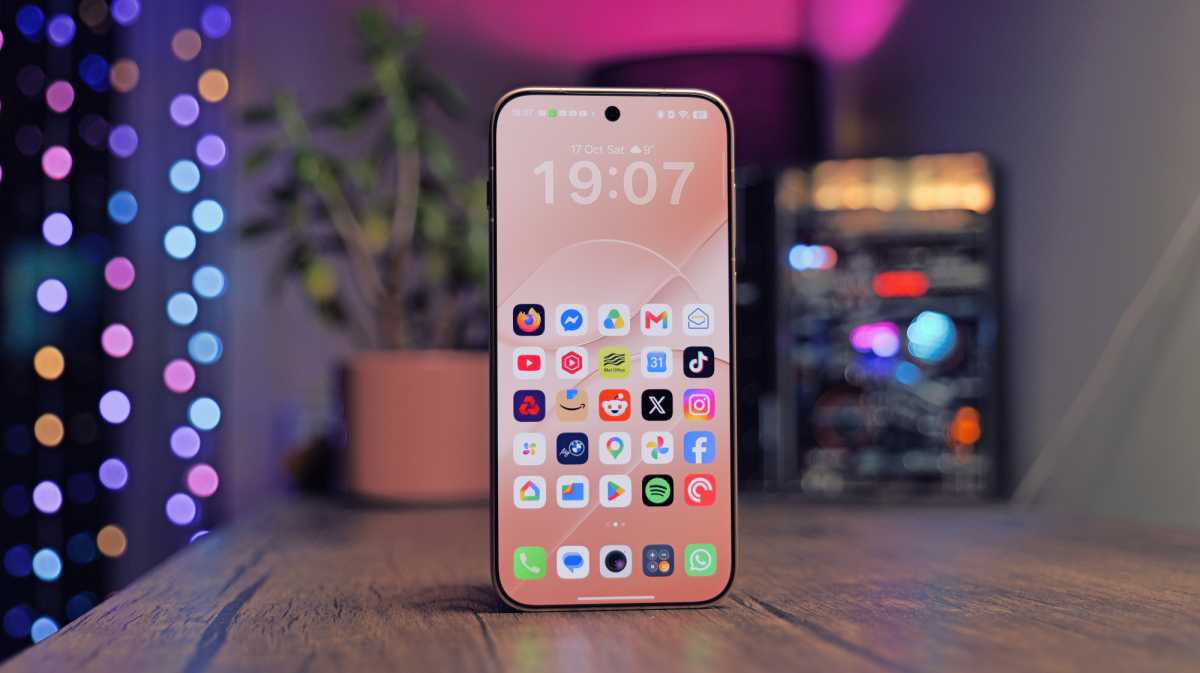
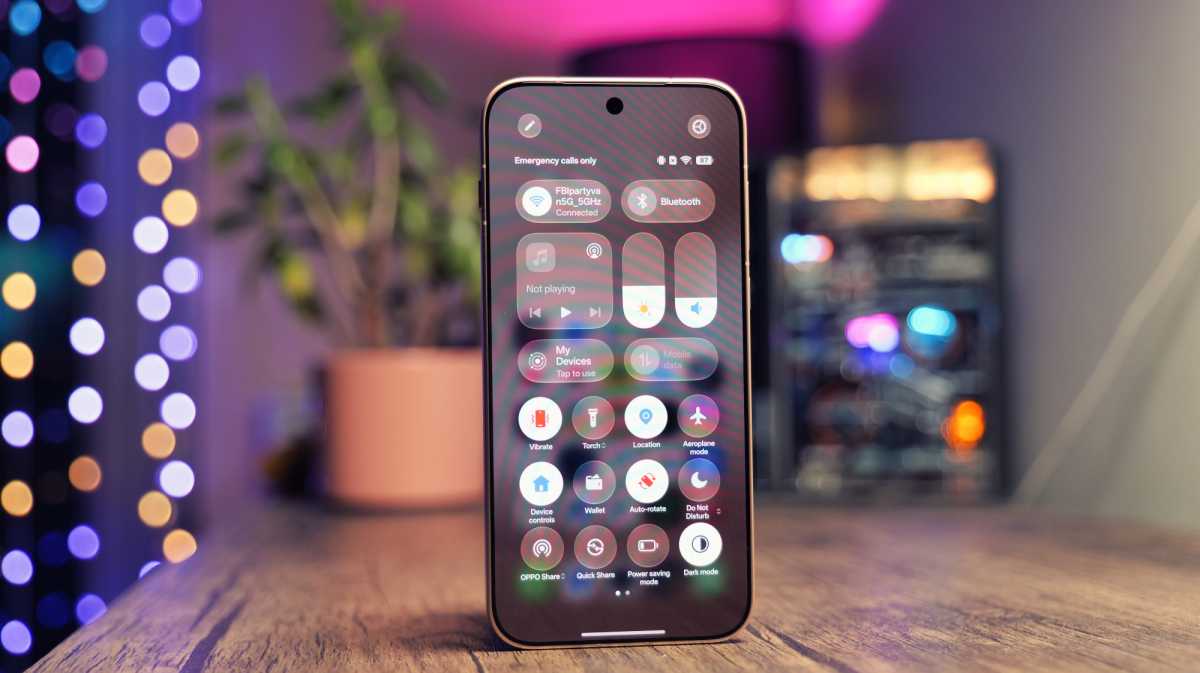
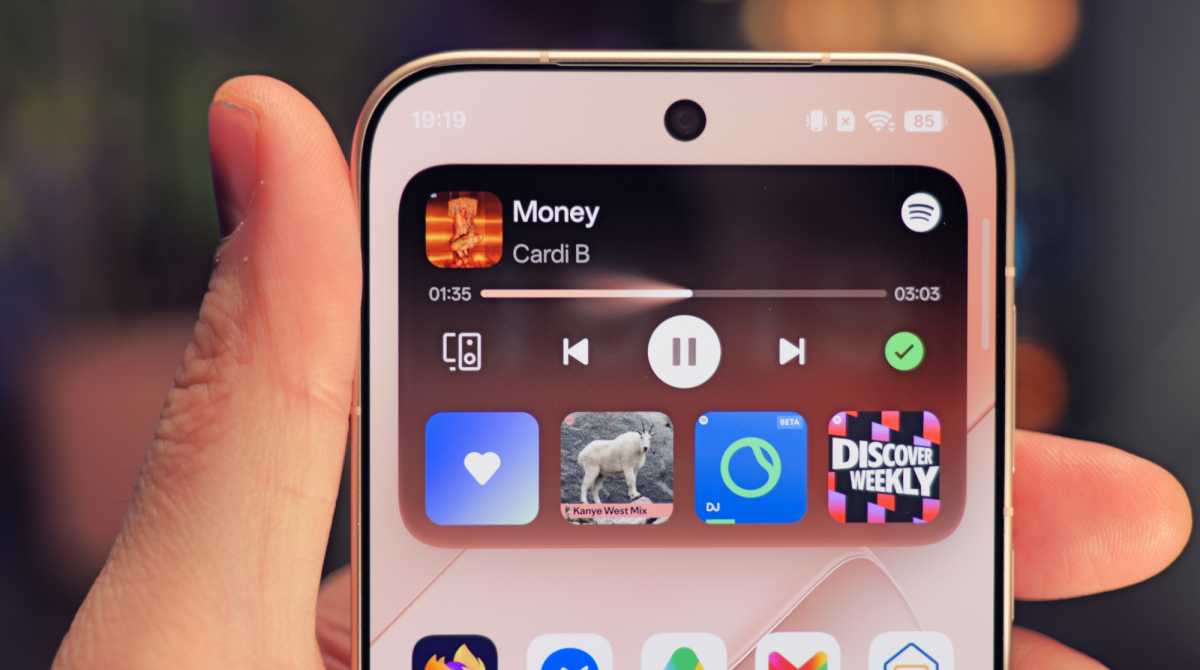
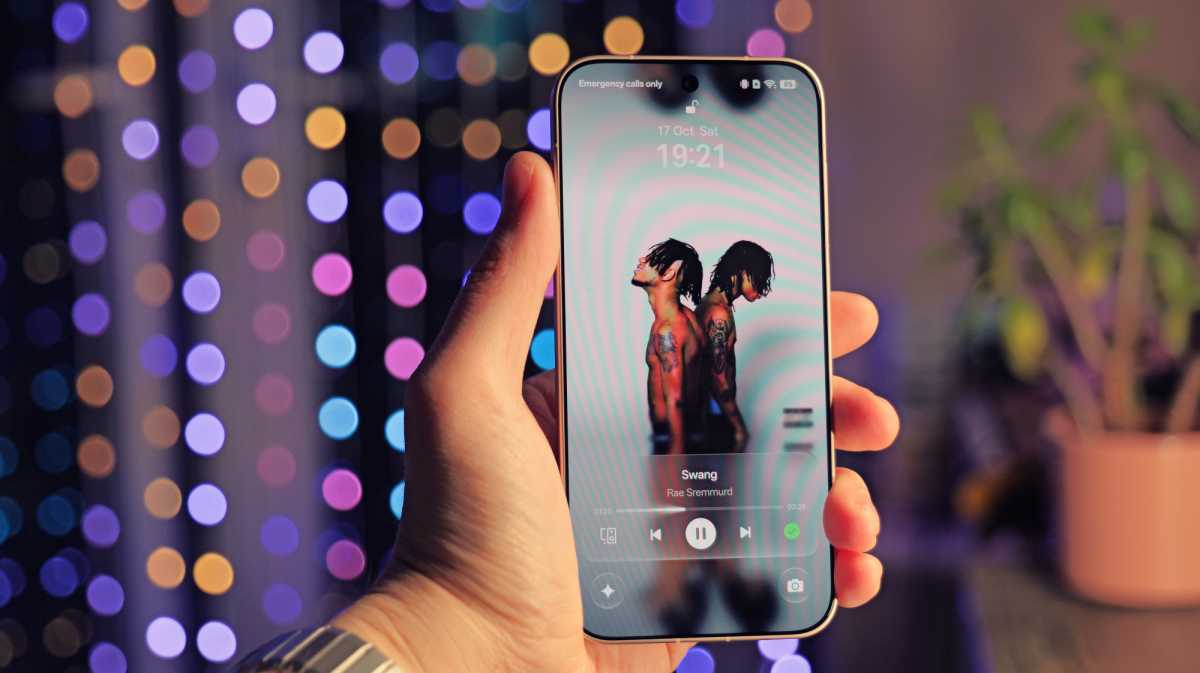
The latest update has made the animations even smoother and added some cool illumination effects to the Liquid Glass-inspired buttons and notifications. There’s a lot of Apple influence to the styling, but I don’t think that’s a bad thing. It looks great, and there’s no shortage of customisation options and themes if you fancy a change of pace.
I think ColorOS is one of the best Android skins on the market right now
It’s not perfect, though. There’s a bit of bloatware when you first set it up, and it still has the annoying wallpaper slideshow thing that all Chinese phones seem to support. Both can be disabled and cleaned up quickly, but it’s frustrating to have to deal with.
The system is also a little too keen on killing background activity, so it’s worth tweaking the battery settings of your most important apps to prevent delayed notifications. Nothing unusual, but still a hassle.
Luke Baker
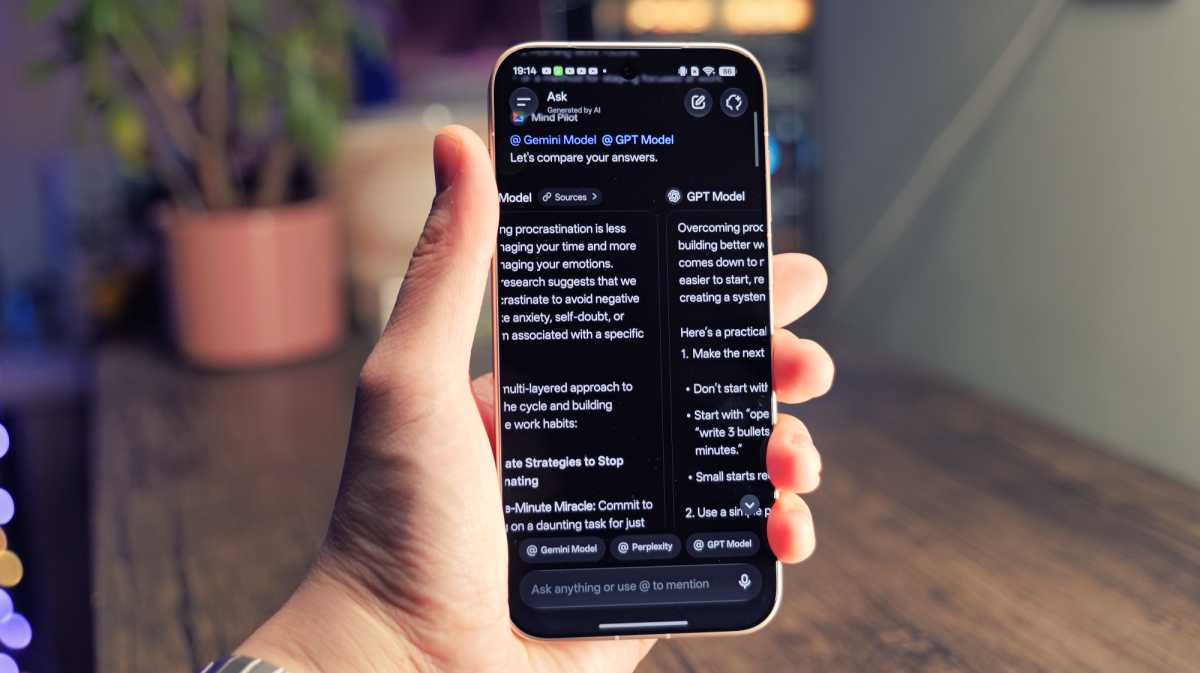
As we’ve come to expect, there are plenty of AI features to explore here. One interesting addition is an app called Mind Pilot, which brings together a bunch of different AI models into a single app. So you can quickly switch between Gemini, ChatGPT and Perplexity, or ask the same thing of all of them and compare the answers.
Switch into “Agent mode” and the AI can take control of the files and photos on your phone
Where it gets really interesting, though, is with the new agentic abilities. Switch into “Agent mode” and the AI can take control of the files and photos on your phone. So, for instance, you can ask it to move photos from a specific trip into their own album, and rename them for you. If you want, you can take it a step further and generate content using these files, like a presentation or a collage.
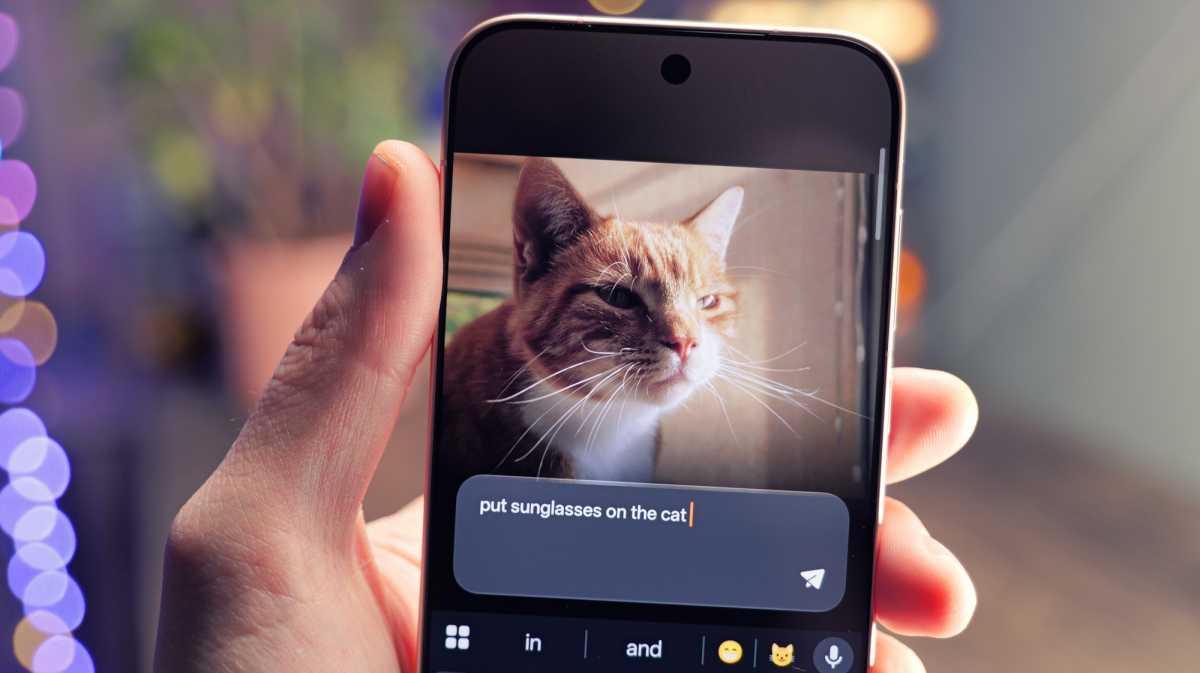
You can also now edit photos using natural language input in the Gallery app. You can do anything from simply tweaking the colours and removing reflections to completely changing the background or framing. As with most AI features, the results can be a mixed bag, but when it works well, it’s undeniably handy.
Luke Baker
Oppo promises five major OS upgrades and six years of security patches. This is a step behind the likes of Samsung and Google (which offer seven of both), but it’s a solid commitment, and it means that the Oppo Find X10 should still be running the latest Android version until at least 2031.
Price & Availability
The Oppo Find X10 is available to order now and starts at £1099 for the 12GB + 256GB model. It’s a pretty steep price increase, no matter how you frame it, but that’s the story with just about every product at the moment. As usual, it’s available in most regions globally, excluding the US.
Last year’s Find X9 started at just £899, and it came with 512GB as standard. The base Find X10 now matches the pricing of the X9 Pro, and their specs are more closely matched, too, but last year’s Pro also gave you 512GB.
It’s not a bargain, but it’s £400 cheaper than the Pro Max, which is a sizeable gap.
In addition, Oppo has some introductory offers that make it a much better deal. For a limited time, buyers can claim £100 off, plus a free gift worth £500 – including the Hasselblad Teleconverter kit, Oppo Watch X3 and Oppo Pad 5. The brand also offers £250 off when you trade in any Oppo or OnePlus phone.
Should you buy the Oppo Find X10?
The Oppo Find X10 is a real joy to live with, and after spending the last week with it, I have very few complaints. The cameras are truly excellent, the software is among my favourites, battery life is amazing (at least on the 8000mAh version), and the performance is more than good enough for most people.
On the other hand, it is somewhat overshadowed by the X10 Pro Max, which is superior in a few ways. The ultrawide is dramatically better on the Pro Max, the telephoto is much more impressive, and it’s better for gaming. As for whether that’s worth spending the extra on, that’s all up to you.
What’s certain is that almost everyone will have a great time with the X10. It’s a superb all-rounder that doesn’t fall short in any particular area. If the features appeal and it suits your budget, it’s hard to go wrong.
Specs
- ColorOS 17, based on Android 17
- 6.59-inch, 1272 x 2772, OLED, 144Hz
- Under-display ultrasonic fingerprint sensor
- MediaTek Dimensity 9600M
- 12GB or 16GB RAM
- 256GB, 512GB, or 1TB storage
- Cameras:
200Mp main sensor
50Mp ultrawide
200Mp 2.8x periscope telephoto
50Mp selfie camera
Up to 8K @ 30fps rear video - Stereo speakers
- Dual-SIM
- Wi-Fi 802.11 a/b/g/n/ac/6/7
- Bluetooth 6.2
- 8000mAh battery (Global) / 7150mAh battery (EU)
- 80W wired charging
- 50W wireless charging
- 156.51×74.29×8.35 mm
- IP68/IP69 certified
- 216g
- Colours: Glacier Blue, Glow Coral, Mist Grey