Samsung Galaxy Watch Ultra 2 Review: Next-gen battery life
At a glance
Expert’s Rating
Pros
- Phenomenal battery life
- Vivid display
- Fast-connecting GPS
- Samsung’s Health app is great
Cons
- There’s now too much fitness data
- The price is questionable
- Slow charging
Our Verdict
For Wear OS fans, the Samsung Galaxy Watch Ultra 2 is a great wearable to have on hand for marathons, trail running and more. Its bright screen is a joy to use and arguably shows Google’s ecosystem in its best light. The sticking point is that, for those who aren’t tied to Wear OS, you’ll find better value by searching out similarly priced watches from Garmin and Coros, which far surpass it in battery life.
Price When Reviewed
This value will show the geolocated pricing text for product undefined
Best Pricing Today
Best Prices Today: Samsung Galaxy Watch Ultra 2

Back for another stint at reclaiming the high-end sector for Wear OS, the Samsung Galaxy Watch Ultra 2 offers up plenty.
I remember quite vividly when the Apple Watch Ultra debuted because it felt like the first time that one of the big brands had gone after Garmin’s slice of the pie with a rugged design, not to mention tracking features meant to appeal to those who have no issue with taking on a marathon in their spare time.
The watch made such a splash that when the inevitable Samsung Galaxy Watch Ultra came to town almost a year later, it couldn’t help but feel a tad derivative. Sure, it was cheaper than Apple’s outdoor watch, but it notably lacked offline map support and the battery life was far too inconsistent.
It makes sense then that for a successor, Samsung took its time, and now we have the Galaxy Watch Ultra 2 going head to head with the Apple Watch Ultra 4, a whole three years since the arrival of its predecessor. Having spent over a week wearing the Watch Ultra 2, I’m pleased to say that the wait has paid off, but Samsung’s rivals are now more equipped than ever, which does muddy the waters somewhat.
Design & Build
- Slimmer chassis
- Rated at IP69K
- Still bulkier than most watches
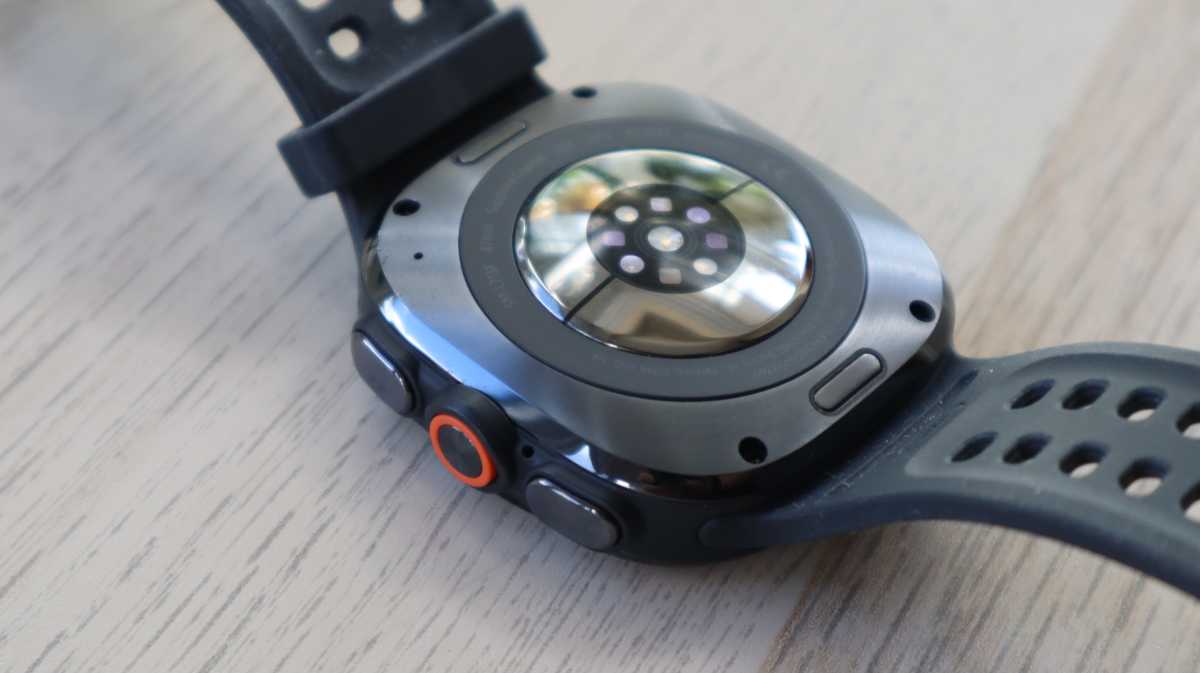
You don’t have to wear the Galaxy Watch Ultra 2 to know that it’s a fairly massive watch. I’ve been wearing an Apple Watch SE 2 on my other wrist for much of this review period, and it feels almost like a child’s watch compared to the amount of space taken up by Samsung’s premium wearable.
Thomas Deehan / Foundry
This isn’t to say that having a larger watch is a bad thing; it’s very much par for the course at this end of the market and it’ll come down to a matter of personal preference. Having used even bigger smartwatches in the past, I don’t mind it, and it helps to cement the feeling that the Watch Ultra 2 can take a knock or two.
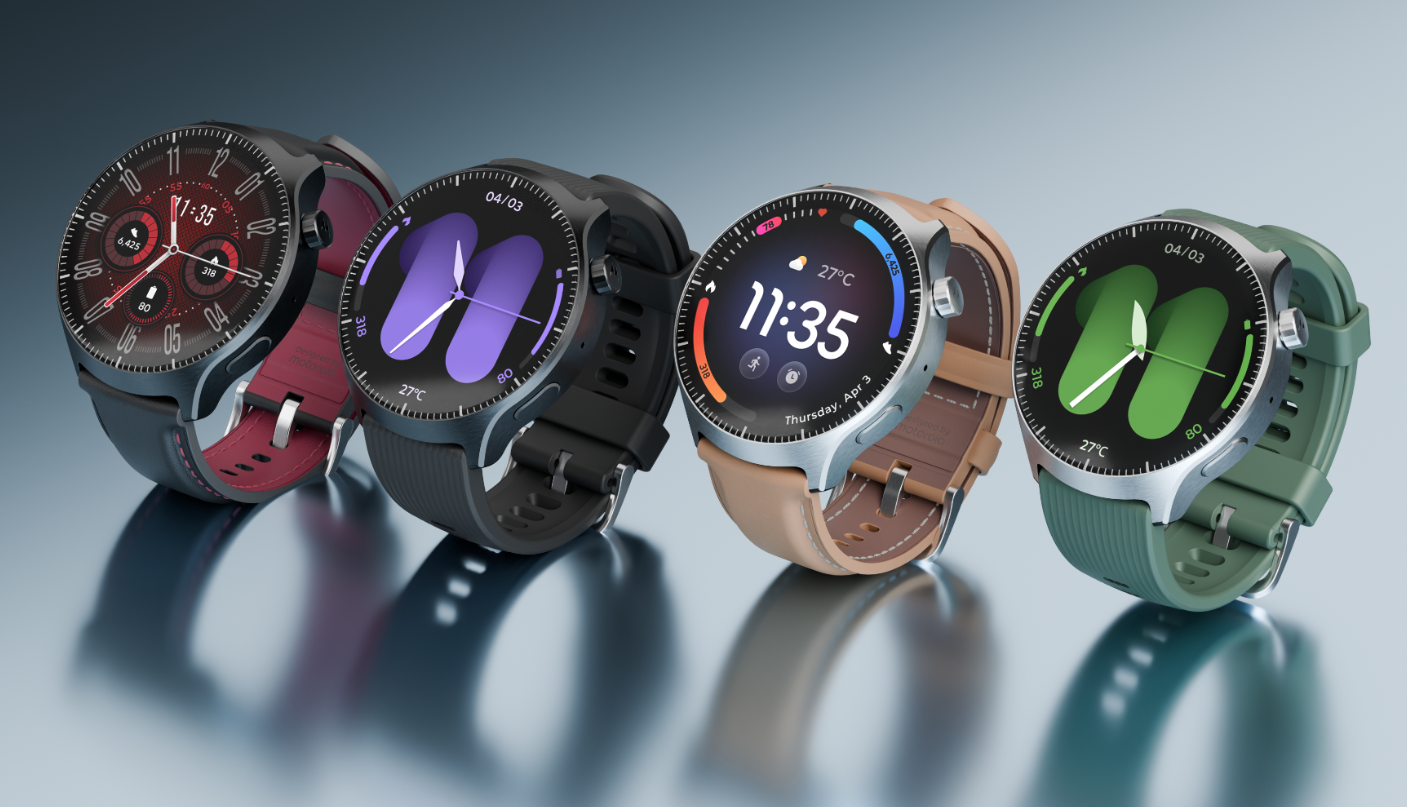
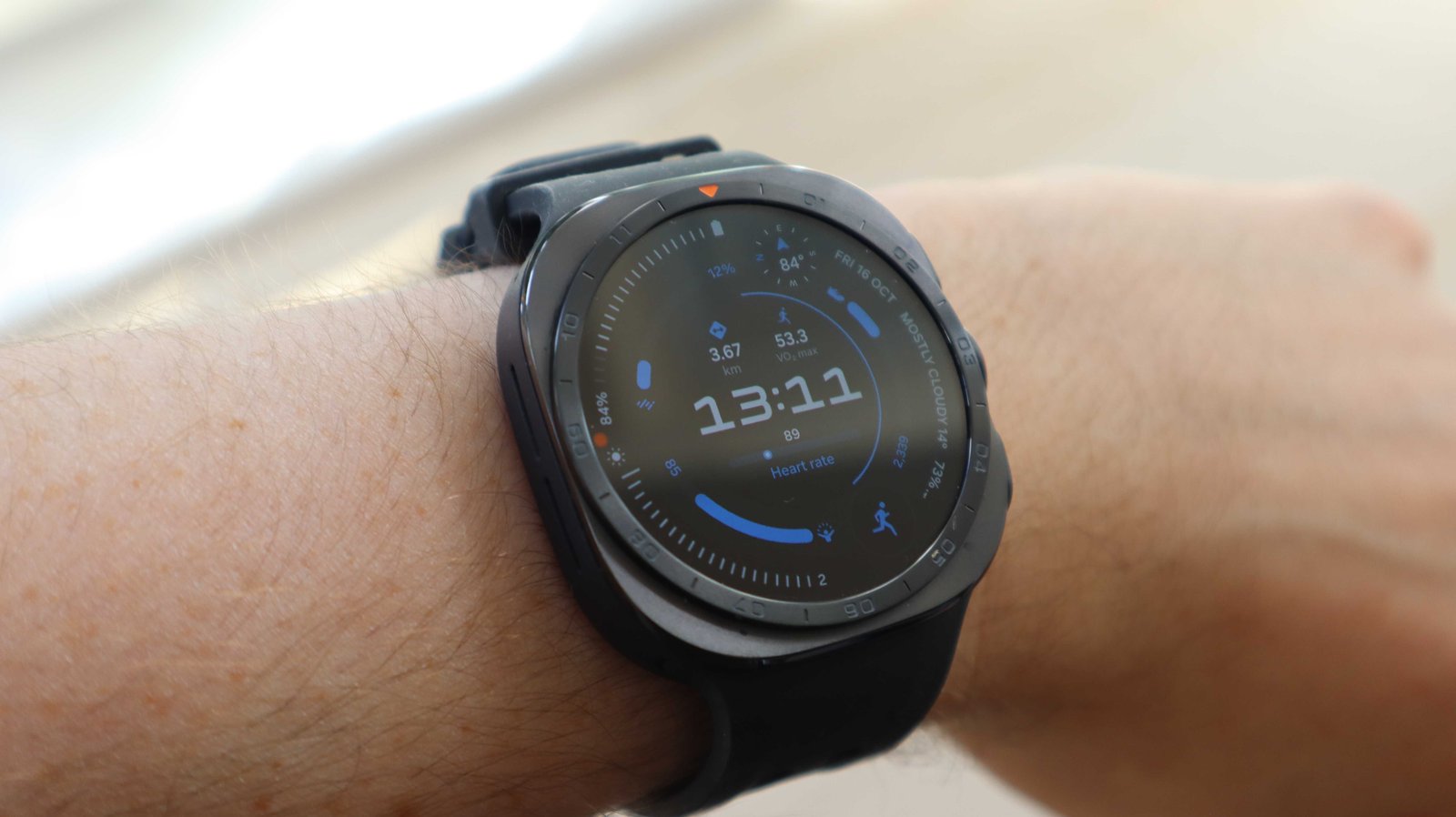
The rim of the display now has numbers etched into its surface, much like you might see on a traditional timepiece
Funnily enough, the Watch Ultra 2 is actually a tad thinner than its predecessor, with 1.4mm shaved off the depth, but it packs a more durable IP69K-rated build in spite of that. It’s still 10ATM water-resistant like before and, in the time I’ve been using the watch, it’s been to the pool for a swim and bounced around during several runs but it still looks fresh from the box.
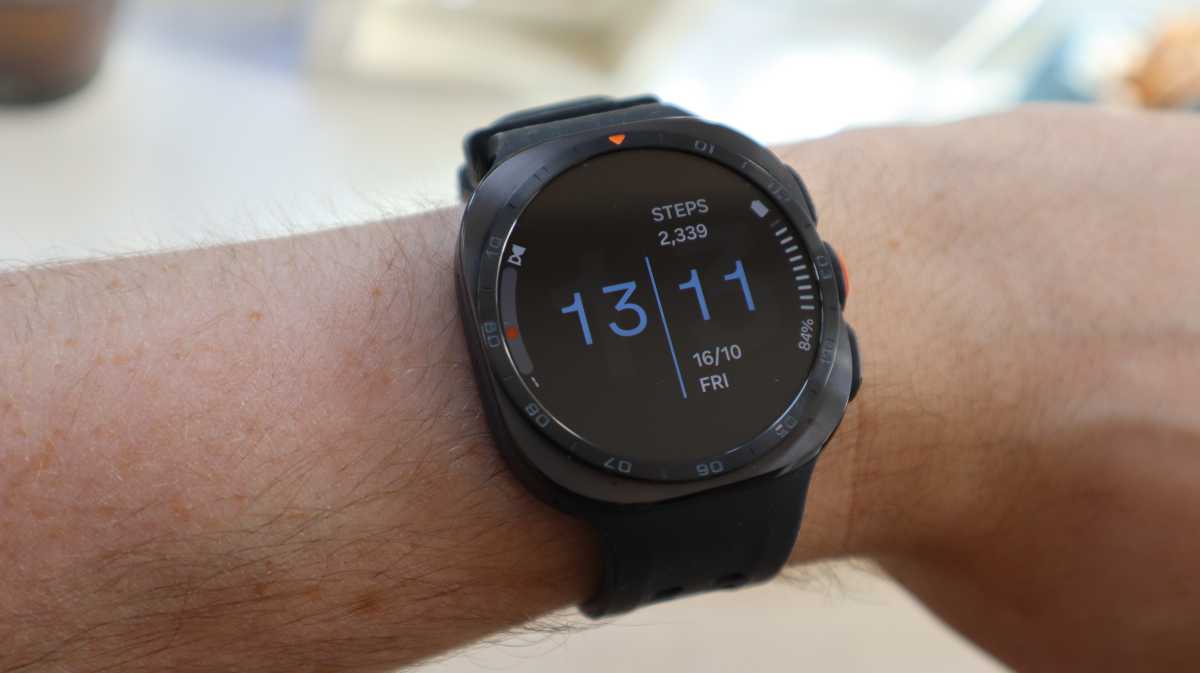
Visually, the Watch Ultra 2 is almost identical to the original Galaxy Watch Ultra, but there is a key differentiator in that the rim of the display now has numbers etched into its surface, much like you might see on a traditional timepiece. It’s a nice touch and does help to give this newer watch a bit more flair.
Screen & Audio
- 1.52-inch Super AMOLED display
- Brighter than before at 5000 nits
- Built-in speaker does a decent job
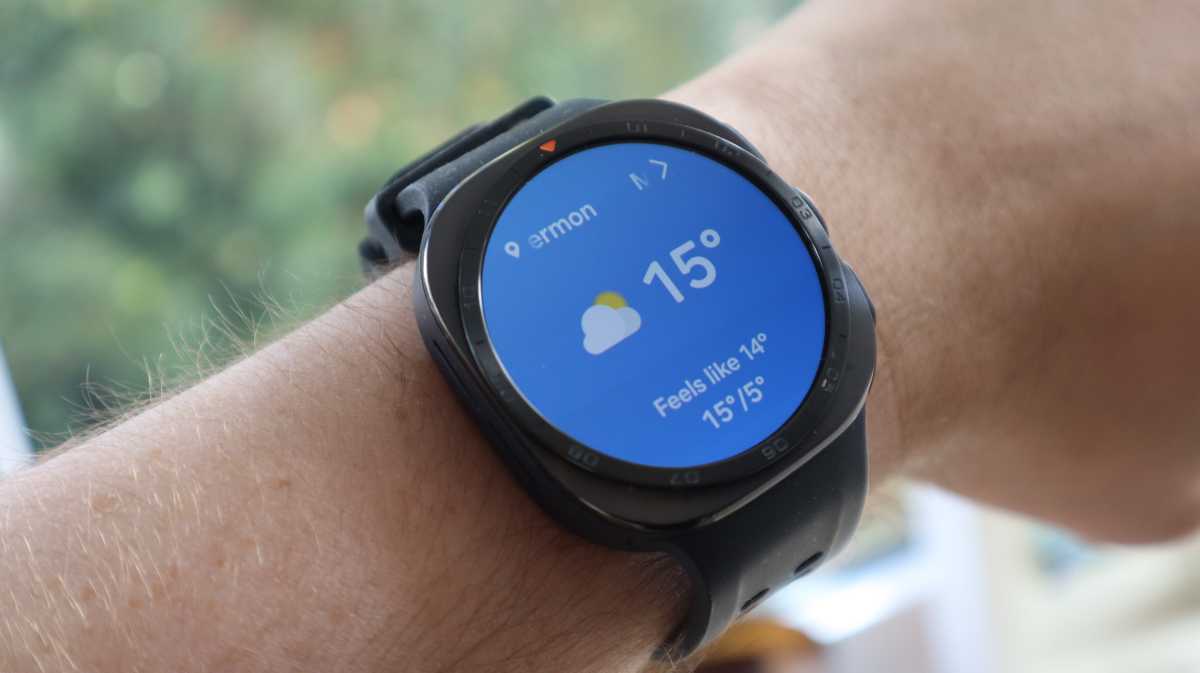
By way of being a larger watch, the Galaxy Watch Ultra 2 serves up a sizeable 1.52-inch display, which is an absolute joy to use. Aside from the battery life, it’s the display that feels like the biggest upgrade if you’re coming from a standard Galaxy Watch (the previous one I used was the Galaxy Watch 8).
Not only is it brighter than ever at 5000 nits, but all that space makes it very easy to scroll through apps, peruse your favourite Spotify playlists and check up on your workout data, all without ever incurring an accidental touch. It also makes the digital rotating bezel easier to use, with more space for your finger to move around the display, which is often preferable to scrolling up and down.
Thomas Deehan / Foundry
It’s very similar to my experience with the Garmin Venu X1, as that watch’s two-inch display is a big part of why it’s become my default smartwatch for well over a year now.
There is a built-in speaker on the Watch Ultra 2 that can be used for music, podcasts or audiobooks, should you find yourself without earbuds. Even though this feature is now fairly common at the higher end, it rarely translates into anything fun but I have been quite impressed with the sound quality here.
Playing Blink-182’s Every Time I Look For You, I was impressed by how much of the energy came through the watch, and when playing my go-to podcasts, vocals sounded weighty. If I found myself in a situation where I didn’t want to go reaching for my phone or a pair of headphones, I’d be happy with the sound quality on offer here, but I don’t recommend hitting maximum volume as things fall apart there.
Software & Features
- Faster 3nm Snapdragon Wear Elite chip
- Wear OS has never felt better
- Offline GPX maps now supported
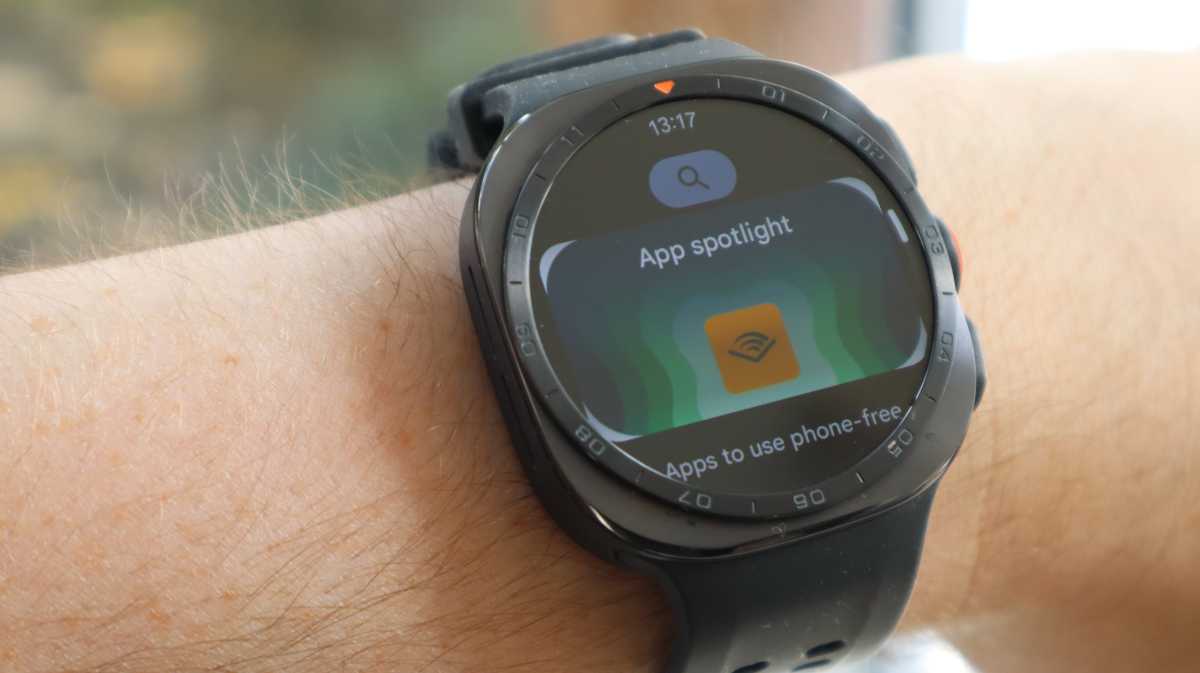
I’ve been using Wear OS watches long enough to know now that the lead Apple’s watchOS software had is nowhere near as substantial as it once was. Sure, animations are still a bit smoother on Apple Watch and it holds the best collection of watch faces around, but otherwise the core app experience is much the same.
Thomas Deehan / Foundry
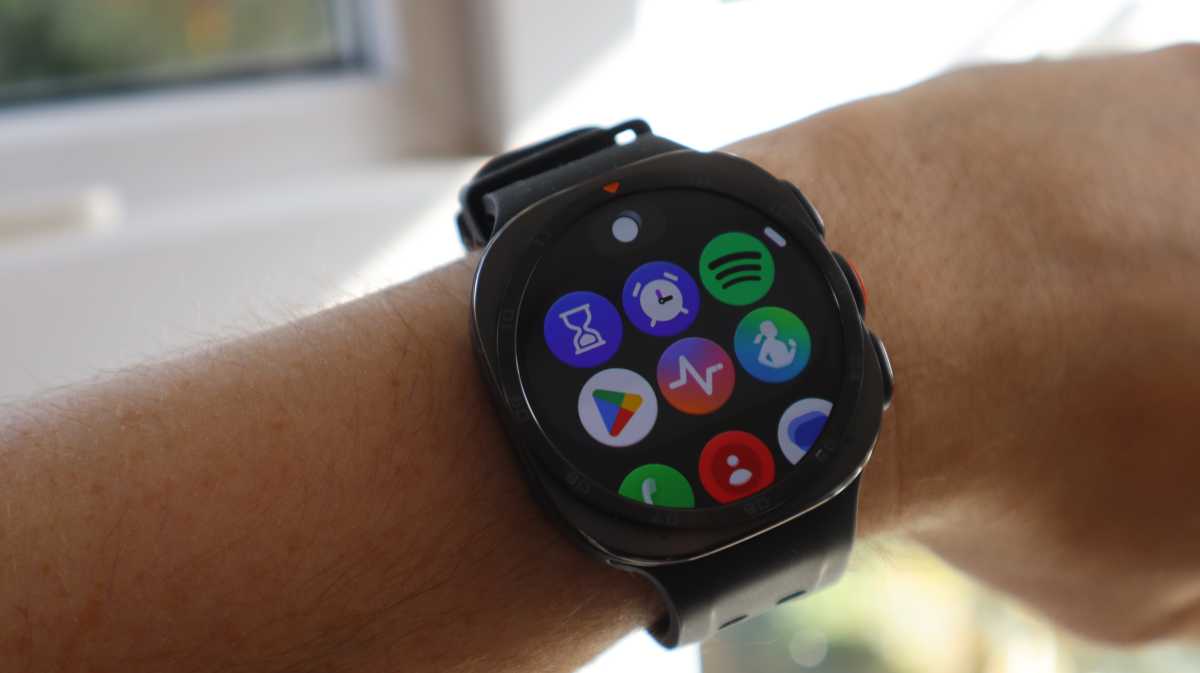
With the Watch Ultra 2 I’ve been able to download songs via Spotify, read my WhatsApp messages, chill out with Calm and more. In fact, when it comes to the digital assistant onboard, Gemini is still leagues ahead of the new Siri AI, making it easier to get the response you want from a complicated question or request.
A key difference here is that Samsung has ditched the Exynos silicon of the original Watch Ultra and installed the far more efficient 3nm Snapdragon Wear Elite. It’s allowed everything to run smoothly during the review period, and I was taken aback by just how quickly I could load my running playlists onto this watch – usually it takes a few minutes on my Garmin Venu X1 but here it was done before I could even fetch my running kit out of the drawer.
Samsung has fixed one of the big omissions from the original Watch Ultra, courtesy of a new Trail Run mode
Just like before, you have an additional input over the standard Galaxy Watch, known as the Quick Button. As its name suggests, this button’s purpose is to summon a feature of your choosing quickly. I set mine to turn on the torch (very handy during these darker mornings), but it can also start a workout, for instance. While it’s nice to have, I wouldn’t call it a game changer.
Samsung has fixed one of the big omissions from the original Watch Ultra, courtesy of a new Trail Run mode that lets you load GPX maps onto the watch itself. This allows for turn-by-turn navigation, finally making Samsung’s premium watch a contender for hikers and avid runners.
Thomas Deehan / Foundry
Fitness & Health Tracking
- New metrics such as Vascular Load
- Samsung Health app is wonderfully laid out
- Possibly too much data now on show
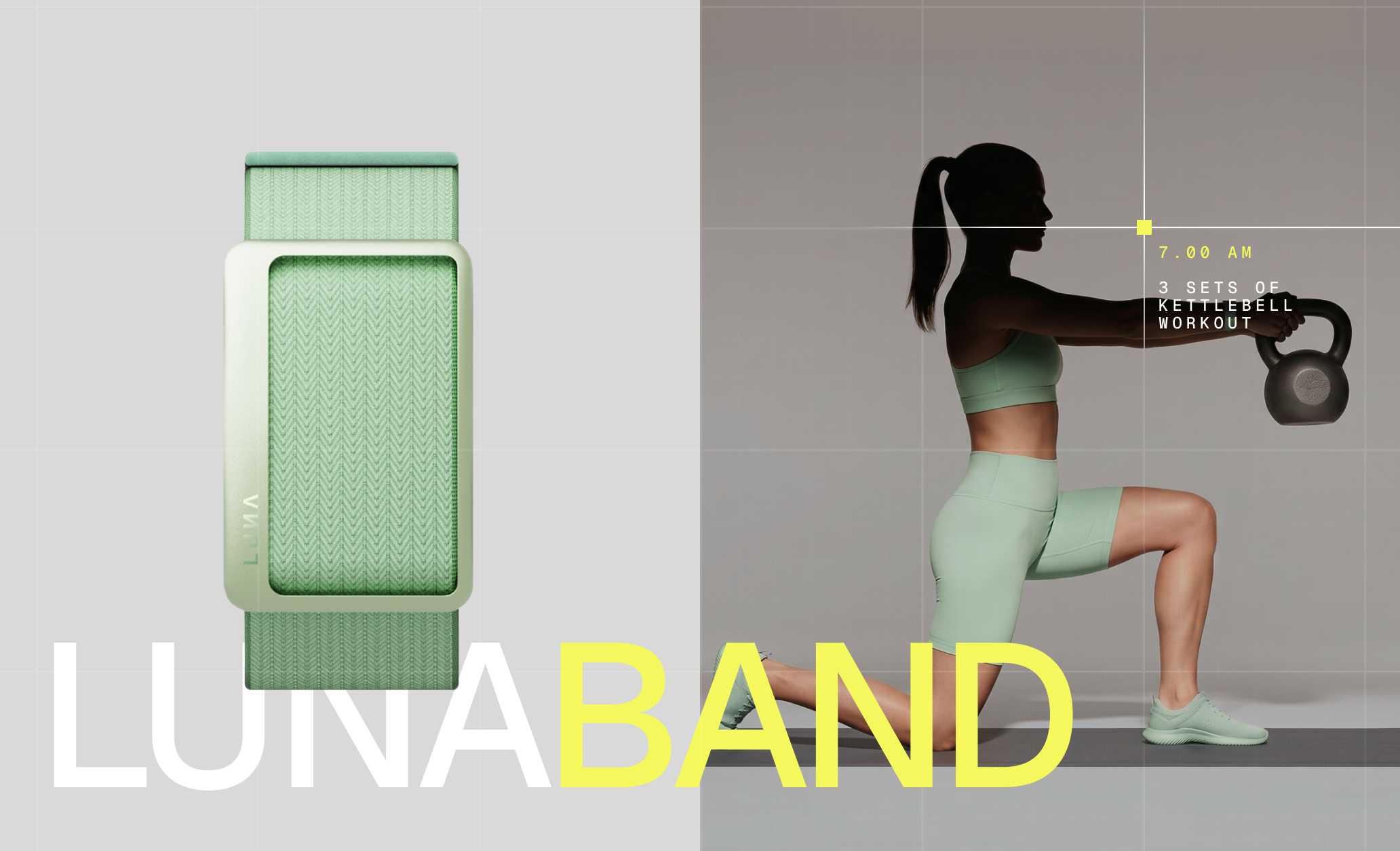
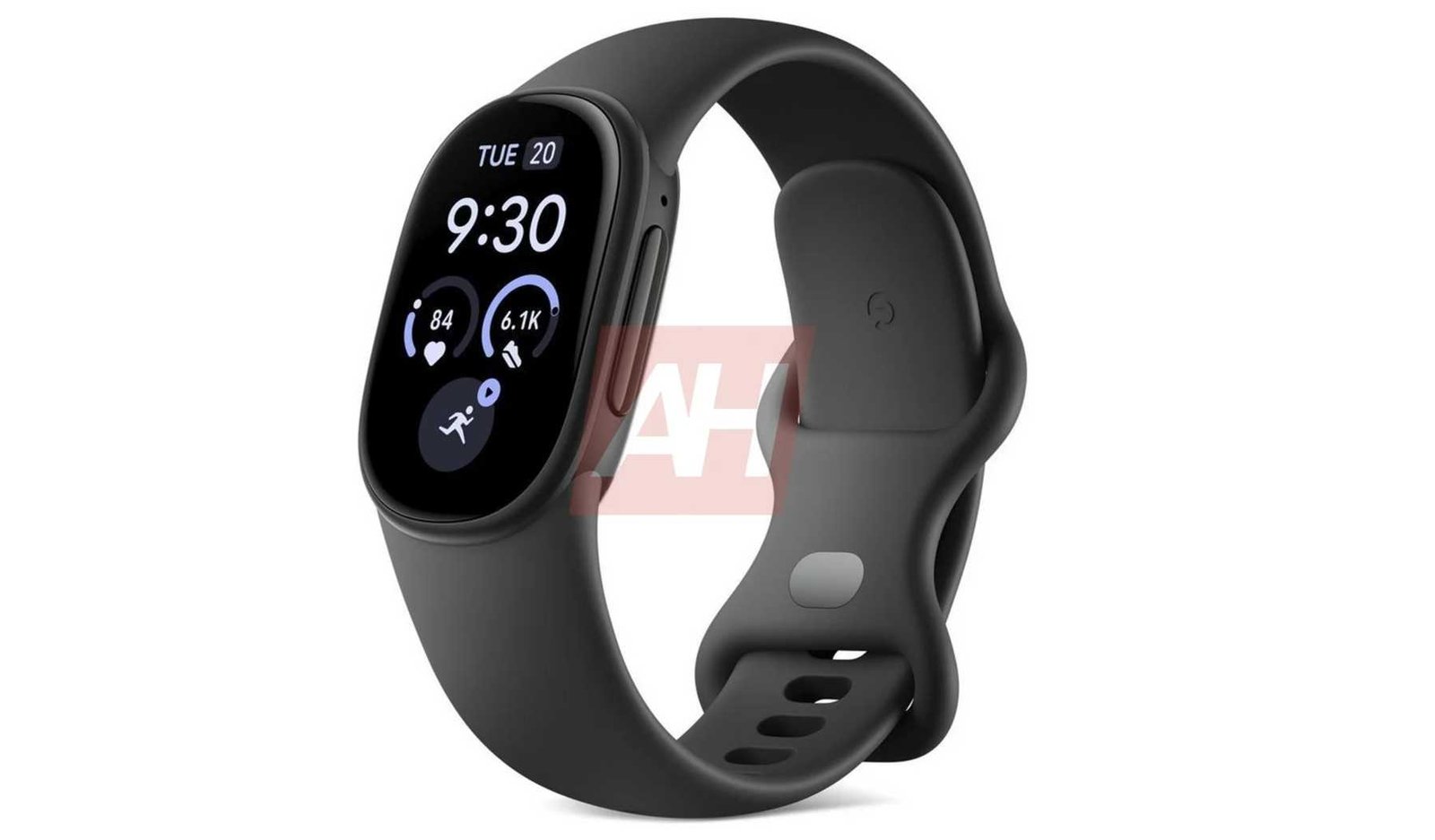
Arguably the biggest trend in fitness tracking of late is a move to adopt the health and recovery-first approach that was originally popularised by the Whoop Strap. The Fitbit Air leaned heavily into this concept, as does the Luna Band. I’d now add the Galaxy Watch Ultra 2 to that group.
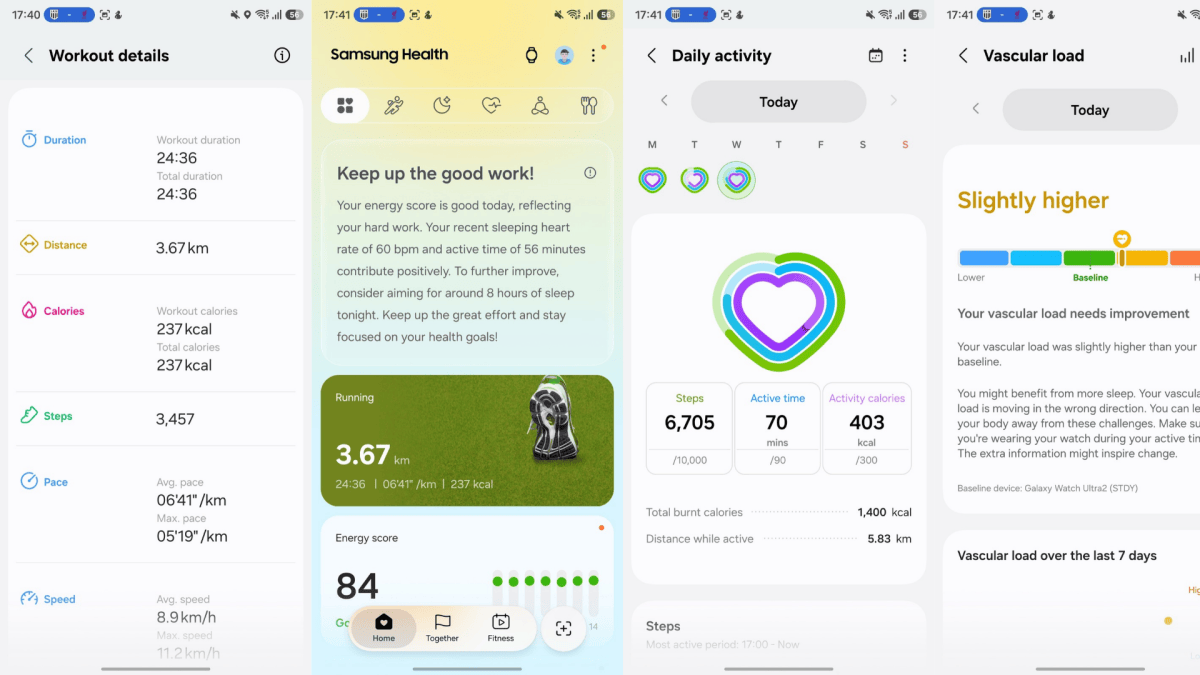
In addition to existing stats such as Energy Score, there’s now a Daily Cardio Load to factor in, a Vascular Load score and a designated number relating to your heart health, and a section for Vitals to let you know if any of your baselines are out of whack. On the one hand, I do appreciate that Samsung is going further than most here in offering up a comprehensive suite of insights, but there does come a point of diminishing returns, which is where I now find myself.
Thomas Deehan / Foundry
Even though it costs a small fortune to keep the membership up, I appreciated the simplicity of Whoop’s approach. It breaks down all its data into two key concepts: how well I’d rested, and how much energy I have left in the tank, to make sure that I don’t overdo it during a workout. I love that because it’s clear, and it helped me to pick up on factors such as the impact of caffeine or alcohol on my sleep quality.
In Samsung’s case, as much as I love the layout of the Samsung Health app and wish that Apple would take a few notes here, I can’t help but feel overwhelmed by the sheer amount of data I’m greeted with every time I open up the dashboard.
At the very least, Samsung does nail the core fitness tracking experience so it’s easy enough to overlook all that and hone in on the stuff that actually makes a difference. The GPS performance is some of the best I’ve seen on a smartwatch, typically connecting in just three or four seconds, while the watch’s heart rate monitor was only ever, on average, 1BPM outside the result captured by the high-end Garmin Venu X1.
Thomas Deehan / Foundry
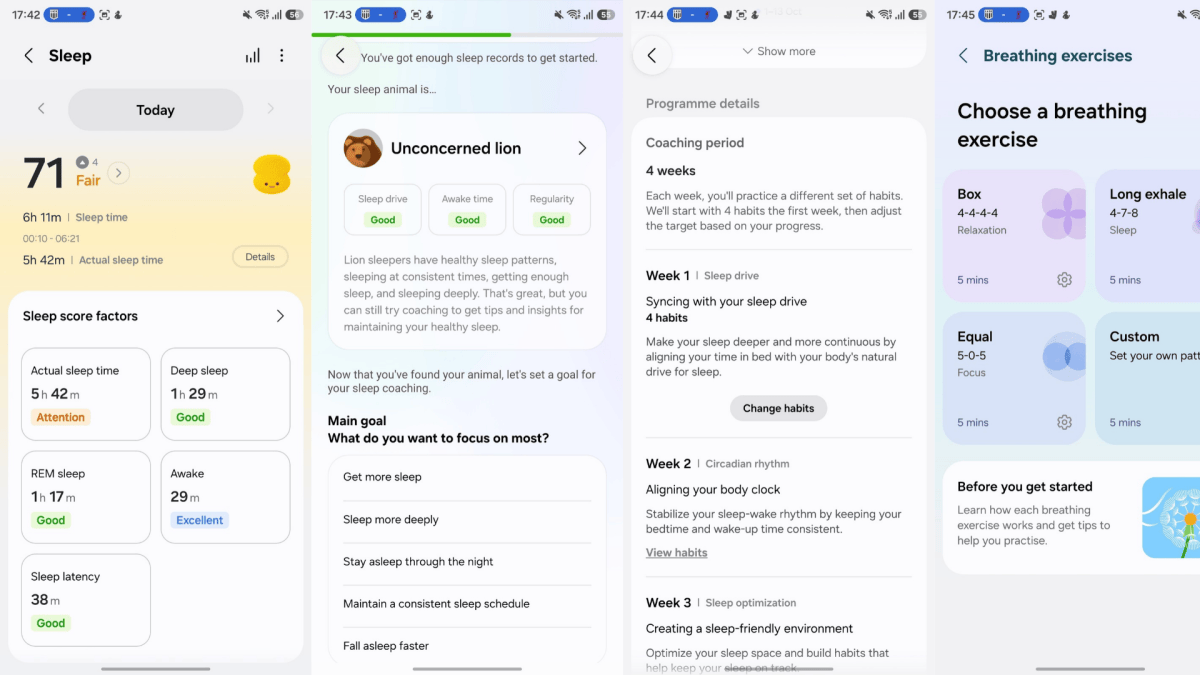
I also feel that Samsung has some of the best sleep tracking software, alongside Huawei. Your sleeping patterns are summarised by a ‘Sleep Animal’ which is such a great idea for presenting accumulated data in an accessible way, and the app then provides a structured sleep plan to help you in the areas you’re lacking. It’s another area in which Apple could do with catching up.
Battery Life & Charging
- Larger 800mAh battery
- Can easily last two or three days
- Charging is still slow, despite an improvement
Of all the upgrades I’ve discussed, the one that has meant the most to me is the vastly improved battery life. As much as I’ve loved using last year’s Samsung Galaxy Watch 8, its biggest problem was that, depending on how hard you pushed it, it could occasionally require not just a charge in the morning, but also a top-up before bed.
You can easily get at least two days between charges
Thankfully, the Galaxy Watch Ultra 2 has no such issue thanks to a larger 800mAh cell under the hood. I was able to take my review unit off the charging puck at 9am on a Monday and, after a tracked swim, plenty of notifications and a ton of timers for cooking, it didn’t reach 0% until Thursday morning. As a sleep-deprived dad who can just about remember to charge his phone every day, I appreciate that I don’t also have to factor the Galaxy Watch Ultra 2 into that routine. Of course, your mileage may vary but you can easily get at least two days between charges.
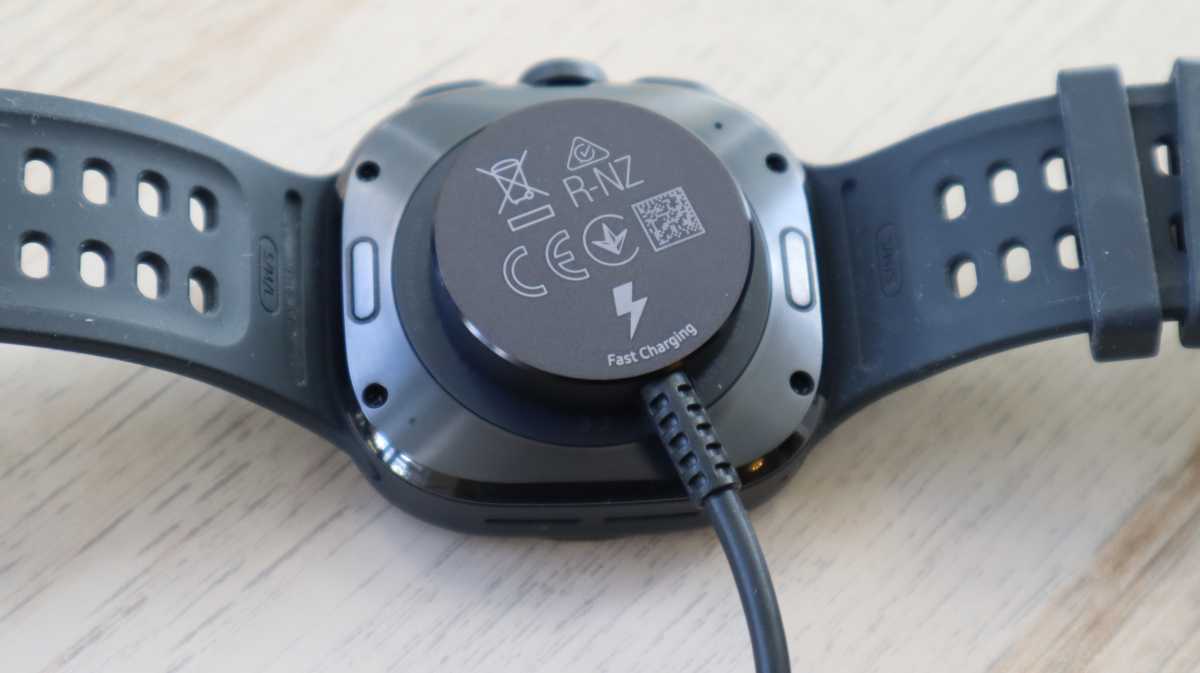
What isn’t so impressive is the charging. Samsung has explained that the upgraded charging puck that’s shipped with the watch is now faster than previous iterations, but because the battery is so big, I found the charging process to be pretty laborious.
Thomas Deehan / Foundry
A full charge from 0% took roughly two hours and 18 minutes, which feels like an age. Even to get to 49% took an hour, while a quick 15-minute top-up brought back 15%, so I recommend placing the watch on charge the moment you wake up so it’s ready to go when you head off for work.
Price & Availability
The Samsung Galaxy Watch Ultra 2 is available to buy globally, with a price of £649/$699.99. That does represent a slight uptick on the price of the original Galaxy Watch Ultra, which sold for £599/$649.99 at launch.
Even though the Apple Watch Ultra 4 (£749/$799) is the Galaxy Watch Ultra 2’s biggest rival on paper, these watches won’t work across ecosystems, so Samsung’s watch is not a serious consideration for iPhone users, and vice versa.
What this Galaxy Watch is really going up against are similarly priced watches from Garmin. The Garmin Venu X1 is the closest competitor at £599.99/$799.99, and it comes with a built-in LED torch, plus a longer, eight-day battery life (with the always-on display switched off).
Thomas Deehan / Foundry
Should you buy the Samsung Galaxy Watch Ultra 2?
I really enjoyed my time with the Samsung Galaxy Watch Ultra 2. If you’re a die-hard Wear OS fan who wants a watch with better durability and longer battery life that’s ideal for tackling a marathon or trail run, this is absolutely the watch to buy. Everyday performance is great, and being able to interact with apps on the large 1.52-inch display is a lot of fun.
For everyone else however, I think it’s worth sticking with the standard Galaxy Watch 9, or even seeking out the Galaxy Watch 8 at a discount. The software experience is identical, but the barrier to entry is a lot lower. Plus, if you are looking to undertake a longer run but aren’t too fussed about the ecosystem, I’d recommend a Garmin watch like the Garmin Venu X1 or the Garmin Venu 4 where the battery life can go much further, often beyond a week.
Specs
- 1.52-inch Super AMOLED display
- 5000 nits peaks brightness
- 47mm sizing
- 47.4 x 47.4 x 10.7mm
- 800mAh battery
- 64GB storage
- Dual-band GPS
- Snapdragon Wear Elite 3nm processor