A Look at china proposes automakers handle traffic violations in fully autonomous mode
China’s draft revision to its road traffic safety law proposes that manufacturers handle traffic violations in fully autonomous driving mode.

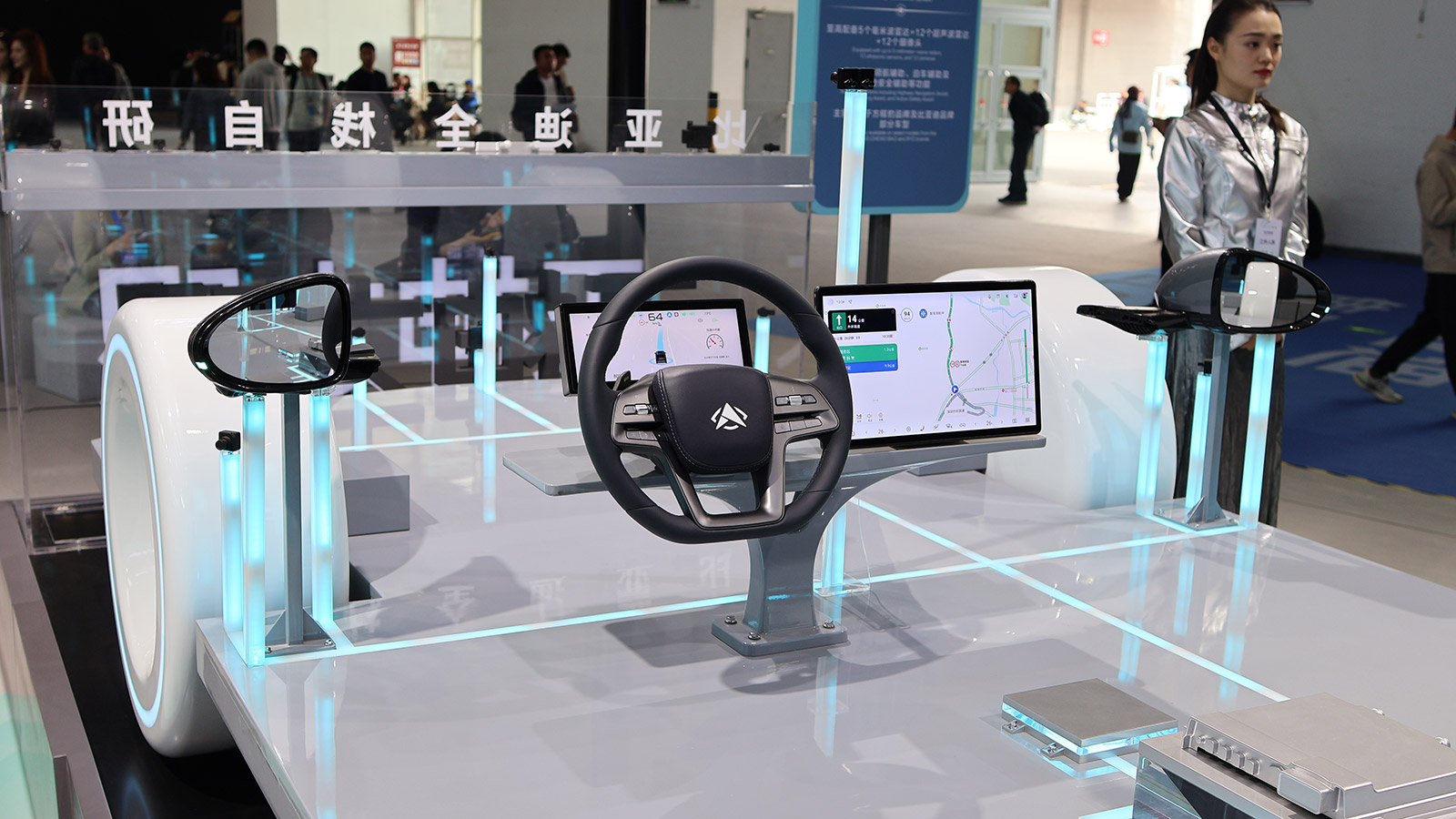
China’s draft revision to its road traffic safety law proposes that manufacturers handle traffic violations in fully autonomous driving mode.
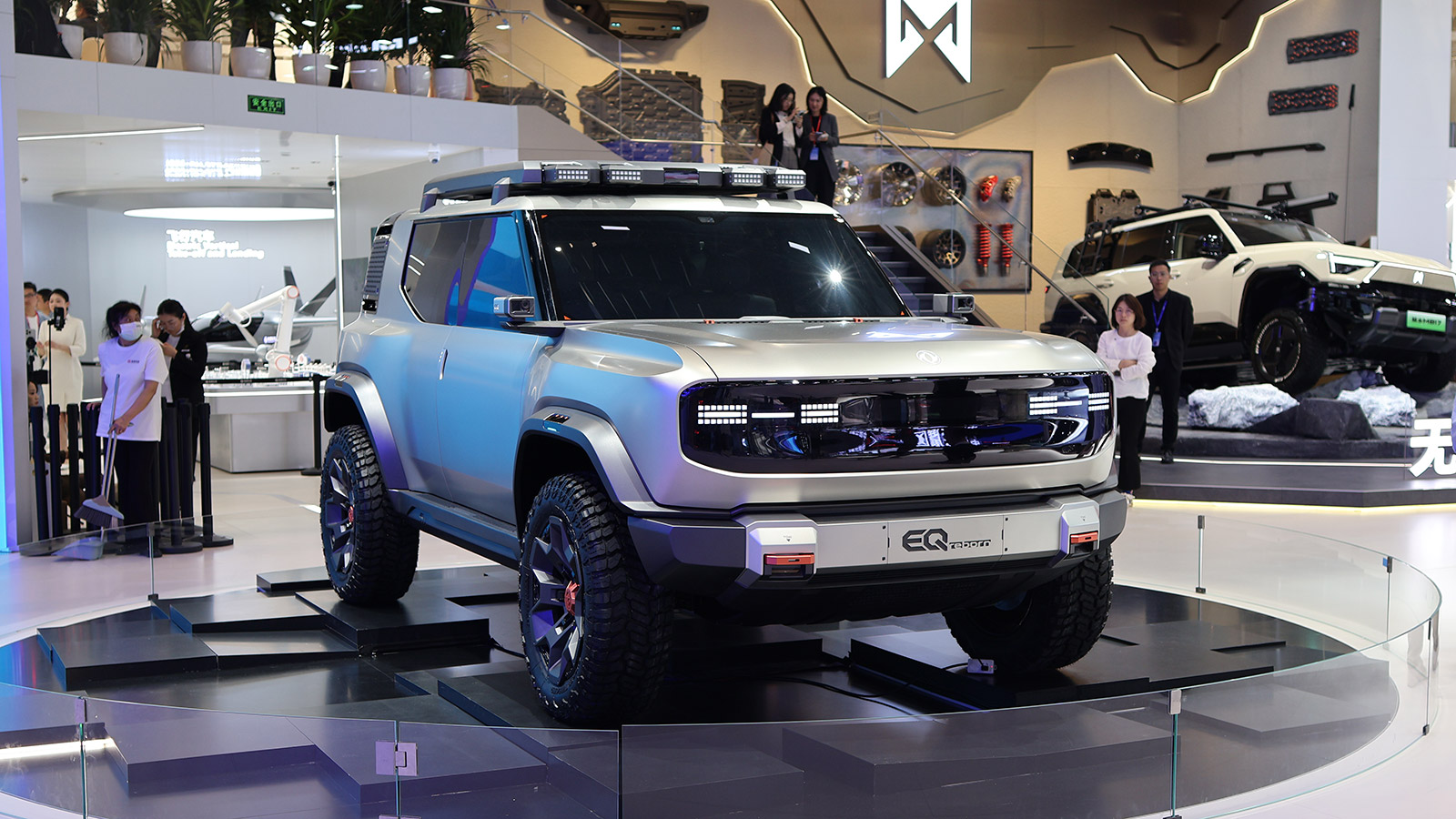
MIIT said irrational competition remains a serious problem, with some aggressive designs installed in vehicles before adequate validation.
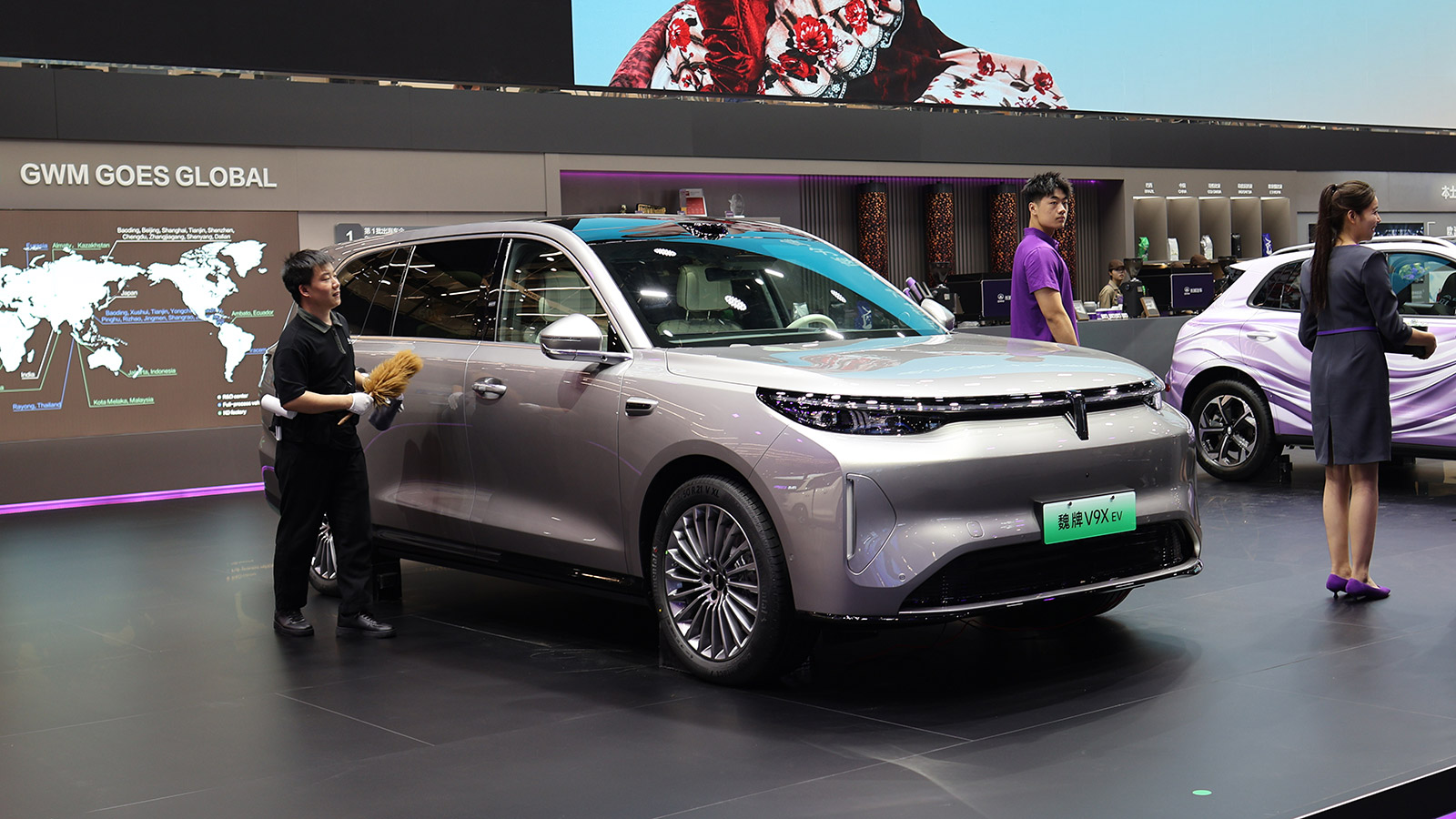
China will conduct nationwide inspections of intelligent connected vehicle safety, R&D and production capabilities, and product conformity.
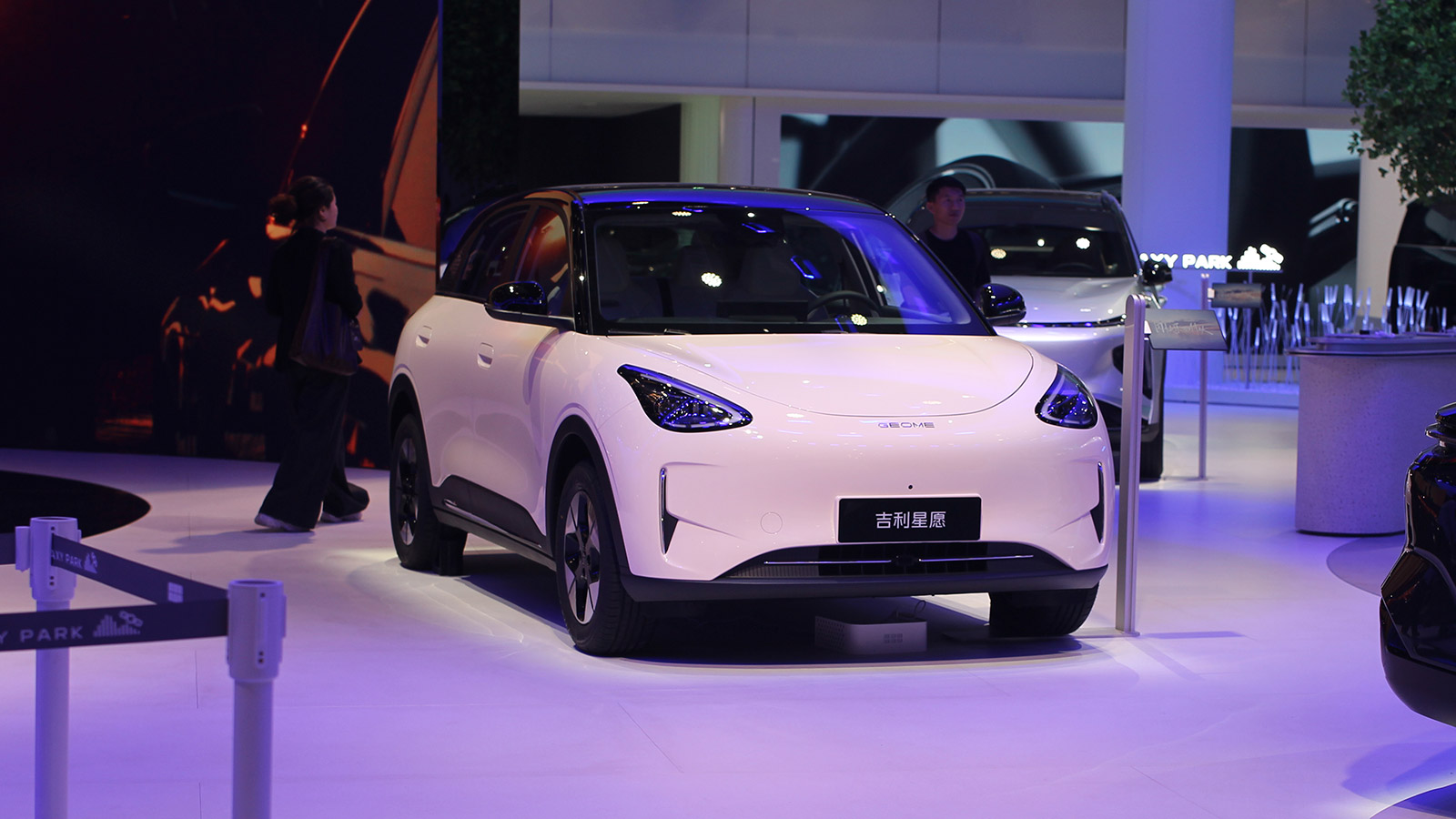
The Xingyuan sample vehicle’s wheelbase deviation exceeded the permitted 1% margin, while the Qin L DM-i’s fuel consumption was higher than its declared level.
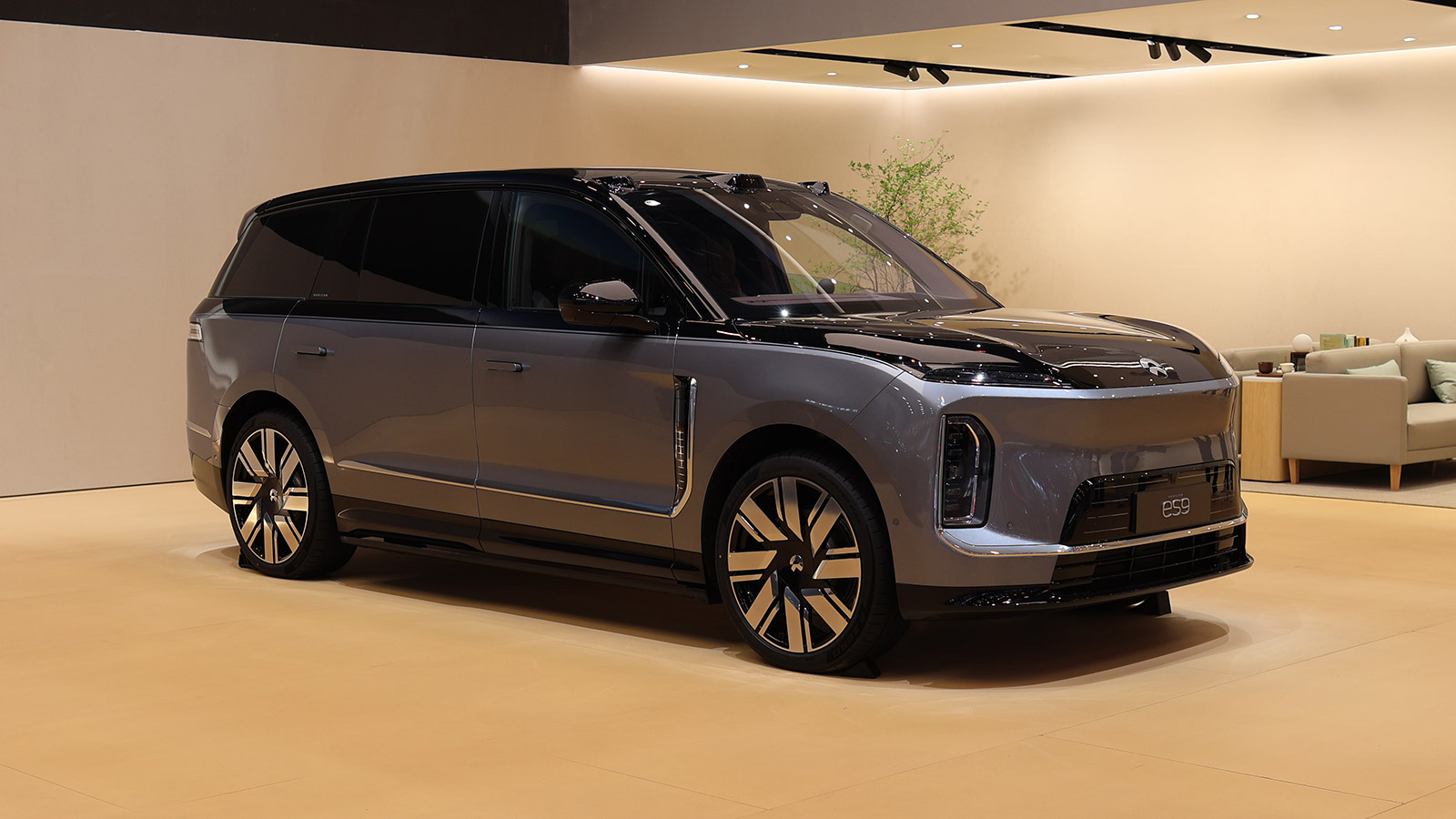
The new rules provide size exemptions for radar, cameras and V2X antennas, creating more design space for autonomous-driving and vehicle-road coordination hardware.
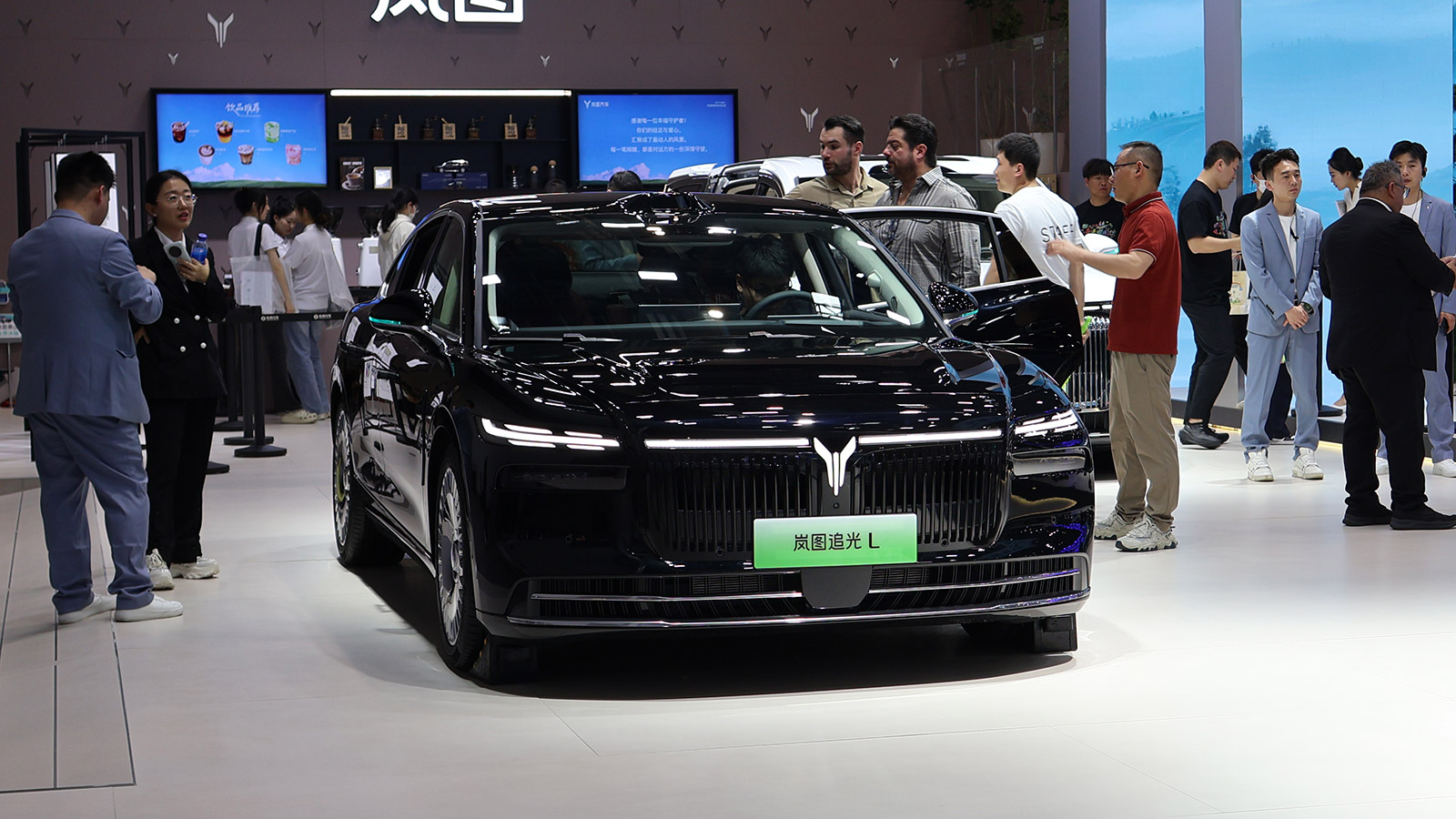
The new guidelines call on automakers to avoid frequent, steep overseas price changes and respect local dealers’ pricing autonomy.
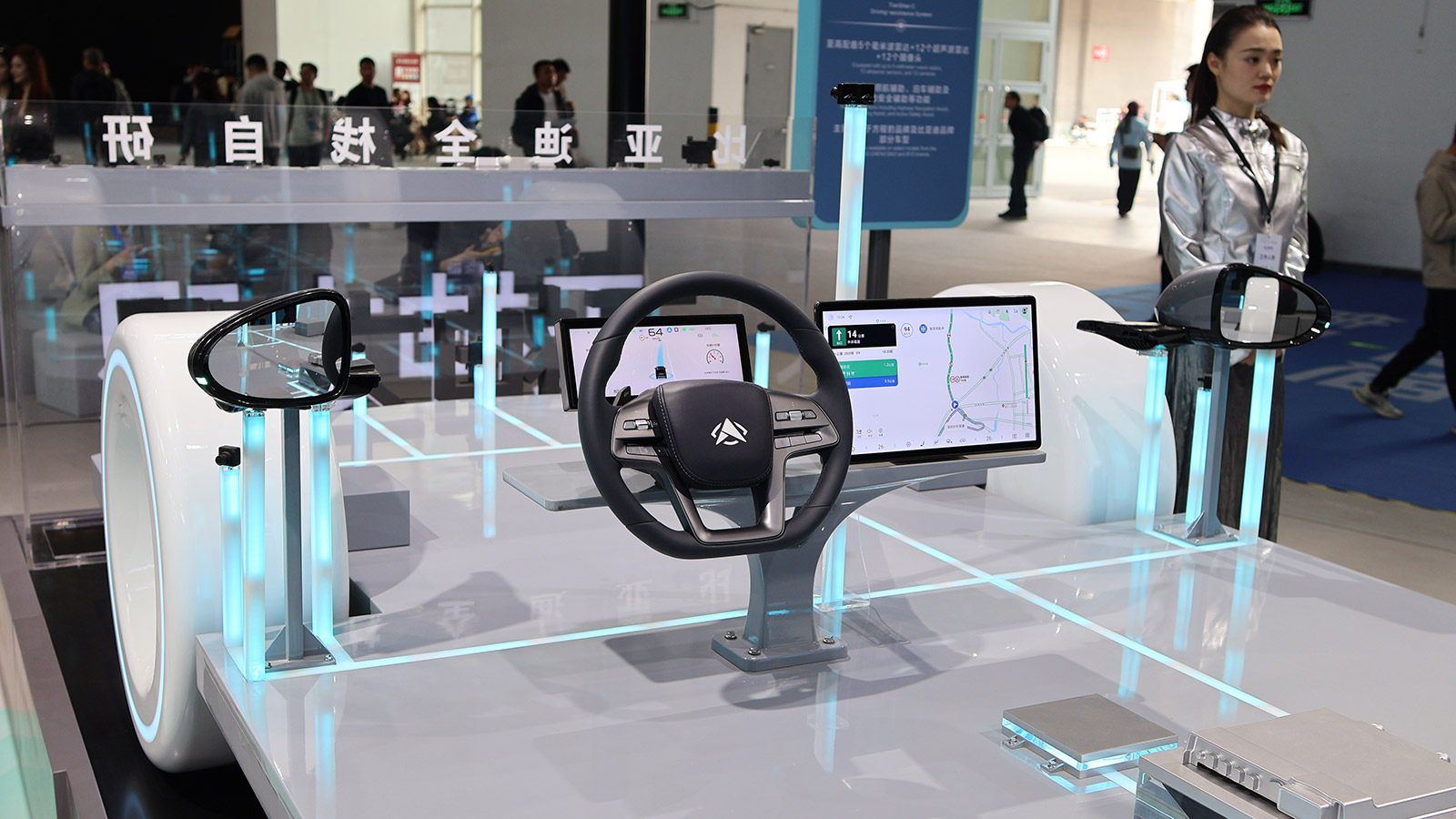
China targets NEV shares of 70% for passenger-car sales and 40% for commercial-vehicle sales by 2030, alongside large-scale deployment of autonomous vehicles.
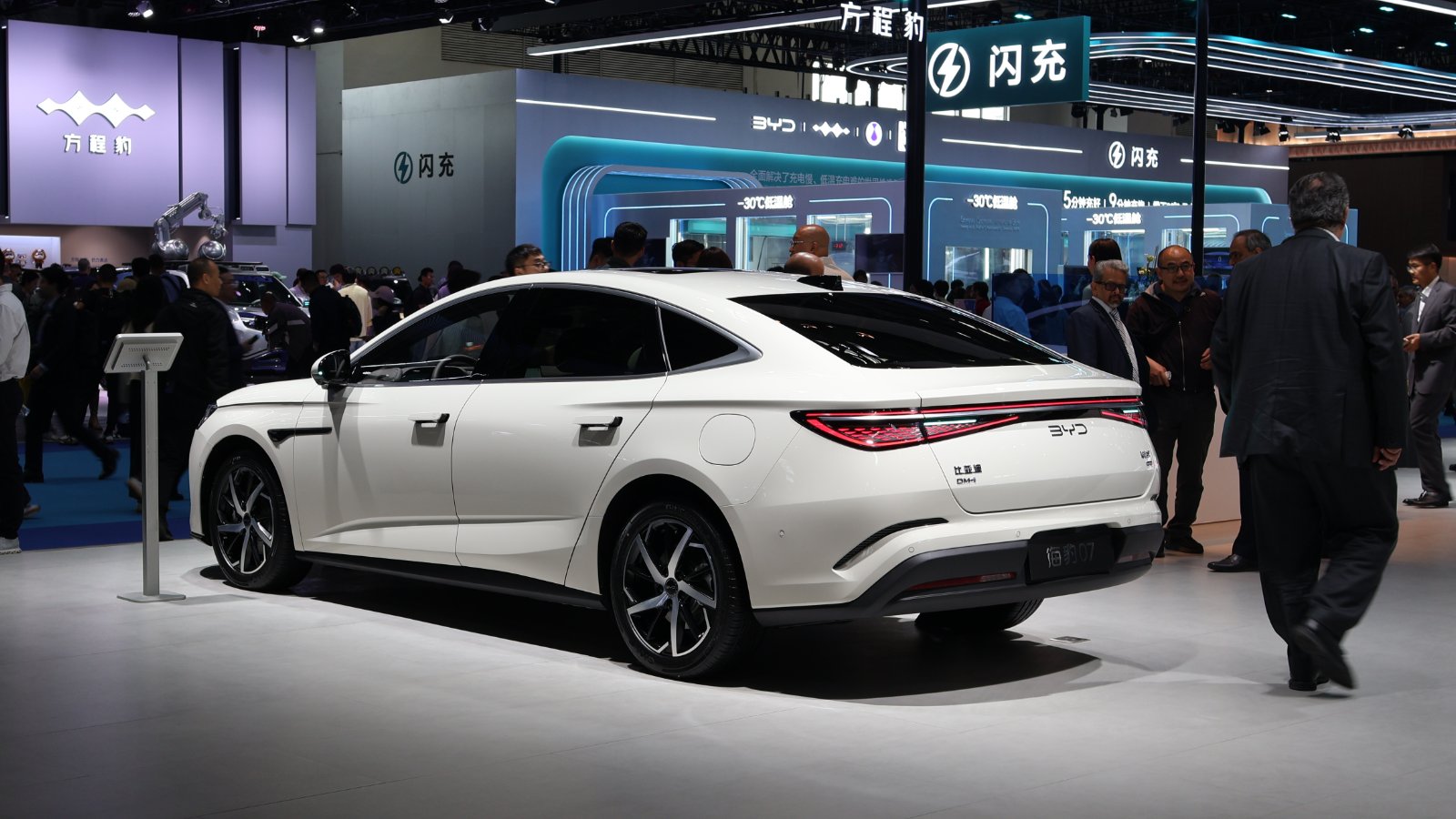
The EU is seeking a negotiated deal to limit imports of China-made hybrids and may raise tariffs if no agreement is reached.
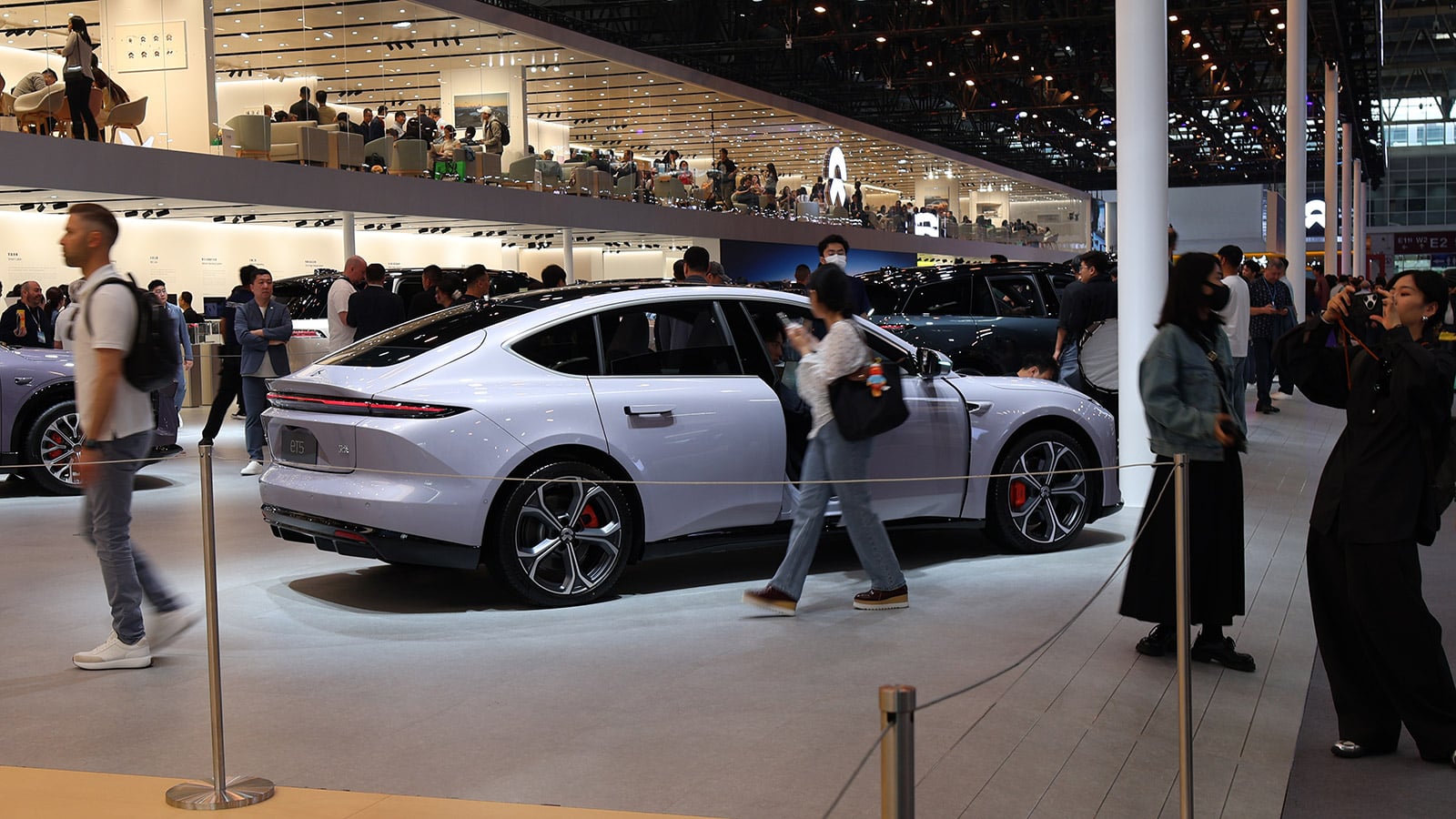
Hainan plans to raise NEVs’ share of its vehicle fleet to 45% by 2030.
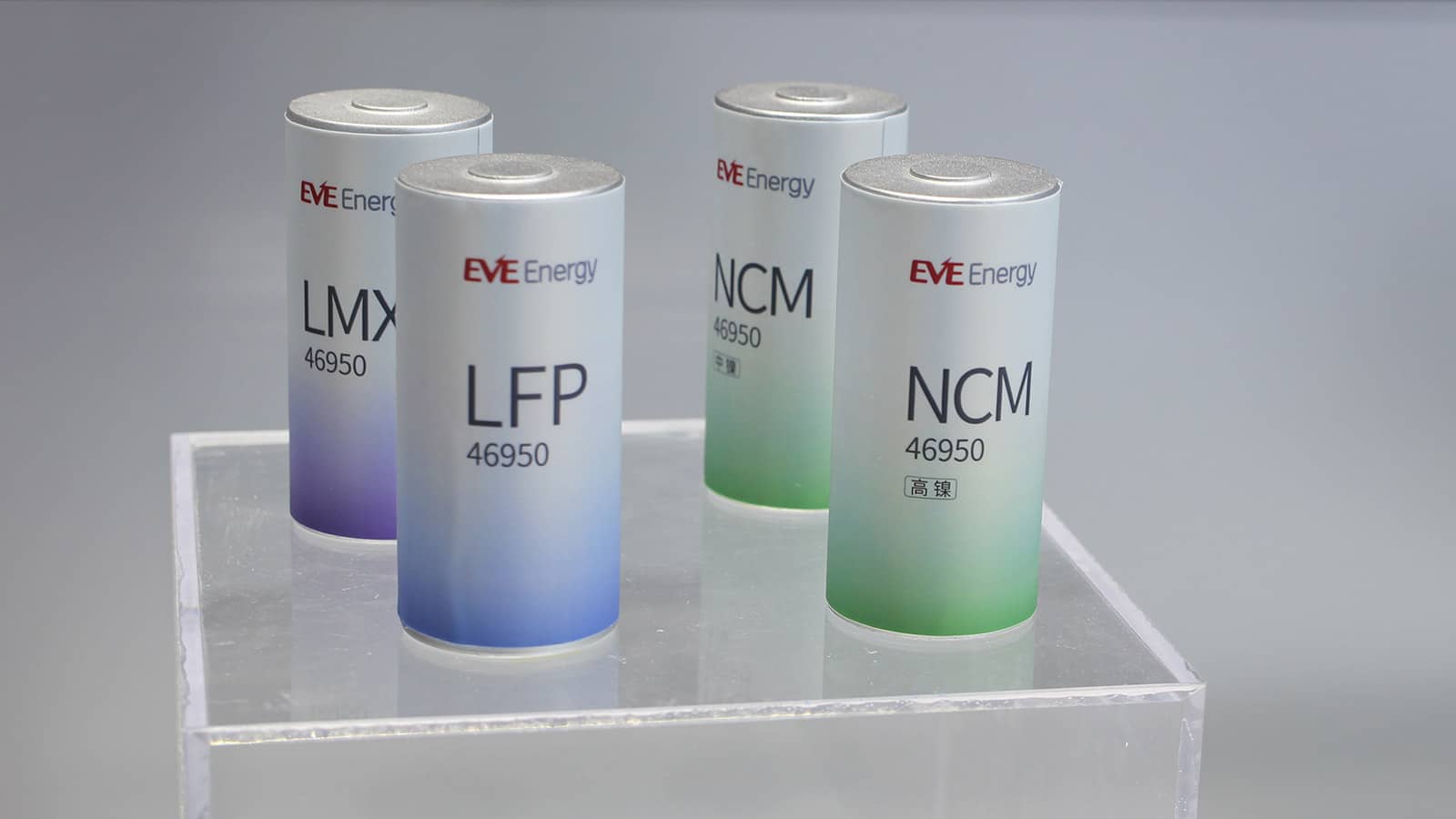
Lithium-ion batteries will be subject to a 2% consumption tax from September 1, 2026, with the rate rising to 4% from September 2027.