
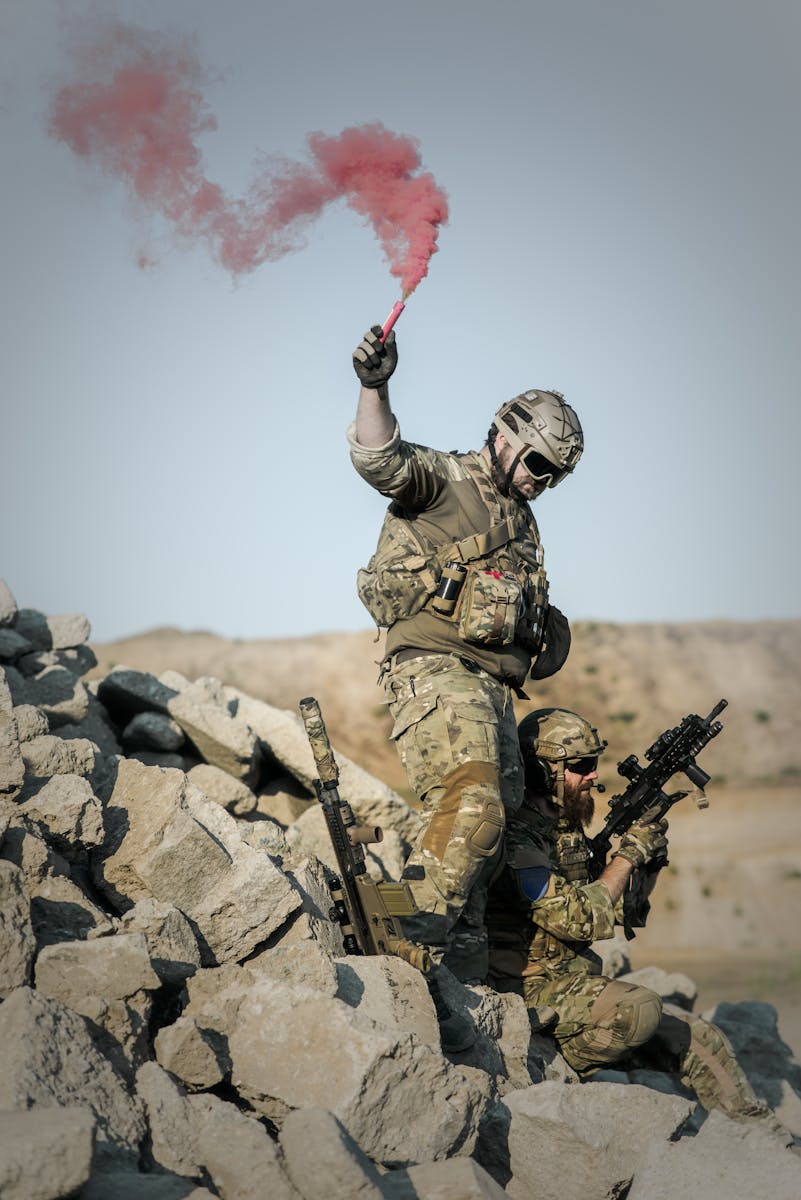
Despite escalating regional conflicts, Dubai continues to thrive as a global economic hub, with its diverse resident population largely maintaining a sense of normalcy and optimism. The emirate, a beacon of stability and opportunity in the Middle East, demonstrates remarkable resilience as its inhabitants focus on daily life, career pursuits, and the city’s relentless growth.
Background: The Genesis of the Dubai Dream
Dubai’s transformation from a modest pearling port into a sprawling metropolis is a testament to strategic vision and relentless diversification. In the 1970s, oil discoveries provided initial capital, but farsighted leadership recognized the finite nature of this resource. Under the guidance of Sheikh Rashid bin Saeed Al Maktoum and subsequently Sheikh Mohammed bin Rashid Al Maktoum, Dubai embarked on an ambitious journey to become a global leader in trade, tourism, logistics, and finance.
This vision materialized through massive infrastructure projects like Jebel Ali Port, Dubai International Airport, and iconic real estate developments. The establishment of numerous free zones, offering 100% foreign ownership and tax incentives, attracted international businesses and talent. The “Dubai Dream” emerged as a powerful narrative: a place where individuals from across the globe could pursue economic prosperity, enjoy a high standard of living, and experience a unique blend of safety and multiculturalism, often free from income tax.
Recent global events have further amplified Dubai’s appeal. The COVID-19 pandemic prompted many to reassess their living environments, with Dubai’s efficient handling of the crisis and open-door policy attracting a new wave of residents. The Russia-Ukraine conflict in early 2022 led to a significant influx of Russian and Ukrainian citizens, many seeking a safe haven for their families and assets amid sanctions and geopolitical uncertainty. Simultaneously, a growing number of European, Asian, and North American professionals and entrepreneurs have relocated, drawn by the city’s economic dynamism, visa reforms, and perceived stability.
The United Arab Emirates, of which Dubai is a part, has historically navigated regional complexities with a policy of non-alignment and economic engagement. While maintaining strong alliances, the UAE has also pursued diplomatic initiatives like the Abraham Accords in 2020, normalizing relations with Israel and further diversifying its regional partnerships. This pragmatic approach has allowed Dubai to largely insulate its economic engine from many of the political turbulences that have affected other parts of the Middle East over decades.
Key Developments: Navigating Recent Geopolitical Shifts
The escalation of the Israel-Hamas conflict following the October 7, 2023, attacks introduced a new layer of regional tension. While the conflict primarily affects the Levant, its ripple effects on global sentiment and regional stability are undeniable. The UAE’s official response has emphasized humanitarian aid, calls for de-escalation, and a two-state solution, while maintaining its diplomatic and economic ties.
Despite these regional developments, Dubai’s economic indicators have largely demonstrated continued robustness. The real estate market, a significant barometer of confidence, has remained buoyant. Throughout 2023, Dubai recorded unprecedented transaction volumes, with property sales exceeding AED 400 billion (approximately USD 109 billion), a significant increase over previous years. Rental prices, particularly for luxury properties, saw substantial year-on-year increases, reflecting sustained demand from new arrivals and investors. High-end areas like Palm Jumeirah, Downtown Dubai, and Emirates Hills continued to attract ultra-high-net-worth individuals seeking prime residences and investment opportunities.
The tourism sector, a cornerstone of Dubai’s economy, has also shown remarkable resilience. Dubai International Airport (DXB) reported handling over 86.9 million passengers in 2023, surpassing its 2019 pre-pandemic figures. Major events, such as COP28, the UN climate change conference held in Dubai in late 2023, brought hundreds of thousands of delegates and visitors, showcasing the city’s capacity to host large-scale international gatherings. Hotel occupancy rates remained high, and new luxury resorts continued to open, indicating investor confidence in the long-term prospects of Dubai’s hospitality industry.
The financial sector experienced continued growth, with foreign direct investment (FDI) inflows remaining strong. Business registrations across various free zones and the mainland continued at a brisk pace, particularly in technology, logistics, and professional services. The Dubai Financial Market (DFM) demonstrated stability, reflecting general investor confidence in the emirate’s economic policies and regulatory environment. Government initiatives, including enhanced Golden Visa and Green Visa programs, continued to attract long-term residents, skilled professionals, and entrepreneurs, reinforcing Dubai’s position as a magnet for global talent.
Impact: A City That Keeps Moving
For the millions of residents who call Dubai home, the prevailing sentiment is one of continuity and a focus on daily life, even as regional headlines dominate international news. The “life goes on” narrative is palpable across the emirate, from bustling business districts to family-friendly neighborhoods.
Residents’ Perspectives: Security, Optimism, and Daily Life
A primary factor contributing to this sense of normalcy is Dubai’s robust security environment. Residents, both Emirati and expatriate, frequently express a profound sense of safety and stability. The visible presence of law enforcement, coupled with advanced surveillance systems and a strict legal framework, fosters an environment where crime rates are exceptionally low. This feeling of personal security is often cited as a key differentiator, allowing residents to focus on their professional and personal lives without constant apprehension, even when geopolitical tensions rise elsewhere.
Economically, optimism remains a dominant theme. Many expatriates observe that job opportunities continue to expand, new businesses are constantly emerging, and the city’s infrastructure projects show no signs of slowing down. This sustained economic momentum provides a powerful counter-narrative to external anxieties. Professionals in sectors like real estate, finance, technology, and hospitality report consistent demand for their services and a dynamic job market. Entrepreneurs often highlight the ease of doing business and the supportive ecosystem for startups and SMEs.

Daily life in Dubai largely remains unaffected by regional conflicts. Major cultural events, concerts, sporting activities, and social gatherings continue as planned. Shopping malls are busy, restaurants are full, and tourist attractions draw large crowds. Families continue to enjoy the city’s parks, beaches, and entertainment venues. This unwavering commitment to leisure and lifestyle contributes significantly to the perception that, despite external challenges, Dubai remains an oasis of normalcy.
Multicultural Fabric and Psychological Impact
Dubai’s multicultural fabric, comprising over 200 nationalities, plays a unique role in shaping residents’ responses. While individuals from different backgrounds may have varying degrees of connection to the regional issues, the shared experience of living in Dubai often fosters a sense of collective focus on local prosperity and harmony. Discussions about geopolitical events are often contained to private spheres, with public discourse generally emphasizing coexistence and the city’s inclusive ethos.
Psychologically, many residents exhibit a pragmatic detachment from the immediate conflict zones. While acknowledging the gravity of the humanitarian situation, their daily routines and professional commitments in Dubai often create a buffer. There is a prevalent understanding that the UAE government prioritizes the safety and economic well-being of its residents, which instills a sense of confidence that the city will remain insulated from direct repercussions.
Business Community and Tourism Sector
For the business community, Dubai’s status as a neutral hub continues to attract investment. While some international companies might face challenges related to supply chain disruptions or increased insurance premiums for regional shipping, many others find opportunities. Companies seeking to de-risk operations from more volatile regions often consider Dubai as a strategic relocation point or an expansion base. The free zones, with their specialized ecosystems, continue to be strong magnets for specific industries.
The tourism sector, though sensitive to global perceptions of regional stability, has largely maintained its upward trajectory. Travel advisories from Western countries often differentiate between direct conflict zones and the UAE, allowing tourist flows to continue. Dubai’s diverse offerings, from luxury shopping and entertainment to cultural experiences and business tourism, ensure a broad appeal that mitigates the impact of specific geopolitical events on overall visitor numbers. The city’s reputation for safety and world-class hospitality remains a powerful draw.
What Next: Sustaining the Momentum
Looking ahead, Dubai’s leadership remains committed to its long-term vision of economic diversification and global competitiveness. The emirate is actively pursuing ambitious projects and strategies designed to secure its future irrespective of regional fluctuations.
Economic Outlook and Government Strategy
Economic forecasts from institutions like the International Monetary Fund (IMF) and the UAE Central Bank project continued growth for the non-oil sector. Dubai’s strategic initiatives, such as the Dubai Economic Agenda D33, aim to double the size of the emirate’s economy by 2033, positioning it among the top three global cities. This agenda focuses on innovation, digital transformation, attracting top talent, and enhancing Dubai’s position as a global financial and trade hub.
Significant infrastructure projects are still underway, including the expansion of Al Maktoum International Airport (Dubai World Central), which is slated to become the world’s largest airport. This expansion underscores Dubai’s commitment to strengthening its logistics and connectivity, anticipating future growth in passenger and cargo traffic.
The government’s proactive approach to policy-making, including ongoing visa reforms and business-friendly regulations, is expected to further bolster investor confidence and attract skilled professionals. Initiatives promoting artificial intelligence, advanced manufacturing, and green technologies are aimed at creating new economic pillars and fostering a knowledge-based economy.
Geopolitical Trajectory and Resident Sentiment
The UAE is expected to continue its role as a regional mediator and advocate for de-escalation, leveraging its diplomatic channels and economic influence. The long-term success of initiatives like the Abraham Accords will depend on broader regional stability, but Dubai’s economic ties with various global powers are likely to remain robust, reinforcing its neutral stance.
Resident sentiment, while currently optimistic, will remain a critical factor. The ability of Dubai to maintain its perceived safety, economic opportunity, and high quality of life will be paramount. As long as these core tenets of the “Dubai Dream” hold true, the city is likely to retain its appeal for global talent and investment.
Upcoming events, such as the annual Dubai Shopping Festival, Gitex Global (a major tech exhibition), and various international conferences, will continue to showcase Dubai’s vibrancy and capacity to attract global attention. These milestones serve as constant reminders of the city’s dynamic trajectory and its unwavering commitment to progress.
In conclusion, while the broader Middle East grapples with significant challenges, Dubai has largely succeeded in maintaining its unique status as a sanctuary of economic opportunity and stability. The collective will of its diverse residents, coupled with proactive governance and a clear long-term vision, suggests that the “Dubai Dream” is not merely surviving but actively adapting and continuing its ascent amidst a complex global landscape.


